




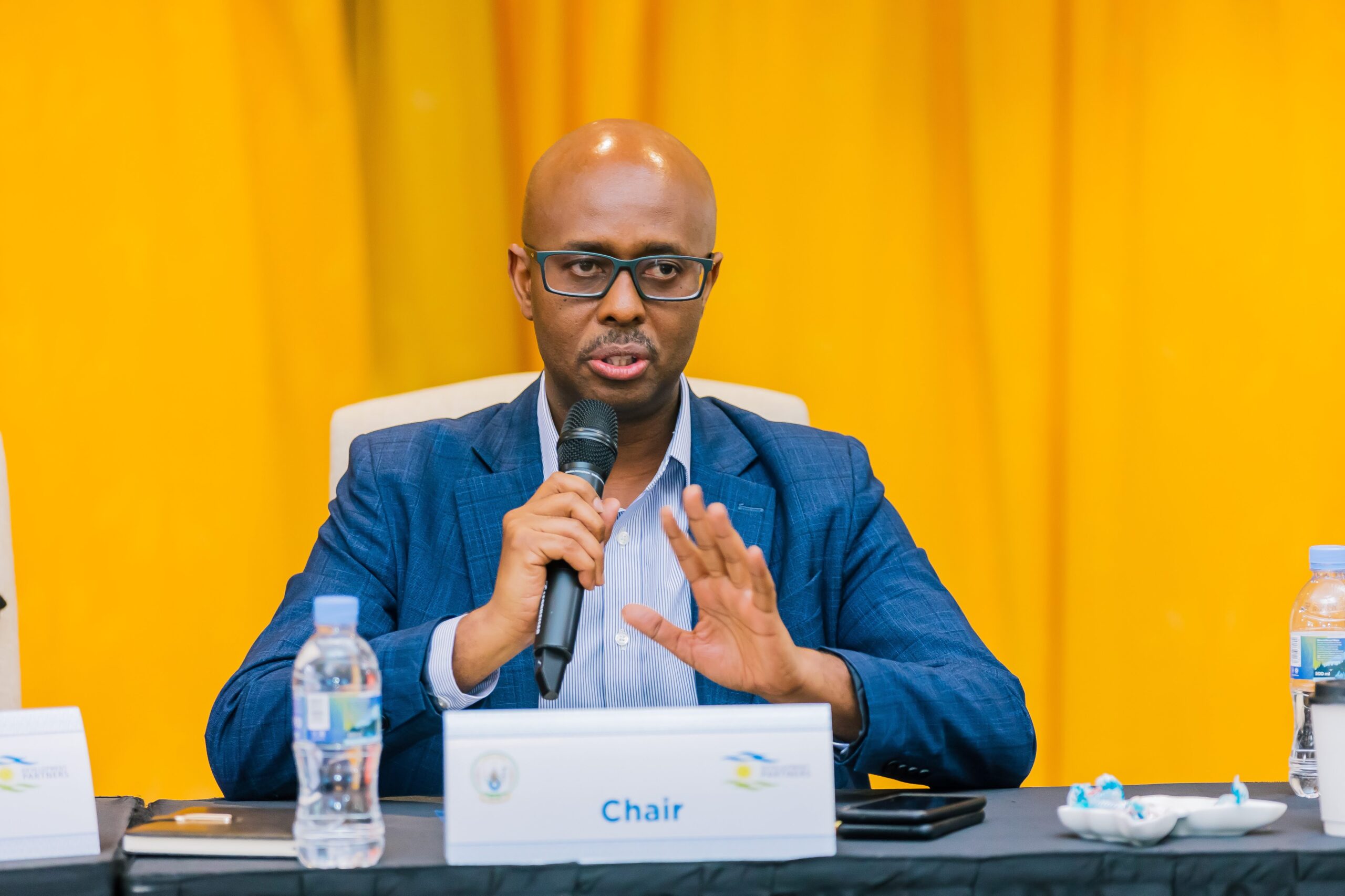
Minister of Finance and Economic Planning, Yusuf Murangwa
Rwanda’s ministry of Finance and Economic Planning (MINECOFIN) held its annual two day retreat to engage “development partners” in Rwanda’s transformation. A flat, somewhat bland sentence, which belies extraordinary possibilities it announces.
“How Rwanda works,” has become a pithy almost reflex exclamation from Rwandans, on social media especially, a gratified response to the direction in which their county, their society heads.
Many may never know about the almost daily painstaking work that goes on, to give them that moment of celebration and pride in their country’s government. The Development Partners Retreat (DPR) is a case in point. The brings together diplomats, representatives of multilateral institutions, like the World Bank, the African Development Bank, various United Nations agencies, civil society organisations, the private sector, to name but a few.
Rethinking Partnerships:
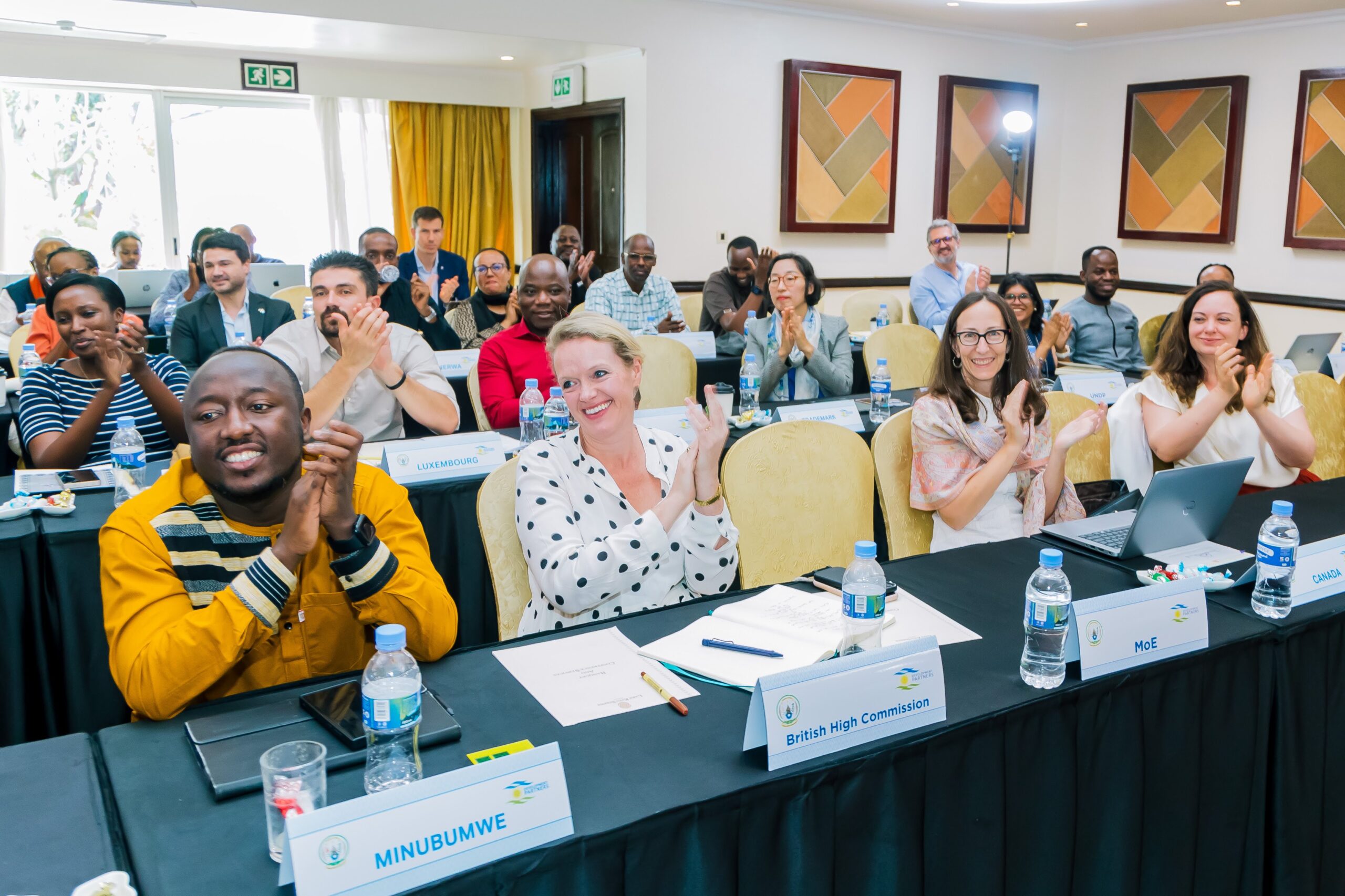
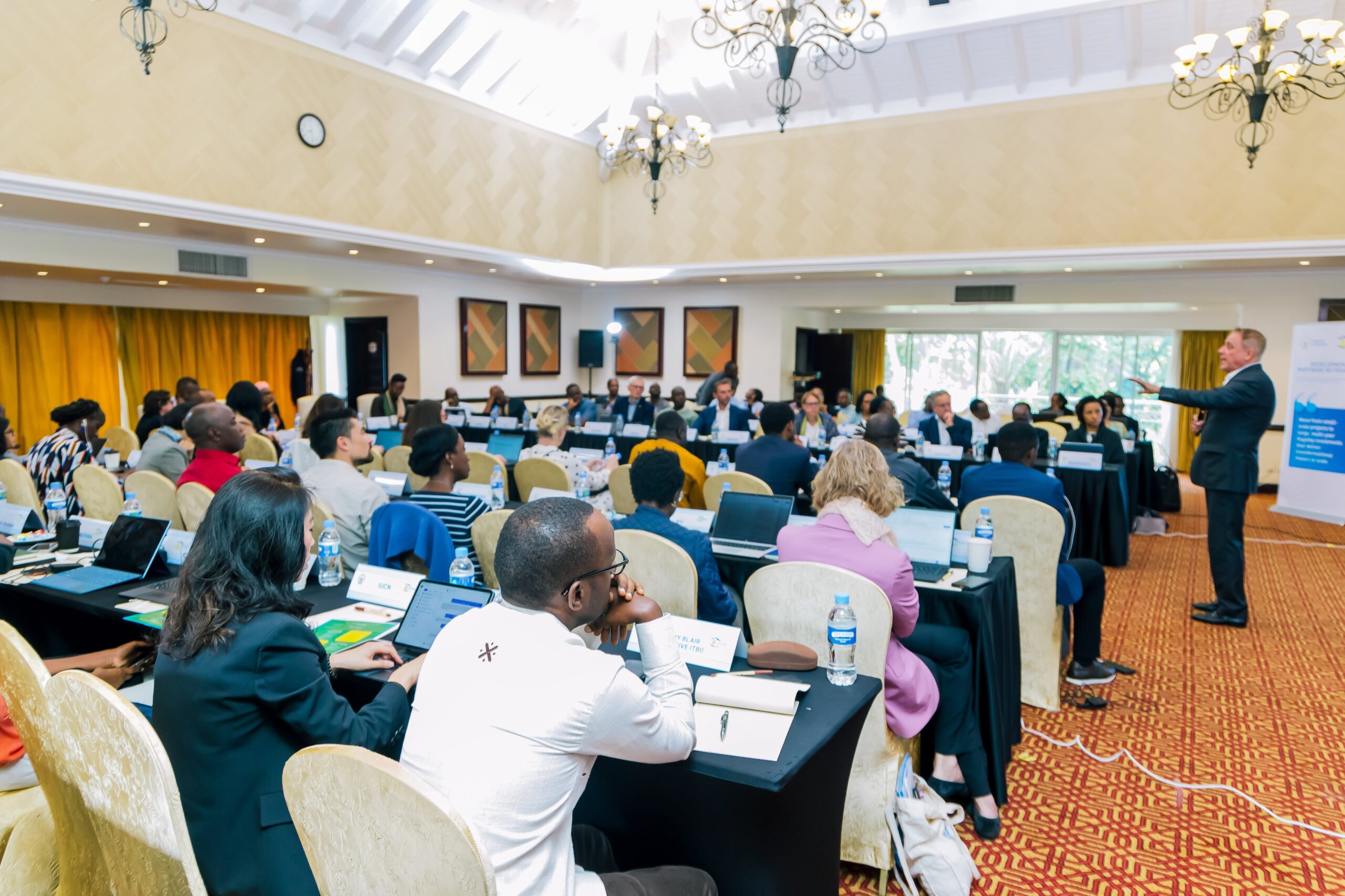
As in any retreat, there are discussions, breakaway groups, to critically evaluate policy, implementation and how well the relationship between the government and development partners works, and what, if any changes are needed to make the process run smoother. It is also an opportunity for development partners to see for themselves some of the development projects supported by their respective countries or organisations.
This year’s retreat was held at the lakeside city of Rubavu, where participants were given a tour of one of the district’s model villages, before the start of the retreat. One of three constructed so far in Rubavu district, the village is now home to people who were living in high risk zones, vulnerable to effects of climate change such as flooding and landslides.
Designed to be virtually self sustaining communities, the villages are a success story in themselves, not to be overshadowed by the main focus of this year’s retreat, the Rwanda Development Cooperation Policy (RDCP), a rethinking of how Rwanda aims to work with development partners, in what is shaping out to be a new era, with new conditions.
New Era of Development Partnerships:
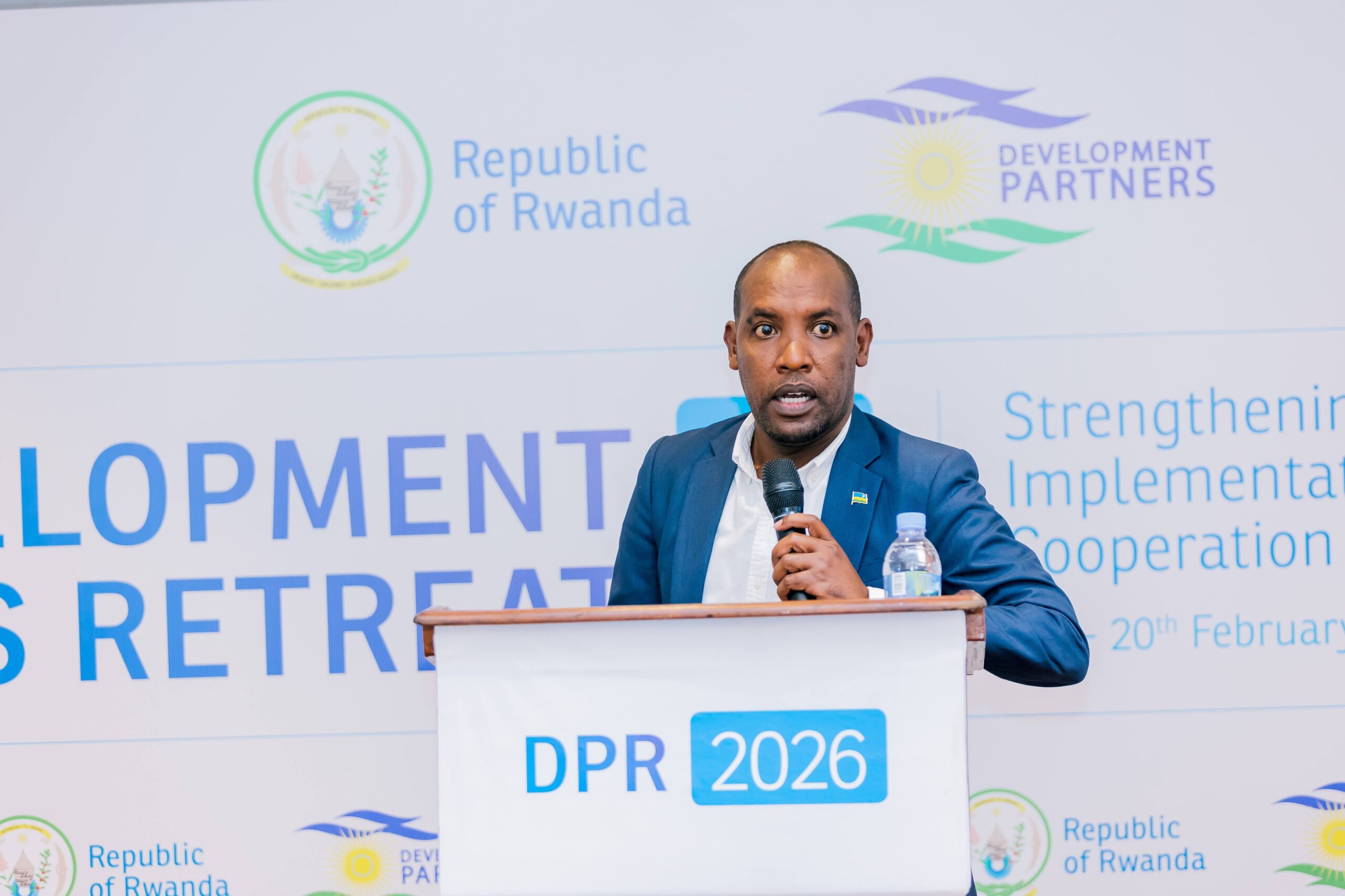
Opening the retreat, Minister of Finance and Economic Planning, Yusuf Murangwa, who chaired the retreat, presented the new cooperation framework, Rwanda Development Cooperation Policy (RDCP), to his audience.
“We are entering a new phase in our development journey” he said, “this policy is about working differently, moving from scattered projects to joint efforts that are designed here in Rwanda and driven by our own long term vision.”
Under the theme, “Strengthening Partnerships through Implementation of the New Development Cooperation Policy,” the retreat considered what the minister described as an historic new phase.
The new RDCP to be phased in over the two years, is a necessary change that responds to new realities both in Rwanda, and globally generally. It is the minister said, “a strategic statement of how Rwanda intends to engage with its partners in a rapidly evolving landscape.”
He credited the 2006 cooperation framework which is to be replaced by the RDCP, with having set “a foundation of engagement with traditional development partners, mainly focused on aid and helped Rwanda’s post genocide recovery journey and set a strong development strategy.”
The new RDCP he noted, responds to a major change in what was seen as the traditional Official Development Assistance (ODA), where “grants have sharply reduced in the last decade, and the trend shows even further reductions.” This he explained, was “driven by global political shifts and challenges faced by partners…” For Rwanda, the RDCP also reflects the country’s transformation over the past two decades, as well as its ambitions for a nation that Rwanda aims to become by 2050.
Charting the Next 25 Years:
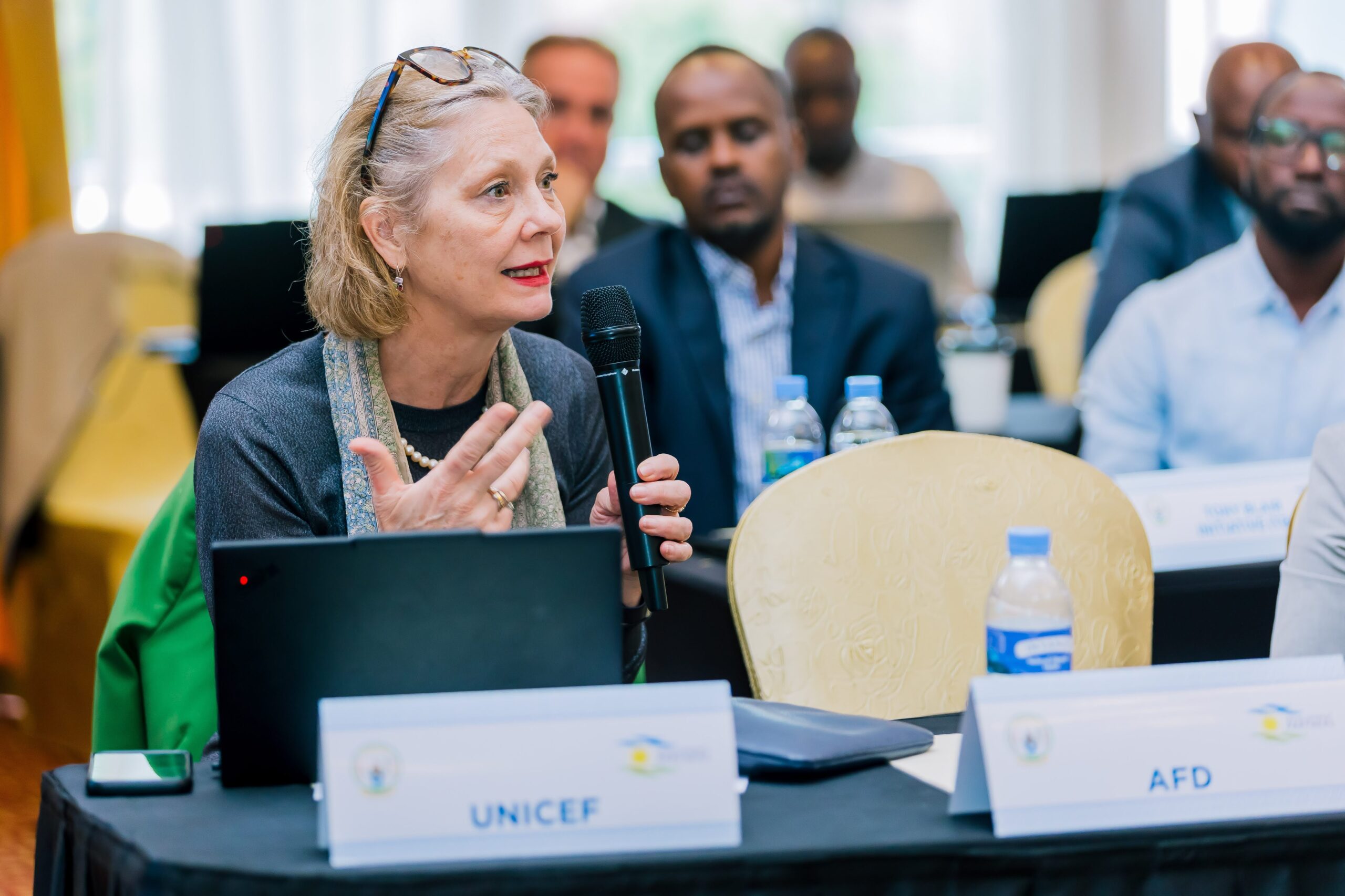
The new policy is nothing less than a framework for the next stage of Rwanda’s development, as the minister put it, “covering 2025-2050 horizon, it positions development cooperation within a 25-year strategic framework, ensuring continuity across current and future national strategies. It also responds to global shifts – ranging from diversified and blended finance, new development actors and climate financing, to increased emphasis on national systems, results, impact, digital technologies, and responsible borrowing…”
As is the norm in Rwanda, the minister assured his audience that “in line with international best practice, the policy strengthens transparency, joint accountability, and harmonised monitoring and evaluation, supported by enhanced coordination and oversight…”
In taking stock, and rethinking the development cooperation framework, Rwanda is blazing a trail that global events will almost certainly oblige other less developed nations, especially in Africa, to follow, sooner than later.
We are yet to know the conclusions of the two day retreat ending on Friday, which will then go to cabinet for government approval, but judging by the United Nations Resident Coordinator in Rwanda, Ozonia Ojielo, the new framework is likely to receive an enthusiastic welcome from development partners.
“This is about ambition grounded in reality” said Ojielo “it recognises that to achieve real scale and lasting change, we must all work as one. So we want to assure you [Rwanda] we are fully invested in the government in taking this policy process forward.”
