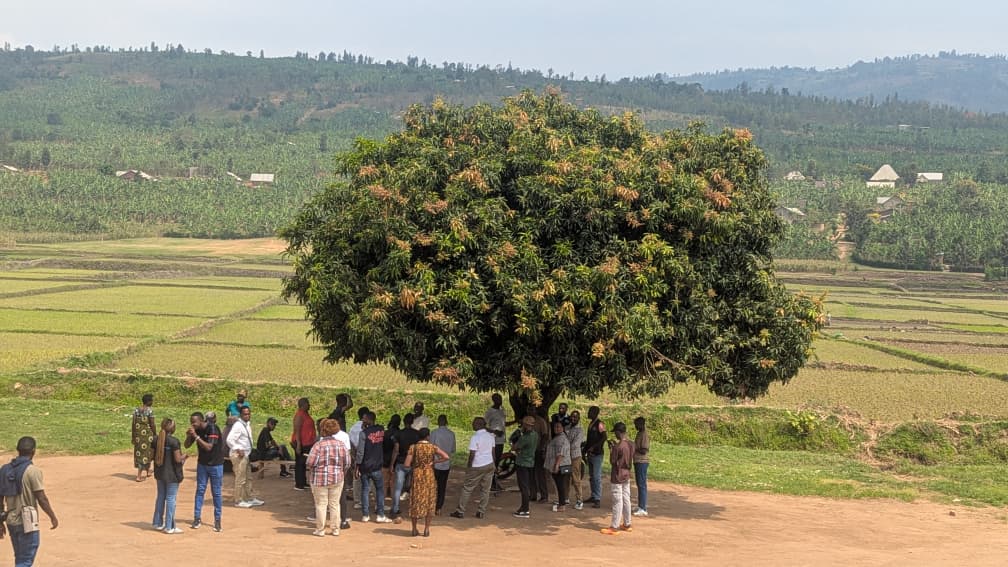




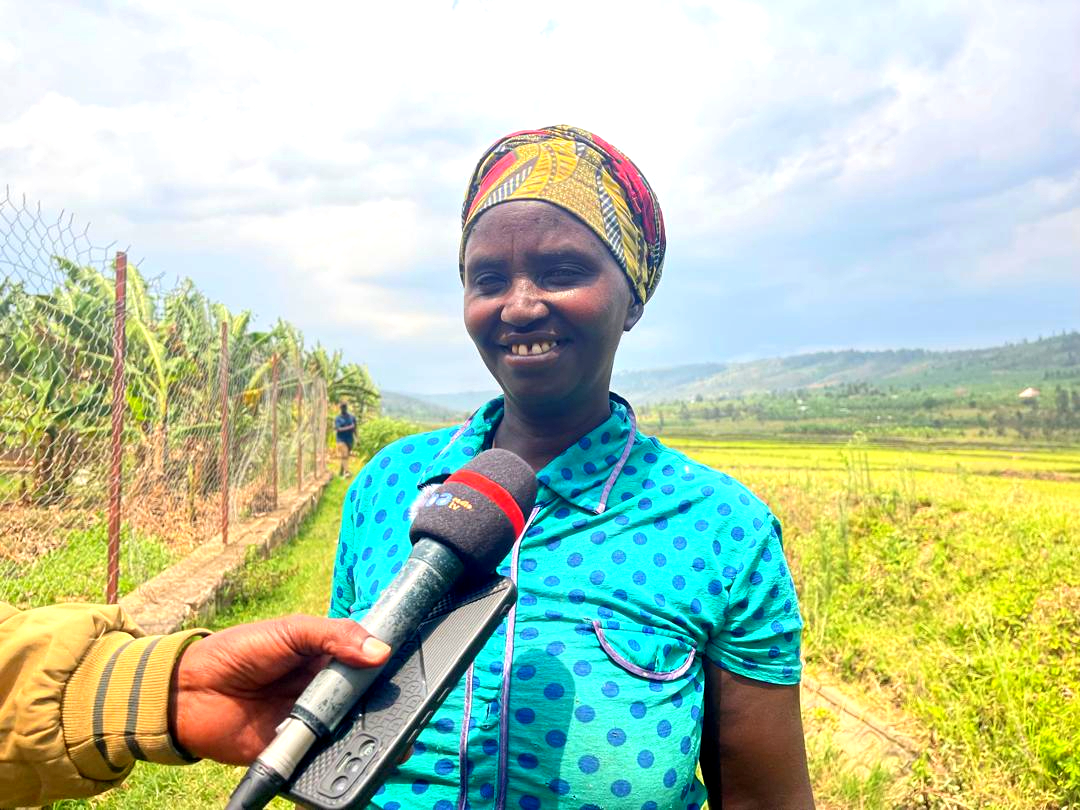
Claudine Nzaninka, 48, grew up as a farmer in Matare, Rugarama Sector, and whenever she and others had to relieve themselves, they did it in the Ntende Marshland.
Ignorant of the impact of her actions, she didn’t know that her feces were contributing to the spread of bilharzia and intestinal worms in the water bodies and wetlands around Gatsibo district.
“We didn’t have toilets, and naturally, it was easy to defecate in the nearby bushes,” Nzanika says. “We didn’t know anything about bilharzia and how our actions could spread it.”
This would later affect many residents’ health, including Nzanika, who says that she used to get sick with worms at least twice a month, affecting her farming activities and seasonal production.
She is one of the 4,000 (4.1%) residents who suffered from intestinal worms and bilharzia in 2010, among the many Rwandans living along marshlands who are prone to suffering from these neglected tropical diseases (NTDs) across the country.
Rwanda Biomedical Centre (RBC) statistics show that persons living and farming along marshlands suffer from the two NTDs, covering 1,013 villages (47% of the wetlands in Rwanda).
Following the alarming facts and recognizing the spread of these NTDs, in 2017, district officials in collaboration with the Rwandan government and health partners like Rwanda NGO Forum on HIV and Health Promotion (RNGOF) commenced a massive campaign to curb the spread by addressing key causal factors.
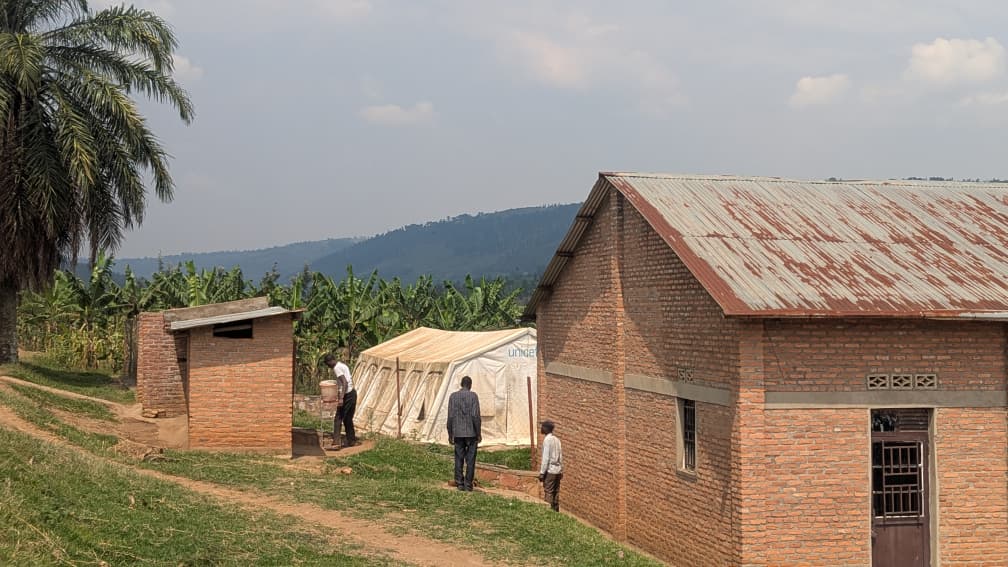
For instance, the lack of proper toilets/latrines and human and animal activities of open defecation result in the feces being washed downstream into water bodies and catchments, where the worms and bilharzia virus grow, especially in water vegetation before circulating into the flowing water.

To address these needs and improve farmers’ health and social welfare, Ntende Rice Cooperative (COPRORI-Ntende), made up of over 3,500 members, has focused on constructing toilets for its farmers and other community members with a strategic approach to improve sanitation.
However, to implement strategies, Wilson Ndorayabo, a cooperative manager in charge of agriculture, said that all farmers are required to use toilets, and heavy penalties, including fines (Rwf10,000), are levied on defiant members.
“These measures have enabled us to reduce infections and increase members’ contribution in farms. We even have a special team of four persons whose job is to clean toilets on every weekly general cleaning activity conducted by the cooperative,” Ndorayabo said.
“Our production has grown from 2300 to 3700 tons per year because we no longer have cases of sickness that affected our farmers’ contribution every season,” Ndorayabo said.
Ndorayabo revealed that to prevent more waterborne infections, all farmers are required to wear personal protective gear (boots and gloves). However, he stated that due to a poor mindset and lack of financial capacity, many farmers cannot afford to use gloves on a daily basis.

District Health Officer, Jean Claude Habiyaremye, said that this has been tackled by working with cooperatives located in marshlands to construct 128 public toilets, with plans to construct an additional 200 in the next four years.
Habiyaremye says that the campaign has reduced the rate and prevalence of the two NTDs by almost fourfold (from 4,000 cases 4.1%) to 1,400 cases as of 2025.
“The campaign has enabled us to reduce intestinal worms and bilharzia, which went from being the fourth most common NTD disease to the tenth.”
These actions, combined with a collective WASH mobilization, have also seen a reduction in stunting cases in Gatsibo district from 40% to 15% in the last 16 years.
However, Habiyaremye said that there is a need for more toilets to increase access to sanitary services, especially for farmers who are working in fields far away from the designated toilets.
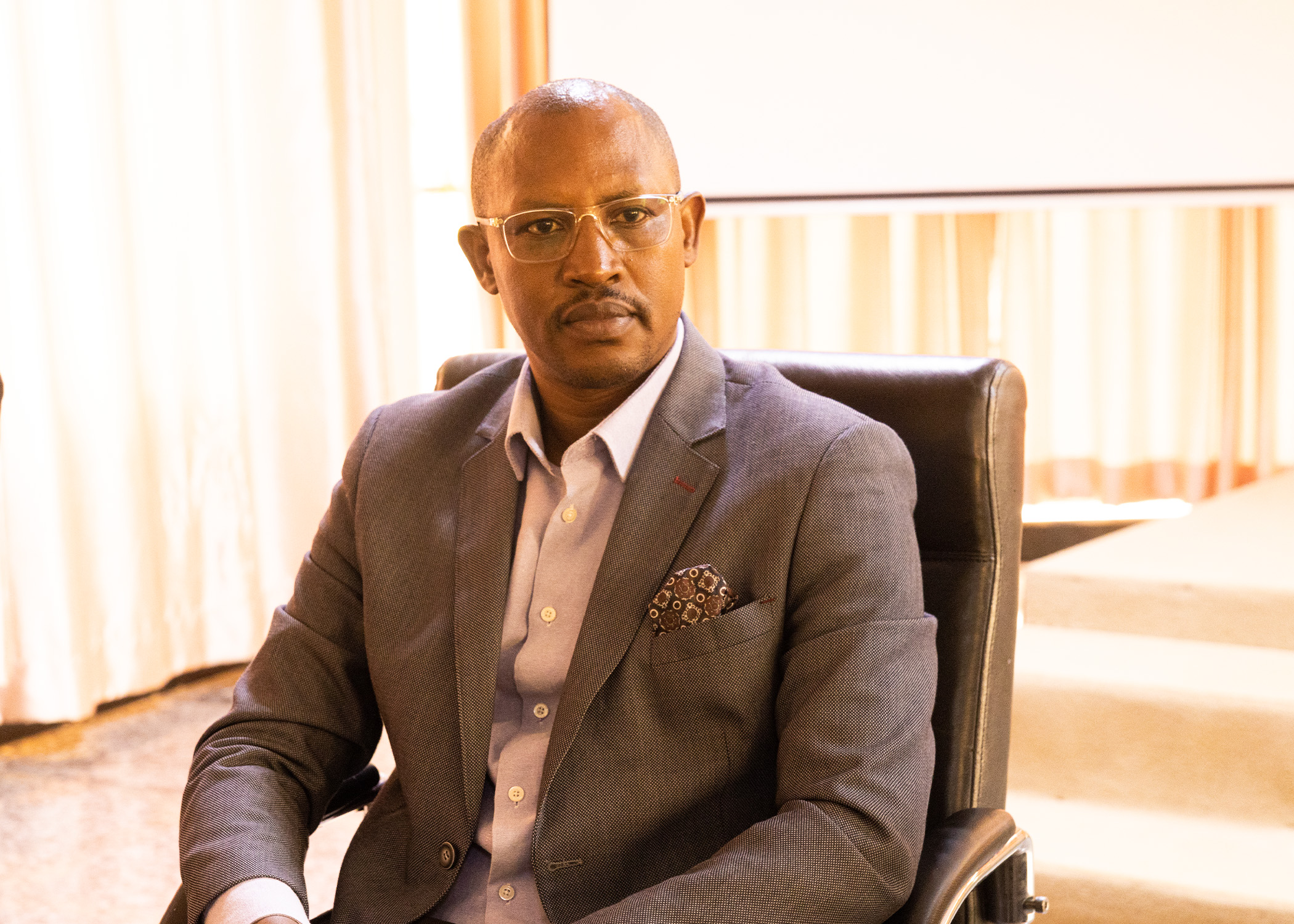
Gatsibo Vice Mayor in charge of Economic Affairs, Jean Leonard Kanyange, said that to eliminate intestinal worms and bilharzia, the district will support cooperatives operating in the current four wetlands to construct more toilets within a reachable distance of their fields and increase the current access that stands at 70%.
Currently, Rwanda has no figures of persons who have died due to bilharzia. However, on the global level, it kills about 200,000 people every year, and in Africa, it is the second killer disease after malaria.

Considering its dangers, Nathan Hitiyaremye, the NTD-WASH Coordination Officer at RBC, says cases have reduced over the years, but there is a need for more mass mobilization campaigns, which will require collaboration with faith-based organizations to further spread the message.
Responding to the need for farmers’ preventive gear in risk zones, Hitiyaremye said that the government is in discussion with partners to find a way of providing the gear.
However, Hitiyaremye stated that in the meantime, RBC will continue to provide free annual deworming and bilharzia prevention tablets to create more resistance and prevention in risk areas.
Hitiyaremye noted that RBC commends other districts to learn from the Gatsibo model (of constructing more toilets) to enable Rwanda to beat NTDs by 2030.