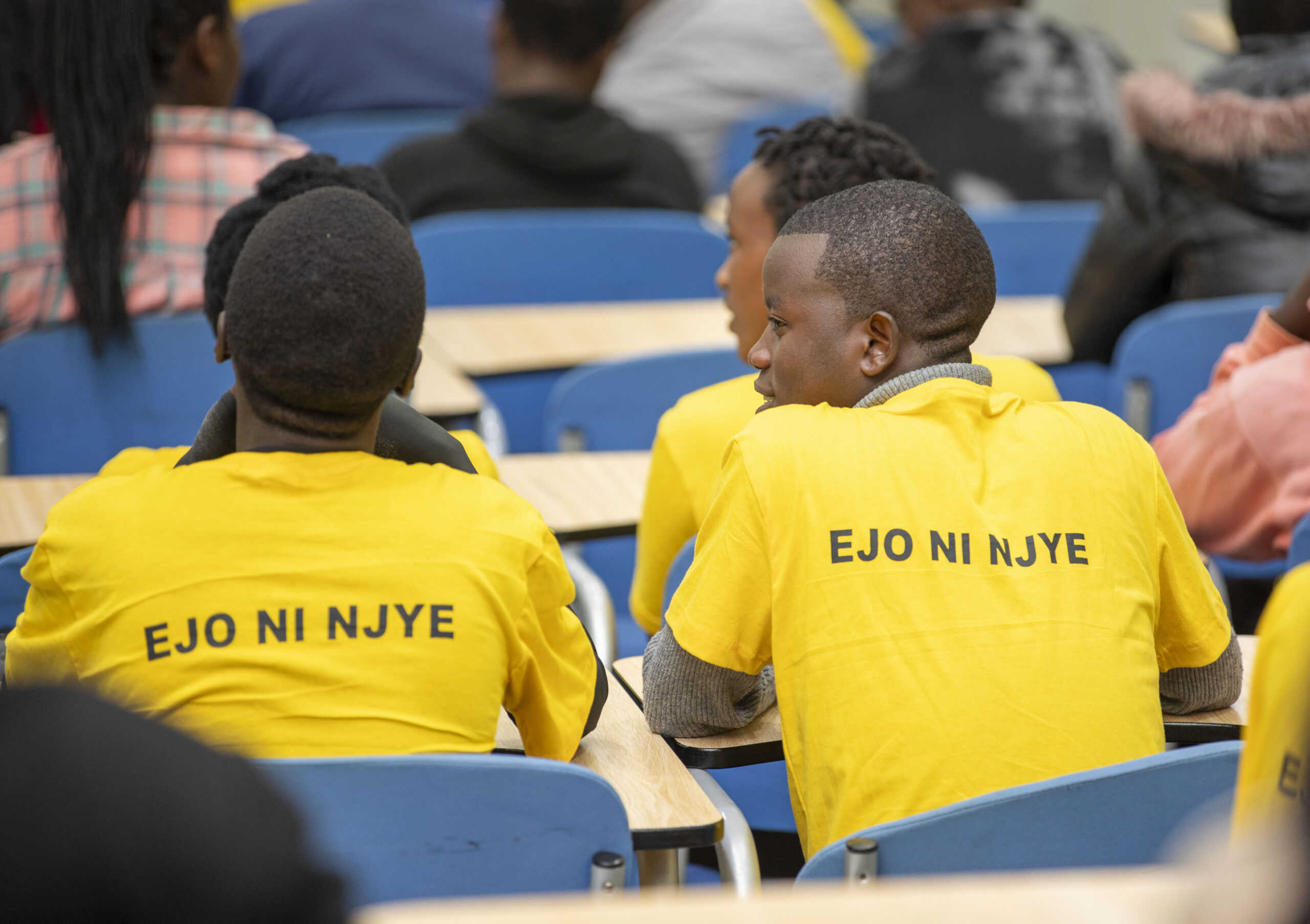



RUBAVU — On the surface, Mutesi Pascaline’s journey to higher education looks like a standard academic progression. In reality, it is a path that was nearly derailed by years of financial uncertainty—until a targeted intervention changed her trajectory.
A native of Rubavu District, Mutesi is currently a student at the Independent University of Kigali, Rubavu campus. She enrolled in 2024 after completing secondary school with the support of the Tubarere Neza Project, an initiative of the National Child Development Agency (NCDA) implemented in partnership with the Global Fund.
Before this support, simply remaining in the classroom was a daily battle.
“It was incredibly difficult,” Mutesi recalls. “Being sent out of an exam room because you haven’t paid school fees is painful. Even in the 12-Year Basic Education system, where fees are relatively low, my family still couldn’t afford them. That constant stress dictated how I studied.”
Once her education costs were covered, the psychological weight lifted. Mutesi was able to focus, improve her grades, and transition into university without the looming threat of dropping out.
From the Classroom to the Workforce
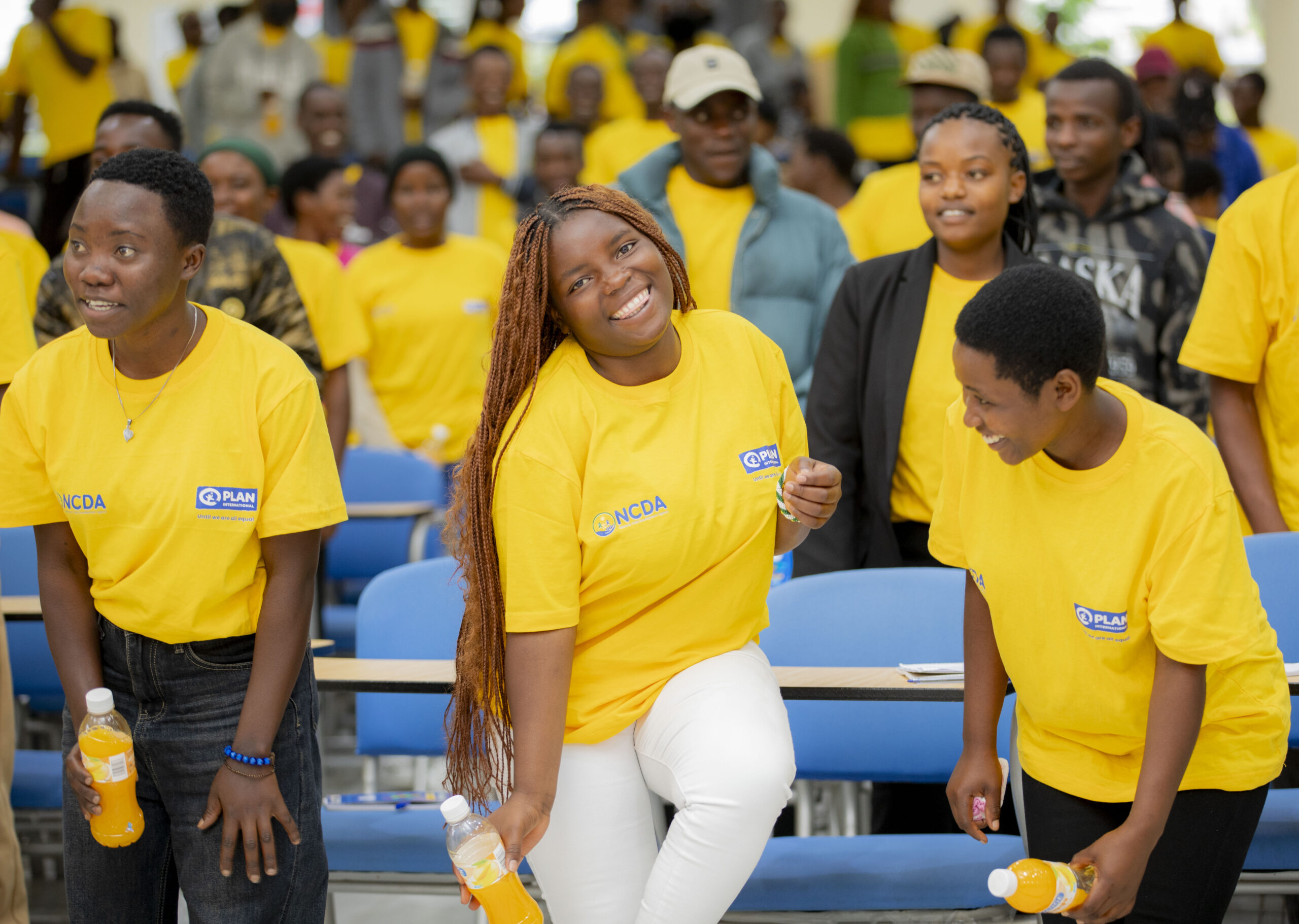
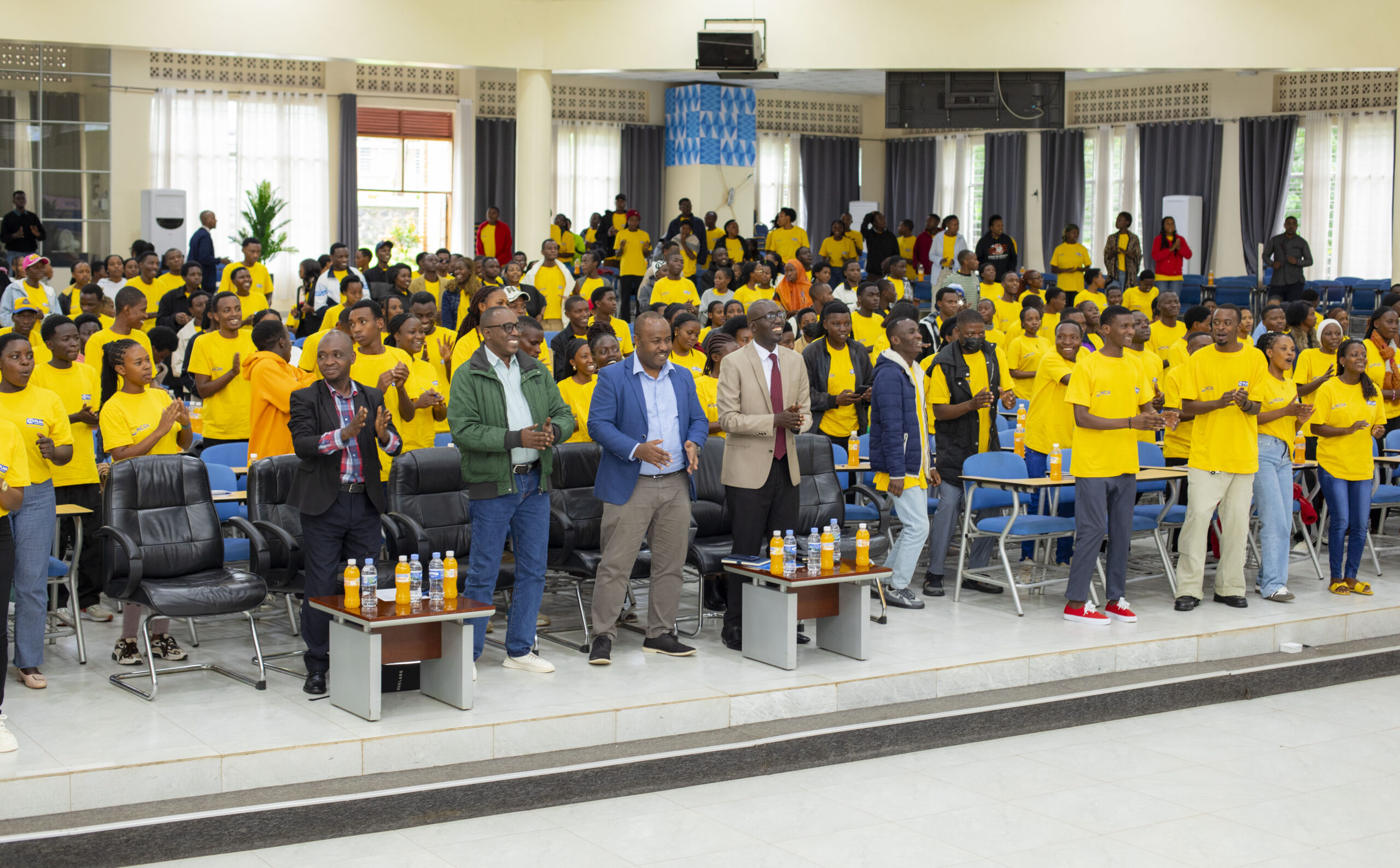
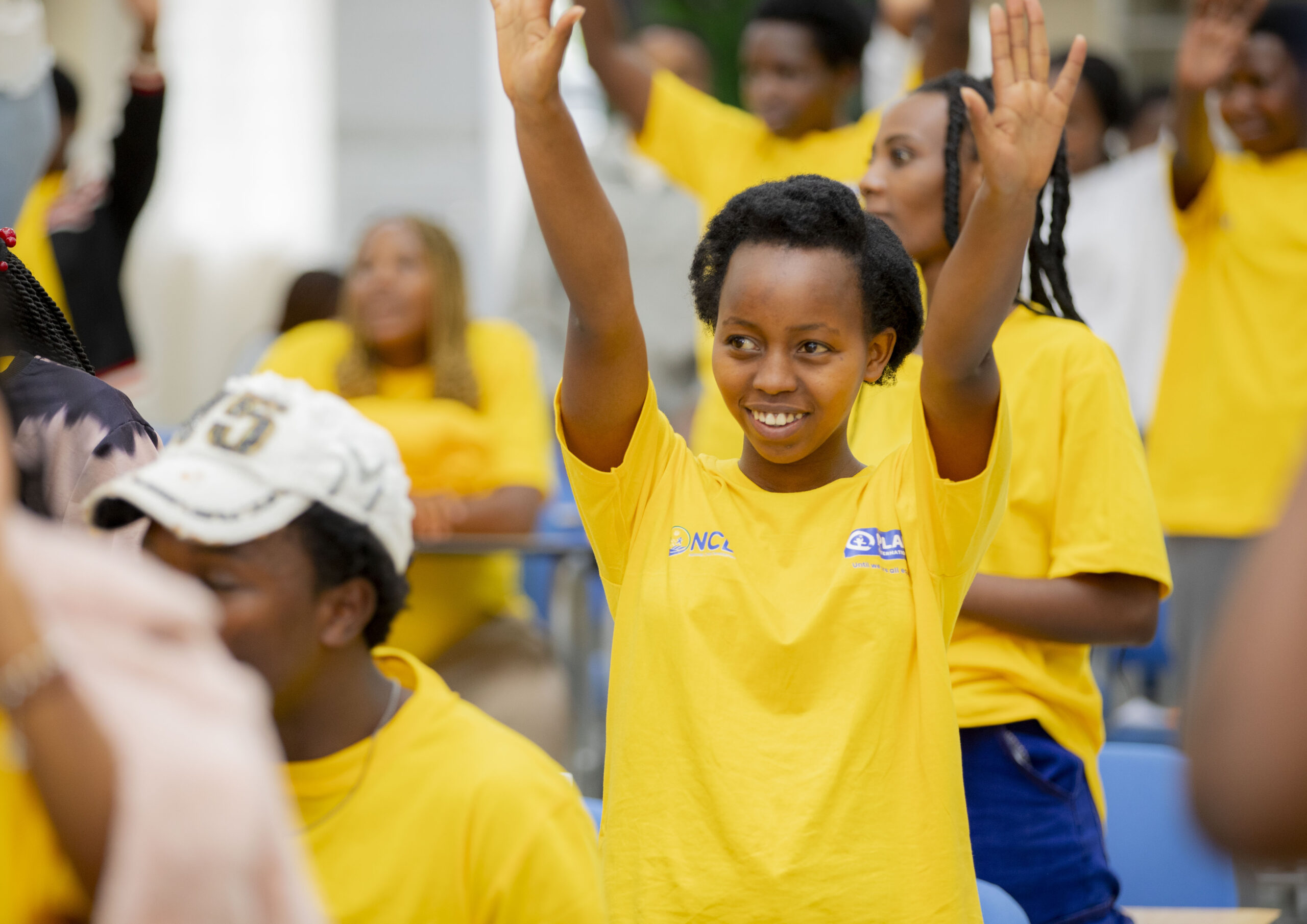
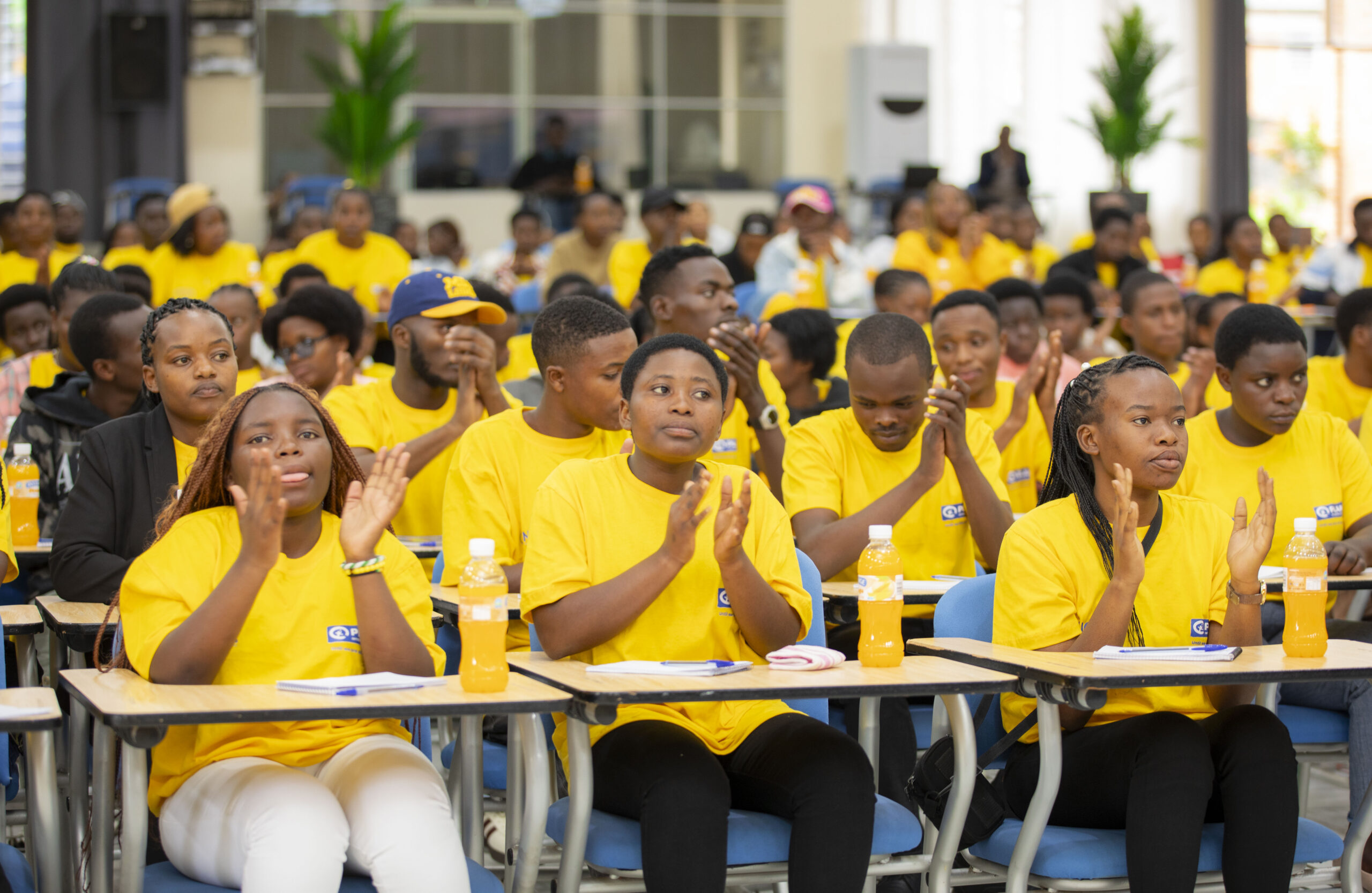
Mutesi is just one of more than 51,100 children supported by the NCDA through Tubarere Neza. This month, she joined over 410 fellow beneficiaries at a youth retreat themed “The Future is Me.”
Held on March 21, 2026, at the Nkumba Itorero Centre in Burera District, the retreat gathered young people who have completed secondary or vocational education over the last three years. For the NCDA, this event signaled a strategic pivot: moving beyond basic classroom access toward preparing graduates for the complexities of adult life.
Gilbert Munyemana, NCDA Deputy Director General, explained that while the agency supports them as students, graduation brings a new set of challenges. He noted that graduates need practical skills to navigate the job market or create their own opportunities, as academic knowledge cannot be fully realized without mental well-being and professional readiness.
Closing the Employability Gap
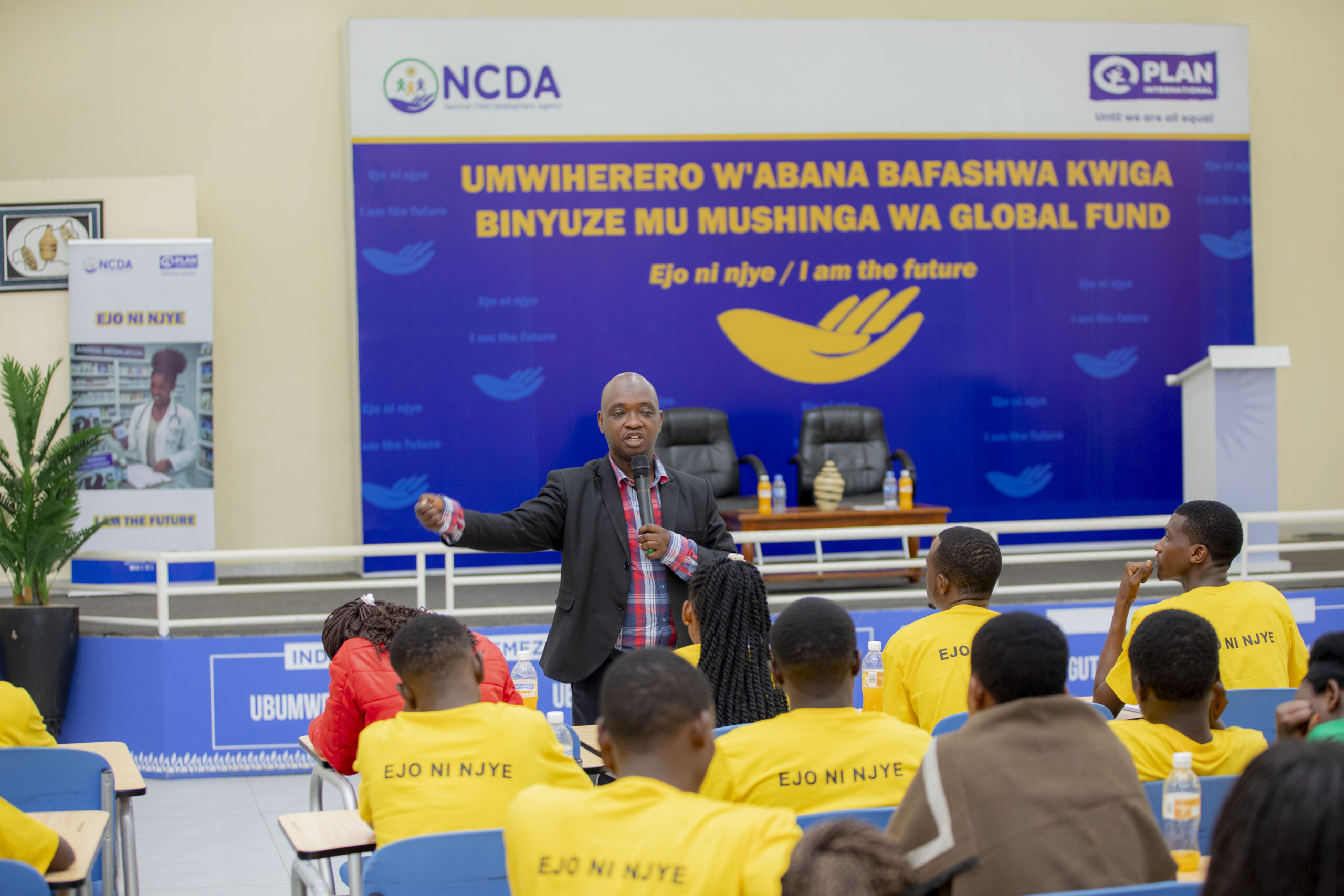
The retreat’s sessions focused on entrepreneurship and personal development—areas where many graduates stumble despite having the right diplomas. Mutesi, attending the retreat for a second time, noted that these soft skills are often the missing link.
She observed that people sometimes fail to get jobs not because they lack qualifications, but because they struggle with CV preparation, interviews, or professional conduct. Moving forward, she plans to use these insights to scale her existing clothing business in Rubavu.
This practical impact is echoed by Iradukunda Salomon, another beneficiary. After the program funded his studies in veterinary sciences, Salomon began providing animal health services in Ruhango District. He shared that the retreat helped him understand how to engage with financial institutions and secure the loans necessary to expand his veterinary practice.
A Legacy of Investment
The Tubarere Neza Project has a long history, beginning in 2009 under the Ministry of Gender and Family Promotion before moving to the NCDA. Over nearly two decades, it has provided comprehensive assistance including school fees, meals, and learning materials, as well as livelihood support for vulnerable families to ensure children stay in school.
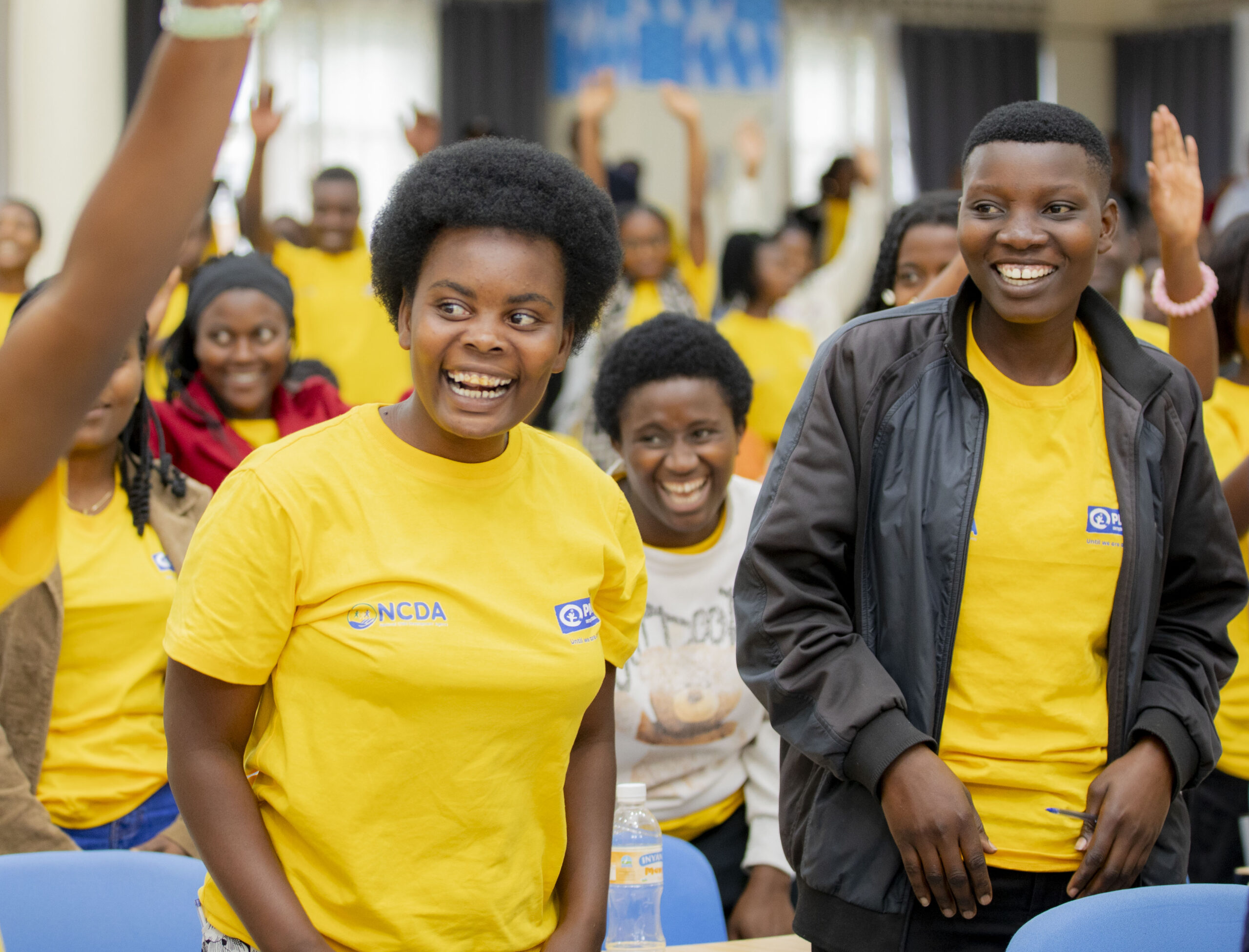
Addressing the participants, Northern Province Executive Secretary Pascal Ngendahimana emphasized that this support is a two-way street. He described the retreat as a space for transformation, noting that investing in youth is a direct investment in the country’s future. He urged the beneficiaries to translate the support they received into a tangible impact within their communities.
For beneficiaries like Mutesi and Salomon, the project has provided more than just a receipt for tuition—it has provided a bridge from survival to self-sufficiency.