



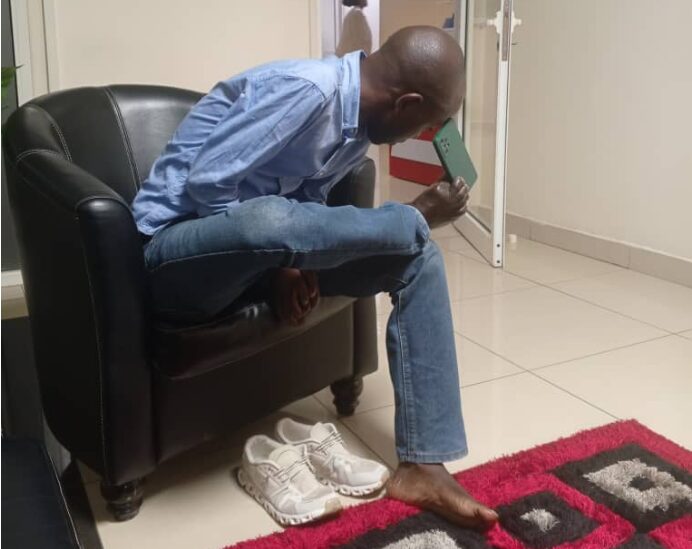
Jean Twagirimana speaking on phone. His extra ordinary story challenges fear with possibility, and pity with purpose.
In many African communities, the birth of a child with a disability is often met with a heavy silence—a stigma that leads too frequently to concealment. In these settings, children are sometimes hidden away, denied the chance to learn, grow, or simply belong. However, the life of Jean Twagirimana offers a radically different narrative, one that challenges fear with possibility and replaces pity with purpose.
Born in 1985 in Rilima, Bugesera district, Twagirimana entered the world without both arms. At a time when disability was widely misunderstood in Rwanda, many children in his position were kept out of sight, their futures quietly written off before they had truly begun.
Twagirimana’s story refused to follow that script.
Raised in a family that chose belief over stigma, he grew up surrounded by care, but notably, not by confinement. While his siblings provided support when necessary, it was his mother’s deliberate decision to raise him as a capable child, rather than a fragile one, that shaped his outlook.
“She never treated me as someone different,” Twagirimana recalls. “She let me play, fall, and try—just like any other child. That gave me the confidence to see myself as equal.”
It is a philosophy he now speaks about with conviction. He maintains that overprotecting a child due to a disability serves only to limit their thinking, leading them to believe they cannot act for themselves.
“When you give them (children) space, they learn to adapt and find their own strength,” he says. It is precisely that strength that has come to define his journey.
Rewriting Limits, One Step at a Time
Moving from the sanctuary of his home to the broader world, Twagirimana began the quiet, disciplined process of rewriting the limits placed upon him. He adapted to a world not designed for his frame, training his feet and toes to perform the delicate work of hands. He learned to write, eat, and manage daily life with a dexterity that would later leave both classmates and teachers in awe.
His formal education began at a specialized center founded by an Italian missionary—a space designed to nurture children with disabilities and prepare them for the rigors of mainstream schooling. From there, he transitioned into public primary education in Rilima, eventually advancing through secondary school and higher.
His academic performance quickly became a focal point of his journey. “I often led the class,” he recalls. “Teachers would sometimes question how a student writing with his feet could outperform his peers. But for me, it was never about proving a point to others; it was simply about doing my best.”
This journey was bolstered by a community of peers who acted with quiet, consistent solidarity. Among them was a classmate named Claude, whose support became a cornerstone of Twagirimana’s school life, offering a level of care that moved beyond simple friendship into true brotherhood.
However, the path was often marked by profound hardship. The 1994 Genocide against the Tutsi claimed his father’s life and shattered the support systems the family relied upon. Yet, even in the wake of such tragedy, his mother’s unwavering determination ensured that his education remained a priority and continued without interruption.
Twagirimana eventually pursued a degree in education, later traveling to Nairobi to complete a Master’s degree in Special Needs Education in 2016. Each milestone reached was more than a personal victory; it was a definitive rebuttal to the long-held assumptions about what a person with a disability can achieve.
Beyond the Reach of Limitation: A Life Fully Lived
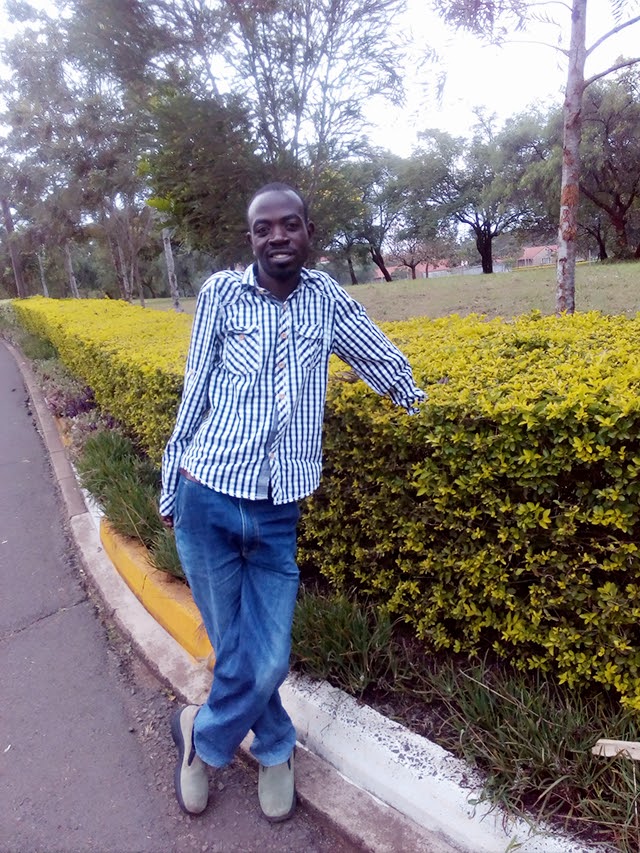
From being a recipient of support to a beacon for others, Twagirimana now serves with NGO World Vision Rwanda, where his professional life is dedicated to children with disabilities born into vulnerable families. His work is rooted in advocacy, specifically helping parents dismantle the belief that a physical limitation erases a child’s potential.
“Many families still believe a child with a disability has no future,” he explains. “They isolate them, sometimes without realizing the profound harm that causes. My role is to show them another way.”
That “other way” is a path grounded in dignity and inclusion—ensuring that these children are enrolled in school, receive proper care, and are treated as equal members of society. Twagirimana posits that when a parent finally decides to bring their child out into the world, they are opening a door that changes everything.
For many, Twagirimana himself is the only evidence they need; when parents see his success, they begin to believe that if he could navigate this path, their child might also find a way.
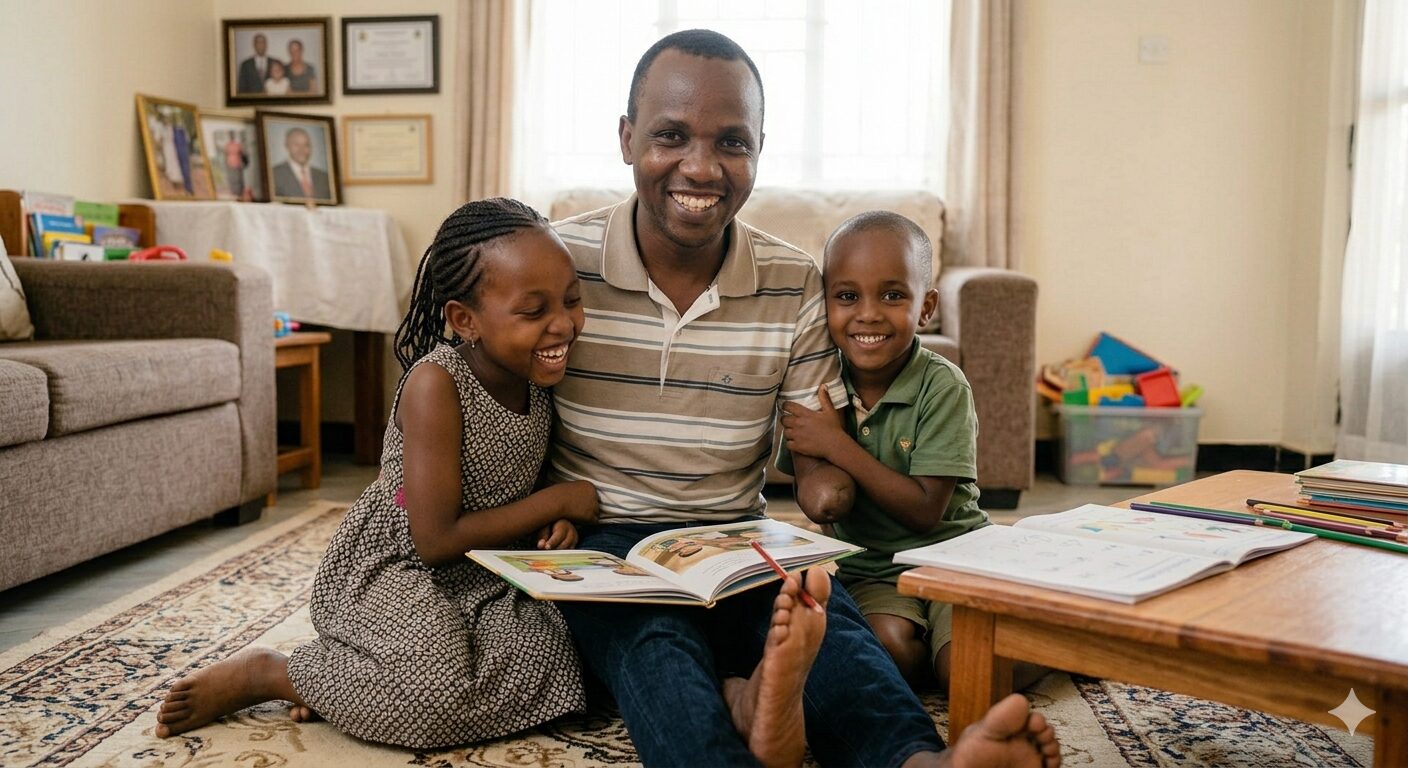
A joyful moment of family connection, showcasing human resilience and creativity. AI-generated photo.
Beyond the office, Twagirimana’s life is defined by the quiet joys of a life fully lived. In 2017, he married a former schoolmate, and today they are raising two children. At home, he embraces fatherhood with a blend of warmth and creativity, guiding his children through their schoolwork and the small moments of everyday life. While he may not carry them in his arms, he has found his own language of closeness.
“They climb onto my back, they hold onto me, and we play,” he says. “We create our own moments.”
In his daily routine, he manages most tasks—including his professional responsibilities—using his feet. While some tasks inevitably require assistance, he does not view this interdependence as a weakness, but rather as a natural thread in the human fabric. He reflects that life is built on the foundation of helping one another, noting that fulfillment comes not from recognition, but from impact.
“I don’t consider what I do to be extraordinary,” he says quietly, “but it gives me joy to help others who are in the same place I once was.”
Ultimately, Twagirimana’s journey stands as both an inspiration and a gentle indictment of outdated societal perceptions. In a world that often struggles to look past physical limitations, his life demands a reflection on how we define “ability.”
His story suggests that the true difference between a life of confinement and a life of fulfillment often rests upon a single, courageous decision: the choice to believe in what is possible.
