


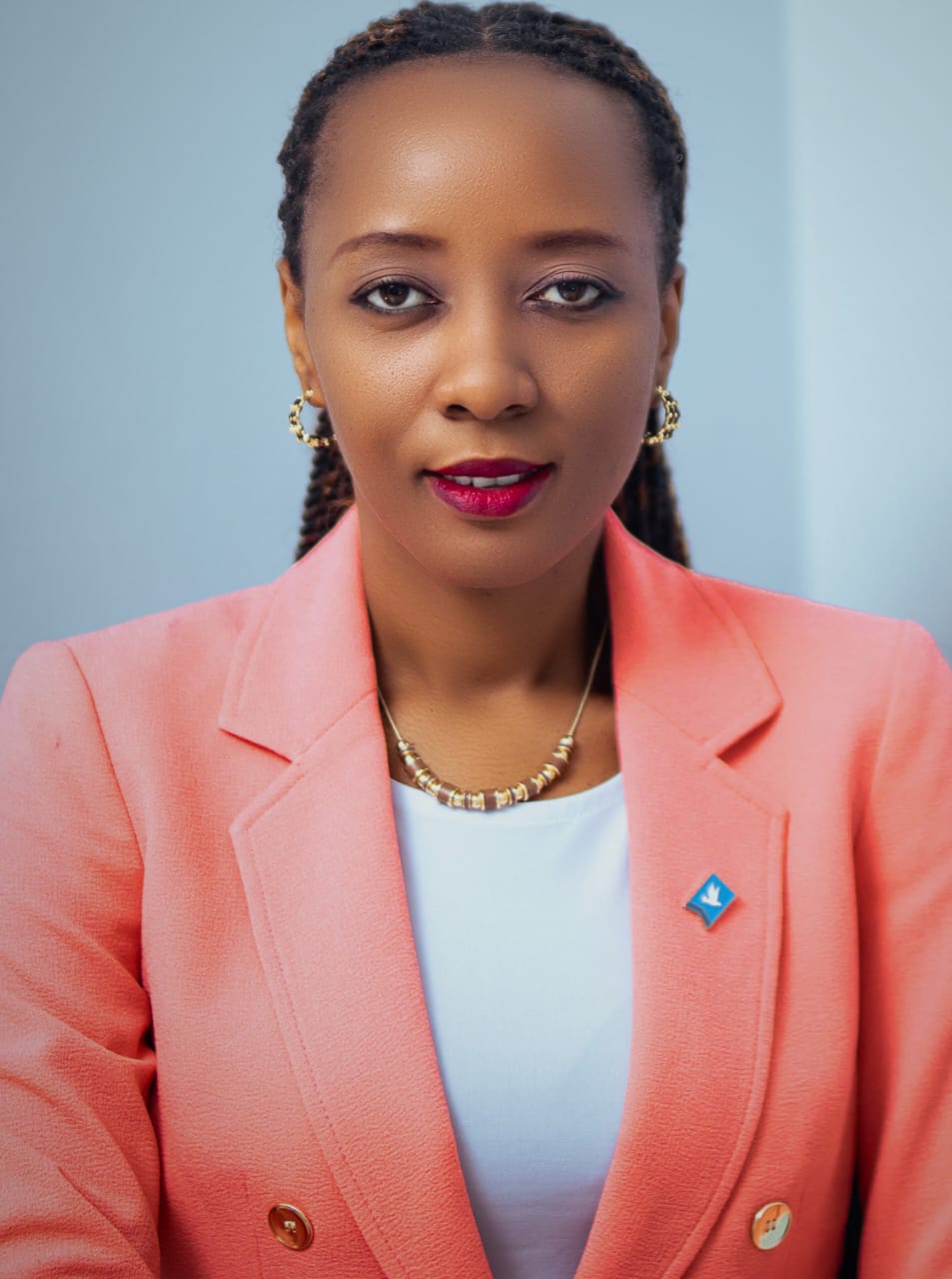
Researcher Francisca Mujawase argues that the “Gender Shield” is our best defense.
Despite decades of global advocacy, the recruitment and use of children in armed conflict remains a harrowing reality. While frameworks like the Vancouver Principles on Peacekeeping and UN Security Council resolutions provide the legal architecture for prevention, and the African Charter on the Rights and Welfare of the Child demands protection from violence and exploitation, the gap between policy and practice remains wide.
True prevention requires more than just signatures on a page; it demands a total transformation of peace and security systems. At the heart of this shift is the meaningful participation of women. When women lead in peace processes, security institutions, and post-conflict reconstruction, protection mechanisms become more resilient, addressing the very structural conditions and social vulnerabilities that leave children exposed to recruitment.
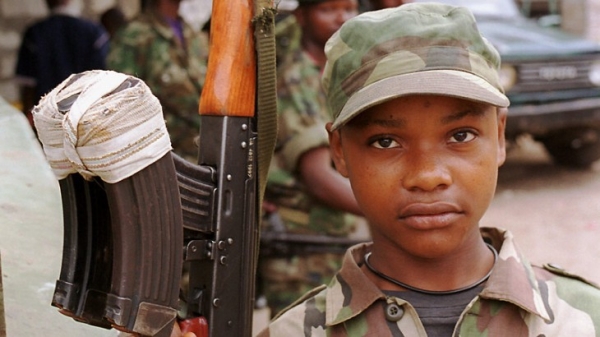
The Stolen Childhood: An armed youth in a conflict zone. New data shows that verified cases of child recruitment by armed groups surged by 25% in 2024, with Africa remaining the global epicenter of the crisis.
Child recruitment is rarely a matter of chance. Armed groups systematically exploit poverty, displacement, a lack of education, and the trauma of family separation. Weak governance and the breakdown of community structures further enable these predators.
To counter this, we need inclusive institutions and accountable security forces that treat community engagement and social stability as strategic priorities, rather than afterthoughts.
Evidence from the Women, Peace, and Security (WPS) Agenda confirms a critical truth: peace processes are more sustainable and effective when women participate in negotiations and conflict resolution.
Their involvement ensures that peace agreements go beyond simple ceasefires to include vital issues such as education, social protection, the reintegration of former child soldiers, and long-term community resilience—efforts that directly reduce a child’s vulnerability.
At the community level, women often serve as the first line of defense. Because they are deeply embedded in social networks, they are the first to detect early warning signs, such as shifts in a child’s behavior, the increased presence of armed actors, or the growing economic desperation of local families.
Yet, women remains significantly underrepresented in formal peace negotiations, security sector reforms, and specialized training programs. This exclusion fundamentally weakens long-term protection strategies.
International initiatives are increasingly recognizing this indispensable role. The Vancouver Principles now advocate for integrating child protection into peacekeeping and operational planning through gender-responsive approaches. Women serving as peacekeepers, security professionals, and community leaders enhance early warning systems, improve situational awareness, and build the deep levels of trust required to keep communities safe.
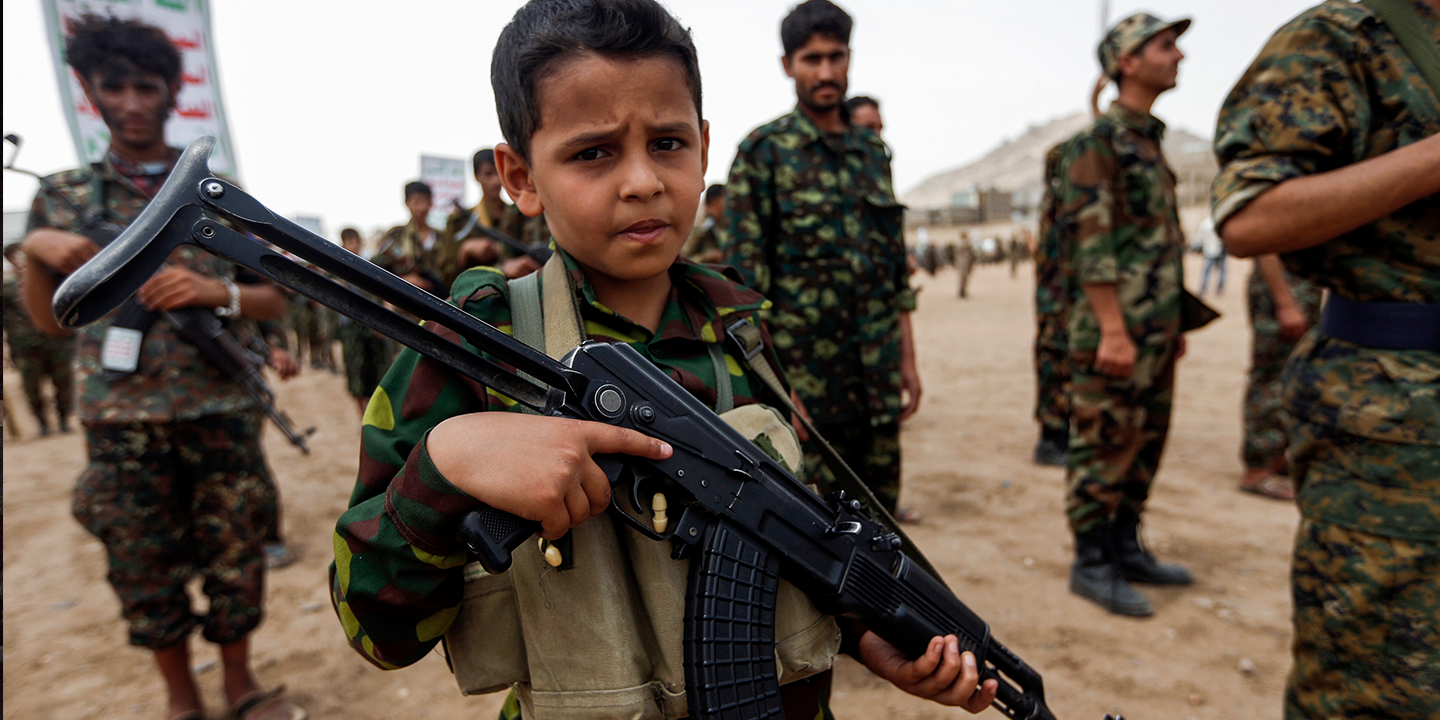
Behind every statistic is a child whose future is at risk
The Dallaire Institute for Children, Peace and Security provides a clear blueprint for this integrated approach. Through security sector reforms and military training in collaboration with the African Union, the Institute helps institutions identify specific risks to children while simultaneously promoting women’s leadership and accountability within defense and security sectors.
Regionally, the African Union has emerged as a leader in this space. The AU Peace and Security Council consistently condemns child recruitment and urges member states to strengthen legal frameworks.
In 2022, the AU Specialized Technical Committee on Defence, Safety, and Security adopted policies that officially embedded child protection into the African Peace and Security Architecture (APSA), providing a solid foundation for regional prevention.
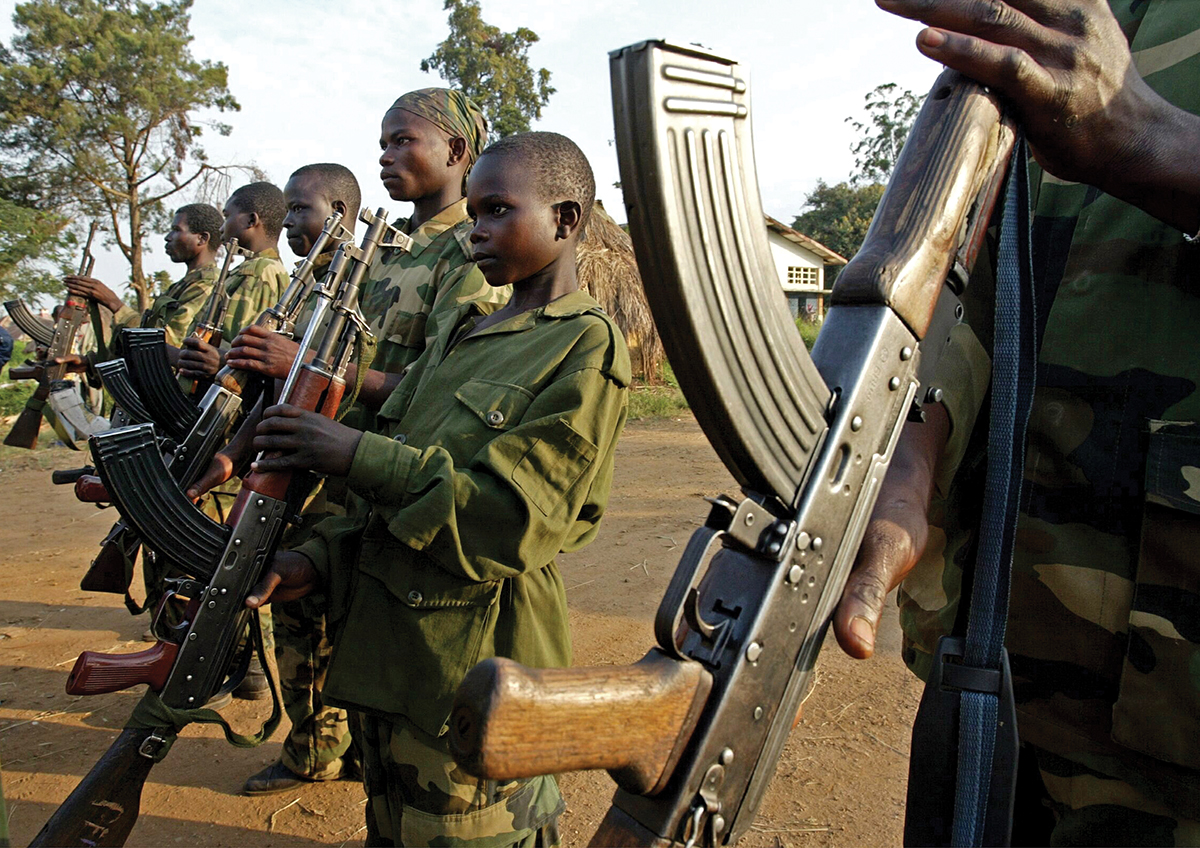
Despite international resolutions, thousands of children remain trapped in armed conflict.
To maximize this protective impact, governments and institutions must move beyond tokenism and ensure women’s meaningful inclusion in every stage of peace and security. This requires specialized training in conflict resolution and early warning, as well as robust support for women-led community initiatives such as school protection and family support networks.
Ultimately, the protection of children in armed conflict is inseparable from women’s leadership. By prioritizing inclusive peace processes, we don’t just make our institutions stronger—we build a world where prevention mechanisms are more effective and children are finally shielded from recruitment, exploitation, and grave violations.
The scale of the crisis is no longer up for debate. UN-verified grave violations against children surged by 25% in 2024, reaching a record 41,370 cases—with Africa now home to nearly 218 million children living in active conflict zones.
In hotspots like the DRC, Somalia, and Nigeria, child recruitment remains a primary tactic for armed groups. These are not just statistics; they represent a fundamental failure of our current security architectures to protect the most vulnerable.
Ultimately, the protection of children in armed conflict is inseparable from women’s leadership. By moving beyond tokenism and ensuring women hold meaningful seats in peace negotiations and security reforms, we do more than diversify a boardroom. We build a world where prevention mechanisms are more effective, community trust is restored, and children are finally shielded from recruitment, exploitation, and the grave violations of war.
Francisca Mujawase is a Rwandan researcher and a Public Policy scholar at the African School of Governance.