



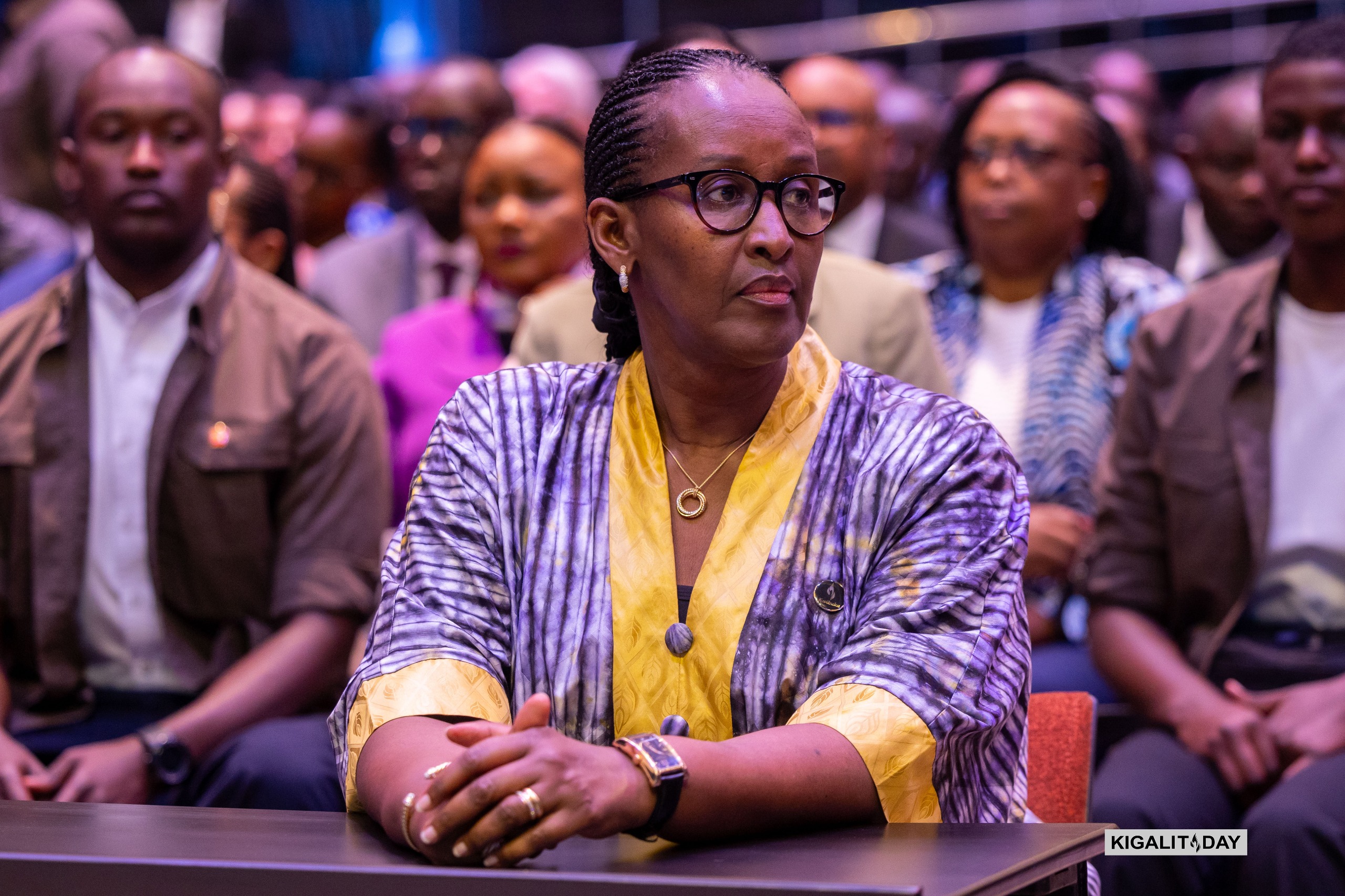
First Lady Mrs Jeannette Kagame was in attendance at the high-level annual conference
KIGALI, Rwanda — At an international conference on genocide prevention held in Kigali on Wednesday, campaigners, scholars and government representatives delivered some of their strongest reviews of DR Congo’s government policy.
They unanimously affirmed that the Congolese government has sheltered and integrated remnants of perpetrators of the 1994 Genocide against the Tutsi. They also warned that an ideology of ethnic hatred continues to spread in the country’s eastern provinces.
The stark reviews were made at the Intare Conference Arena, where more than 500 participants gathered. These included diplomats, United Nations officials, genocide survivors and academics. The event is part of the ongoing #Kwibuka32 commemoration.
In unusually blunt language, Rwanda’s Minister of National Unity and Civic Engagement, Dr Jean Damascène Bizimana, described elements of the Democratic Forces for the Liberation of Rwanda (FDLR) as “tropical Nazis.”
The group includes individuals linked to the 1994 genocide who later regrouped in eastern Congo.
Dr. Bizimana criticized what he called a double standard in international reactions.
“While Western states would be condemned for ties to neo-Nazis, the DRC faces little scrutiny despite policies he called genocidal,” he told delegates.
The term “Tropical Nazis” was first coined by historian Jean-Pierre Chrétien. The phrase draws a parallel between key architects of the Genocide against the Tutsi — including Grégoire Kayibanda, Dr Léon Mugesera and Col Théoneste Bagosora — and the German regime of Adolf Hitler, citing similarities in ideology rooted in racial supremacy, dehumanization and extermination.
The term “tropical” situates the comparison within regional context, accusing the Democratic Republic of the Congo of essentially operating a genocidal policy.
Targeted Violence
Speakers repeatedly linked this ideology to violence against Congolese Tutsi and Banyamulenge communities.
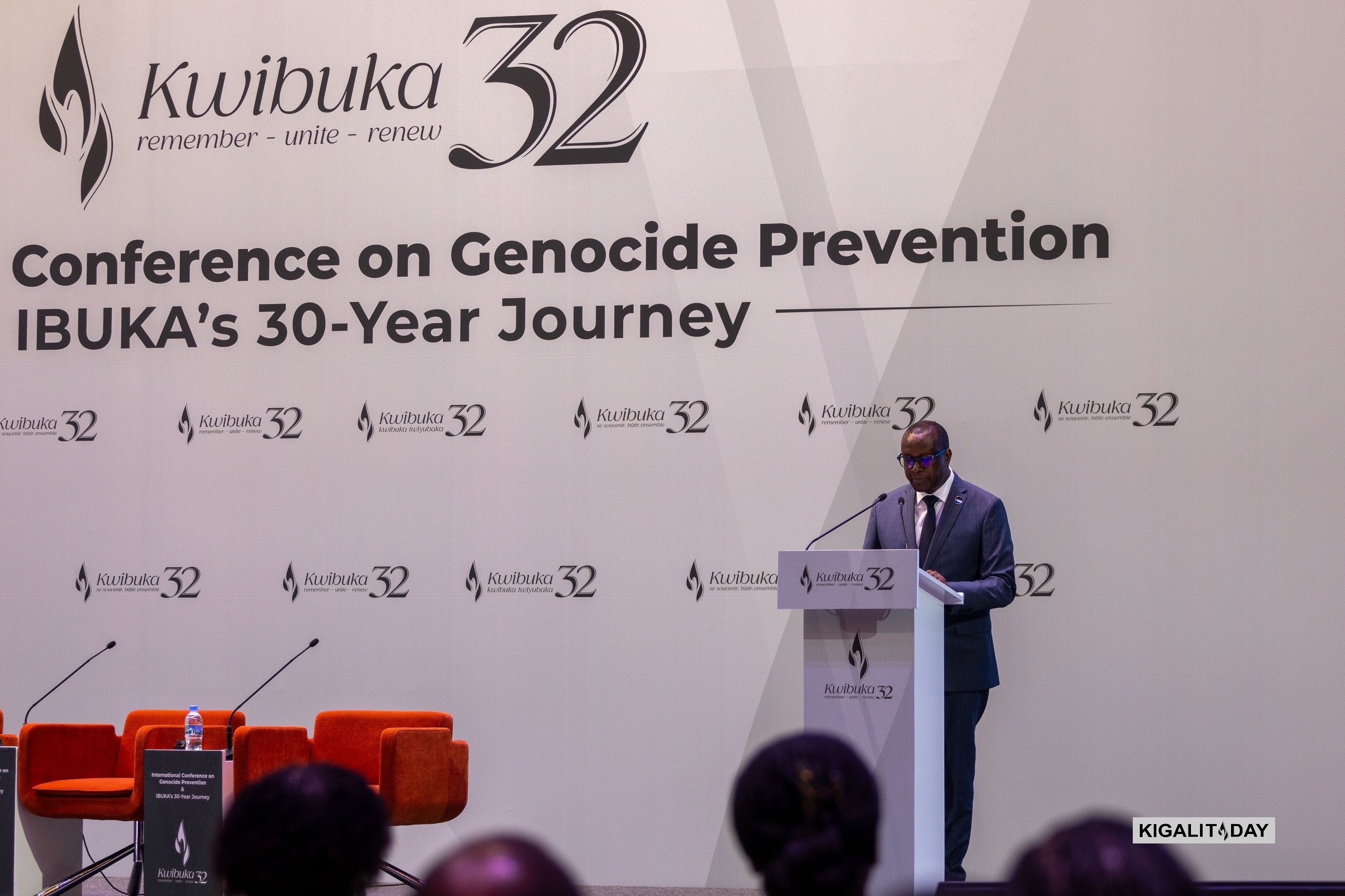
Rwanda’s Minister of National Unity and Civic Engagement, Dr Jean Damascène Bizimana
Legal expert Innocent Nteziryayo cited incidents dating back to the mid-1990s. These included orders forcing Banyamulenge to leave Uvira and Bukavu. He said these were followed by massacres.
“This ideology has continued unchecked after 1994,” he said. “Turning Congolese Tutsi and Banyamulenge into ongoing targets.”
Historian David Gakunzi said the rhetoric has gone further.
He argued that anti-Tutsi sentiment has been absorbed into national political narratives.
“Hostility toward Rwanda and the Tutsi has become embedded in narratives of national identity,” he said.
A social media user referencing remarks shared during the conference, warned that the danger is growing.
They wrote: “Genocide ideology is still spreading in our region. Left unchecked, it has the power to take us all backwards again.”
Prevention
The conference was organized alongside the 32nd commemoration of the genocide. It also marked 30 years of IBUKA, the umbrella body of survivor groups.
Organizers said the forum was not only about remembrance. It was also a call to confront present-day threats through education, vigilance and political will.
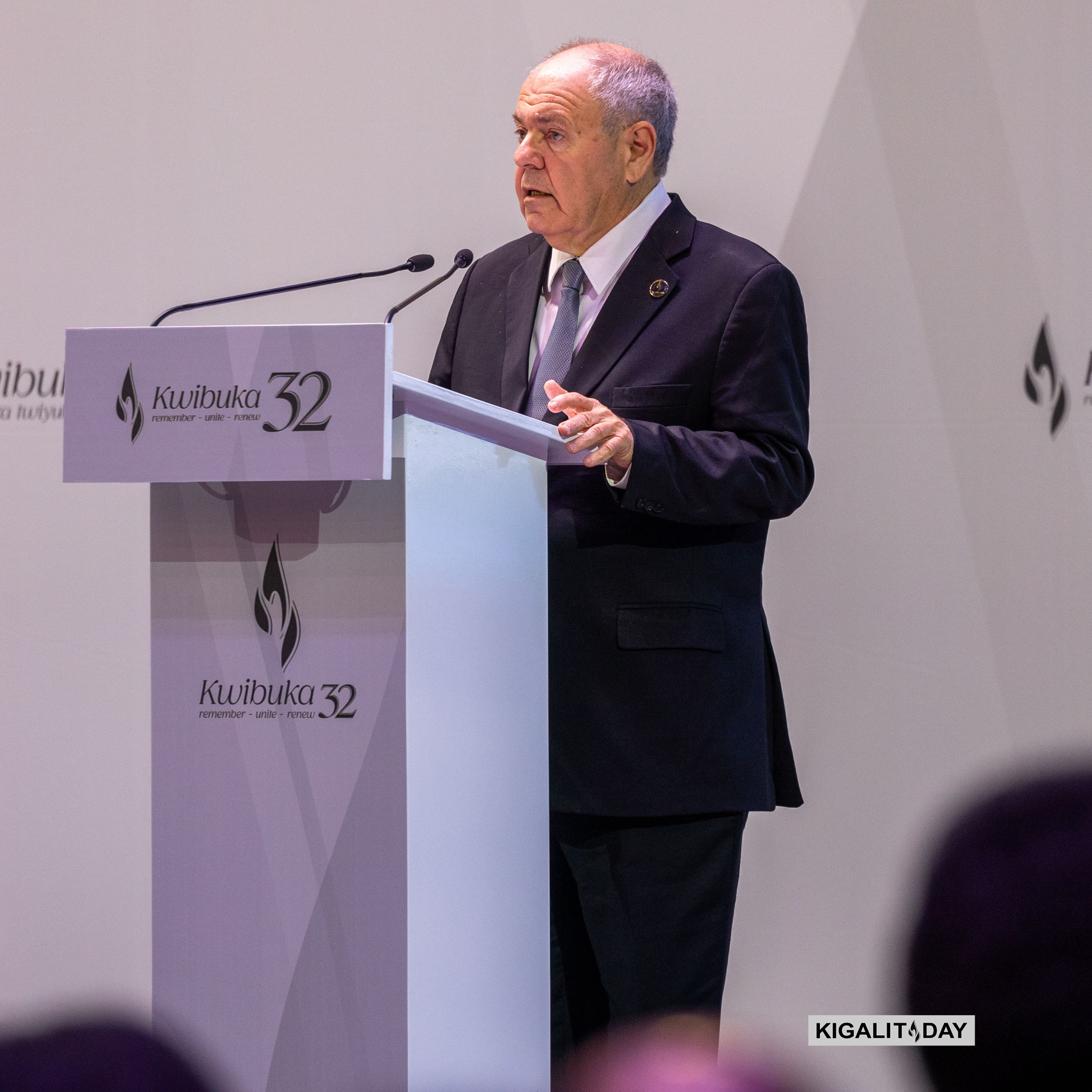
Ambassador Dani Dayan, chairman of Yad Vashem, the World Holocaust Remembrance Center in Jerusalem
Keynote speaker Ambassador Dani Dayan, chairman of Yad Vashem, the World Holocaust Remembrance Center in Jerusalem, emphasized that genocide begins with ideas.
“Never Again fails because of ignored early warnings, lack of political will and inaction,” he said. “Remembering is not enough. Prevention requires vigilance.”
He praised Rwanda’s recovery as a global model. He pointed to unity, education and rebuilding as key pillars.
Warning Signs to Action
Prof. Chaloka Beyani, the UN Special Adviser on the Prevention of Genocide and a renowned Zambian legal scholar, stressed the importance of acting early.
He warned against treating hate speech as protected expression when it fuels violence.
“Genocide is a process that takes time to plan and execute — therein lies an opportunity to prevent it,” he said.
Mr. Nteziryayo said the issue is not a lack of laws. “There’re millions of texts about genocide prevention,” he noted. “But implementation and political will is the issue.”
Dr. Bizimana added that no African country has prosecuted perpetrators of the 1994 genocide on its own soil, despite Rwanda issuing arrest warrants.
High-Level Presence
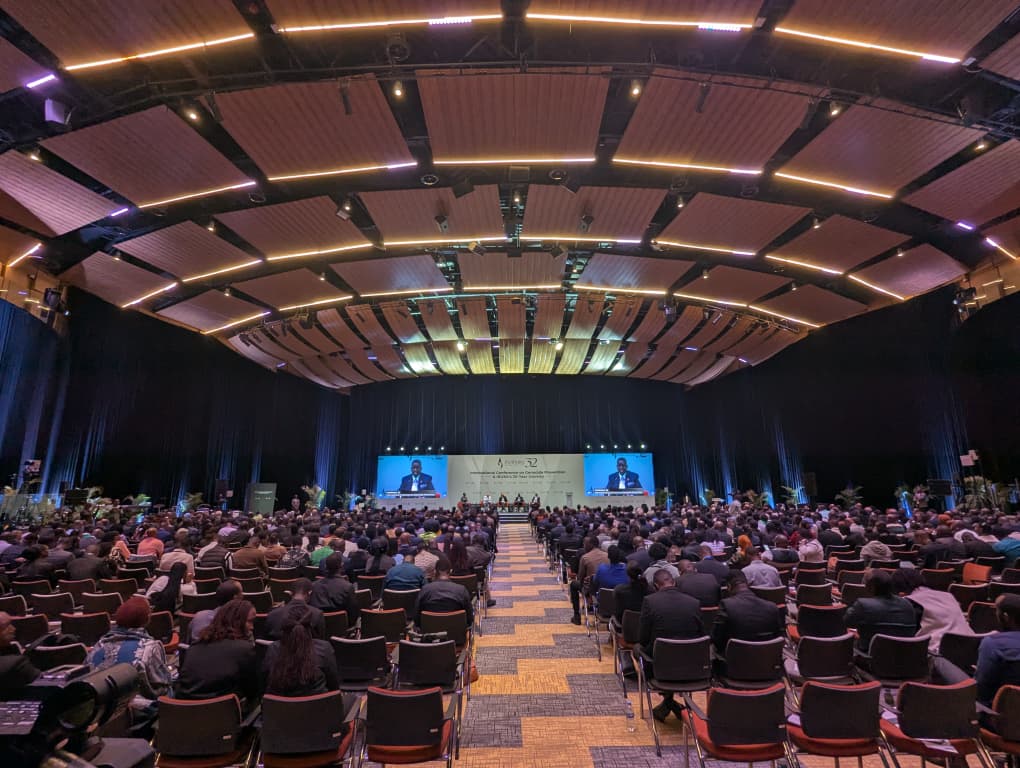
A cross-section of delegates at the conference
Rwanda’s First Lady Mrs Jeannette Kagame, attended as guest of honor.
She was joined by senior officials, diplomats, researchers and survivors. While she did not speak, her presence underscored the importance of the event.
French author Bruno Boudiguet also addressed the forum. He highlighted the regional spread of genocide ideology and referenced research on more than 30 massacre sites.
By the lunch break, the message from the conference was clear.
Speakers warned that the ideology that led to the 1994 genocide has not disappeared. They said it is still active in parts of the region, particularly in eastern Congo.
Participants called for stronger cooperation. They urged governments, civil society, media, youth and religious leaders to act together.
Their message was simple but urgent: “Never Again” must be enforced — not just remembered.
