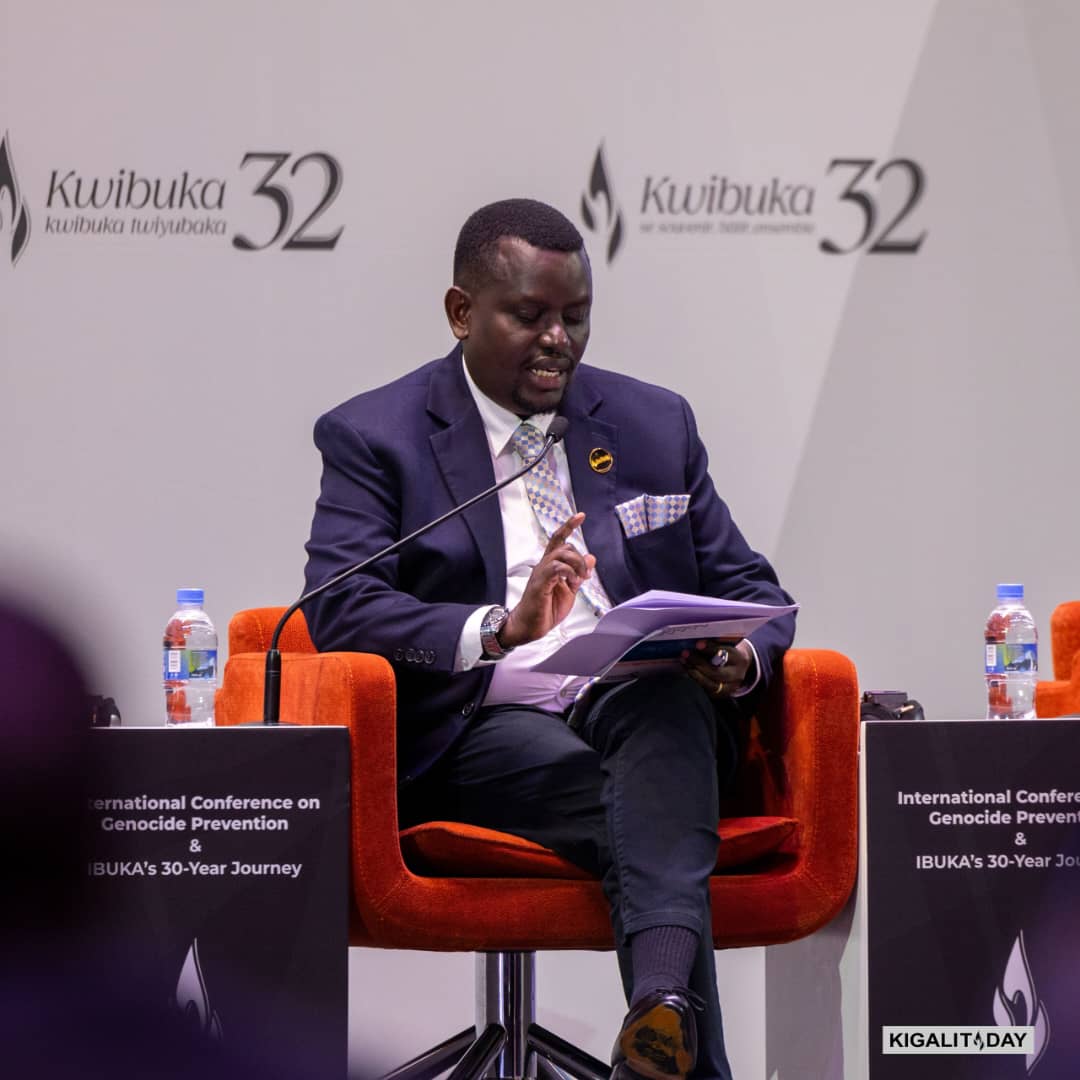
Human rights activist Innocent Nteziryayo presents evidence of systematic incitement and targeted hate speech against Banyamulenge communities in eastern DRC.
KIGALI — A human rights activist has warned of the escalating risk of mass atrocities in eastern Democratic Republic of Congo (DRC), pointing to sustained hate speech, targeted killings, and weak enforcement of laws meant to prevent such crimes.
Innocent Nteziryayo, a founding member of the Collectif des Avocats des Parties Civiles (CAPC), made the remarks during a panel on genocide prevention, where he presented a video documentary as evidence of what he described as an organised campaign of incitement.
The footage features various Congolese government officials, influencers, and military officers spreading hostile narratives against Banyamulenge communities.
“The common thread in the video is the hate speech being shared,” Nteziryayo told the audience. “They describe Tutsi Banyamulenge as enemies, foreigners, cockroaches, criminals — language that calls for their exclusion or elimination.”
He argued that such rhetoric has translated into violence on the ground, citing multiple incidents documented by his team. In April 2022, he said, “two women were tortured and mutilated… only because they are Tutsis.” In June 2021, “four women were shot dead during a peaceful protest,” while a 14-year-old boy was killed in October 2022.
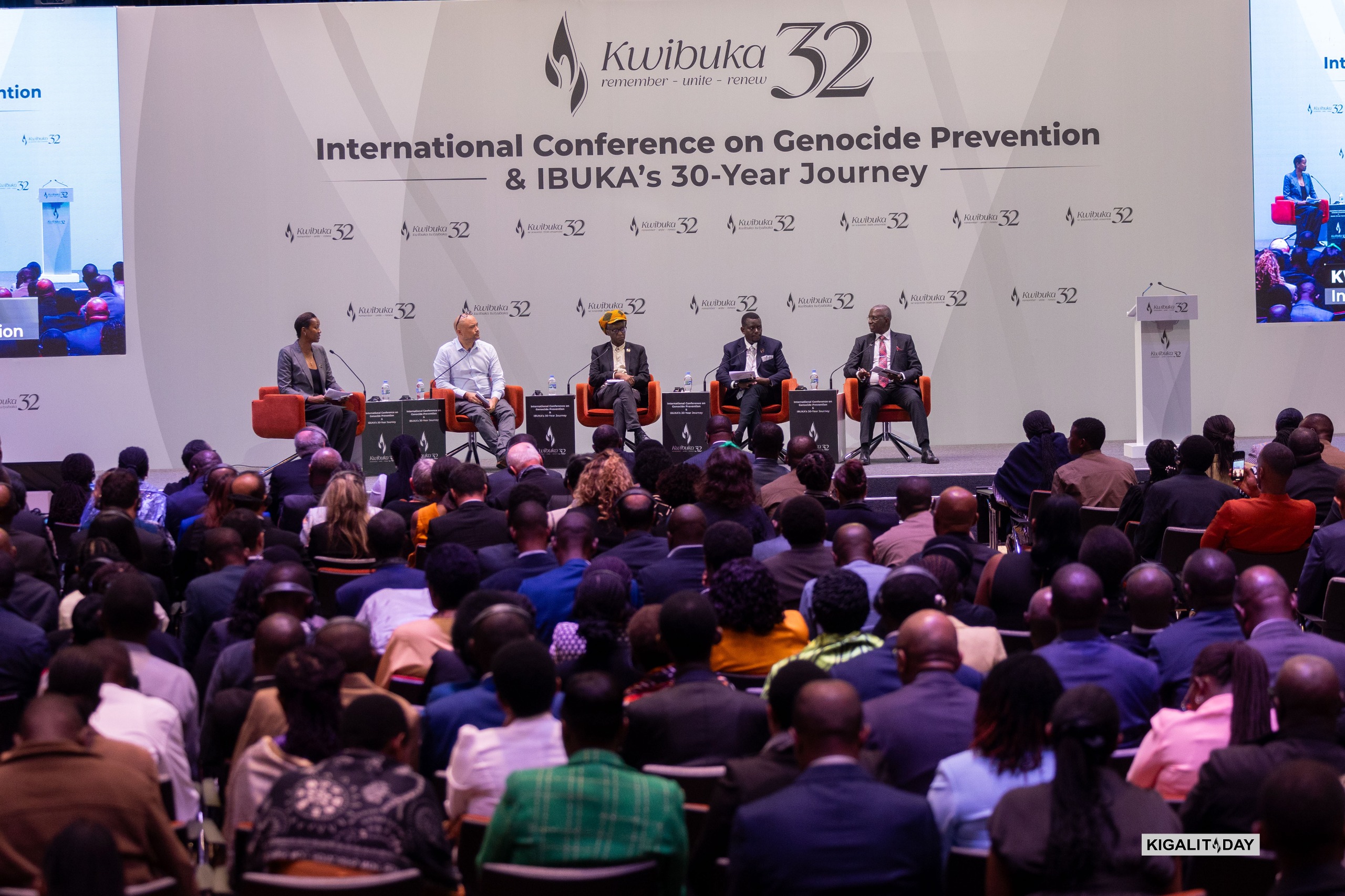
Nteziryayo also pointed to a pattern of mob violence, including lynchings of individuals in areas such as Minembwe and Goma, as well as destruction of homes and churches.
“These are not isolated acts,” he said. “Hundreds of Banyamulenge are detained without trial in Kinshasa, based on their identity.”
According to the activist, the situation has deteriorated further in territories like Uvira, where he said violence intensified following shifts in control. He described communities living under constant threat, with restricted access to basic necessities.
Despite the gravity of the situation, Nteziryayo stressed that legal tools to address such crimes already exist. “There are many texts about genocide prevention,” he said, referencing international frameworks such as the International Criminal Court (ICC) as well as domestic laws criminalising hate speech and incitement.
“The legal framework is not the issue. The implementation is the issue. The political will is the issue,” he emphasised.
CAPC is a group of lawyers dedicated to representing victims of human rights violations in eastern DRC, including mass crimes, ethnic targeting, and survivors of genocide. The organisation represents minority communities—including Banyamulenge, Tutsis, and Hema—seeking judicial accountability.
“When they spread these messages on social media, we documented them, we downloaded them,” Nteziryayo said. “Till today, we are waiting for justice.”
Nteziryayo concluded with a call to action, urging the international community to respond before the situation worsens. “Anyone… can do something to change the life of Tutsi Banyamulenge,” he said.
He also drew a chilling parallel with history, noting that the systematic planning behind the 1994 genocide against the Tutsi in Rwanda provides a stark warning for the international community. “The same patterns of dehumanisation, exclusion, and targeting of a population were present before 1994. We must remember that genocide doesn’t happen overnight—it is built step by step,” he said.
The warning comes during Kwibuka 32, Rwanda’s national commemoration of the 1994 genocide against the Tutsi, which serves as both remembrance and a global call to prevent mass atrocities. Nteziryayo’s remarks underscored the importance of vigilance, justice, and proactive intervention to ensure that history does not repeat itself.