



At the entrance of Gahini Hospital, gender equality and equity are not abstract concepts—they are the subject of a heated debate between a female security guard and a group of motorcycle taxi riders.
The argument is simple, yet deeply complex: who does what at home, and who bears responsibility for the family?
“Everyone is responsible, and no job is meant for a woman or a man. We cannot accept being undermined again,” the guard shouts as the riders laugh about it, before abruptly ending the discussion to clear the way for incoming patients.
This exchange reflects one of the most common—and most misunderstood—debates in Rwanda. As the country strives to achieve gender balance at all levels, misconceptions about gender equality remain widespread.
Some observers have linked the rising number of divorces and separations to couples’ inability to communicate, plan together, and clearly understand shared roles.
In some cases, gender equality is perceived as having been taken too far, allegedly destabilizing family life and contributing to marital breakdowns.
A Different Story in Kayonza:
In Kayonza District, however, a different narrative is unfolding—despite the district once sharing many of the same misconceptions common across the Eastern Province.
Traditionally, women were expected to be obedient, excluded from land ownership and financial decisions, and burdened with all household chores, while men were regarded as unquestioned heads of households, free to spend time and money as they wished.
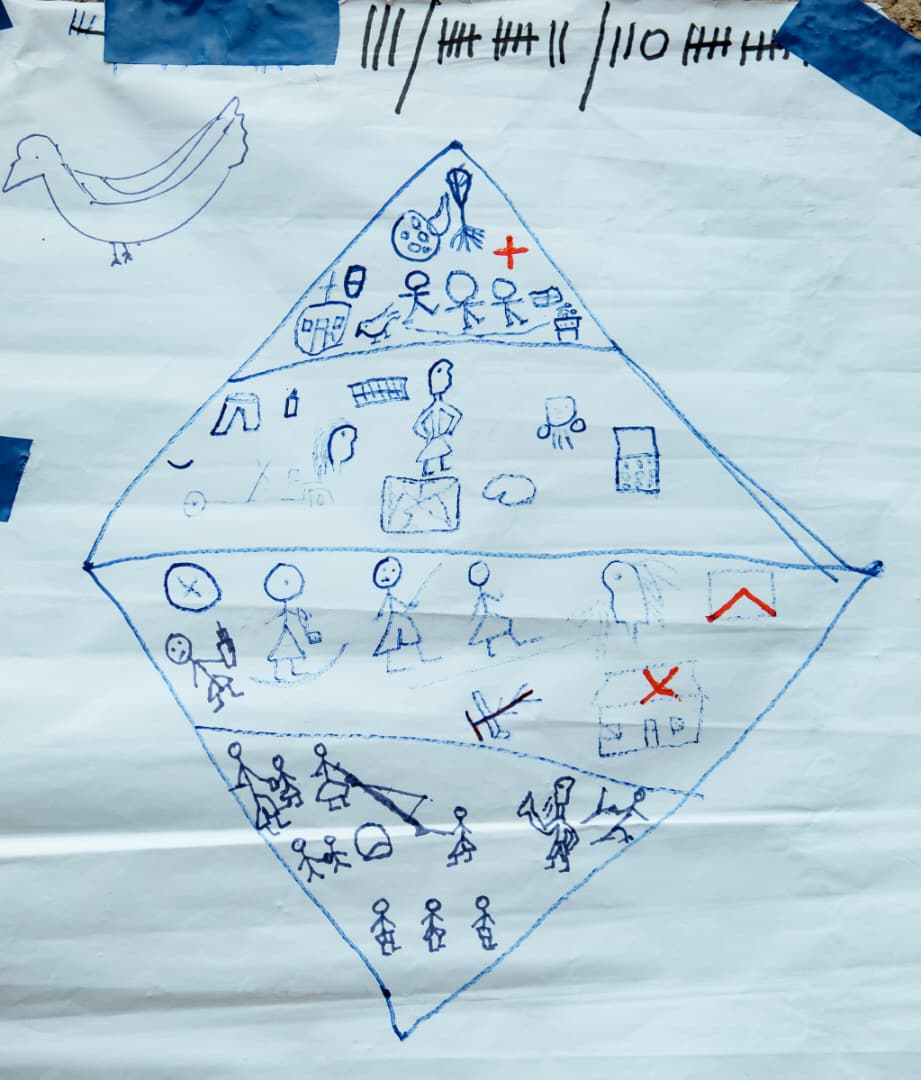
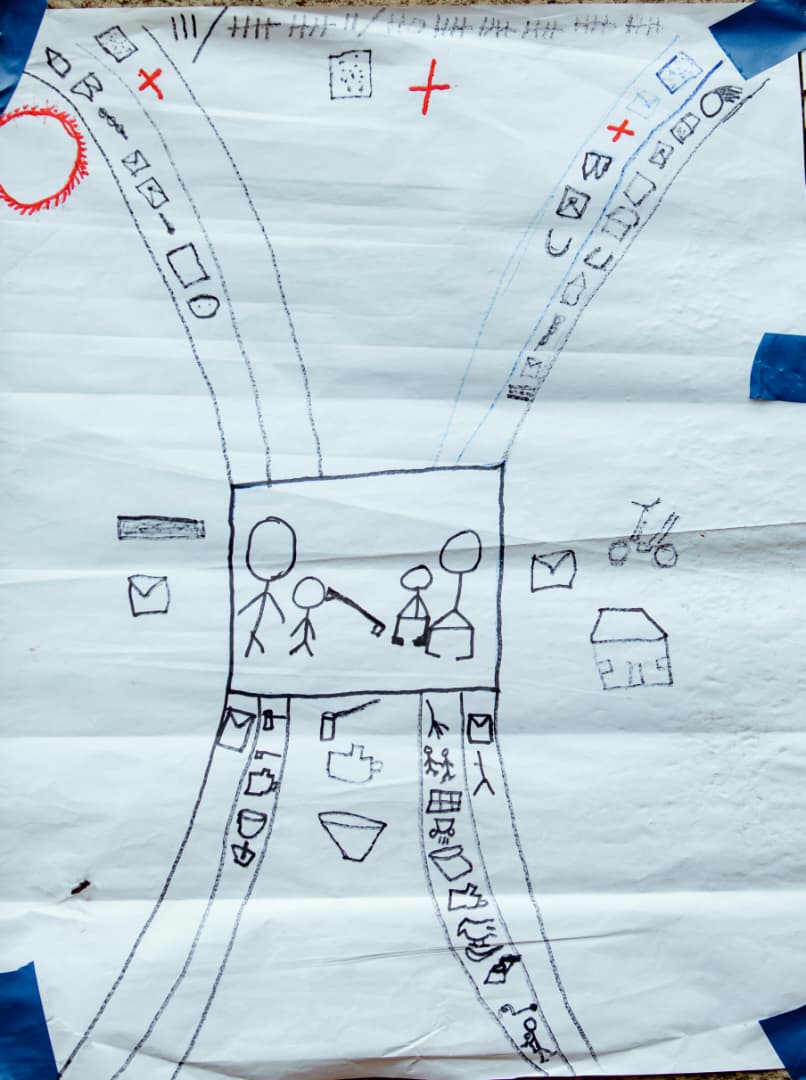
This mindset has gradually shifted through the use of adapted Gender Action Learning System (GALS) tools, which rely on simple drawings to help families visualize their dreams, define roles, and measure progress toward equality and equity.
The approach uses three core tools:
- Vision Road Journey (VRJ): helps individuals and families plan step-by-step toward life goals and a better future;
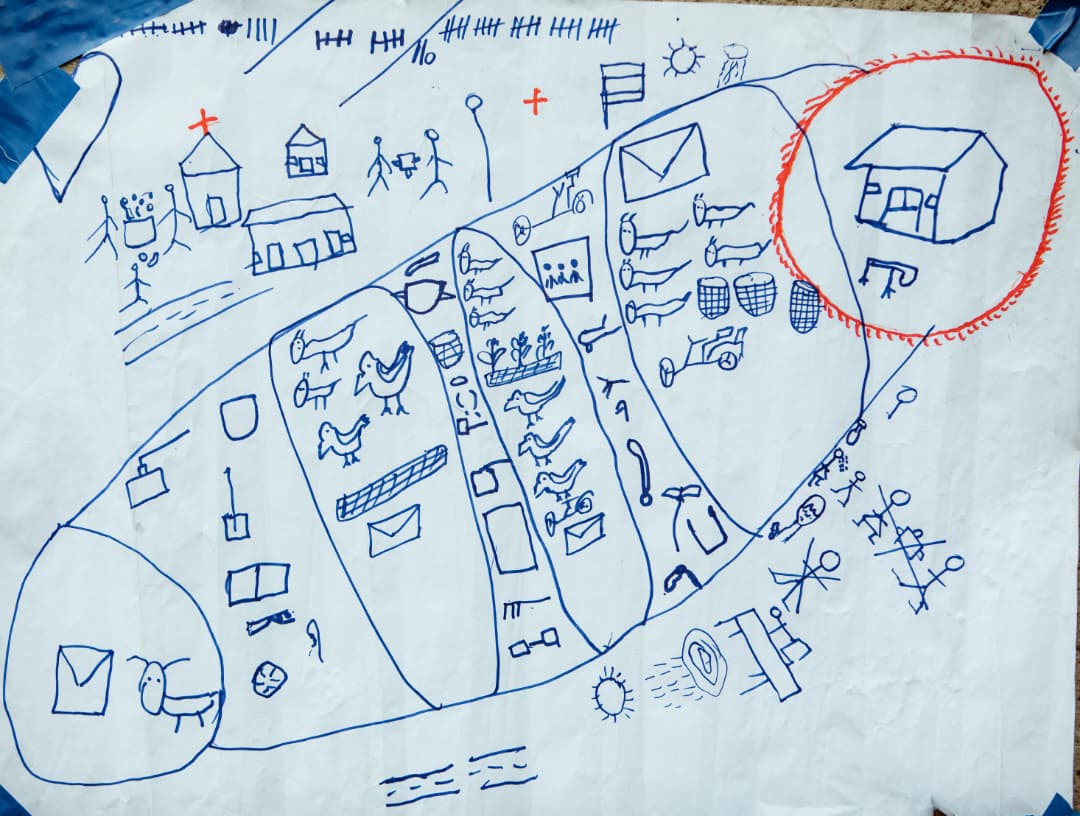
- Diamond Dream (DD): encourages open discussion of lived experiences and hidden gender inequalities;
- Gender Balance Tree (GBT): highlights strengths, weaknesses, and shared responsibilities within households.
Together, these tools have helped correct misconceptions about gender equality, strengthened household economic empowerment, and enabled young people to approach marriage with clearer goals and shared expectations.
From Skeptic to Champion:
“I wondered what these drawings meant and how they could help. It felt like a joke—using drawings to build a family,” recalls Donat Musabyumuremyi, a father of three from Kabarondo Sector.
Donat joined the GALS program after years of wasteful spending, which he once attributed to a family curse and his upbringing in a broken home. Concerned about his lifestyle, his sister—also a GALS beneficiary—encouraged a trainer to involve him in the program.
Desperate for financial change, Donat chose the economic planning tool, a decision that marked a turning point in both his life and marriage.
“As a born-again Christian, I used to spend hours praying for the curse of wasteful expenditure to leave me,” he says. “I didn’t realize the curse was in the mind—not being able to plan.”
Before the training, Donat controlled all household income, including his wife’s salary.
“I used to take my wife’s entire salary and decide alone how to use it,” he admits.
The result was constant conflict. His wife became stressed and ill, suffering from ulcers and weight loss, while tension dominated their home.
Donat believed this was normal—until the GALS economic tool helped him understand the damage caused by years of unilateral decision-making.
Through the training, he learned the value of joint financial planning. After receiving Rwf97,000 during a training in Ngoma District, Donat resisted his old habits. Instead of spending it impulsively, he combined it with household income to train as a caterer.
Today, his wife has recovered her health, their children attend school, and the family earns income through catering services alongside his wife’s contributions.
“We are now a happy ‘diamond family,’” Donat says proudly. “I am also a GALS trainer, helping other men. If couples learned this before marriage, families would be peaceful and practice both equality and equity.”
Redefining Roles for Women and Men:
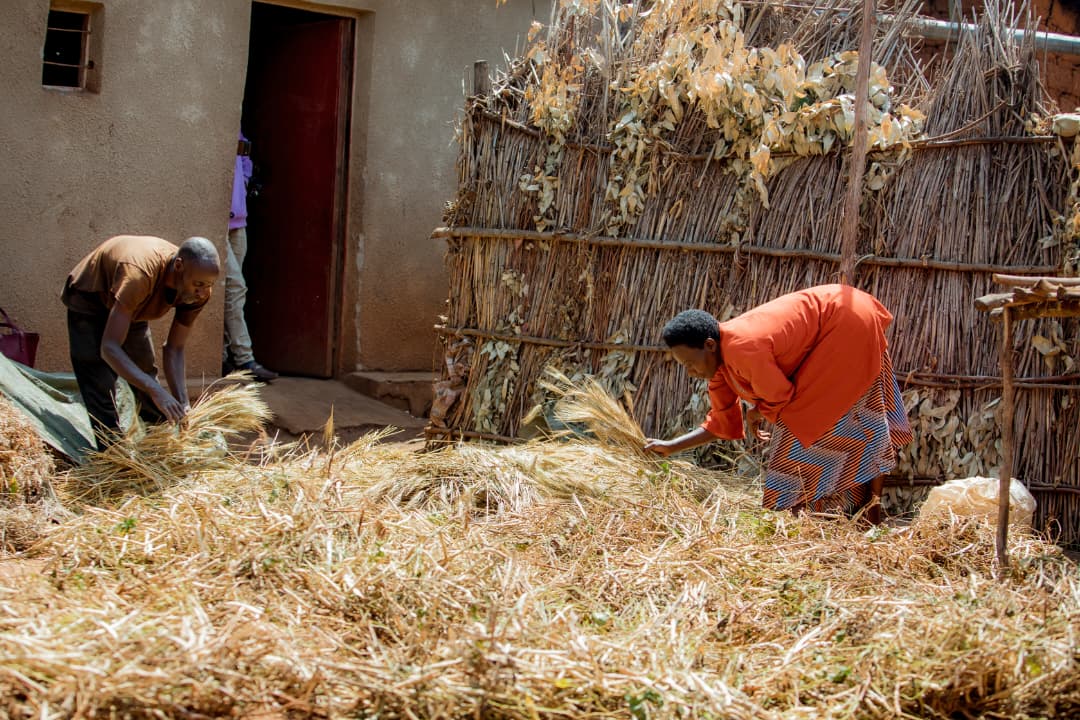
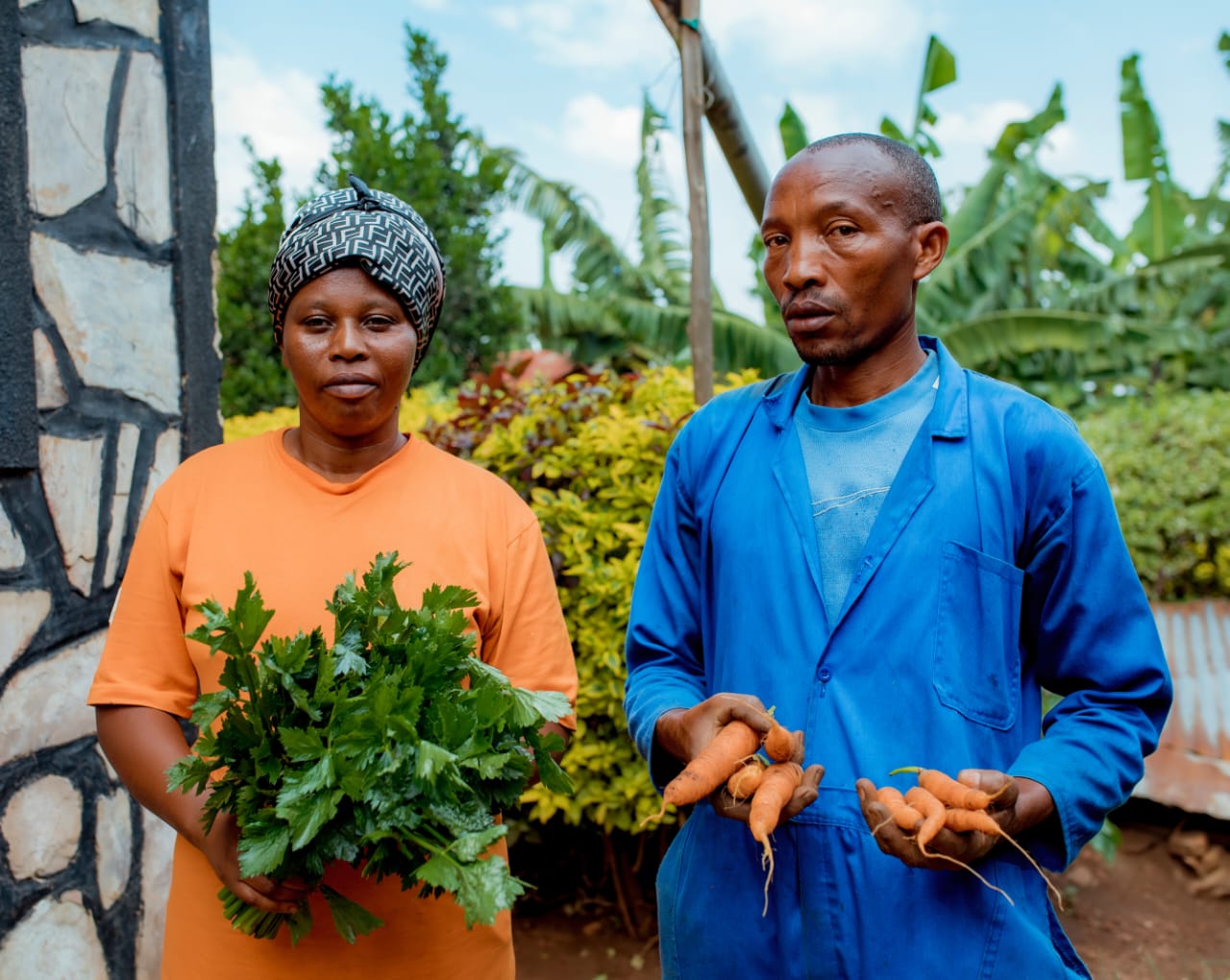
Odette Nyirahabimana and Pascal Ntirimeninda now work together
In Gahini Sector, Odette Nyirahabimana shares a different but equally transformative experience. She explains how she once misunderstood gender equality, equating it with avoiding responsibility at home.
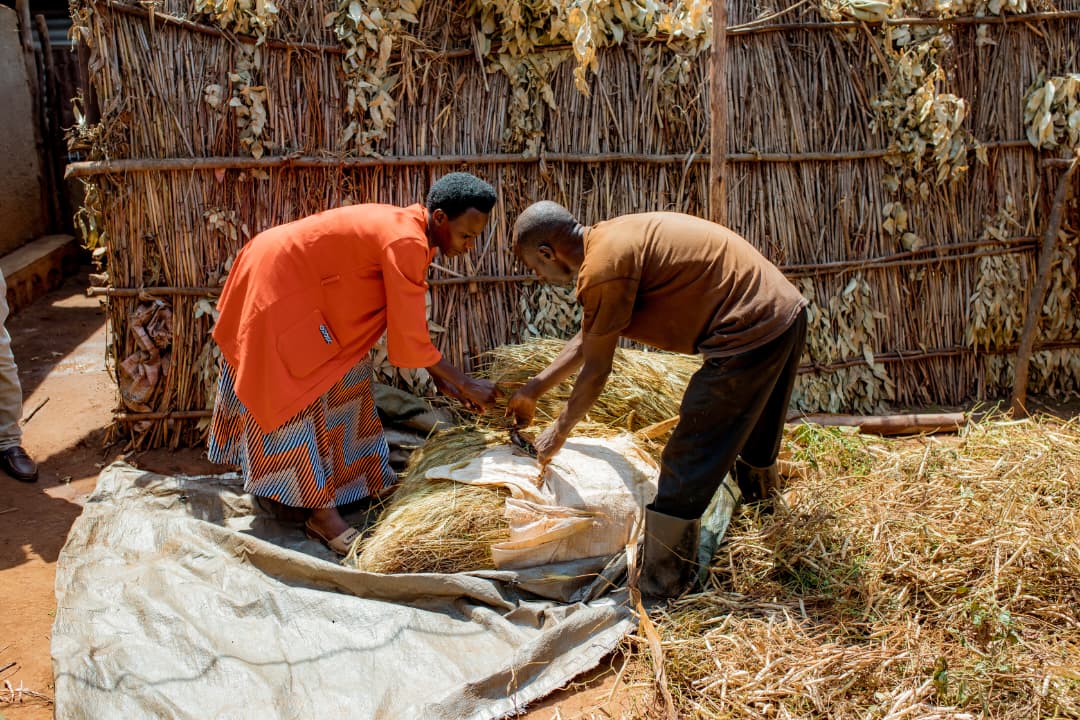
“I used to leave almost all household and farming work to my husband,” she says. “Even after farming together, he would fetch water, firewood, and forage while I rested.”
Through GALS tools, Nyirahabimana realized that her behavior—though unintended—was exhausting her husband, Pascal Ntirimeninda, who never complained.
Today, the couple plans together and has achieved shared goals, including buying land, paying school fees, and building a decent house.
“The program opened our minds,” she says. “I can now even buy land on behalf of the family, and my husband cannot spend unless we decide together.”
A Community-Level Shift:
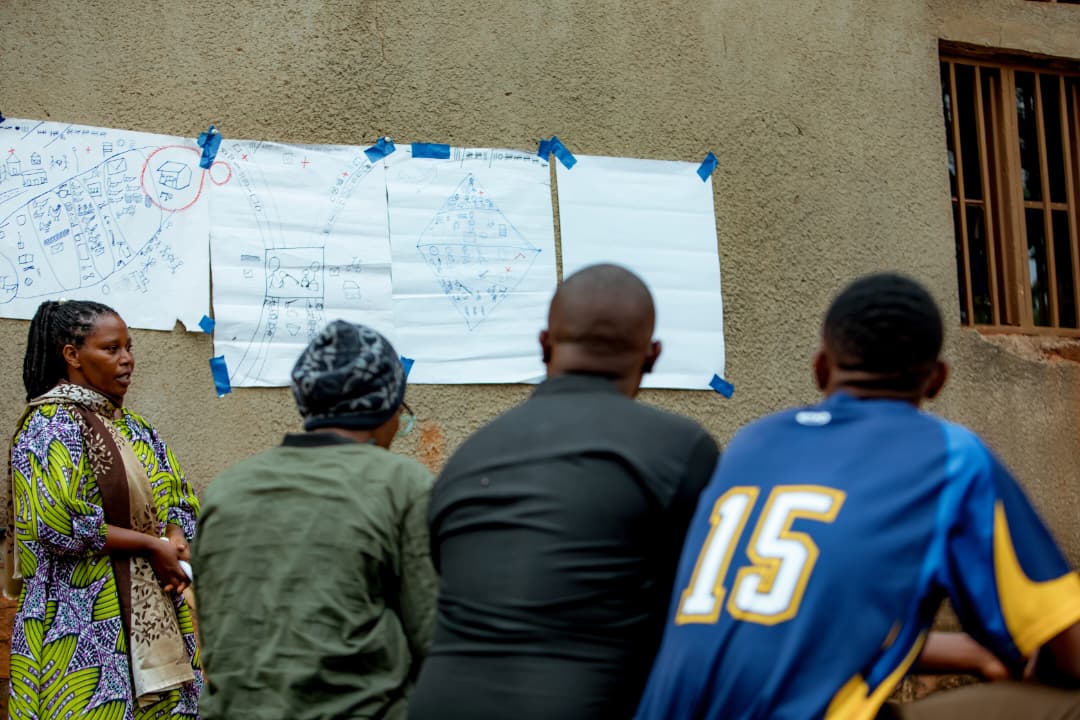
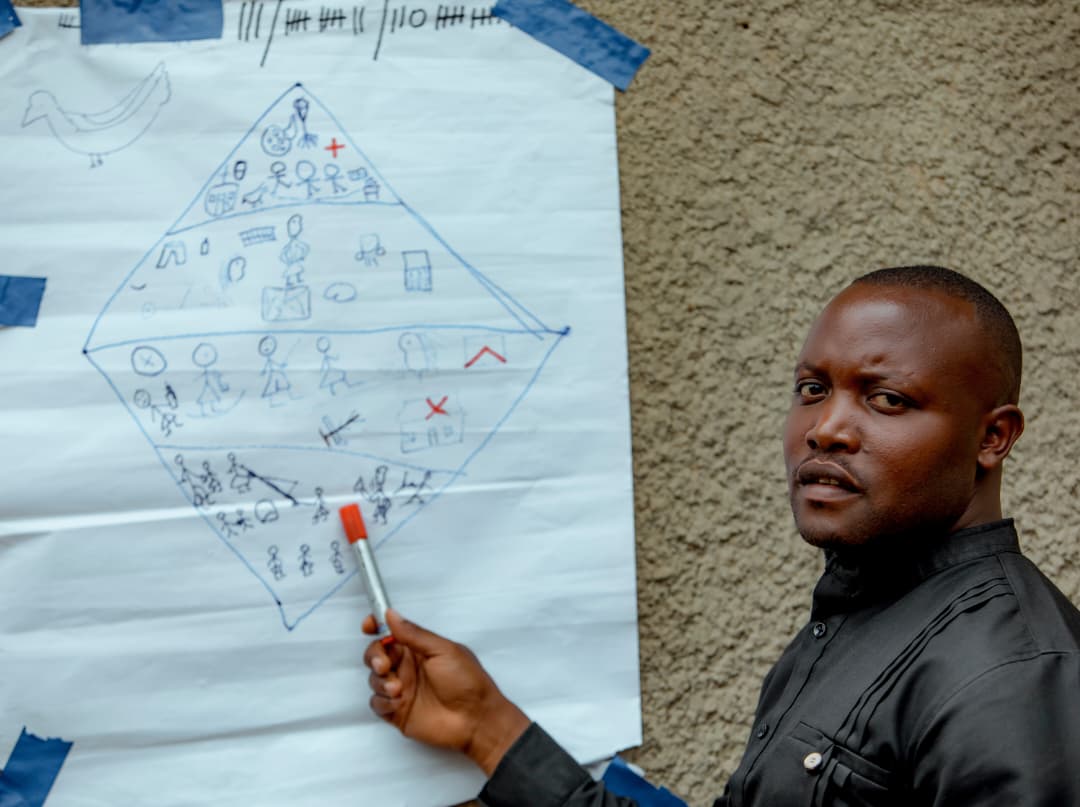
Beatha Uwaritatse explains how the 3 tools work
According to Beatha Uwaritatse, a GALS coordinator in Kabarondo Sector, the program differs from conventional gender training by engaging both men and women equally.
“Instead of blaming men or trying to compensate for past injustices, the tools highlight both strengths and weaknesses,” she explains. “This leads couples to take joint action—planning, working together, and communicating openly.”
Uwaritatse has applied the tools in her own family. Through weekly meetings with her spouse, they now plan spending together, rear livestock, and grow food sustainably.
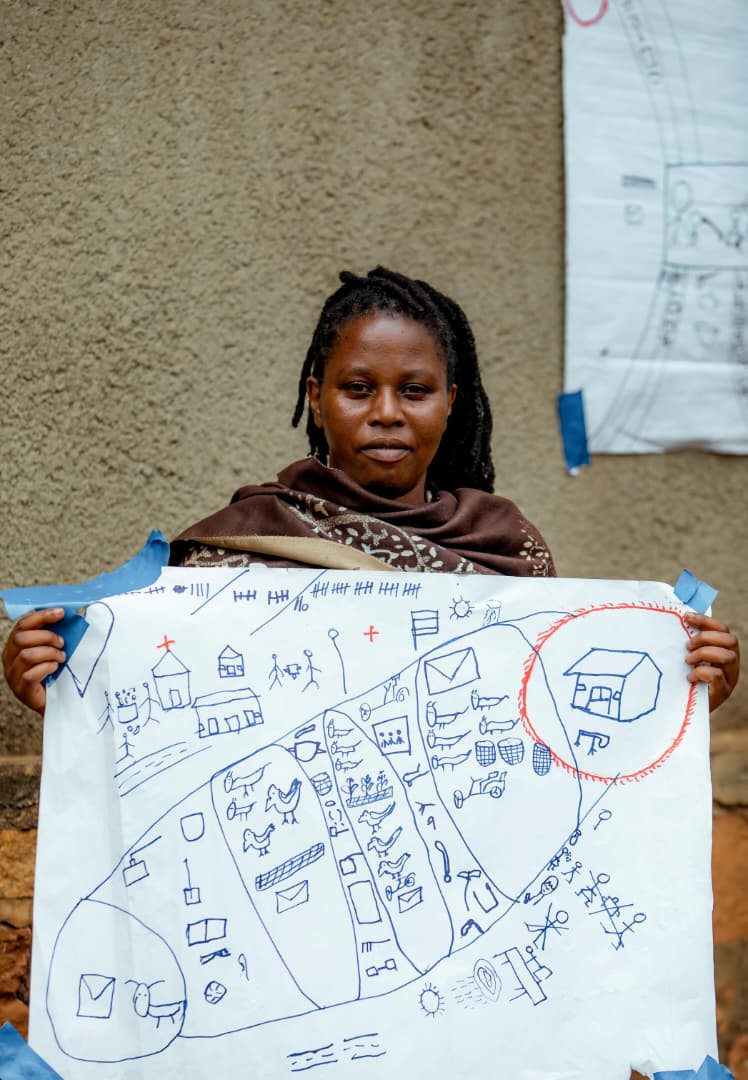
Beatha Uwaritatse
The GALS program is part of the IFAD-funded Kayonza Irrigation and Integrated Watershed Management Project Phase II (KIIWP2), which aims to improve climate resilience among farmers in drought-prone areas. Since its introduction, uptake has grown significantly across 13 sectors.
Between 2022–2023 and 2025–2026, beneficiaries increased from 1,121 to 22,191 people, with the highest participation in Ndego, Murama, Mwiri, and Murundi sectors.
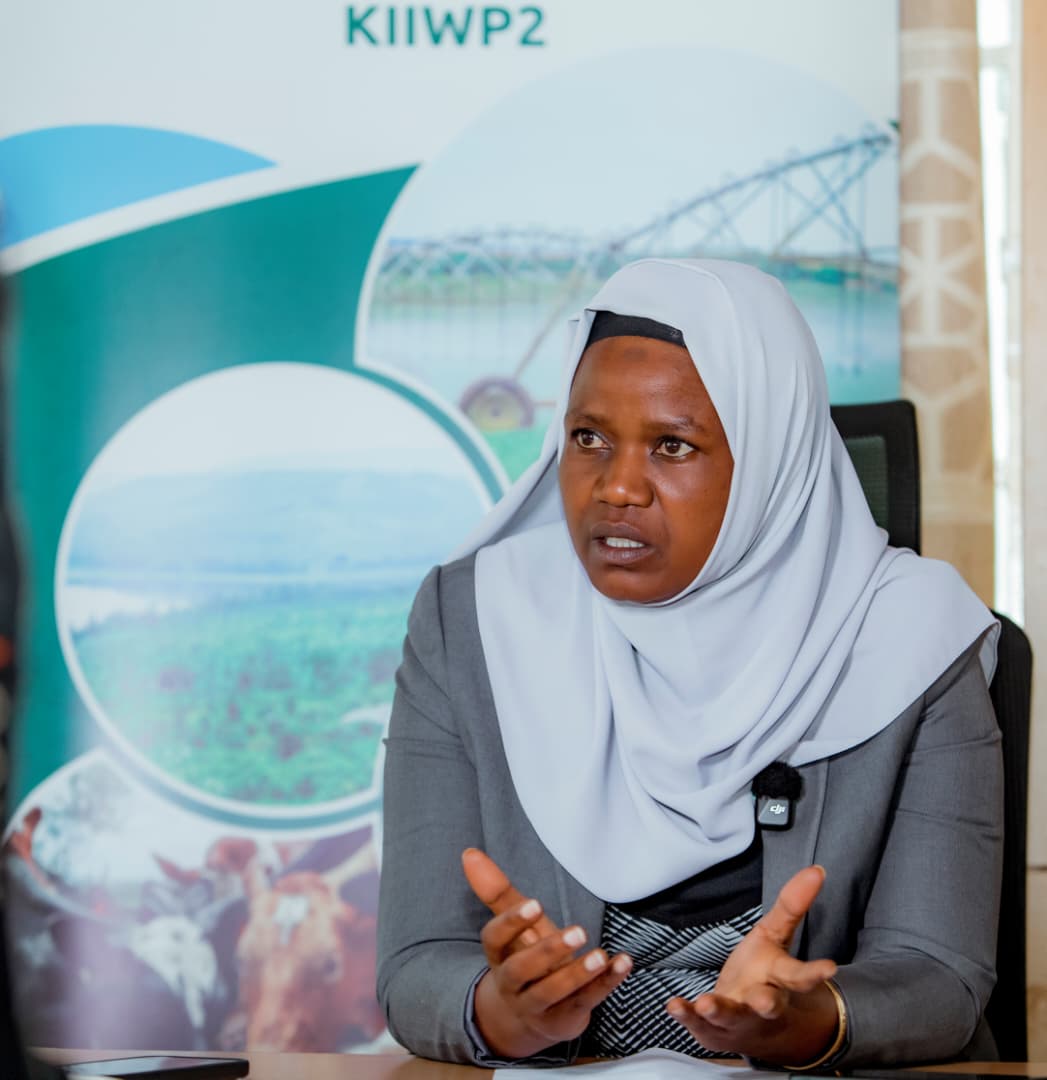
Shakilah Gisa
Shakilah Gisa, KIIWP2 Community Development, Gender, and Youth Inclusion Specialist, notes that since 2022 the project has trained 1,200 GALS champions, each reaching at least 20 others.
“At a very low cost and within a short time, GALS became a solution in Kayonza, where gender equality discussions were once rejected outright,” she says. “Now, men see equality not as an attack on men, but as shared responsibility and accountability.”
Impact Beyond the Household:
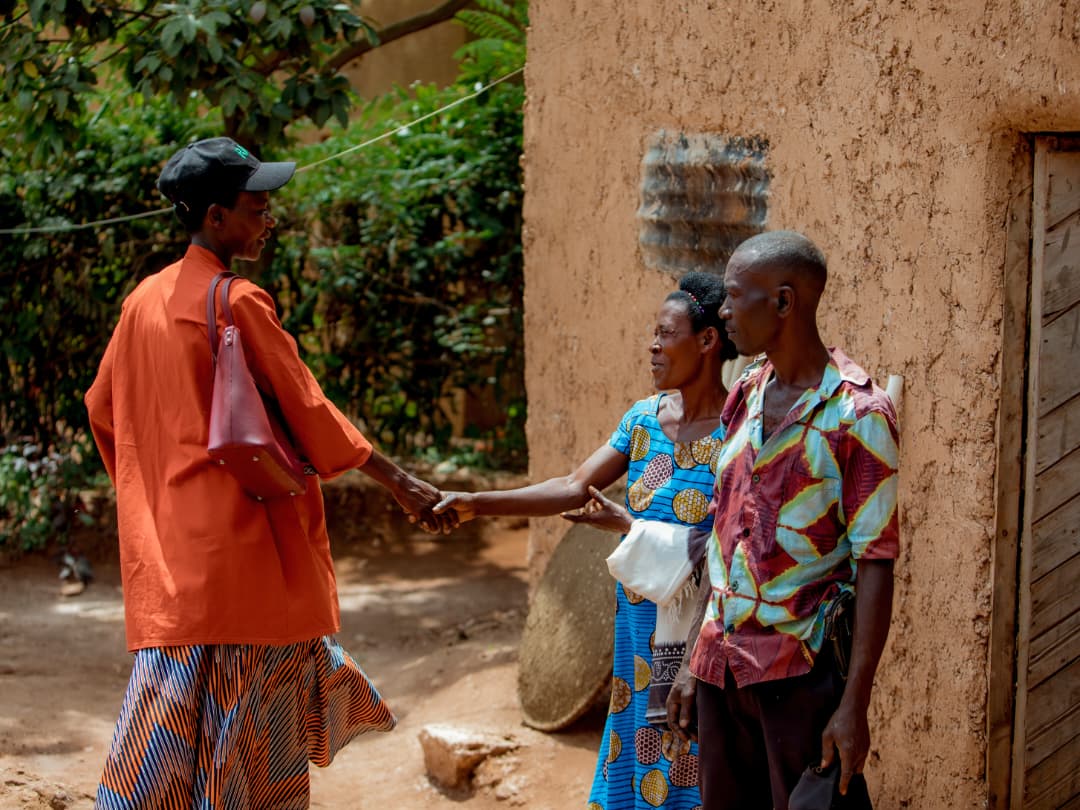
GALS has contributed to poverty reduction by promoting planned household spending and economic cooperation. It has strengthened livelihoods by helping couples define expectations beyond cultural norms and food availability.
GALS Champs like Nyirahabimana and Uwaritatse have also gone an extra mile to help neighbouring families to join and benefit from the tools, but also share benefits and best practices with the community.
Catherine Tunga, Kayonza District Coordinator for the National Women Council (NWC), says the approach has rebuilt unstable families into peaceful and progressive ones.
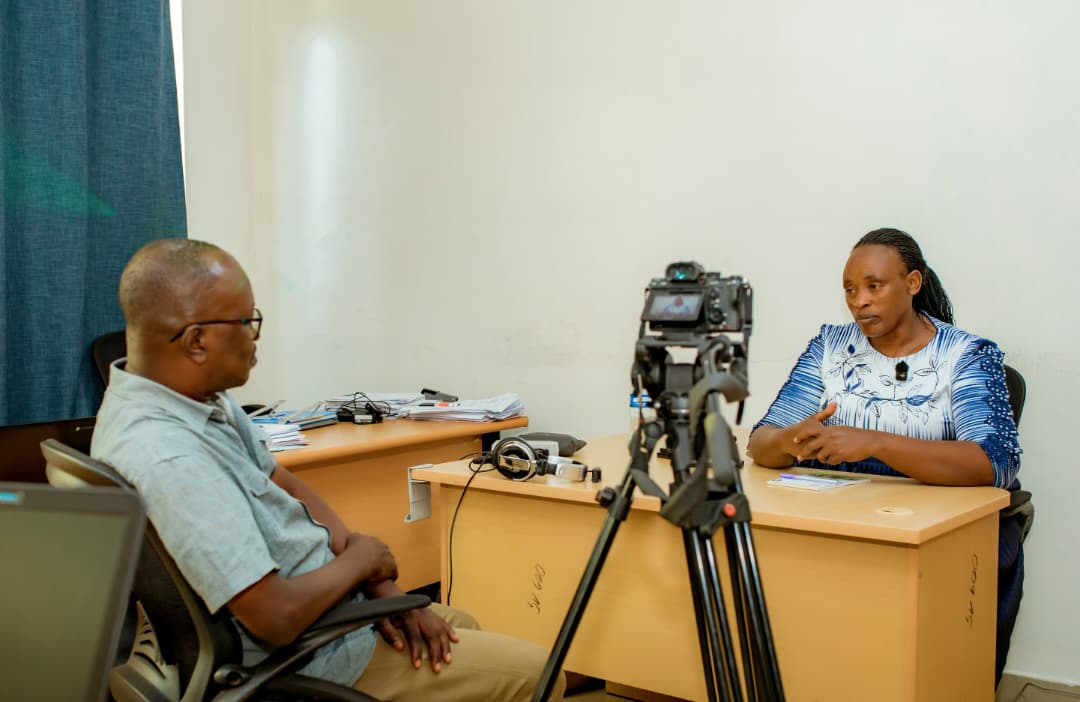
Catherine Tunga (right)
Of the recent 1,000 beneficiaries, about 800 have chosen to formalize their marriages after seeing improved relationships and increased family resources.
Couples now jointly participate in Village Savings and Loan Associations (VSLAs), with some households accessing up to Rwf15 million in credit.
This progress stands out against national divorce statistics, where 2,674 divorces were recorded in the 2024/2025 judicial year—a slight decline from 2,833 in 2023/2024. Gender-related disputes remain among the most common civil cases in Rwandan courts.
“We hope to sustain this program through trained champions and teaching aids already embedded in communities,” Tunga says. “It has empowered women to lead and balance their triple roles as wives, workers, and mothers.”
Looking ahead, the GALS model is expected to be scaled up in the second phase of the RDDP2 project, covering 27 districts and building on successes achieved in 14 districts between 2016 and 2026, with strong emphasis on gender and youth inclusion.