




ADDIS ABABA — Eight years ago, African leaders rallied behind a rare idea: that the continent could finally begin trading more with itself, flying more easily between its cities, and paying for its own institutions.
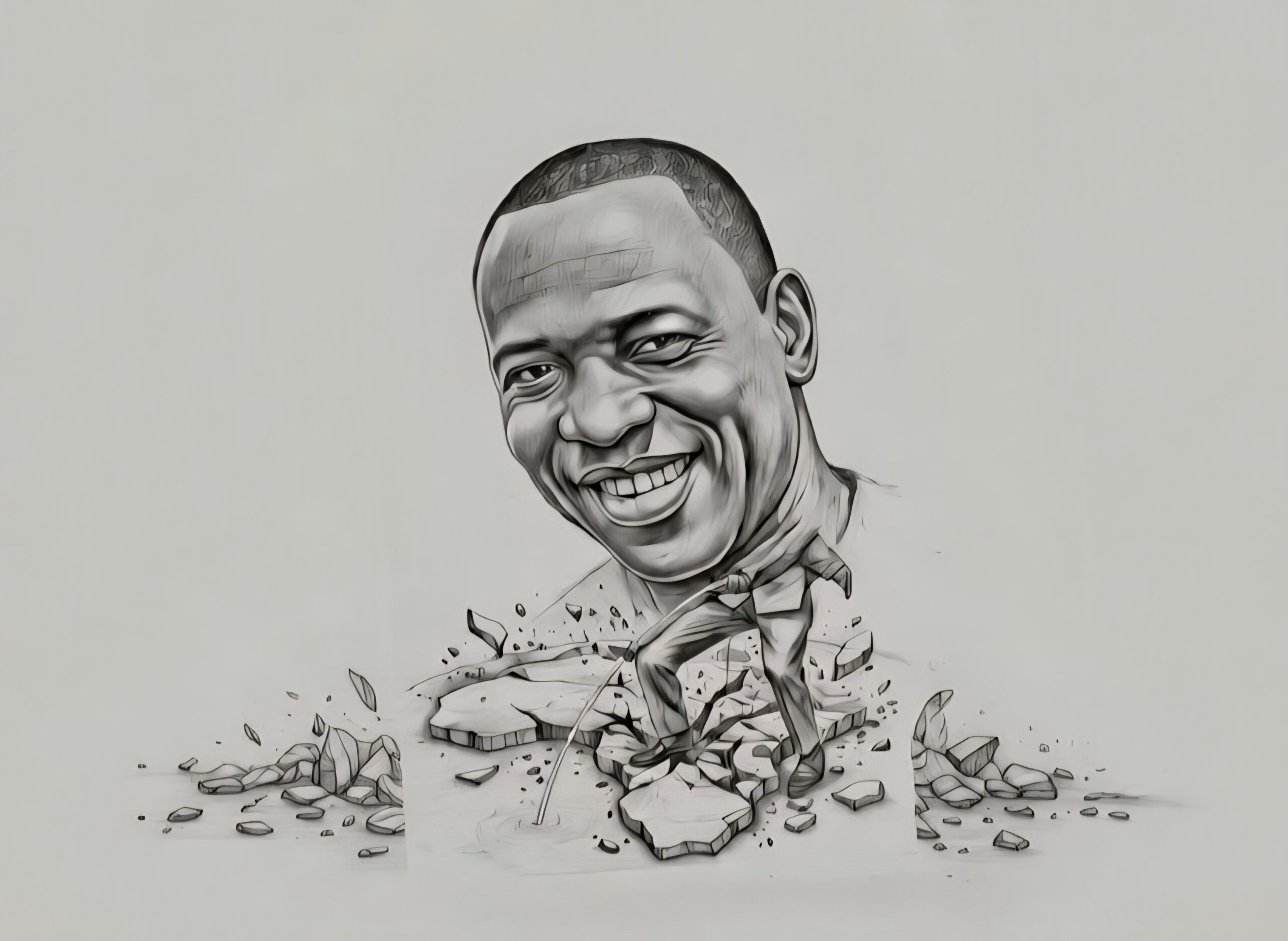
The AU is becoming a different as it makes reverse gear of everything
Today, as the African Union enters 2026 under the chairmanship of Burundi’s President Évariste Ndayishimiye, that momentum feels increasingly fragile.
The contrast with the reformist surge launched in 2017 by Rwanda’s Paul Kagame could hardly be sharper.
Back then, Mr. Kagame was handed a blunt mandate: fix the African Union or risk its irrelevance.
His report, The Imperative to Strengthen Our Union, exposed an organization weighed down by bureaucracy, dependent on external donors for more than 60 percent of its budget, and burdened by over 1,500 unimplemented decisions. As reform champion—and later chair—Mr. Kagame pushed through changes that redefined how the union worked and what it aspired to become.
A 0.2 percent levy on eligible imports was introduced to fund African priorities with African money. Annual summits were cut from two to one. Agencies were merged. Recruitment was professionalized. The AU narrowed its focus to peace and security, economic integration, governance and Africa’s global voice.
But the reforms were not merely technocratic.
They were meant to make Africa feel smaller.
In January 2018, leaders launched the Single African Air Transport Market, promising cheaper fares and direct routes between cities long connected only through Europe or the Gulf. Airlines expanded regional networks, and projections suggested fares could fall by as much as 25 percent.
Two months later, in Kigali, 44 heads of state signed the African Continental Free Trade Area, now covering 1.3 billion people and more than $3 trillion in combined economic output. The goal: remove tariffs on 90 percent of goods, double intra-African trade and create tens of millions of jobs.
For a moment, Africa appeared to be pivoting—from aid dependence to self-reliance, from fragmentation to integration.
“It felt historic,” recalled a former AU official. “There was a sense the continent was finally moving in one direction.”
A Different Africa in 2026
That optimism now collides with a harsher reality.
On February 14, at the summit in Addis Ababa, Mr. Ndayishimiye formally assumed the rotating AU chairmanship from Angola’s João Lourenço.
His presidency arrives amid stalled reforms and rising regional tensions.
Only about 40 percent of countries have fully operationalized the open-skies agreement. AfCFTA implementation remains uneven, with roughly 30 percent of tariff liberalization achieved. Collection of the self-financing levy is patchy.
More troubling is the political symbolism.
Mr. Ndayishimiye presides over a country that human rights organizations describe as quietly unraveling. Since 2015, Burundi has experienced repeated waves of repression and displacement.
Tens of thousands of Burundians have fled into Rwanda and Tanzania, escaping what refugees describe as a system that arms civilian youth militias and encourages them to terrorize neighbors—turning village disputes into campaigns of fear.
Rights groups accuse Burundi’s ruling party of mobilizing its Imbonerakure youth wing to intimidate communities, conduct arbitrary arrests and enforce political loyalty. The government denies the allegations.
Inside Burundi, critics say faith has been substituted for policy. Mr. Ndayishimiye routinely urges citizens to pray for miracles to overcome hardship, even as international institutions consistently rank the country among the poorest on earth.
While the World Bank and United Nations classify Burundi as deeply destitute, the president tells Burundians in weekly nationally televised speeches that they live in “Eden.”
The disconnect has become emblematic of his rule.
Regional Alliances, Rising Risks
The implications extend far beyond Burundi’s borders.
Mr. Ndayishimiye has aligned militarily with Félix Tshisekedi of the Democratic Republic of the Congo, deploying more than 10,000 Burundian troops to eastern Congo.
Human rights researchers say Burundian forces and allied militias have been implicated in attacks on Banyamulenge communities in South Kivu, contributing to mass displacement, village burnings and cattle seizures. Banyamulenge leaders describe the campaign as systematic; Burundi rejects the characterization.
Mr. Tshisekedi’s own rhetoric has alarmed diplomats. He has publicly referred to sections of his population as “foreigners” and suggested that women from neighboring countries are morally corrupt and should not be married—language activists say inflames ethnic tensions in a region already scarred by genocide and proxy wars.
Yet Mr. Tshisekedi’s government now holds influential international roles, including leadership within the International Conference on the Great Lakes Region and a rotating seat on the United Nations Security Council.
Critics argue that this risks exporting domestic radicalism onto global platforms.
At the same time, Burundi has sealed its land border with Rwanda since 2024, cutting trade and separating families.
In late 2025, it also closed crossings into Congo as fighting neared Bujumbura. What was once a project of connectivity is increasingly defined by containment.
“This is the opposite of what the AU reforms were meant to achieve,” said a Nairobi-based regional analyst. “We are watching borders harden again.”
Isolation
Mr. Kagame’s reform era emphasized mobility: African passports, freer movement of people and goods, and diplomacy aimed at reducing conflict.
Mr. Ndayishimiye’s chairmanship begins amid rhetoric of sovereignty and security, with neighbors accusing one another of harboring rebels and sponsoring proxy forces.
The AU’s official theme this year—water and sanitation—addresses real development needs. But it has been overshadowed by wars in eastern Congo, instability in the Sahel and the quiet erosion of flagship economic projects.
Meanwhile, Africa’s youth population is racing toward 1.2 billion by mid-century, even as job creation lags and migration pressures rise.
Without renewed political will, economists warn that AfCFTA risks becoming another unrealized promise, and the air transport market a patchwork of partial commitments.
External powers—from China to Gulf states—continue to expand their footprint, filling gaps left by Africa’s own stalled integration.
A Crossroads Moment
Supporters of the Kagame-era reforms argue they were never meant to be personality-driven. They were designed to outlast any one leader.
But their survival depends on collective resolve.
The question facing Africa in 2026 is whether it recommits to that vision—or retreats further into national silos.
For many young Africans, the stakes feel existential. They grew up hearing about borderless trade, affordable flights and continental opportunity. What they increasingly see instead are closed crossings, rising militarization and institutions struggling to enforce their own decisions.
The tools for transformation already exist.
What appears to be missing is the urgency that once propelled them.
Fare thee well, AU reforms. Cheap flights. Free trade dreams.
Not goodbye—perhaps—but a pause at a crossroads.
Whether Africa resumes its march toward unity, or slips deeper into fragmentation, may define the continent’s next decade.
