




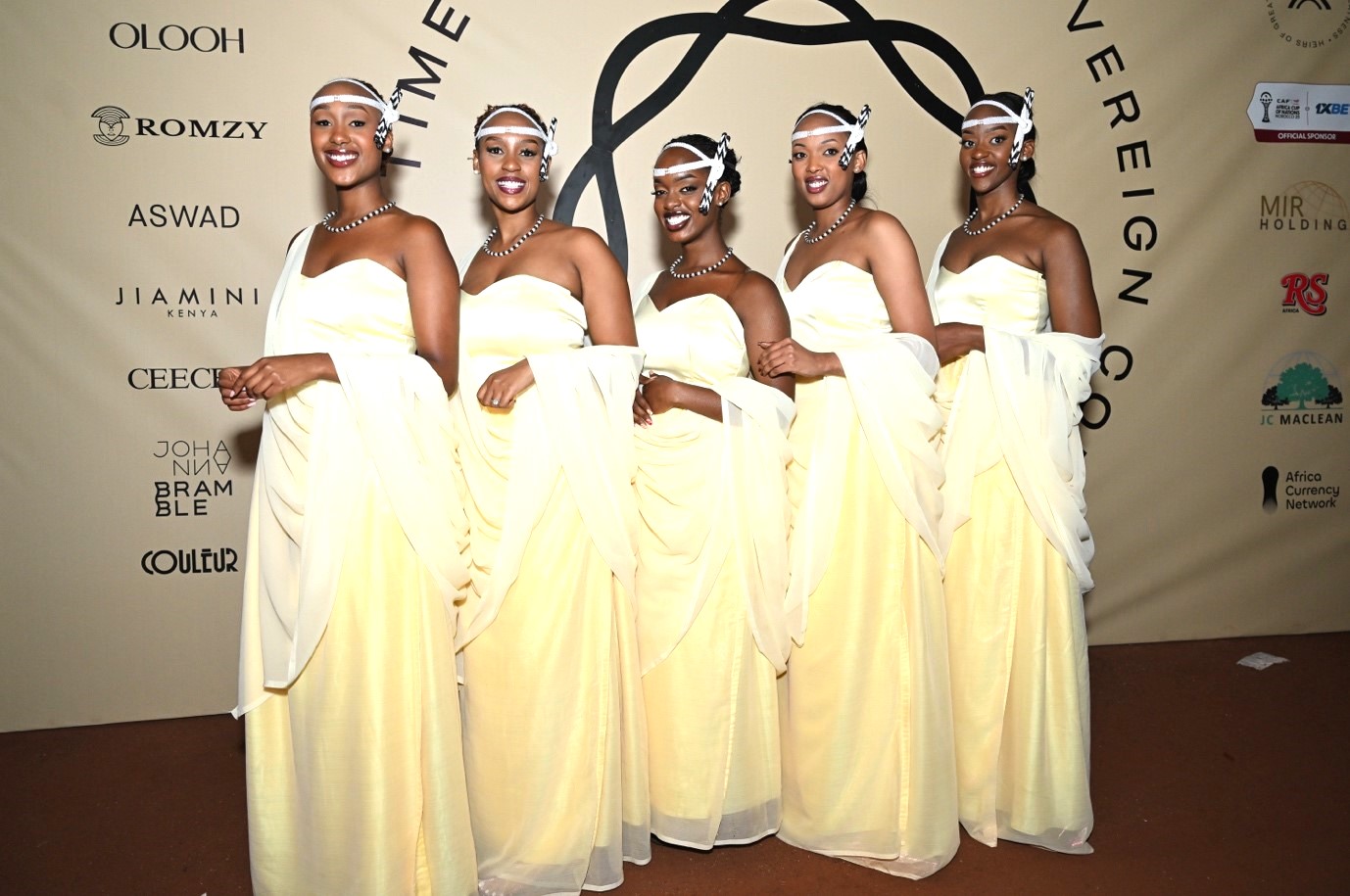
Hobe Mssamba, the Masamba Intore troupe, Rwandan singer and coach of the Rwanda National Ballet.
ABIDJAN – Across Africa, cultural and creative industries are gaining unprecedented global attention. Fashion designers, filmmakers, musicians, digital artists and contemporary craftspeople are increasingly shaping international aesthetics and narratives.
Yet beneath this growing visibility lies a structural weakness that continues to limit the sector’s long-term impact: talent is celebrated, but rarely supported in ways that allow it to mature, scale and endure.
Over the past decade, African creativity has benefited from powerful exposure. Social platforms, international festivals, global fashion circuits and streaming services have amplified African voices at an extraordinary pace. But visibility is not the same as viability.
Without structured pathways, training, mentorship, access to markets, institutional recognition and long-term investment, many creators remain trapped in cycles of short-term success, unable to translate attention into sustainable careers or enterprises.
This gap between recognition and structure has become one of the defining challenges of Africa’s cultural economy. Talent is abundant, but ecosystems remain fragmented. Too often, creative success depends on individual resilience rather than collective infrastructure.
As a result, value is frequently generated without being retained locally, and promising careers stall before reaching their full potential. The issue is not a lack of creativity, nor a lack of audience interest.
It is a lack of deliberate investment in talent as a strategic asset. Creative industries are still too often treated as symbolic or peripheral, rather than as sectors requiring the same level of planning, governance and capital as technology, manufacturing or sports. Yet globally, cultural and creative industries are recognised as engines of employment, youth inclusion and soft power.
Meaningful investment in talent requires a shift in approach. One-off sponsorships, isolated showcases and short-lived campaigns may generate headlines, but they do little to build industries. What creative ecosystems need are long-term frameworks that connect creators to skills, opportunities, networks and credibility. This means supporting not just moments of exposure, but entire trajectories of talent development.
A growing number of actors are beginning to engage with this challenge more structurally. One example is the pan-African initiative We Champion Talent, carried jointly by Orun and 1xBet, which has been designed not as a visibility operation but as a flagship framework aimed at addressing systemic gaps in the creative ecosystem.
By combining talent support, access to opportunities, cultural diplomacy and structured media engagement within a single architecture, the initiative reflects a broader understanding of what it takes to sustain creative industries. Its relevance lies less in its branding than in its logic: treating talent as a long-term investment that requires coherence, continuity and measurable outcomes.
This philosophy is echoed by industry leaders who increasingly view cultural investment as a strategic choice rather than a reputational add-on. “African creativity does not lack ambition or excellence,” says Khalidou Guissé, 1XBET Country Manager in Senegal. “What is often missing are the structures that allow talent to grow over time. Investing in creative ecosystems is about responsibility, but it is also about recognising where future value will come from.”
This approach matters because creative industries are deeply interconnected with broader economic and social dynamics. International estimates show that cultural sectors employ millions worldwide and disproportionately benefit young people.
In Africa, where demographic pressure and youth unemployment remain critical challenges, creative industries offer viable pathways to entrepreneurship, skills development and income generation, if they are properly structured.
Ultimately, the future of Africa’s cultural and creative industries will not be determined by attention alone. It will be shaped by the quality of the structures built around talent. Investing in creators is not an act of patronage; it is an economic, social and strategic choice.
As global interest in African creativity continues to grow, the real measure of progress will be whether that interest translates into lasting value for those who create, and for the ecosystems that sustain them.
Led by Africa Currency Network (ACN) and a member of the Kigali International Financial Centre, Orun is a pan-African organization dedicated to structuring cultural and creative industries (CCIs) as drivers of sustainable development, cultural sovereignty, and soft power for the African continent.
As a strategic lever for Africa economies, Orun is part of a dynamic aimed at transforming local economies by elevating African talents and craftsmanship. At the intersection of creation, design, craftsmanship, and transmission, Orun turns craft, narratives, and talents into lasting cultural, economic, and symbolic assets, capable of generating value locally while engaging with strategic stakeholders and international scenes.
