



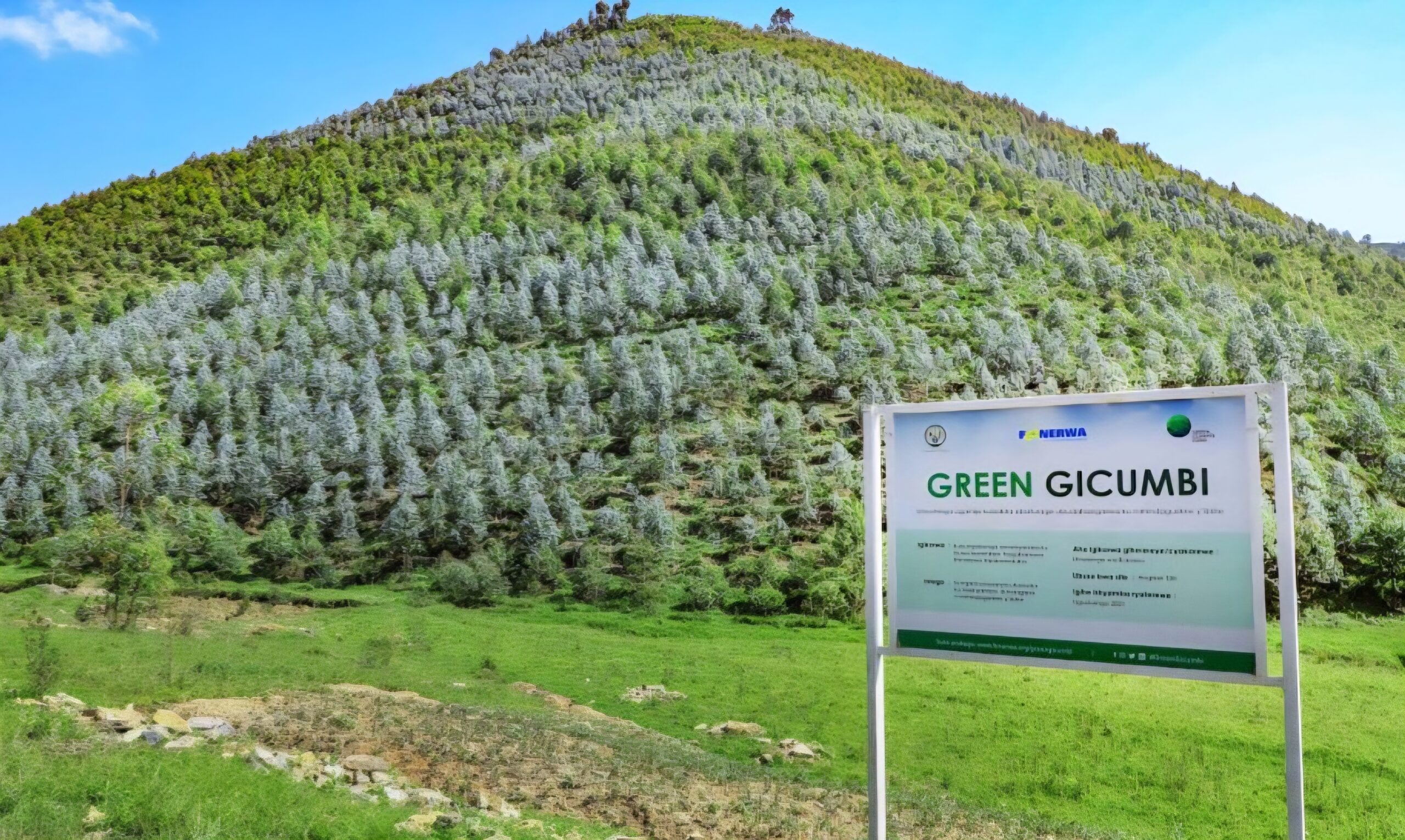
GICUMBI DISTRICT — In the quiet, green hills of northern Rwanda, where farms cover the slopes and the air feels fresh, Gicumbi District has been named the place with the cleanest air in the country.
A new global report by Swiss research and tech group IQAir which collaborates with the UN, found that the town of Gicumbi recorded the lowest air pollution levels in Rwanda, with fine particle pollution measured at about 38 micrograms per cubic meter (µg/m³).
While this is still above the World Health Organization’s safe level of 5 µg/m³, it remains the best reading in the country.
The findings for Rwanda are based on data collected from 11 monitoring stations across Rwanda, contributed by four different sources, including both official stations and low-cost sensors.
While this shows progress in tracking air quality, experts say monitoring is still limited compared to countries with more advanced systems.
For residents, the difference is something they already feel in their daily lives.
Claudine Nyirabakire, a vegetable seller in Gicumbi, says the contrast becomes clear whenever she travels to Kigali.
“When I visit Kigali, my eyes burn and children cough at night,” she said. “Here, the air feels lighter. The wind from the hills keeps it fresh.”
Gicumbi’s cleaner air is helped by its location. The district sits at a higher altitude, where wind helps move pollution away. It also has less traffic and fewer industries than bigger towns. Tree planting and good farming practices have also helped protect the environment.
Across Rwanda, the picture is different. The country recorded an average pollution level of about 34.5 µg/m³, nearly seven times higher than the recommended safe level.
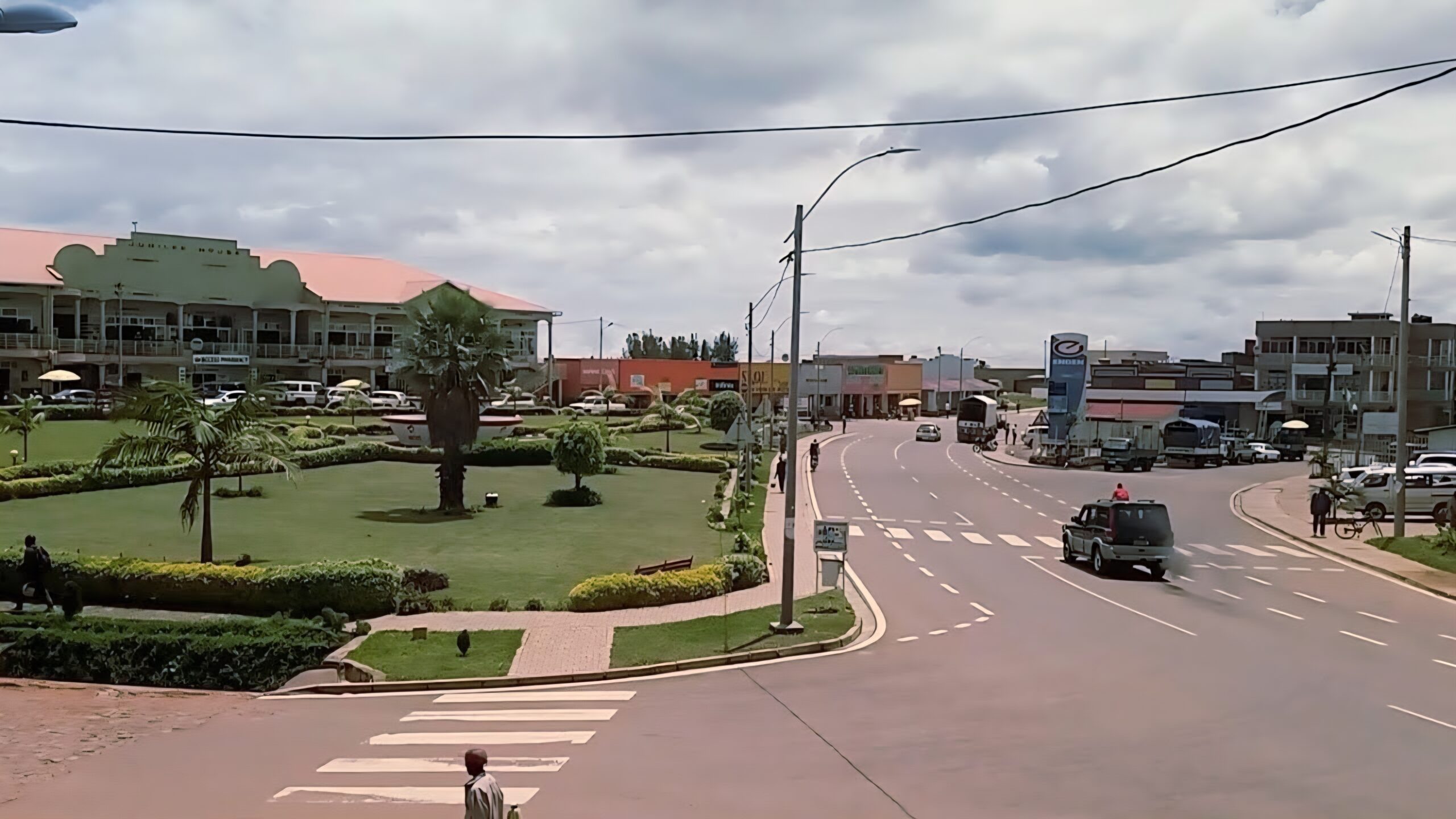
In the capital, Kigali, air pollution is often higher than the national average. Past data has shown levels around 40 µg/m³ or more, mainly due to traffic, construction and urban activity, although some recent reports suggest slight improvement.
Kigali also has the most monitoring stations, making it the main reference point for air quality data in the country.
Other towns also face challenges. Muhanga about 50km of Kigali, is frequently listed among the most polluted areas in Rwanda, with higher levels linked to dense population, transport and dust.
To respond, the government, through the Rwanda Environment Management Authority, has this year introduced stricter vehicle emissions testing. All vehicles must now pass pollution checks during inspection, while cleaner transport options like electric vehicles are being encouraged.
In East Africa, Rwanda’s situation reflects a wider regional challenge. Uganda recorded pollution levels of around 43 µg/m³, while the Democratic Republic of the Congo reached about 50 µg/m³, placing it among the most polluted countries globally.
Kenya and Tanzania performed better, at around 13.5 µg/m³ and 17.5 µg/m³, but still above safe levels.
Across Africa, the problem is even more serious. Countries such as Chad and the Democratic Republic of the Congo rank among the most polluted in the world, with levels above 50 µg/m³.
South Africa also faces major air quality challenges, especially in industrial zones and large cities. Pollution across the continent is driven by traffic, use of charcoal and firewood, dust, and rapid urban growth.
Globally, the situation is worrying. Only about 14 percent of cities worldwide meet safe air quality standards, while 91 percent of countries exceed recommended limits.
Experts say air pollution is one of the leading health risks today, linked to millions of deaths each year.
Even so, places like Gicumbi show that cleaner air is possible.
Experts say a mix of natural conditions, strong policies and community efforts can make a difference. But they also warn that clean air must be protected. Population growth, climate change and economic activity could increase pollution if not managed carefully.
For people in Gicumbi, the recognition is not just about numbers. It is about daily life — breathing easier, staying healthy and protecting their environment.
As the sun sets over Gicumbi, the air remains calm and light. In a world where pollution is rising, this part of Rwanda offers a simple message: cleaner air is still possible.
