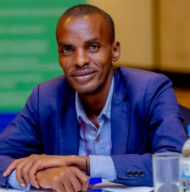



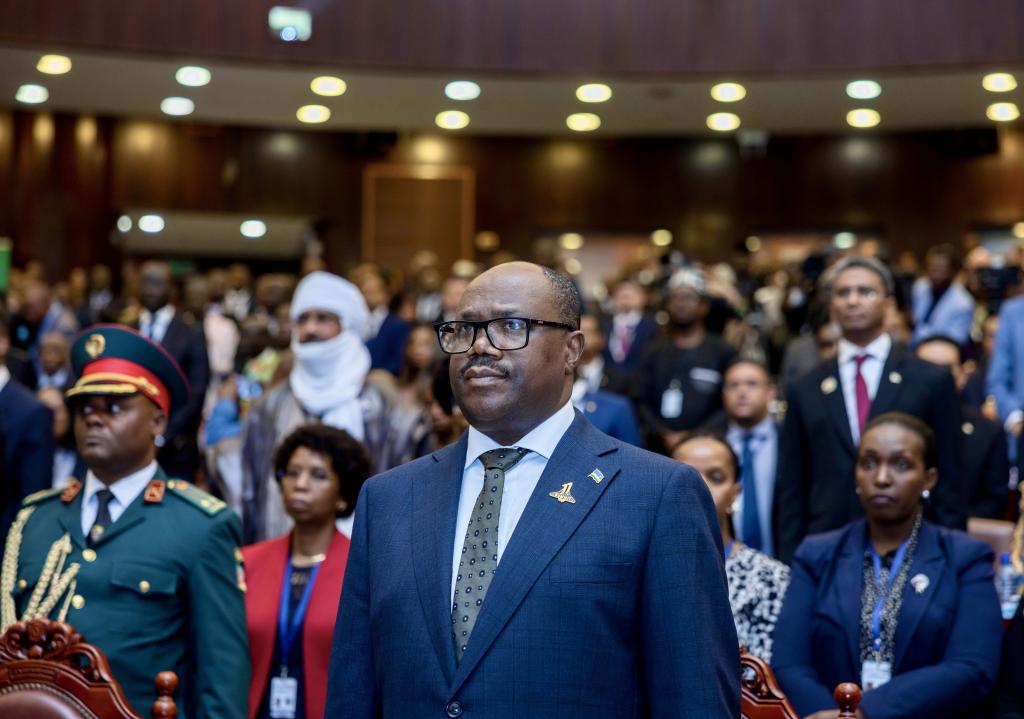
Dr. Justin Nsengiyumva at the OACPS in Malabo where he represented President Paul Kagame
Rwanda’s Prime Minister, Dr. Justin Nsengiyumva, has called on member states of the Organisation of African, Caribbean and Pacific States (OACPS) to rethink their approach to financing, urging a transition from aid dependency toward investment-driven growth.
Delivering Rwanda’s statement at a high-level roundtable on sustainable financing during the 11th OACPS Summit in Malabo, Equatorial Guinea, Prime Minister Nsengiyumva emphasized that evolving global economic conditions demand a fundamental shift in how the bloc mobilizes and manages resources.
“As the global context evolves, it is natural that our approach to financing must also adapt,” he said, underscoring Rwanda’s belief that the OACPS should expand its role beyond cooperation into a platform that facilitates investment and drives economic transformation.
The summit, hosted in Malabo under the theme “A Transformed and Renewed OACPS in a Changing World,” brought together Heads of State and Government to deliberate on sustainable development, economic resilience, and climate challenges.
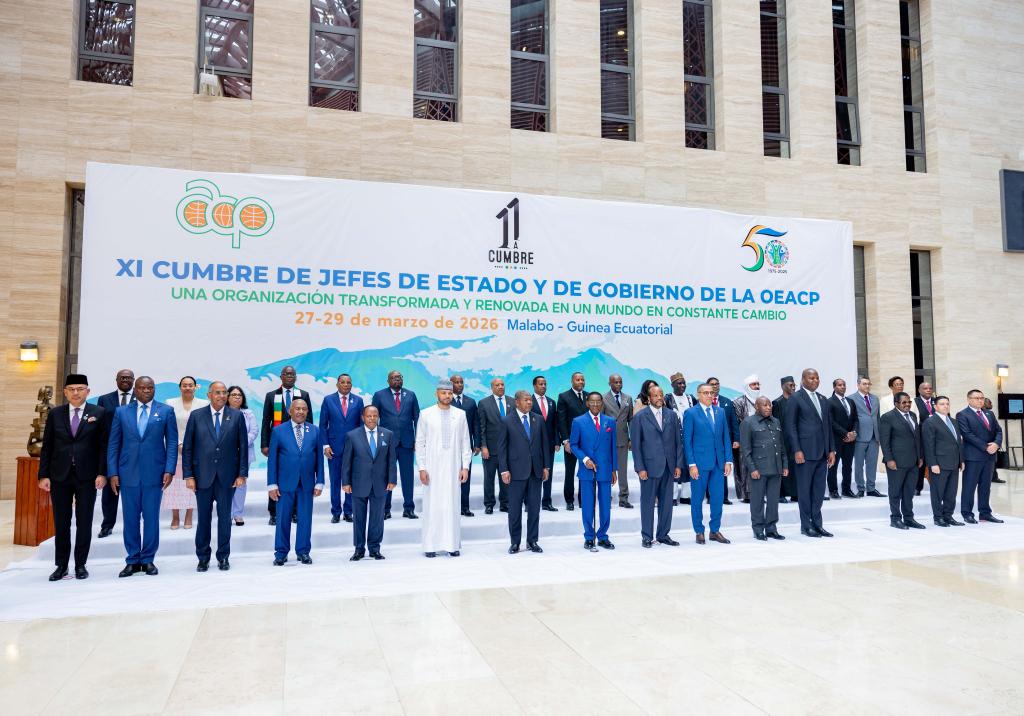
Heads of State and Government at the Inaugural Ceremony of the 11th OACPS Summit
On behalf of President Paul Kagame, Nsengiyumva also commended Teodoro Obiang Nguema Mbasogo for assuming the chairmanship of the bloc, reaffirming Rwanda’s support for ongoing reforms within the organization.
Central to Rwanda’s message was the need for the OACPS to reposition itself as a bridge between member states and international investors. PM Nsengiyumva said that sustainable financing would be critical for the organization to remain relevant and impactful in a rapidly changing global economy.
The Prime Minister outlined three key priorities to guide the bloc’s transition toward sustainable financing:
Domestic Resource Mobilisation: Nsengiyumva stressed the importance of strengthening internal financial capacity among member states to ensure predictable and timely contributions, enhancing ownership of the organization’s agenda.
Bankable Investment Projects: He called for scaling up well-prepared, investment-ready projects—particularly at the regional level—to attract long-term and institutional investors. This includes improving project preparation and risk mitigation frameworks.
Co-investment Partnerships: The Prime Minister urged deeper collaboration with both traditional and emerging partners through co-investment models based on shared responsibility and mutual benefit.
These priorities, he noted, align with the broader ambitions of the Organisation of African, Caribbean and Pacific States to foster inclusive growth across its member regions.
Moving Beyond Aid Dependency:
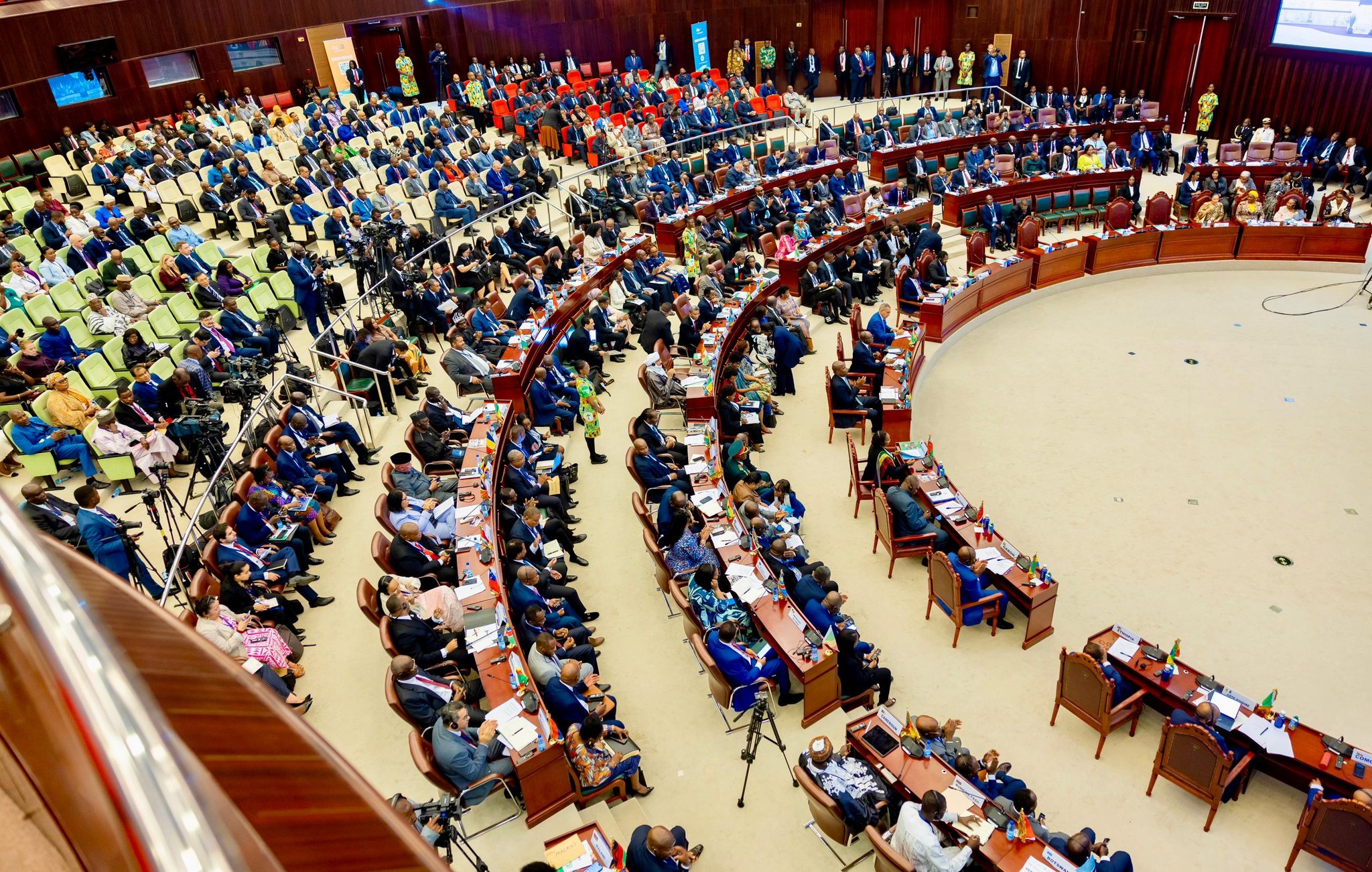
OACPS Summit leaders who deliberated on sustainable development, economic resilience, and climate challenges.
A key theme of Nsengiyumva’s intervention was the need for a mindset shift within the OACPS. He cautioned against continued reliance on development assistance, calling instead for collective responsibility and financial discipline among member states.
“We must move away from the dependency mentality that has characterised this organisation for too long,” he said, urging countries to honour their financial commitments and embrace innovative financing approaches.
He highlighted Rwanda’s track record of meeting its assessed contributions on time, reaffirming the country’s commitment to sustaining its obligations to the organization.
Nsengiyumva also pointed to the Samoa Agreement as a key framework for advancing sustainable financing efforts.
He emphasized that its success would depend on the ability of member states to translate commitments into concrete, measurable outcomes.
The OACPS was established in 1975 through the Georgetown Agreement, originally to manage relations with the European Union under the Lomé and later Cotonou Agreements.
With 79 member states across Africa, the Caribbean, and the Pacific, the organisation has long served as a forum for political dialogue, trade negotiations, and development cooperation. Its Secretariat is based in Brussels, Belgium.
OACPS’s current Priorities are focused on: Promoting inclusive growth and deeper integration into the global economy, supporting resilience strategies, particularly for vulnerable island nations in the Pacific and Caribbean.
Regional Cooperation through strengthening unity among member states to enhance collective bargaining power and global Equity: Advocating for fairer partnerships and financing models that reduce dependency and debt burdens.
The OACPS considers using the 11th Summit as a milestone to consolidate solidarity and redefine its role in global governance.
The Prime Minister’s remarks come at a time when many OACPS member states are grappling with mounting debt burdens, climate-related shocks, and constrained access to affordable financing.
By advocating for investment facilitation, stronger domestic financing, and co-investment partnerships, Rwanda is positioning the OACPS as a potential catalyst for structural economic transformation across Africa, the Caribbean, and the Pacific.