



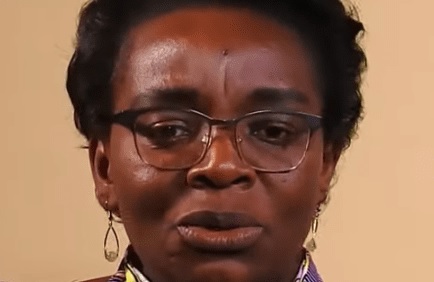
KIGALI — Rwanda’s Supreme Court has dismissed a constitutional petition filed Victoire Ingabire Umuhoza, ruling that her complaint against a key provision of the criminal procedure law was unfounded.
The decision, delivered on Friday, March 27, upholds Article 106 of Rwanda’s Code of Criminal Procedure, which allows courts to summon individuals linked to a case and request further investigation if necessary.
Ingabire had challenged the article, arguing that it violates constitutional principles, including the presumption of innocence and the separation of powers. She also linked the provision to her previous detention, saying it contributed to her imprisonment.
In its ruling, which Ingabire herself didn’t attend, the Supreme Court rejected these arguments, finding that the law does not conflict with the Constitution.
The judges examined whether Article 106 violates Article 29 of the Constitution, which guarantees the presumption of innocence. The court concluded that being summoned in connection with a case does not mean a person is guilty.
“The fact that a person is summoned because of a connection to a case does not make them a criminal,” the court stated, adding that ordering investigations can actually strengthen the presumption of innocence by allowing both incriminating and exonerating evidence to be considered.
The court also looked at whether the provision interferes with the independence of prosecutors, as protected under Article 61 of the Constitution.
It ruled that Article 106 does not undermine prosecutorial authority, since it does not dictate how investigations should be carried out.
Judges clarified that interference would only occur if courts themselves conducted investigations, which is not the case. Instead, prosecutors retain full control over how inquiries are handled.
On the question of whether the law creates institutional overlap, the court said that collaboration between institutions does not amount to interference. It emphasized that when courts request further investigations, they are ensuring justice is served, not taking over the role of prosecutors.
According to the ruling, Article 106 allows courts to act when new information emerges during a trial. If a person’s explanation is not sufficient, the court may instruct prosecutors to investigate further, helping to prevent gaps in justice.
The petition had been heard earlier in March, with Ingabire represented by lawyers Bruce Bikorwa, Gatera Gashabana and Félicien Gashema, while the State was represented by Speciose Kabibi.
Ingabire’s legal team argued that the law blurs the line between judicial and prosecutorial roles and risks undermining the right to a fair trial. The State, however, maintained that the provision strengthens accountability by ensuring all possible offenders are investigated.
Origin of case
Ingabire’s current case is linked to an ongoing trial involving a group of nine individuals, including well-known YouTuber Théoneste Nsengimana.
The group is facing charges related to alleged offences against the state, and during the proceedings, prosecutors accused Ingabire of having connections to some of the suspects.
It is through this case that her name emerged, prompting the court to examine her role under Article 106 of the Code of Criminal Procedure.
Based on these developments, the court ordered further investigation into Ingabire’s alleged involvement, leading to her arrest and inclusion in the case.
Her legal situation is therefore directly tied to the broader trial of the nine accused individuals, with prosecutors seeking to determine whether she played a role in supporting or facilitating the alleged offences.
What the ruling means
Today decision has immediate implications for Ingabire’s ongoing legal situation. With the constitutional challenge dismissed, she will remain in detention, and her case will proceed under the existing legal framework.
Her case file is also expected to be merged with that of individuals she is accused of aiding in committing offences, as part of the ongoing proceedings before the courts.
More broadly, the ruling reinforces the use of Article 106 as a legal tool, allowing courts to direct further investigations when new evidence or possible suspects emerge during trial.
The decision clears the way for Ingabire’s underlying case before the High Court to continue without interruption.
Earlier, before the Supreme Court, there were some scuffles between the journalists and court security together with officials. Local Journalists were required to hand over their phones, as they were told to leave them at the court reception.
However diplomats, foreign journalists and members of the public attending the session were alloed to keep their phones.
Another aspect is that court security said it was only state broadcaster RBA which was allowed to record and take images of the court session.
The disgruntled journalists sought intervention from office of the Chief Justice Domitilla Mukantaganzwa. An advisor to the Chief Justice came in before the case was to start, and was visibly furious that court security had take away media materials.
The journalists got back their phones and record gadgets, and went ahead to cover the session.
