



KIGALI — Christian leaders in Rwanda have called for reflection, unity and renewed faith as Easter coincides with the country’s 32nd commemoration of the 1994 Genocide against the Tutsi, urging believers to draw strength from the message of Christ’s resurrection during a period of national mourning.
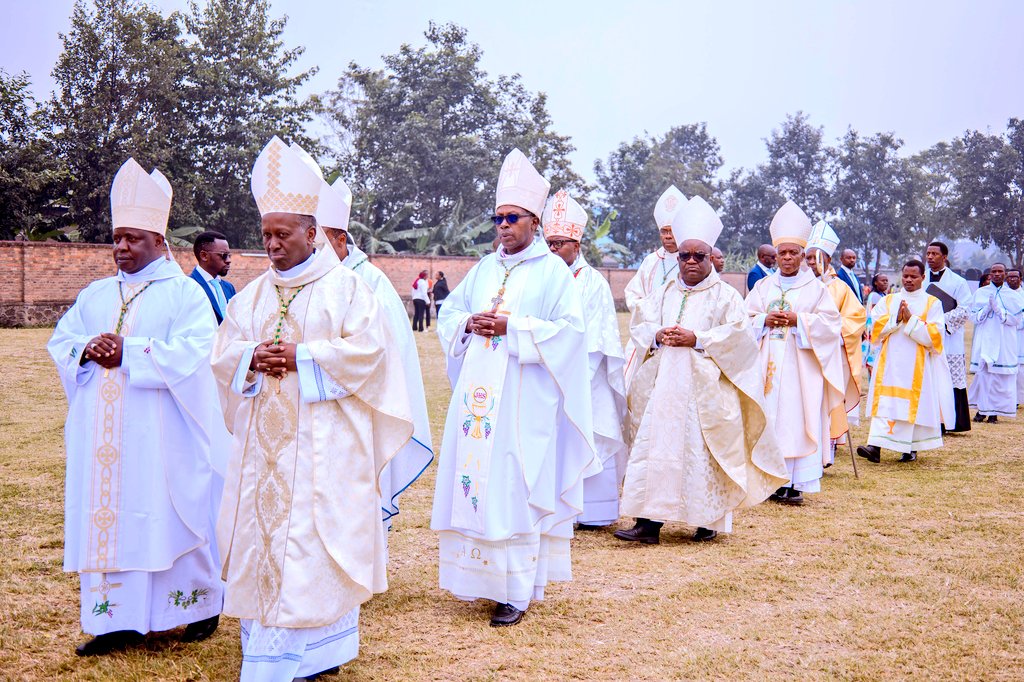
In separate Easter messages, the Anglican Archbishop of Rwanda, Dr. Laurent Mbanda, and the Catholic Bishops Conference emphasized that this year’s celebration of the resurrection comes at a solemn moment, as Rwandans prepare to enter the 100-day commemoration period, Kwibuka.
They urged Christians to honor the victims, stand in solidarity with survivors and remain grounded in faith, even as the country reflects on one of the darkest chapters in its history.
Easter Meets Kwibuka
Archbishop Mbanda said Easter — a cornerstone of Christian faith — should be observed with hope, but not in isolation from the reality of the genocide commemoration.
“Christ is risen, and we celebrate that He is alive,” Mbanda said. “As we begin this Easter week, we do so at a time when we are also entering the period of mourning and remembrance. We honor the victims and stand in solidarity with those who lost their loved ones.”
He acknowledged that the wounds of the genocide remain deeply felt, but stressed that the resurrection message affirms that life ultimately triumphs over death.
Drawing on Psalm 118, Mbanda pointed to the biblical theme of suffering followed by victory, saying it mirrors both Christ’s journey and the resilience seen in Rwanda’s recovery.
Faith in a Time of Mourning
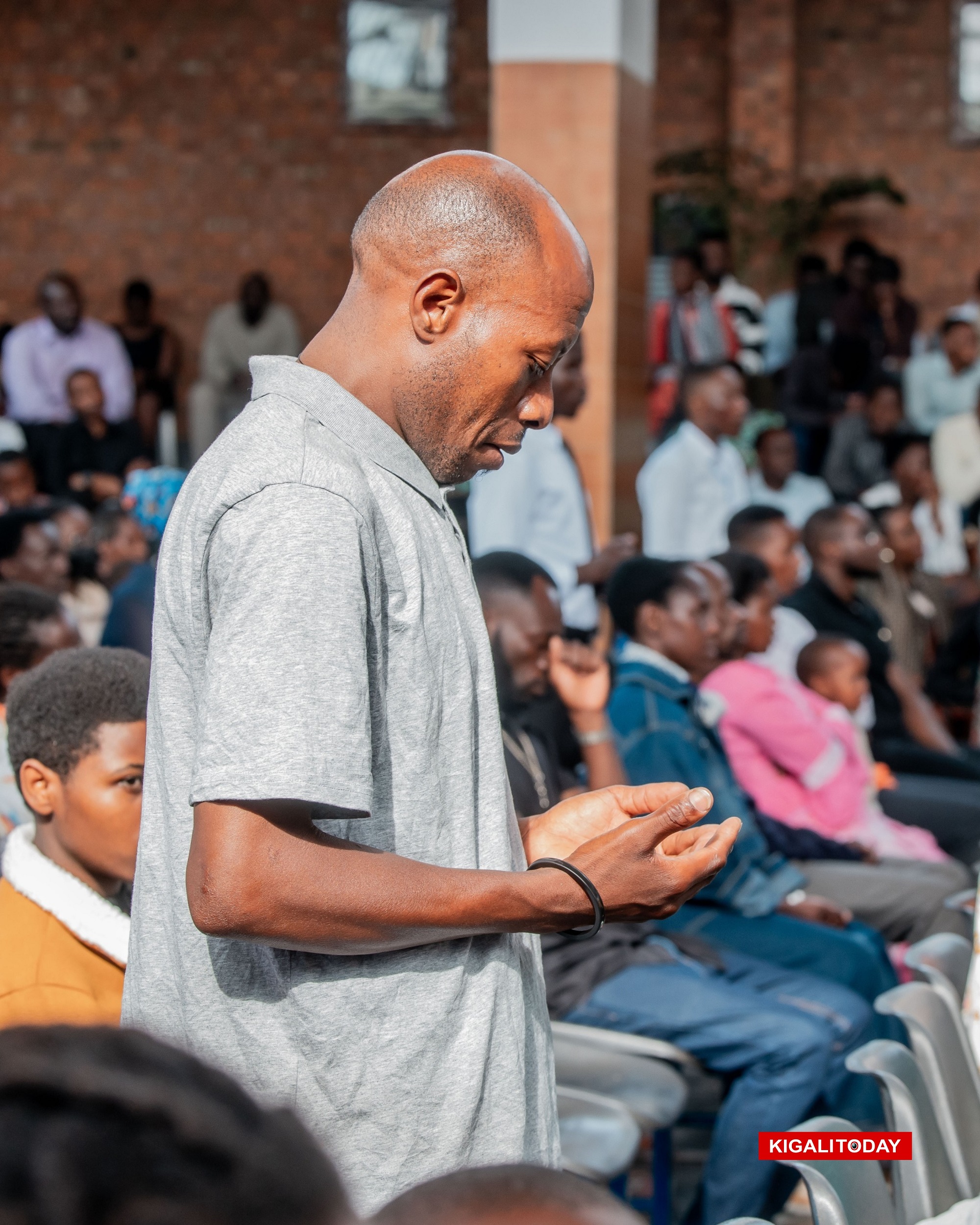 The Catholic bishops echoed similar sentiments, describing the genocide as a tragic collapse of human and Christian values, when faith was severely tested.
“From April to July 1994, Rwanda seemed like a country nailed to the cross,” the bishops said, reflecting on the scale of suffering and the spiritual crisis that followed.
Yet, they underscored that even in that darkness, hope endured. The genocide was stopped, and the country began a long process of rebuilding unity, reconciliation and trust.
Linking this to Easter, they said Christ’s death and resurrection speak directly to human suffering, offering a path toward healing and renewed life.
Remembering, Consoling, Rebuilding
Both the Anglican and Catholic leaders placed strong emphasis on remembrance and solidarity.
They called on Christians to honor the victims of the genocide while supporting survivors with compassion and presence, especially during the commemoration period.
“Like Christ, those we remember were persecuted, rejected and killed,” the bishops said, urging believers to see remembrance as a shared human responsibility.
They added that reflecting on the genocide in the light of Easter reinforces hope — that those who died are not forgotten and that their memory continues to shape a more united society.
Call for Genuine Faith and Unity
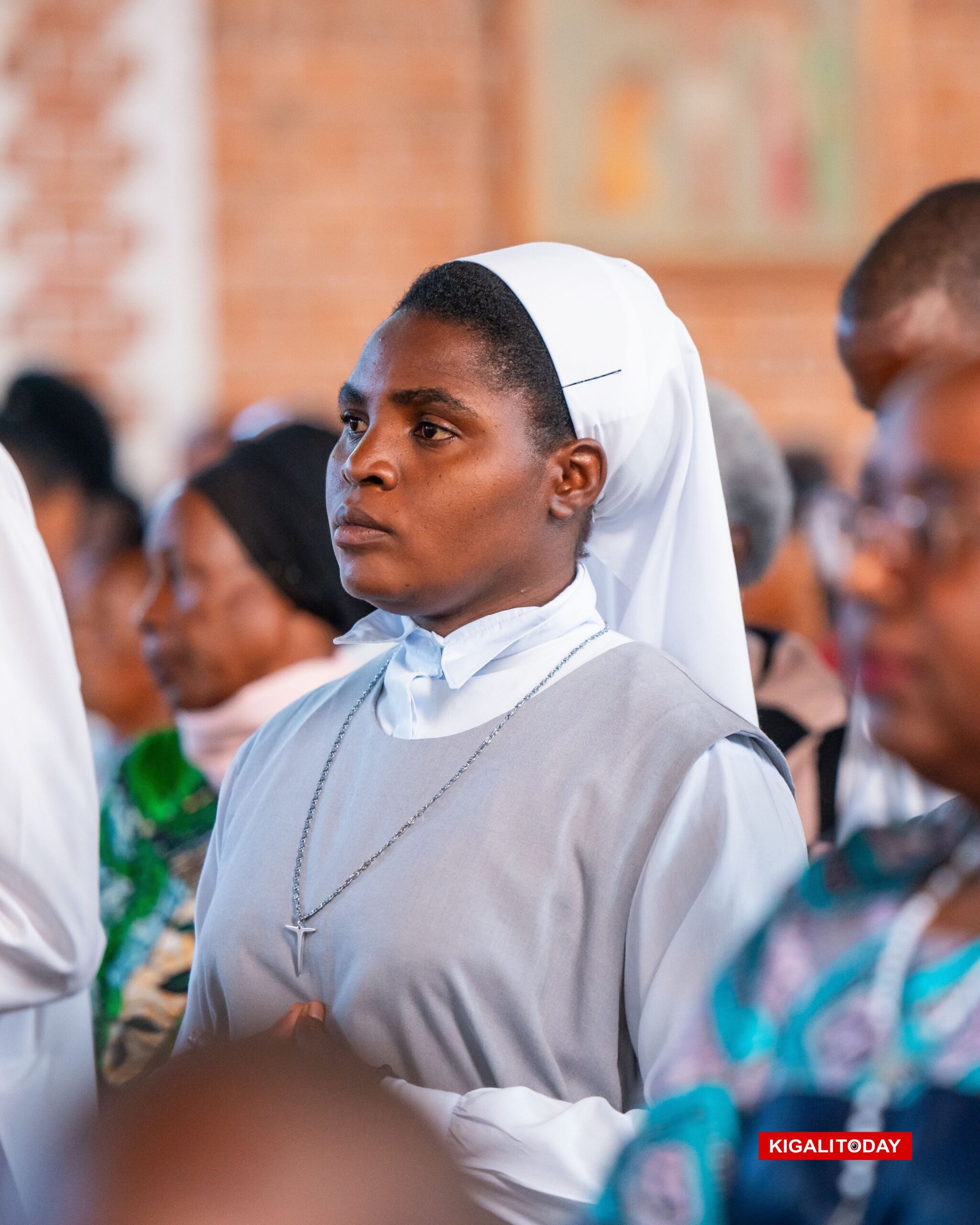
Beyond remembrance, the messages carried a broader call for authentic faith and moral responsibility.
Archbishop Mbanda cautioned against treating Easter as merely a cultural holiday, urging Christians to embrace its spiritual meaning and remain rooted in God’s word.
“The resurrection gives us new life and hope for those who believe,” he said. “We must live under God’s word, and the Church must remain grounded in it.”
The Catholic bishops, meanwhile, called on believers to reject hatred, division and revenge, and instead promote peace, love and brotherhood.
They also encouraged patience among worshippers amid the continued closure of some churches, urging them not to lose hope as efforts to reopen them continue.
“It is in difficult times that a Christian’s faith and love shine most,” they said.
A Shared Message of Hope
As Rwanda enters Kwibuka, both church leaders converge on a central message: that faith, remembrance and unity are essential in navigating grief while sustaining hope.
They called for continued prayers for Rwanda, the region and the world, stressing that Easter’s message of renewal should inspire resilience and compassion.
In a season where celebration meets commemoration, the leaders urged Rwandans to remain steadfast — drawing from both memory and faith to move forward together.