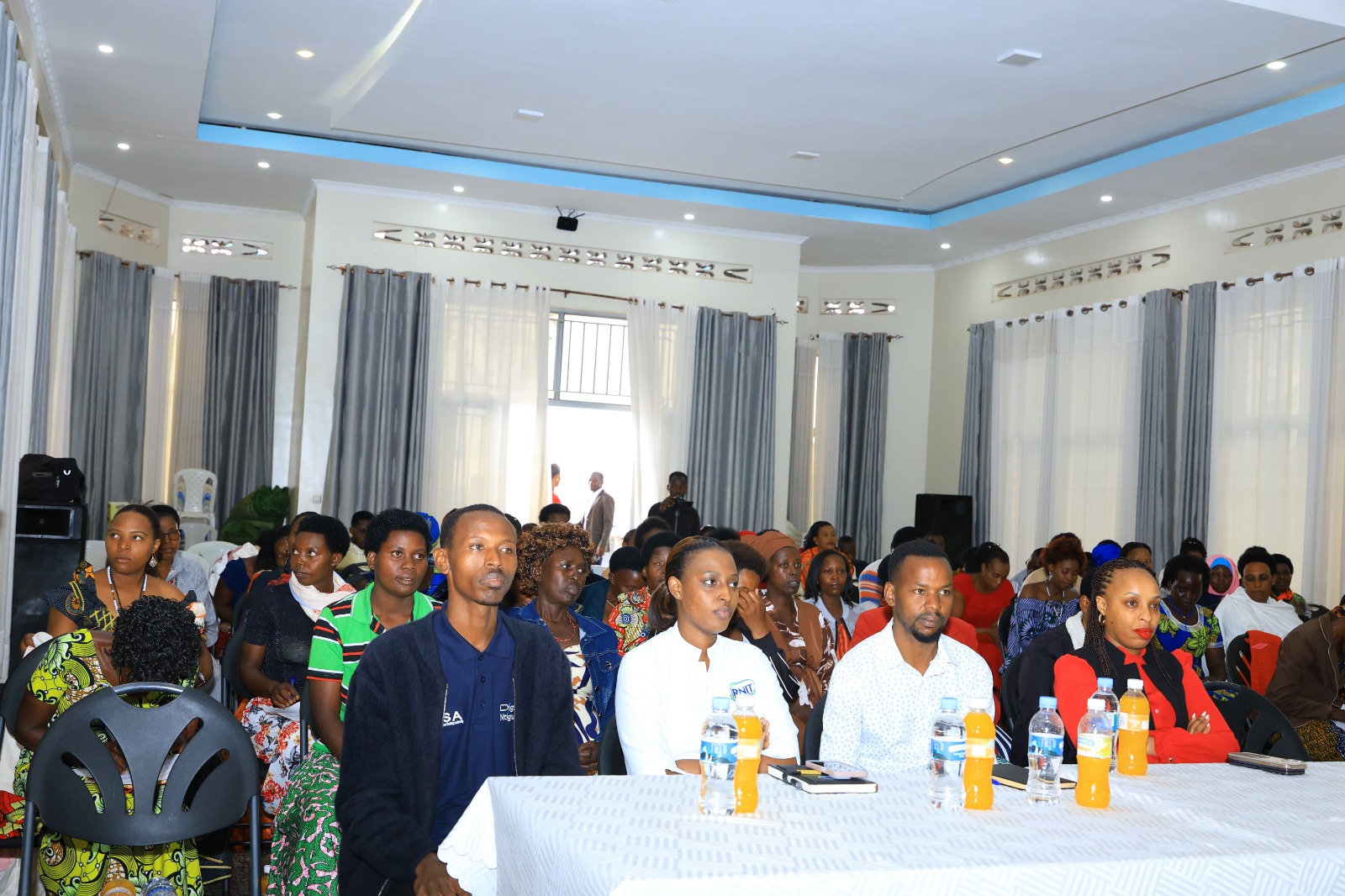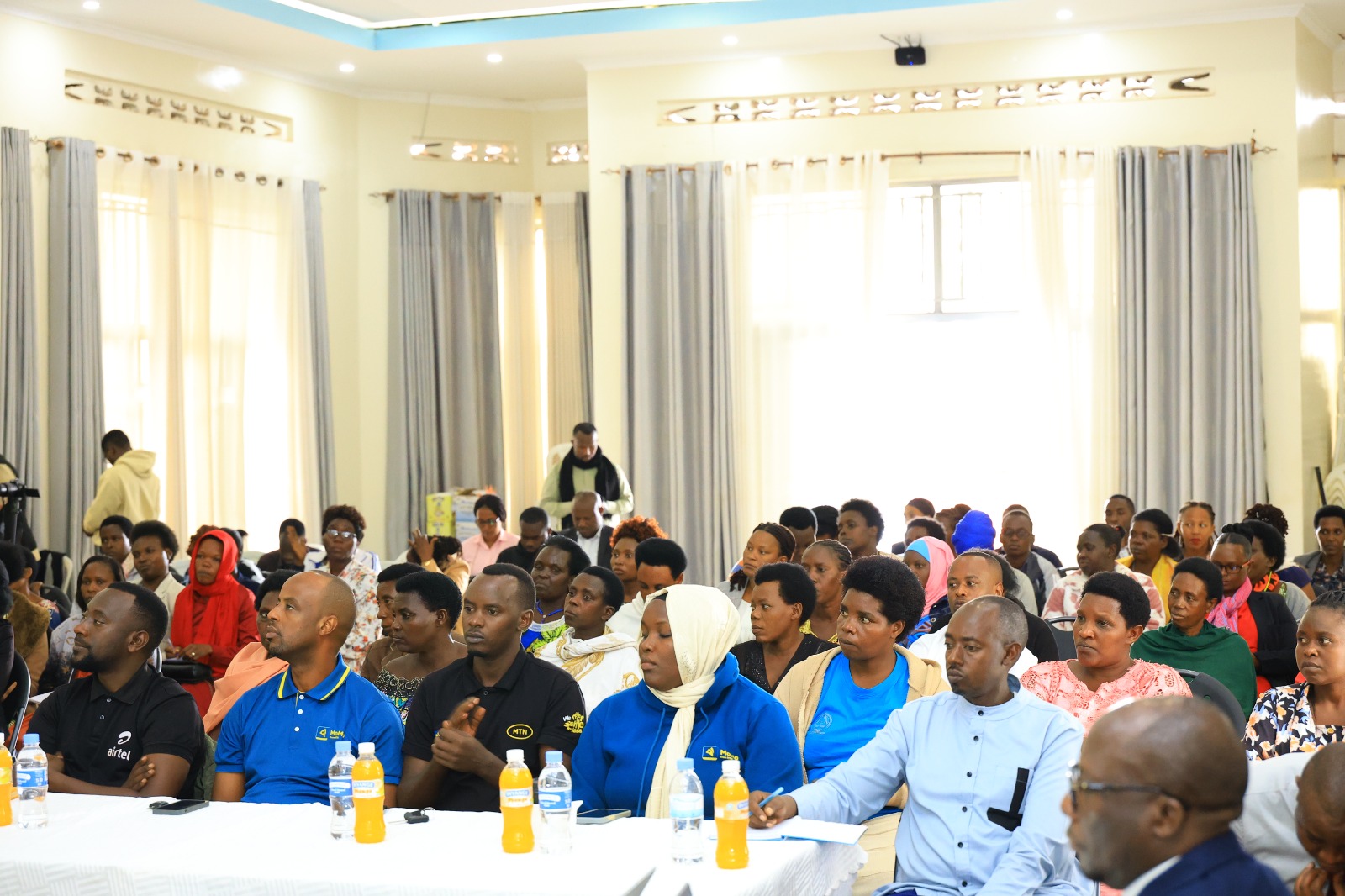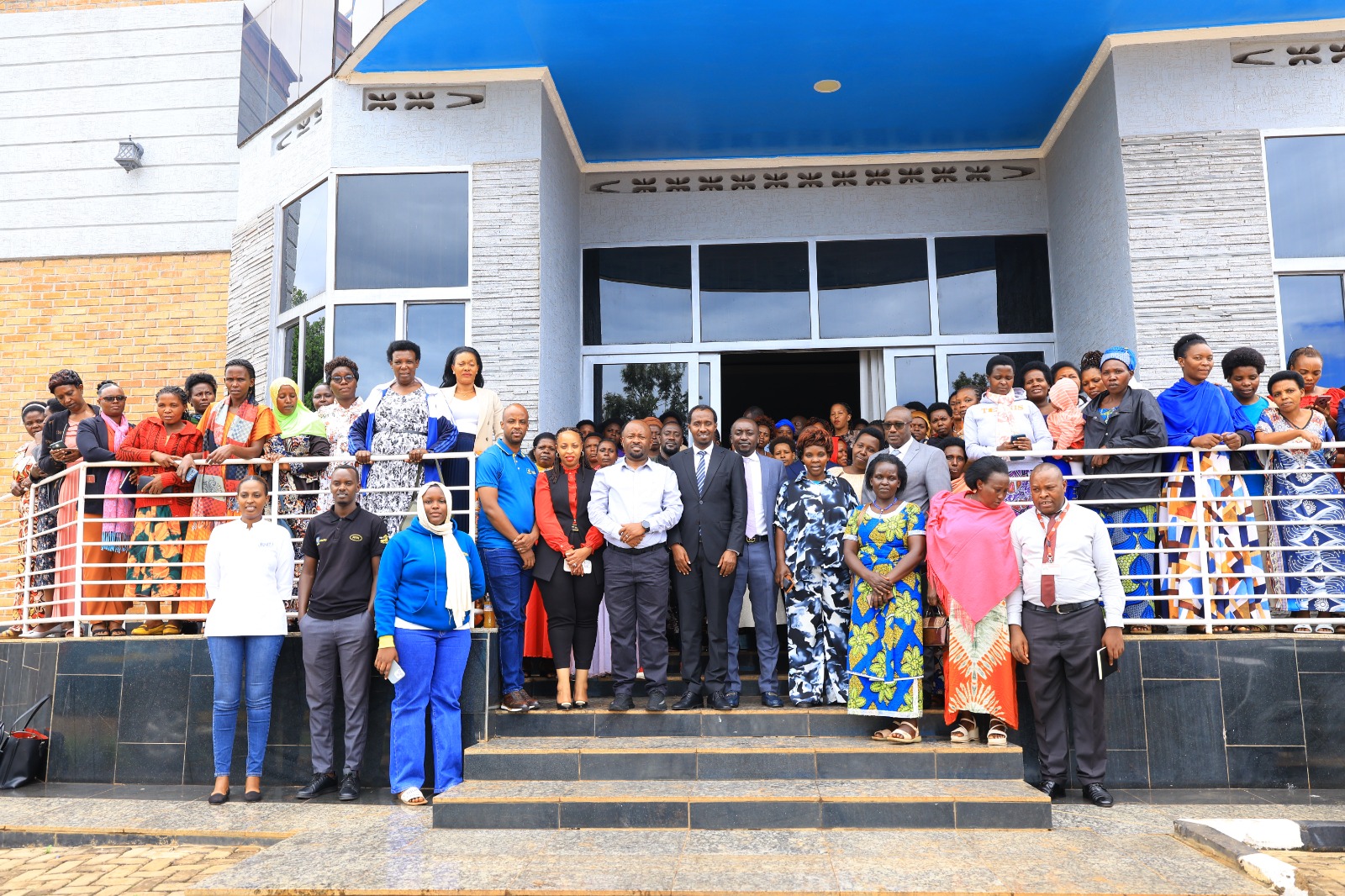
The National Bank of Rwanda (BNR) has stepped up efforts to close the financial inclusion gap among women by promoting Gendana Konti, a project designed to link formal bank accounts to mobile phones, allowing users to access banking services digitally and more conveniently.
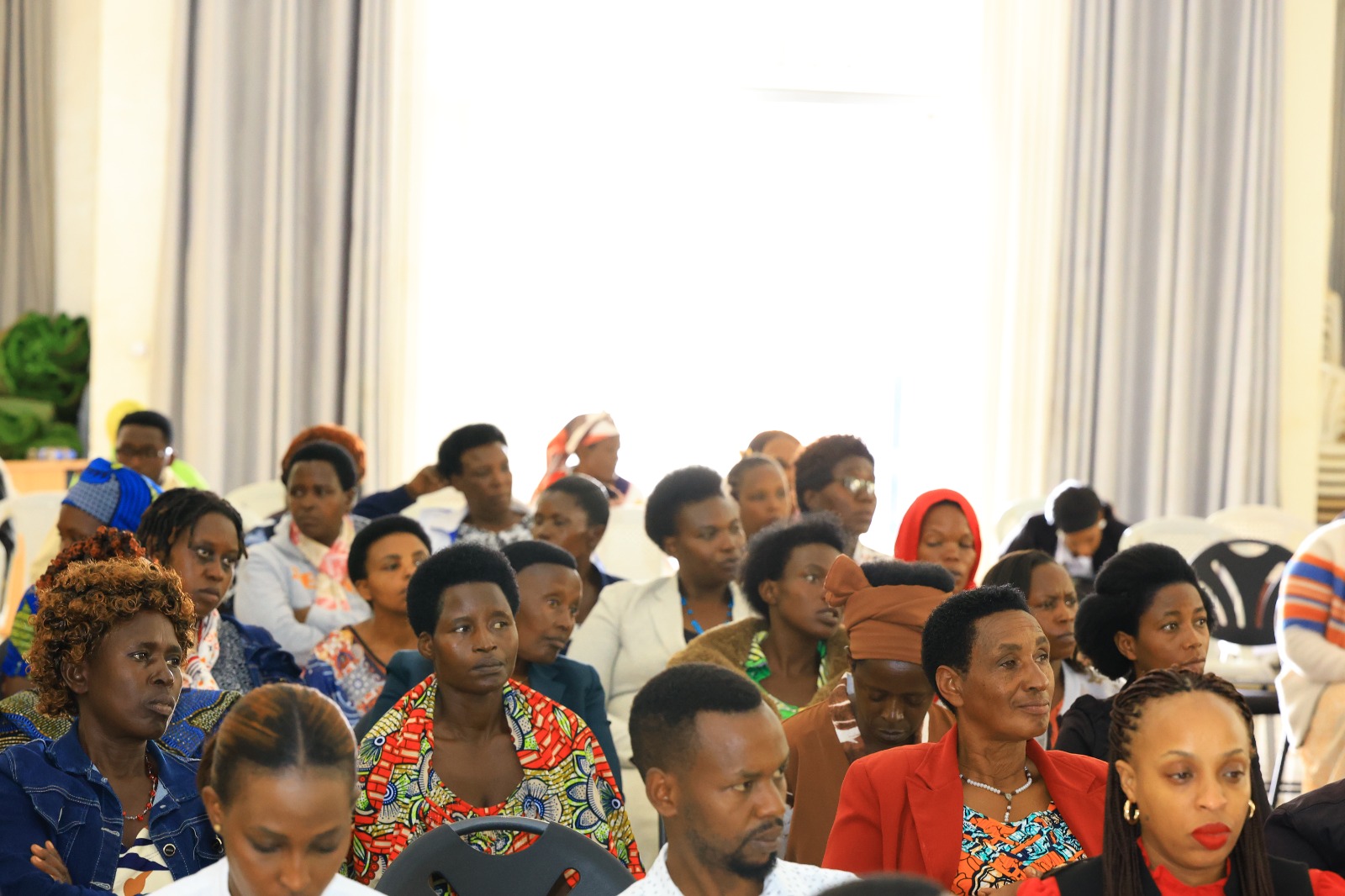
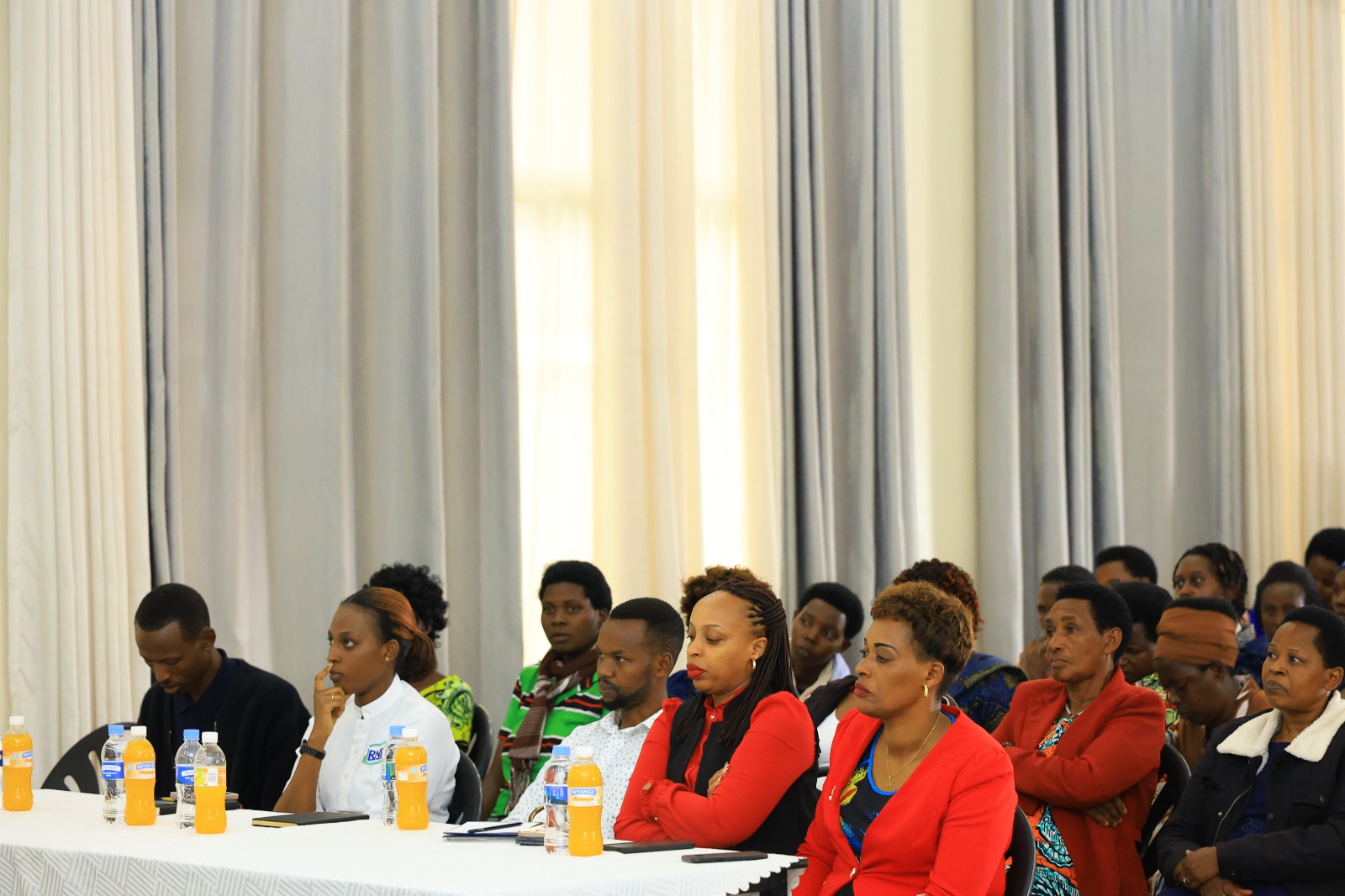
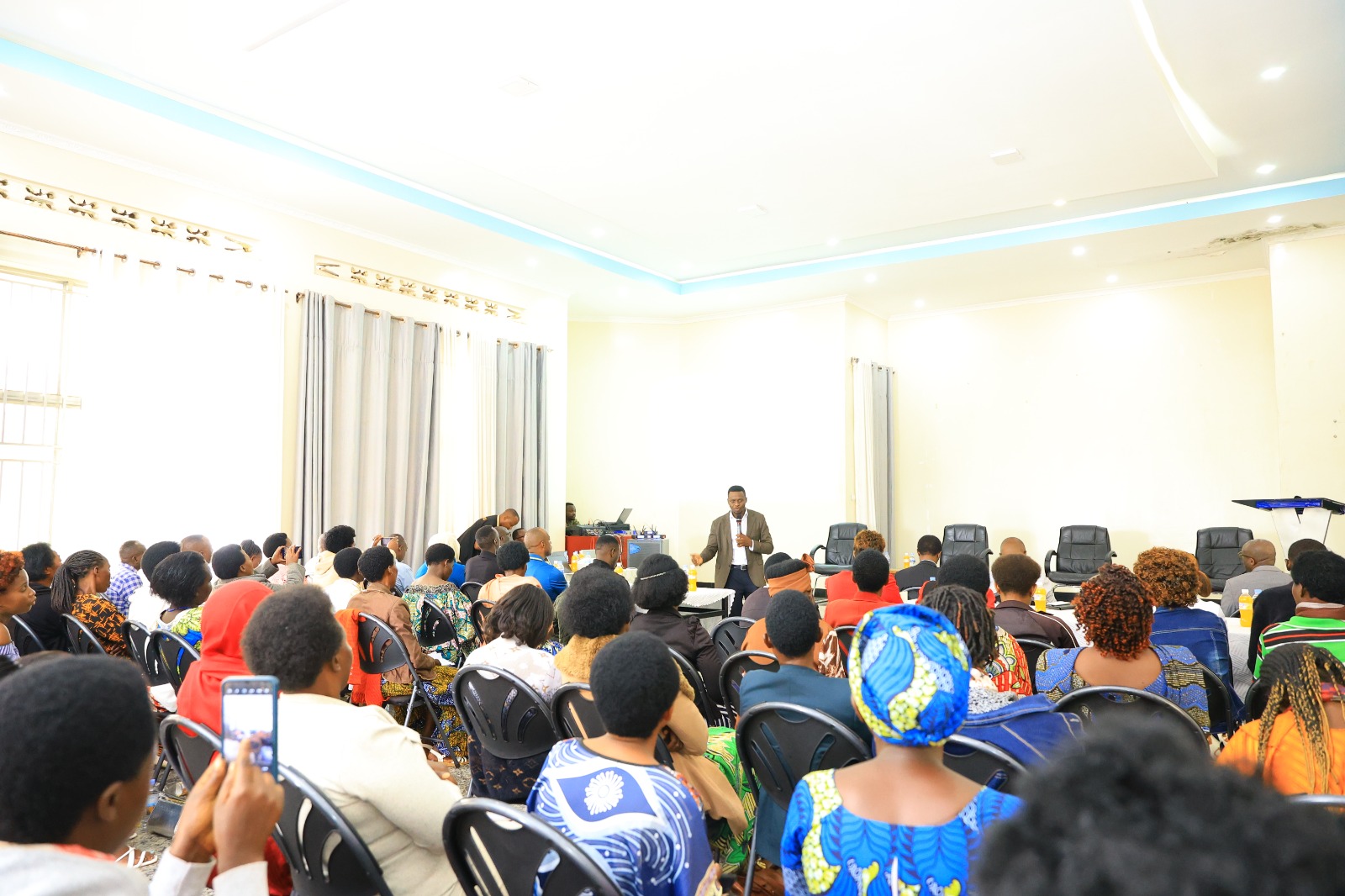
Launched in Kirehe District on Tuesday, December 23, 2025, the initiative targets women—particularly those in cooperatives and informal savings groups—who remain underserved by traditional banking despite widespread mobile phone ownership.
Unlike ordinary mobile money services, Gendana Konti focuses first on bringing women into the formal banking system.
Women are supported to open savings accounts in banks or SACCOs, or to reactivate dormant ones, before those accounts are linked to their mobile phones. This enables them to save, transfer money, pay for services, and access funds without physically visiting a bank branch.
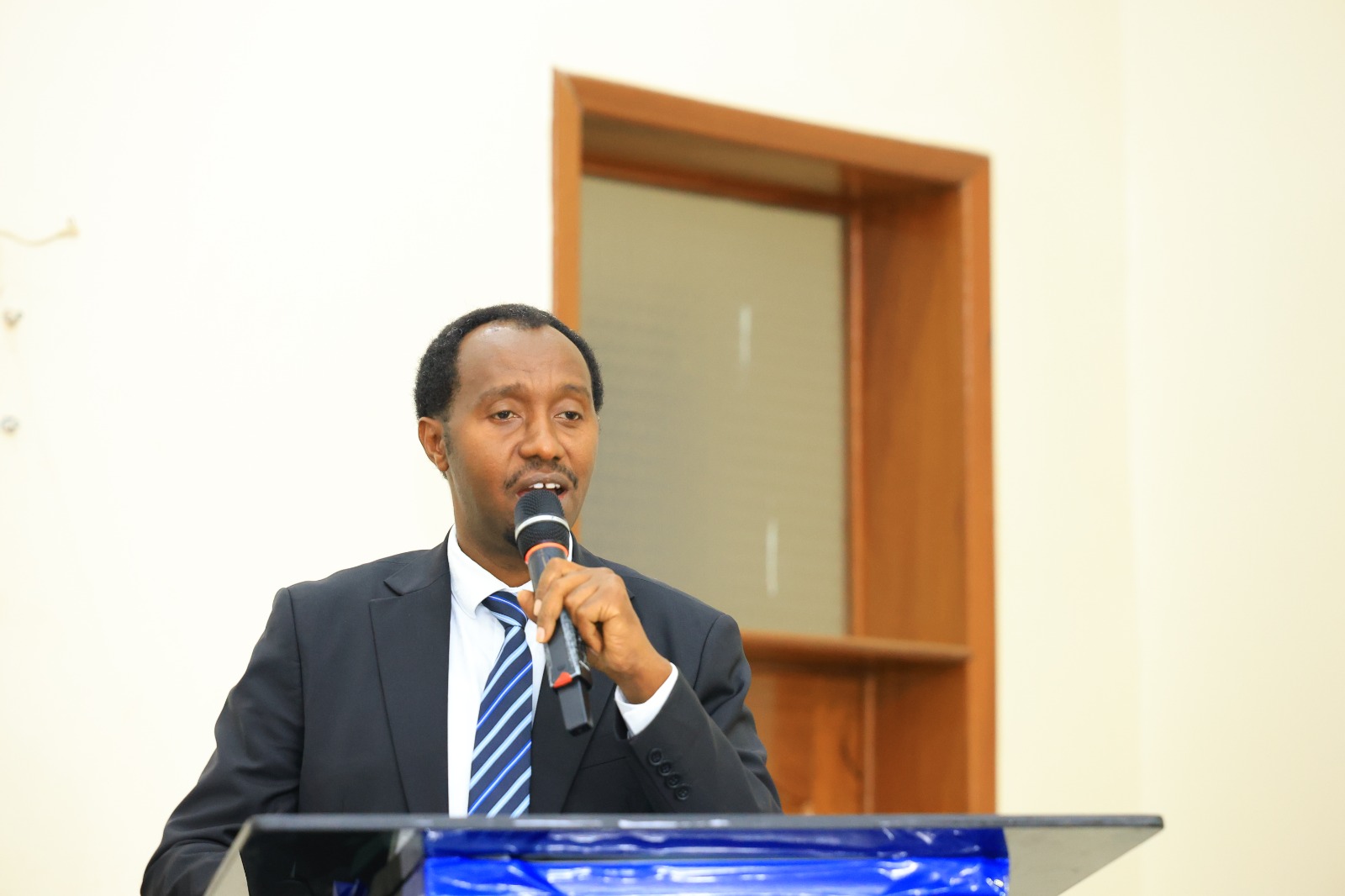
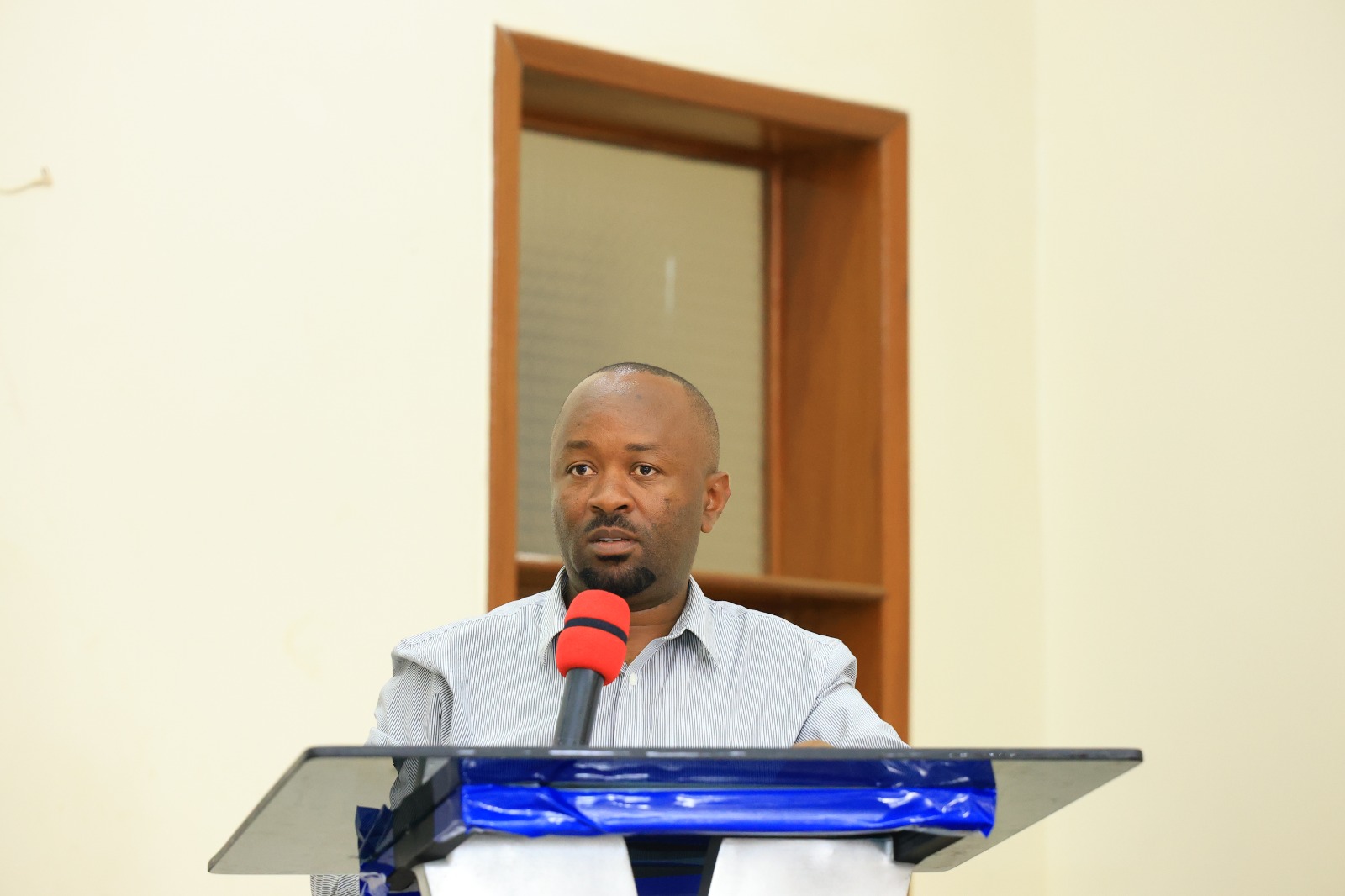
“The goal is not just mobile money usage,” said Nsengiyumva Rwisumbura Bernard, Ag. Executive Director, Financial Stability Directorate at the National Bank of Rwanda.
“Gendana Konti helps women open and use real bank accounts, then makes those accounts accessible through their phones so they can manage their finances easily and safely.”
BNR says the approach responds to persistent gaps in women’s access to financial services.
While mobile phone usage in Rwanda rose from 35 percent in 2010 to 87 percent in 2024, only 72 percent of women use mobile payment services, compared to 81 percent of men.
Nationally, about 1.16 million women—28 percent—still do not use mobile payment services, largely due to limited financial and digital literacy.
In Kirehe District, BNR estimates that 3 percent of adults remain completely excluded from financial services, despite many belonging to cooperatives and informal savings groups.
“For Kirehe alone, women account for about 65 percent of cooperative members,” Nsengiyumva noted.
“Linking their bank accounts to mobile phones allows them to pay health insurance, water, electricity, and even shop using their phones. This directly supports household welfare and national development.”
Participants say the project removes long-standing barriers.
Mujawimana Esperence, one of the women who attended the BNR engagement, said she had already linked her bank account to her phone and found it transformative.
“It allows you to move with your money. You can access it anytime without wasting hours going to the bank,” she said.
Another participant, Bazigaga Speciose, said she plans to mobilize fellow women to join the project, noting that faster access to money is critical in emergencies.
However, she pointed out that limited digital skills remain a challenge for many women.
“Some women still struggle with technology. Training must continue so no one is left behind,” she said.
BNR acknowledges these challenges and says financial education is a core part of Gendana Konti.
Since its pilot phase in Nyaruguru, Nyamasheke, Ngoma, and Rulindo districts, the initiative has reached about 120,000 women with financial literacy training, while over 30,000 were helped to open or reactivate mobile-linked accounts.
With the addition of Kirehe, Rwamagana, and Gicumbi, Gendana Konti is now operational in 10 districts nationwide, with plans for further expansion.
BNR says the project reflects Rwanda’s broader commitment to inclusive, technology-driven economic growth—ensuring women are not only connected by phones, but fully integrated into the formal financial system.
The National Bank of Rwanda also urges banks and other financial service providers to actively support the Gendana Konti campaign by creating more opportunities for women to open new accounts or reactivate existing ones, thereby enhancing women’s access to formal financial services and promoting greater financial inclusion across the country.