



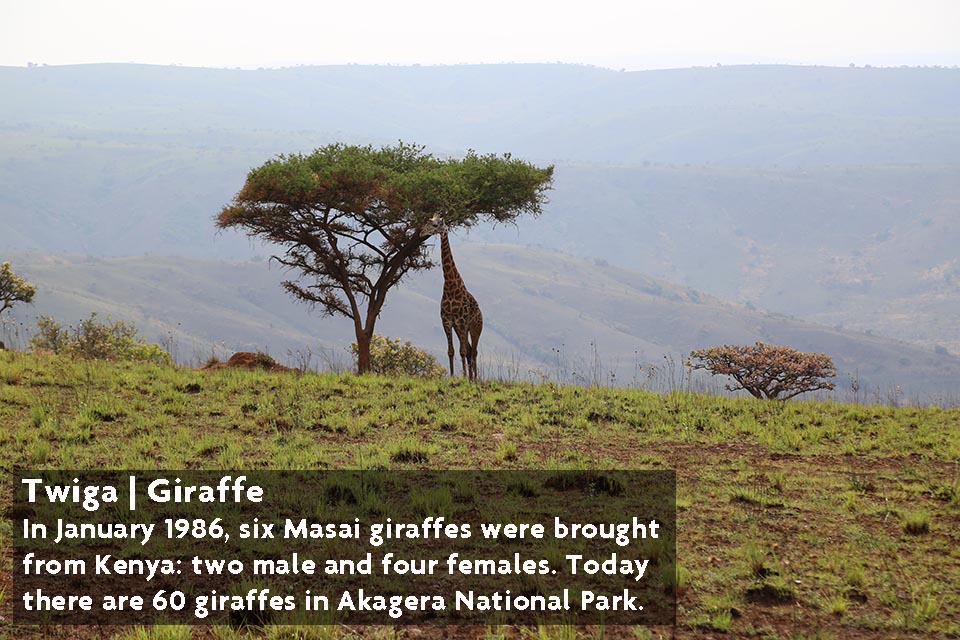
Akagera National Park is Rwanda’s largest wilderness reserve and is home to thousands of animals, including elephant, giraffe, hippopotamus, crocodile, buffalo, zebra, over 500 species of birds and more. (Photo by Akagera National Park)
It started with a simple “Where are you?” text on a quiet Sunday morning.
“We are in Akagera National Park,” my sister-in-law replied, the digital text almost vibrating with the hum of a car engine in the background.
“We traveled here early this morning,” she added with excitement.
“Enjoy the adventure,” I sent back, imagining them navigating the sun-drenched trails of Eastern Rwanda.
By evening, our family WhatsApp group was exploding. The young girl who usually spends her Sundays in the calm of the city was now texting with breathless excitement: “The animals I have been watching in movies and documentaries were my hosts today! Great experience!”
Her transformation from a digital spectator to a front-row witness is the heartbeat of a much larger story.
As the Akagera 2025 Annual Highlights reveal, she is not alone. She is part of a tidal wave of Rwandans reclaiming their heritage.
The “homegrown” Safari revolution
For decades, the “Big Five” felt like characters in a foreign film—creatures that lived on National Geographic, but rarely in our own backyard. But the latest figures tell a new story of ownership.
In 2025, Akagera National Park welcomed 59,538 visitors throughout the year, with 51,769 being paying guests.
This represents a significant 8% increase in paying visitors compared to the previous year. Perhaps, most inspiring, is who those visitors are.
According to the released 2025 figures, Rwandan nationals accounted for 47% of the total, matching international visitors at 47%, while foreign residents made up the remaining 6%.
We are no longer just the hosts for foreign tourists; we are the adventurers. Akagera has become a “classroom without walls” where the documentary finally comes to life for the people of Rwanda.
70 giants and the cradle of life
If my sister-in-law felt like she was on a movie set, it is because the cast has grown spectacularly. The headline of the year is the arrival of 70 Southern White Rhinos.
In a landmark move for the “Rhino rewild” initiative, these majestic giants were moved 3,400 km from South Africa to their new home in Eastern Rwanda.
It is clear; the park is not just a sanctuary; it is a cradle for the next generation of African icons.
The “great experience” my sister-in-law described is now fueling a historic economic achievement.
In 2025, Akagera achieved a remarkable milestone by generating $5.06 million in commercial revenue, a 5.4% increase over the previous year.
For the first time, Akagera was able to fully cover its daily core operating costs using its own revenue. This makes it the first park managed by the African Parks Network to reach operational self-sufficiency. Every dollar generated goes directly into, among others;
Wildlife conservation and park management, staff salaries and professional development; community development, including the National Tourism Revenue Sharing Scheme and Special Guarantee Funds to protect local interests.
Small wonders, global recognition
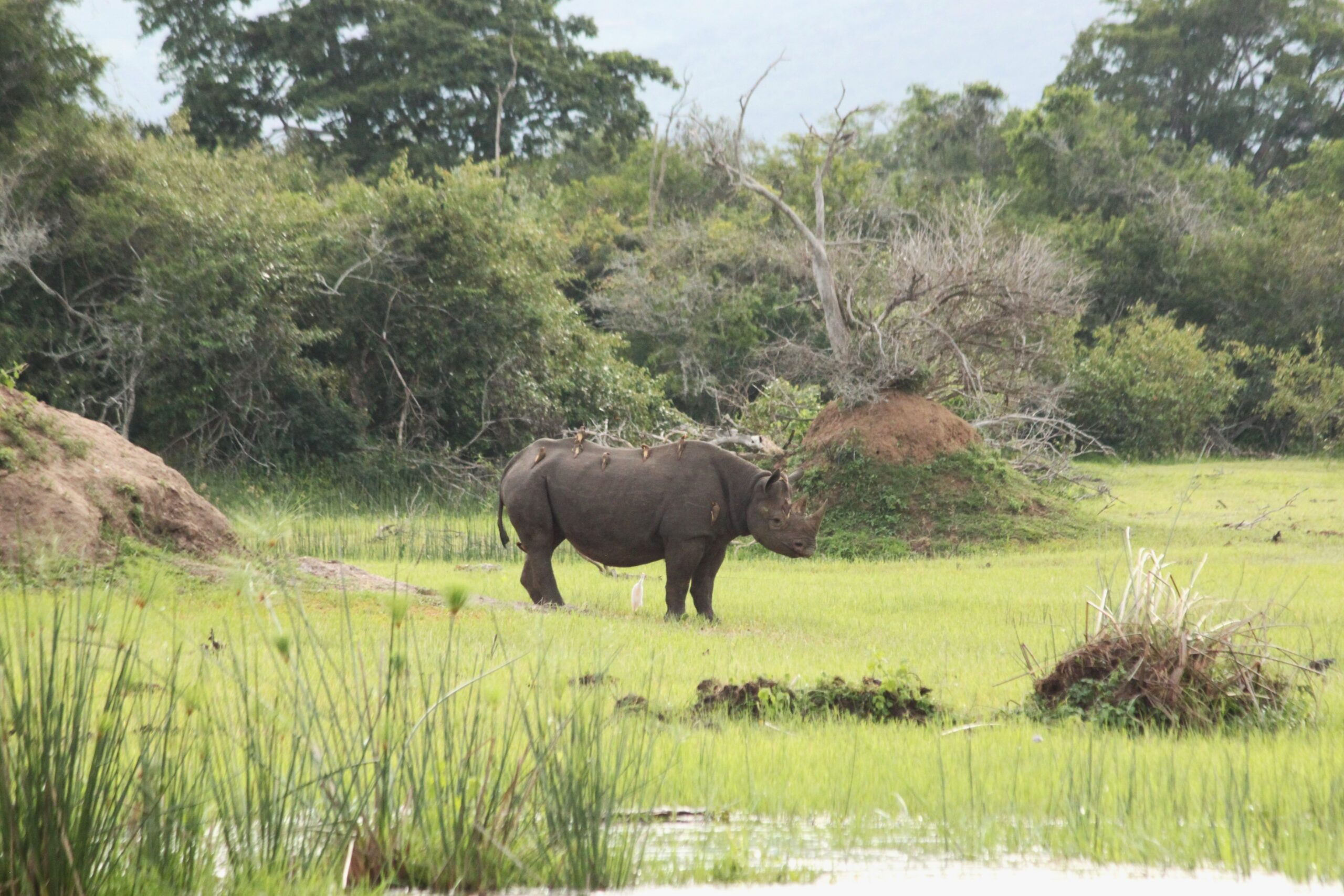
An Eastern black rhino in Akagera National Park. Courtesy Photo.
While the lions and rhinos grab the selfies, the park’s health is also measured in the “small numbers” that keep the ecosystem breathing:
6,700 dung beetles across 31 species keeping the soil rich.
8,400 butterflies fluttering through the acacia groves.
500 bird species, confirming Akagera as a world-class bird watching destination.
This meticulous care is why National Geographic officially named Akagera one of the “Best of the World” destinations.
When my sister-in-law put down her phone last night, she was not just a tourist who had seen a lion. She was a witness to a Rwandan miracle.
By reaching $5.06 million in revenue and welcoming nearly 60,000 people, Akagera proves that when we protect our land, the “movies” we once watched from afar become the beautiful, self-sustaining reality we live today.
The animals are not on a screen anymore. In Akagera, they are waiting to be your hosts.
Dan Ngabonziza is the Managing Director, Kigali Today Ltd, the parent company of KT Press, KT Radio 96.7FM, Kigali Today (Kinyarwanda) and Kigali Today TV channel

1 comment
Good piece
Comments are closed.