



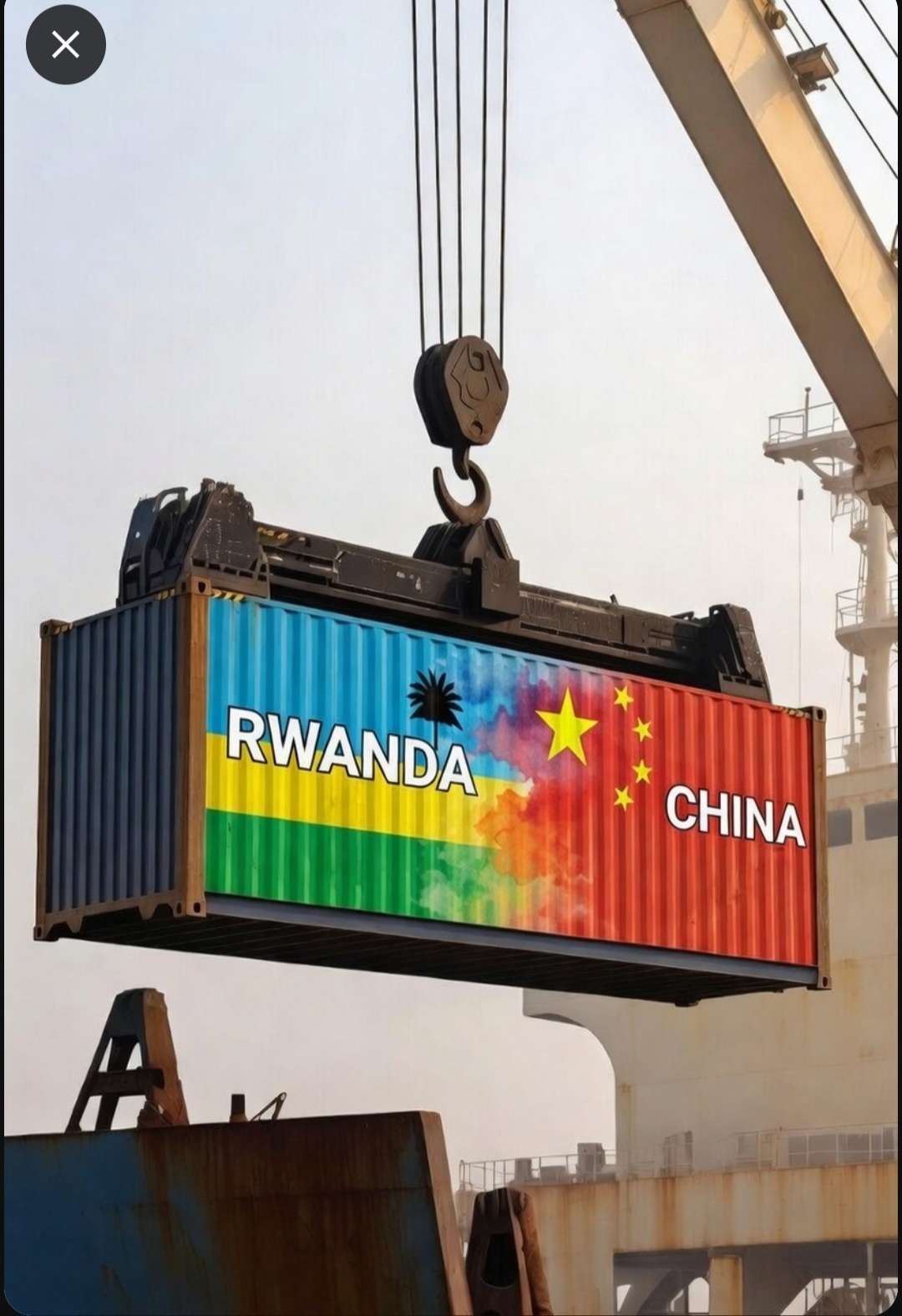
KIGALI, Rwanda — Rwandan exporters are marking a quiet milestone this month: one full year of 100 percent tariff-free access to China’s vast consumer market, an advantage officials say is already reshaping trade flows between Kigali and Beijing.
Chinese authorities have clarified to KT Press that Rwanda’s case differs from the broader zero-tariff expansion recently announced on February 14 for African countries.
While many nations are only now preparing to benefit from duty-free entry due May 2026 as announced Chinese President Xi Jinping , Rwanda has enjoyed full tax-free access since Dec. 1, 2024, under China’s preferential treatment for least developed countries with diplomatic ties to Beijing.
It means, come May, exports will simply be continuing to tax-free party.
ALSO READ: In May, Rwanda Begins Exporting to China Tax-Free
For exporters of coffee, tea, chili, gemstones and other commodities, the policy has steadily lowered costs and improved competitiveness in one of the world’s largest import markets.
This comes as China deepens economic engagement across Africa, positioning trade — rather than aid alone — as the centerpiece of its relationship with the continent.
Beijing has progressively expanded market access, eventually granting zero tariffs on 100 percent of product categories from eligible African countries.
For Rwanda, the timing has proved significant. China has rapidly climbed the rankings of Rwanda’s export destinations, driven largely by demand for minerals and specialty agricultural products.
Coffee grown in Rwanda’s high-altitude regions, once considered a niche import in China, is increasingly reaching mainstream consumers as prices fall following tariff removal.
Rwanda’s exports to China have grown rapidly in recent years, making Beijing one of Kigali’s most important external markets.
According to data from the National Institute of Statistics of Rwanda, China consistently ranks among Rwanda’s top export destinations, alongside the Democratic Republic of Congo and the United Arab Emirates.
Monthly trade reports show exports to China reaching about $124.9 million (over 160 billion) in December 2025 alone, placing it among Rwanda’s leading trading partners and highlighting China’s rising role as a key market for Rwanda’s minerals and agricultural products.
Trade officials and exporters interviewed say even modest tariff reductions can determine whether shipments remain profitable for exporters operating in landlocked economies with high logistics costs.
Eliminating duties altogether has widened margins for traders and cooperatives while encouraging new contracts with Chinese buyers.
Exporters say predictable market access has helped stabilize long-term planning, particularly for cooperatives investing in quality upgrades and processing capacity.
China’s zero-tariff policy also reflects broader shifts in global commerce. After renewed trade restrictions in Western markets in recent years, many African governments have sought to diversify export destinations.
Access to China’s enormous middle class offers an alternative pathway for growth, though economists warn that reliance on raw commodity exports could reinforce longstanding trade imbalances.
Rwanda’s challenge now, analysts say, is moving up the value chain — exporting roasted coffee instead of green beans, processed minerals rather than ore, and branded agricultural products capable of commanding higher prices.
Chinese officials have paired tariff liberalization with promises of technical training, customs facilitation and industrial cooperation aimed at helping African economies expand manufacturing capacity.
Imports from African least developed countries have already risen sharply since the policy took effect, with agricultural shipments showing particularly strong growth.
For Rwandan exporters, however, the anniversary carries a simpler meaning.
After decades of navigating tariffs and limited market access, their goods now enter one of the world’s largest economies duty-free — a structural advantage that few developing exporters historically enjoyed.
