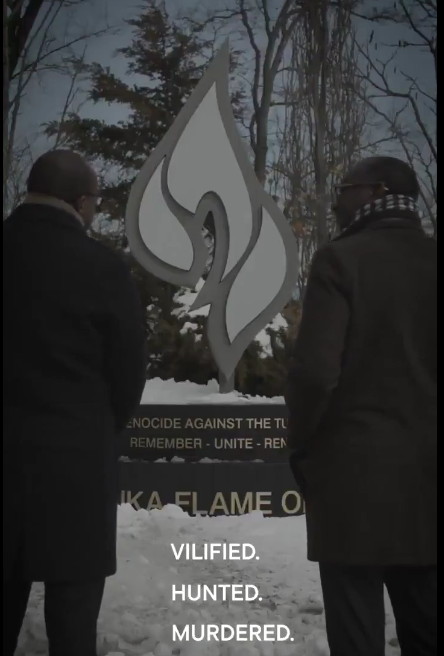
A screenshot of the video with UN officials at the Flame of Hope at the UN HQ- Turtle Bay, Midtown Manhattan, New York City
As the world marks the 32nd commemoration of the 1994 Genocide against the Tutsi, a permanent memorial at the United Nations headquarters is drawing renewed global attention, reinforcing urgent calls for remembrance, accountability, and prevention.
In a video published on X, the UN highlighted the “Kwibuka Flame of Hope,” a lasting tribute installed in New York to honor the more than one million lives lost. “Remembrance keeps hope alive,” the UN stated, noting that the memorial serves as a constant reminder of the international community’s duty to reflect on one of history’s darkest chapters.
Observed annually on April 7, the International Day of Reflection marks a global recommitment to the promise of “Never Again.” The memorial flame—the first permanent installation of its kind at the UN dedicated specifically to the genocide against the Tutsi—symbolizes both the resilience of survivors and the grave consequences of international indifference.
From Reflection to Responsibility

In Rwanda, the commemoration—known as Kwibuka—remains a period of solemn reflection. Government officials and survivor organizations have welcomed this global recognition, noting that permanent international memorials are critical to preserving historical truth and countering genocide denial.
Officials emphasized that remembrance must be anchored in education to prevent the resurgence of genocidal ideology. Survivor groups added that global platforms like the UN are essential for amplifying their voices and advocating for justice and long-term healing.
An Evolution in Remembrance
The UN’s approach to the genocide has evolved from temporary exhibitions and annual speeches to permanent, visible symbols. This shift embeds the memory of the victims into the physical and symbolic landscape of international diplomacy.
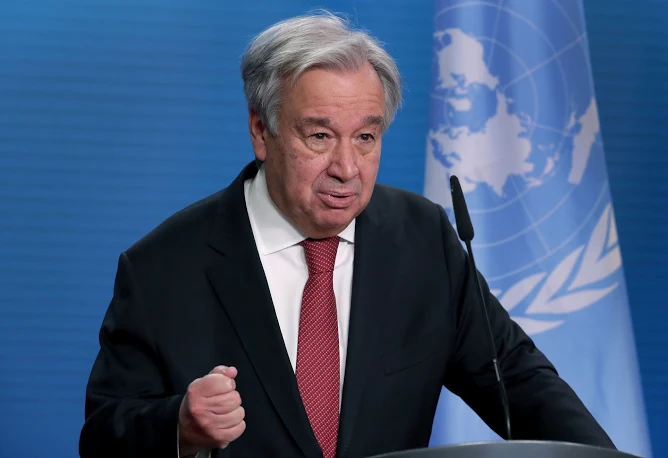
UN Secretary-General António Guterres
Recent commemorations have pivoted toward contemporary challenges, specifically the fight against online hate speech and revisionism. UN officials are now calling for more robust global mechanisms to detect and respond to early warning signs of mass atrocities, moving from passive remembrance to active prevention.
A Global Call to Vigilance
UN Secretary-General António Guterres marked the day by paying tribute to the survivors and urging the world to learn from past failures. “We must protect the living by rejecting hatred, inflammatory rhetoric, and incitement to violence,” Guterres said.
UN Deputy Secretary-General Amina J. Mohammed echoed this sentiment, stating, “May the memory of all the victims be a solemn reminder that the duty to prevent atrocities is one we must never set aside.”
Thirty-two years later, the message remains clear: while remembrance honors the past, only constant vigilance can safeguard the future of humanity.