



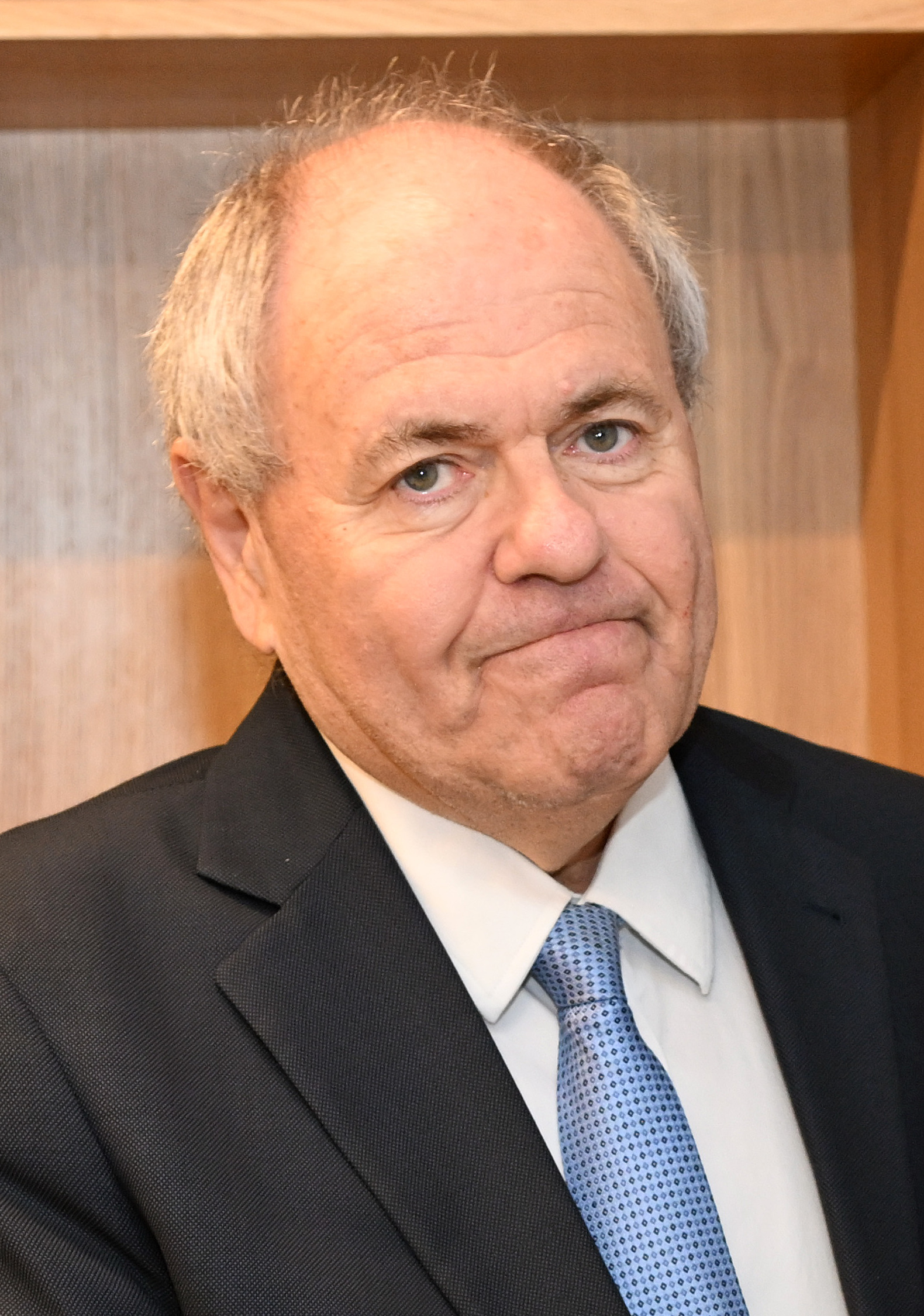
KIGALI — At the ongoing international conference on genocide prevention in Kigali, Yad Vashem Chairman Ambassador Dani Dayan delivered a keynote that moved beyond commemoration to confront a pressing global question: why does humanity still fail to prevent genocide despite understanding its roots?
Speaking during Kwibuka 32, marking the 32nd commemoration of the 1994 Genocide against the Tutsi, Dayan presented Rwanda not only as a place of remembrance, but as a living example of resilience, moral choice, and recovery after devastation.
Drawing parallels with the Holocaust, he stressed that genocide is not a sudden eruption of violence, but a gradual process rooted in what he called “deadly ideas” — spread through language, narratives, and the normalization of dehumanization.
“Genocide does not begin with killing,” he said. “It begins with words.”
This framing aligns with Rwanda’s concept of “genocide ideology,” underscoring how early warning signs are often ignored until violence escalates. In both Jewish and Rwandan histories, the failure of the international community to act early remains a defining tragedy.
Dayan directly challenged the global promise of “never again.” Despite the lessons of the Holocaust and Rwanda, he noted, hatred, incitement, and antisemitism persist — often in evolving forms.
Referencing Raphael Lemkin, who coined the term “genocide,” Dayan highlighted the gap between awareness and action. While the world has developed the language and legal frameworks to identify genocide, prevention remains elusive.
His message was clear: remembrance alone is not enough.
Shared Trauma, Shared Responsibility
A central theme of the address was the shared human experience of genocide — not in identical histories, but in its lasting consequences. Dayan likened this to “phantom pain,” where loss endures long after the physical destruction.
For both Jews and Tutsi, genocide reshaped identity, memory, and national consciousness. Yet he noted that this shared trauma has also created space for dialogue and mutual learning between Rwanda and Israel.
He cited survivor exchanges facilitated by Yad Vashem, where participants confront not only grief, but the enduring weight of memory.
Dayan also commended Rwanda’s post-genocide trajectory as a deliberate and “remarkable choice.” Rather than allowing memory to fuel division, Rwanda has used it to promote unity, education, and national rebuilding.
From commemoration practices to policies rejecting ethnic divisionism, he described the country as “a powerful example to the world” — positioning Rwanda not only as a victim of history, but as a contributor to global efforts on genocide prevention.
From Remembrance to Action
Dayan ultimately reframed remembrance as an active responsibility. Drawing on both Jewish and Rwandan traditions — Zachor and Ibuka — he argued that memory must translate into vigilance, education, and moral courage.
His warning was stark: the conditions that enable genocide still exist.
“Remembering is not enough,” he said. “Prevention requires vigilance.”
The message resonates in a world facing rising identity-based conflicts, hate speech, and political polarization.
As the conference continues in Kigali, Dayan’s address sets a clear challenge: the true test of genocide prevention lies not in commemoration, but in timely action.
His concluding call — that “no people should ever stand alone in the face of hatred” — speaks directly to policymakers, educators, and global institutions.
For Rwanda, hosting this dialogue during Kwibuka 32 reinforces its evolving role as a moral voice on the global stage — shaped by tragedy, and defined by its response.
