As with any news organisation, Saturday is a working day at Kigali Today (KT). Live radio broadcasts continue, and in the newsroom journalists usually sit with their eyes glued to computer screens, fingers furiously tapping away to get the latest story out.
Not so last Saturday.
KT had turned into a health centre — and not just any health centre. It was one that connected two countries on two different continents.
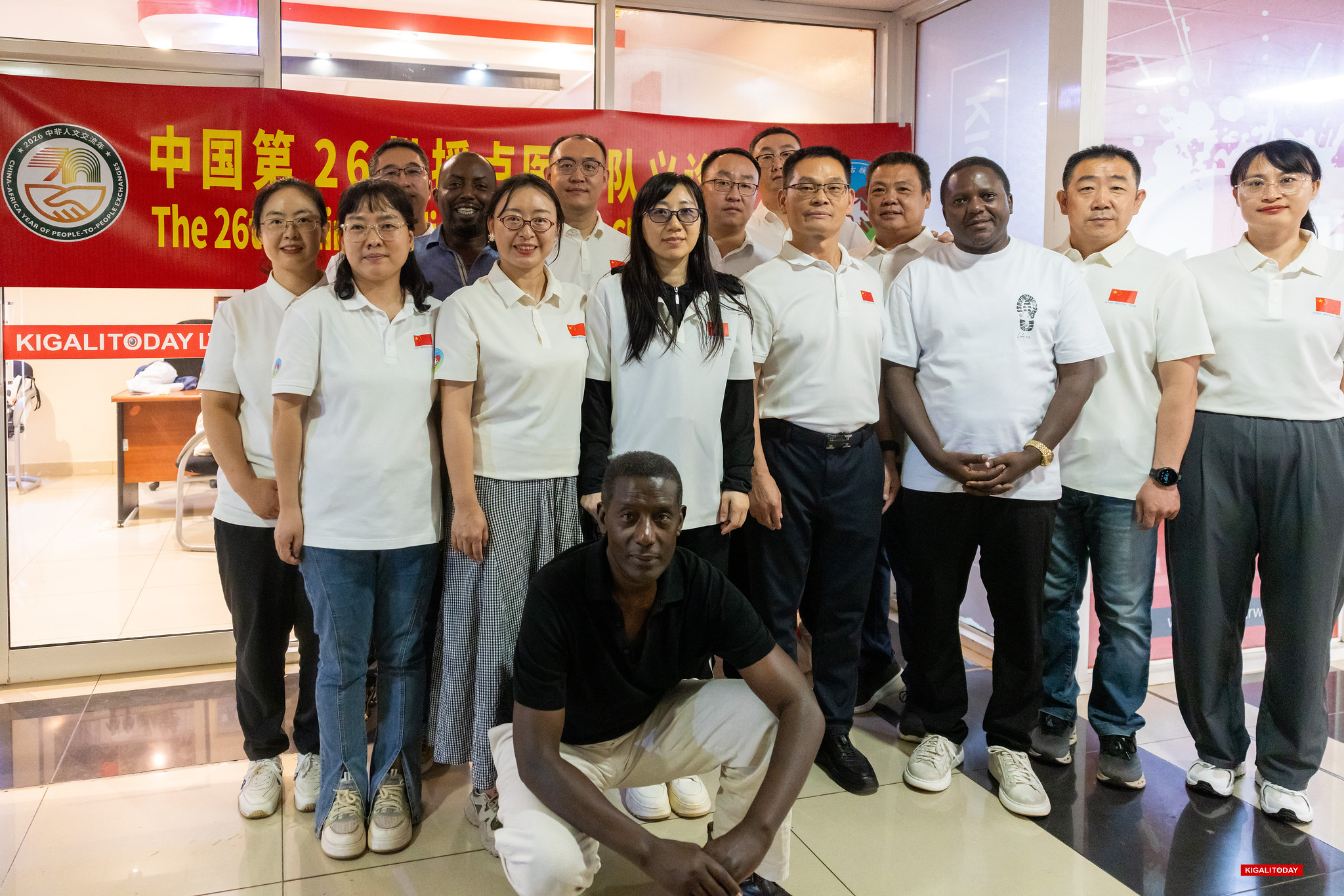
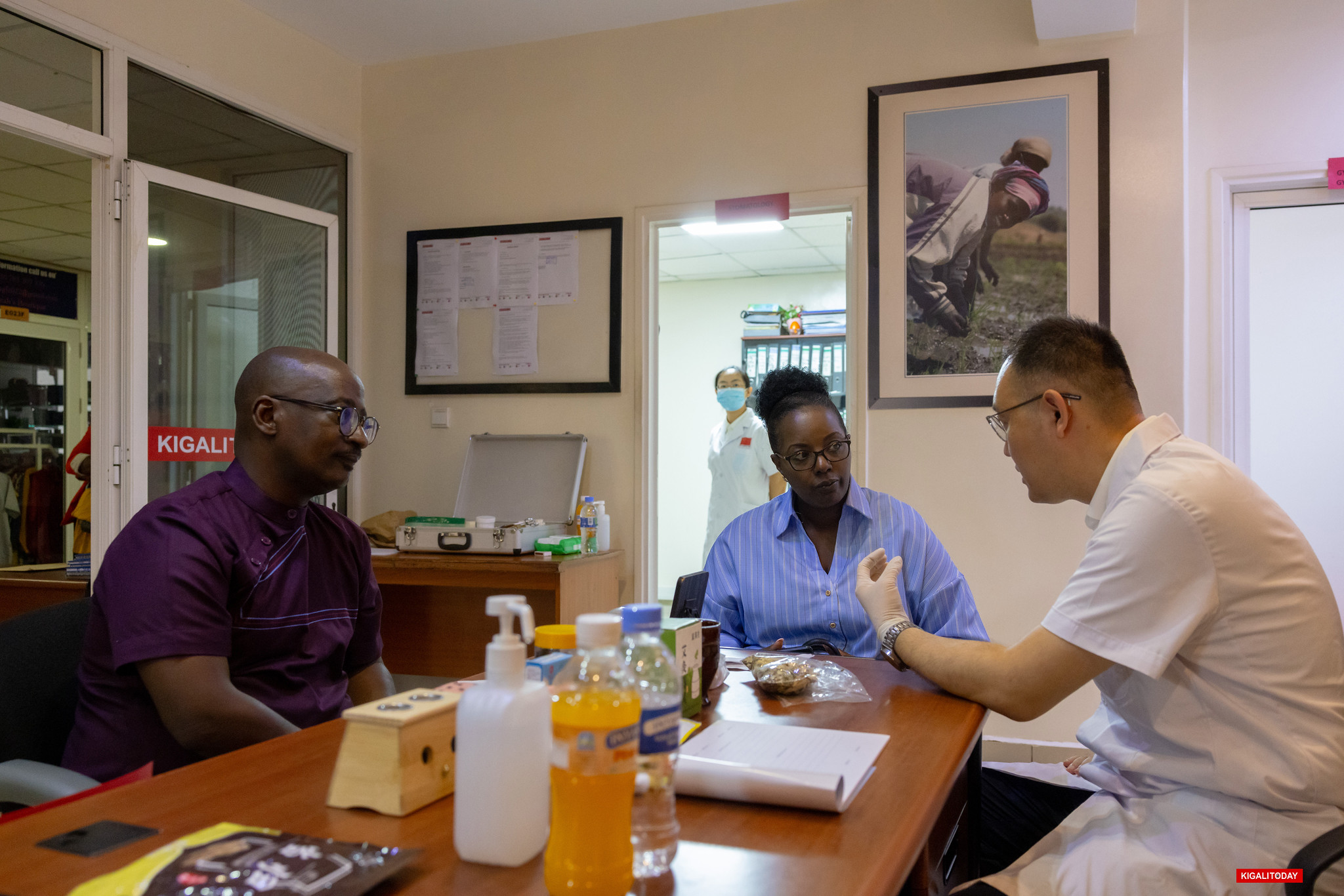
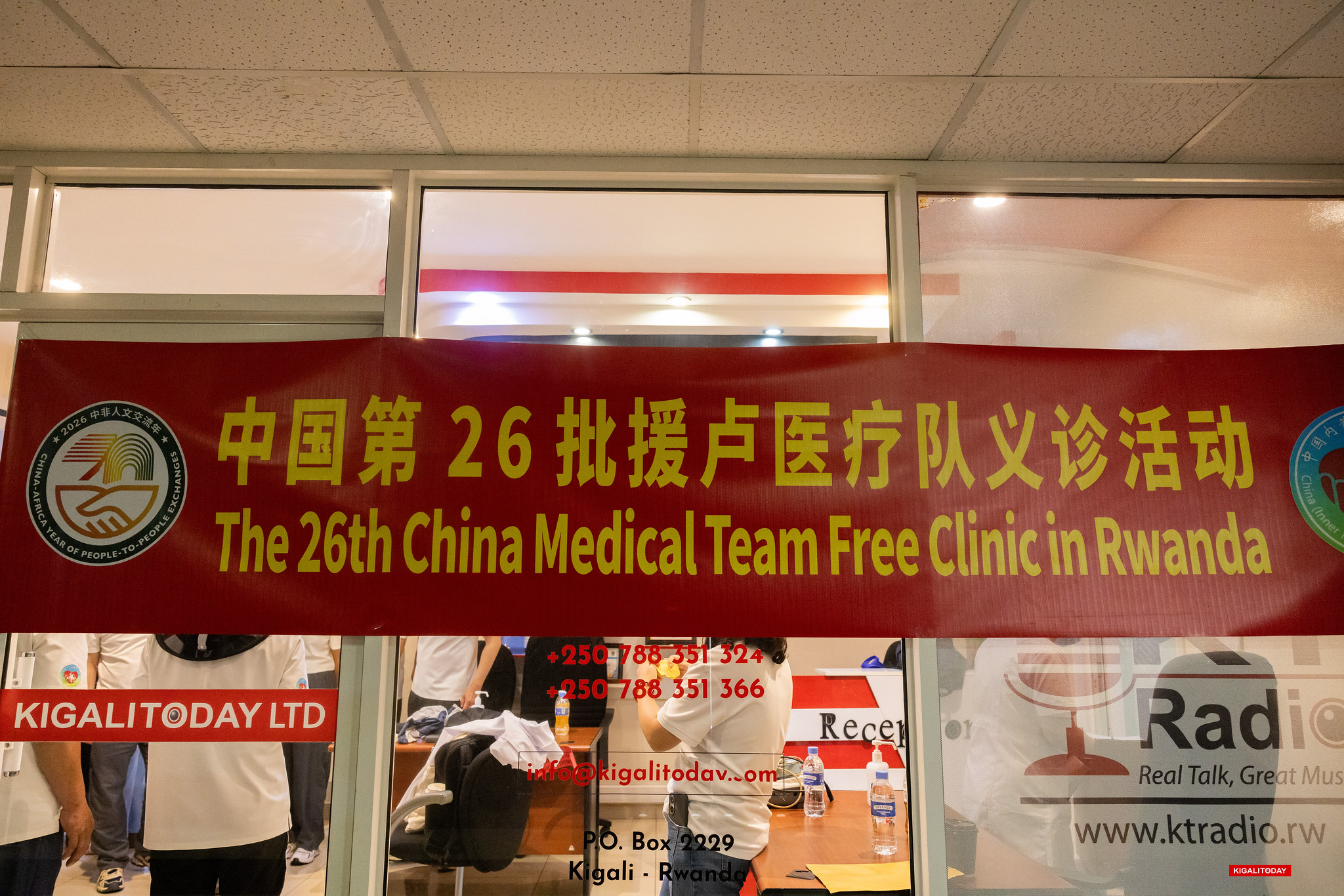
From morning until much of the afternoon, KT played host to the Chinese Medical Team in Rwanda. For KT staff, it was an opportunity to receive general check-ups right at their workplace.
Many brought along their families, so that, if you blinked, the health centre also resembled a crèche, with Chinese doctors and nurses in white coats suddenly taking on the role of kindergarten teachers.
In Chinese philosophy, life is governed by yin and yang — literally light and dark. For harmony to exist, both forces must remain balanced.
That philosophy extends to medicine: to keep the body healthy, it too must be in balance.
For 44 years, China has sent medical teams to Rwanda to support the country’s healthcare professionals. Rwanda is one of more than 50 African countries that host similar teams.
Like all their predecessors, members of the current team display a palpable dedication, professionalism, enthusiasm and deep commitment to making a difference. They heal with skill and with heartfelt smiles.
Although they make a great effort to learn Kinyarwanda, they cannot, of course, master the language in such a short time. Even with dedicated translators, language can still present a challenge.
But the doctors’ and nurses’ attentiveness to their patients is such that, soon after the initial consultation, language becomes less of a barrier.
In addition to general medicine, the Chinese medical teams have introduced Traditional Chinese Medicine (TCM), a holistic health system that dates back thousands of years. Supported by the Chinese state, TCM complements modern medicine and is often practised alongside it.
All About Balance
TCM is based on the belief that the body’s health depends on balancing its vital energy, known as *qi*, and maintaining harmony between the opposing but complementary forces of yin and yang.
At KT, staff were able to experience various treatments designed to restore balance and promote wellbeing.
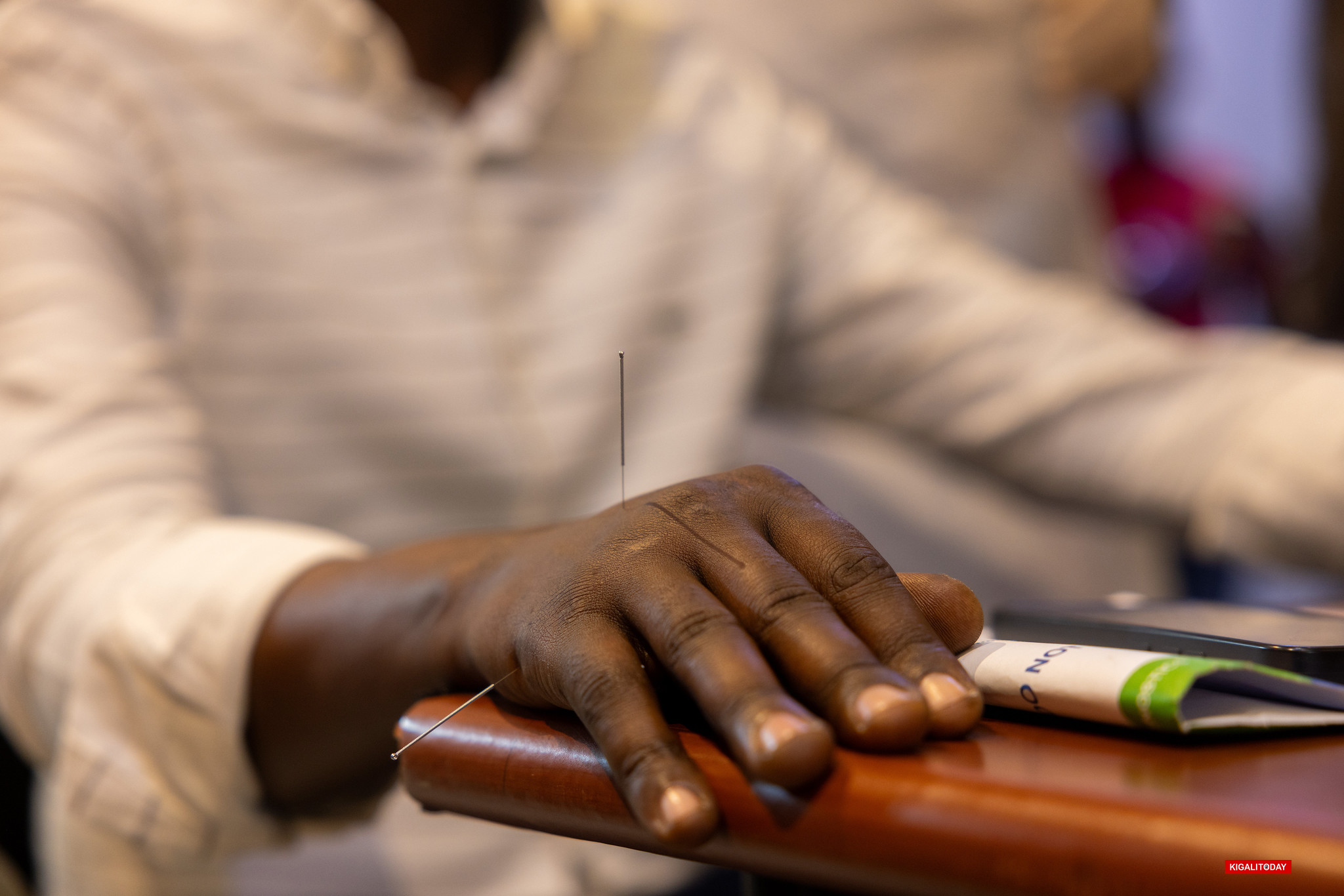
Acupuncture
Acupuncture is traditionally believed to regulate the flow of qi and blood through the body’s meridians — invisible pathways through which vital energy is said to travel. It aims to balance yin and yang, eliminate pathogenic factors and strengthen healthy qi.
Modern medicine recognises acupuncture for its ability to stimulate nerve endings and help regulate the body’s neurohumoral systems, which maintain physiological balance.
Moxibustion
Moxibustion involves burning moxa wool to generate gentle heat, which is believed to penetrate the meridians, warm yang, dispel cold and invigorate qi and blood.
In modern medicine, it is recognised for improving local blood circulation, enhancing immune function and regulating the endocrine system. It has also been found to have anti-inflammatory and pain-relieving effects, and is used in treating gynaecological and gastrointestinal disorders.
Gua Sha
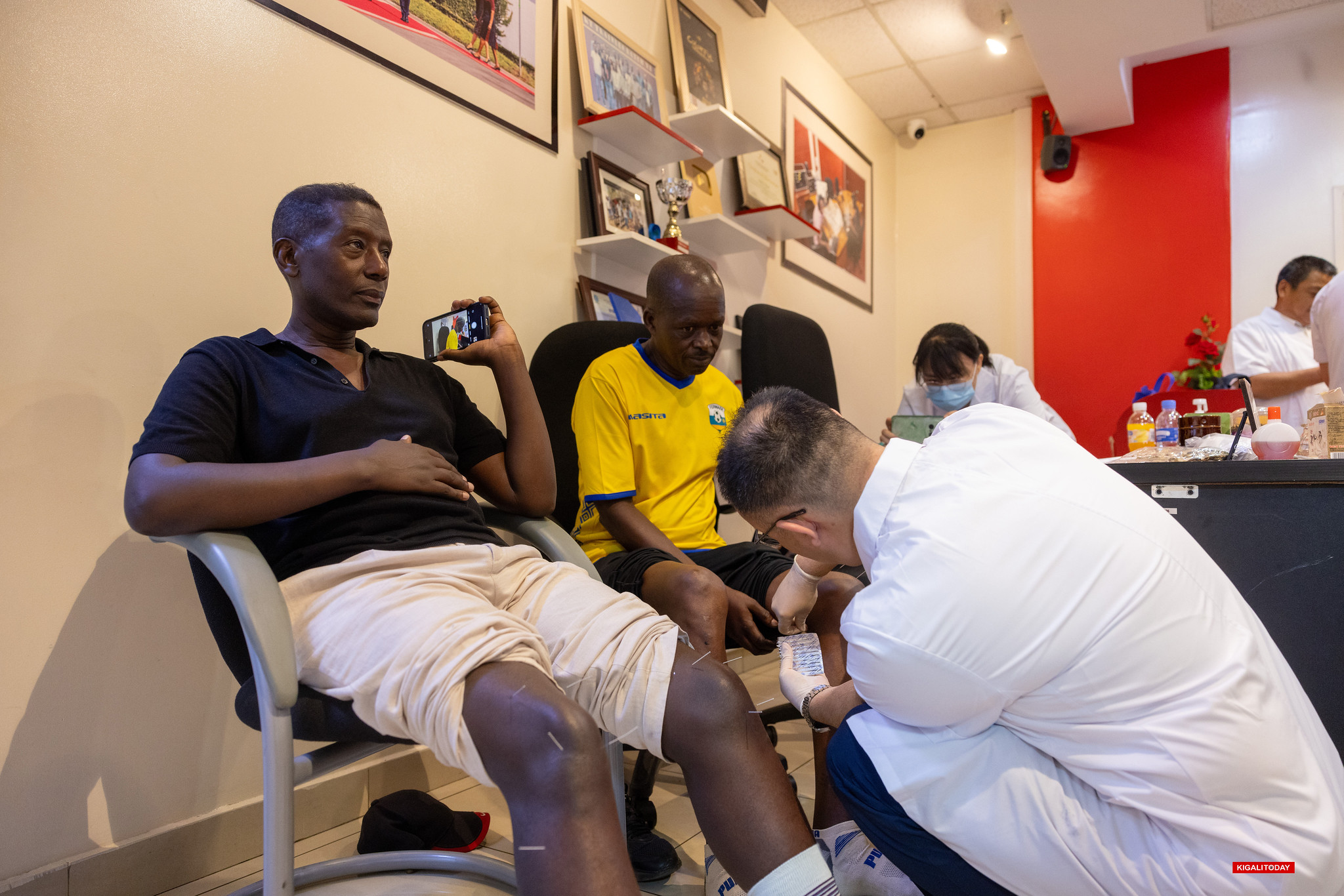
Gua Sha involves gently scraping the skin along meridian pathways to expel pathogenic factors, unblock meridians and promote circulation.
Modern medicine associates the practice with increased blood flow, accelerated removal of metabolic waste, reduced swelling and relief of muscle tension.
It is commonly used to address colds, fevers, muscle soreness, headaches, dizziness and discomfort related to poor circulation.
Tuina (Chinese Massage)
Tuina involves pressing, kneading and rolling along meridians and acupoints to regulate qi and blood, unblock meridians and harmonise the body’s internal systems.
Modern medicine recognises Tuina for relieving muscle tension, improving local circulation, reducing soft tissue adhesions and helping correct joint misalignment.
It is used to treat musculoskeletal disorders such as neck, shoulder and back pain, as well as paediatric conditions, digestive disorders and nervous system conditions including insomnia and facial paralysis.
Cupping
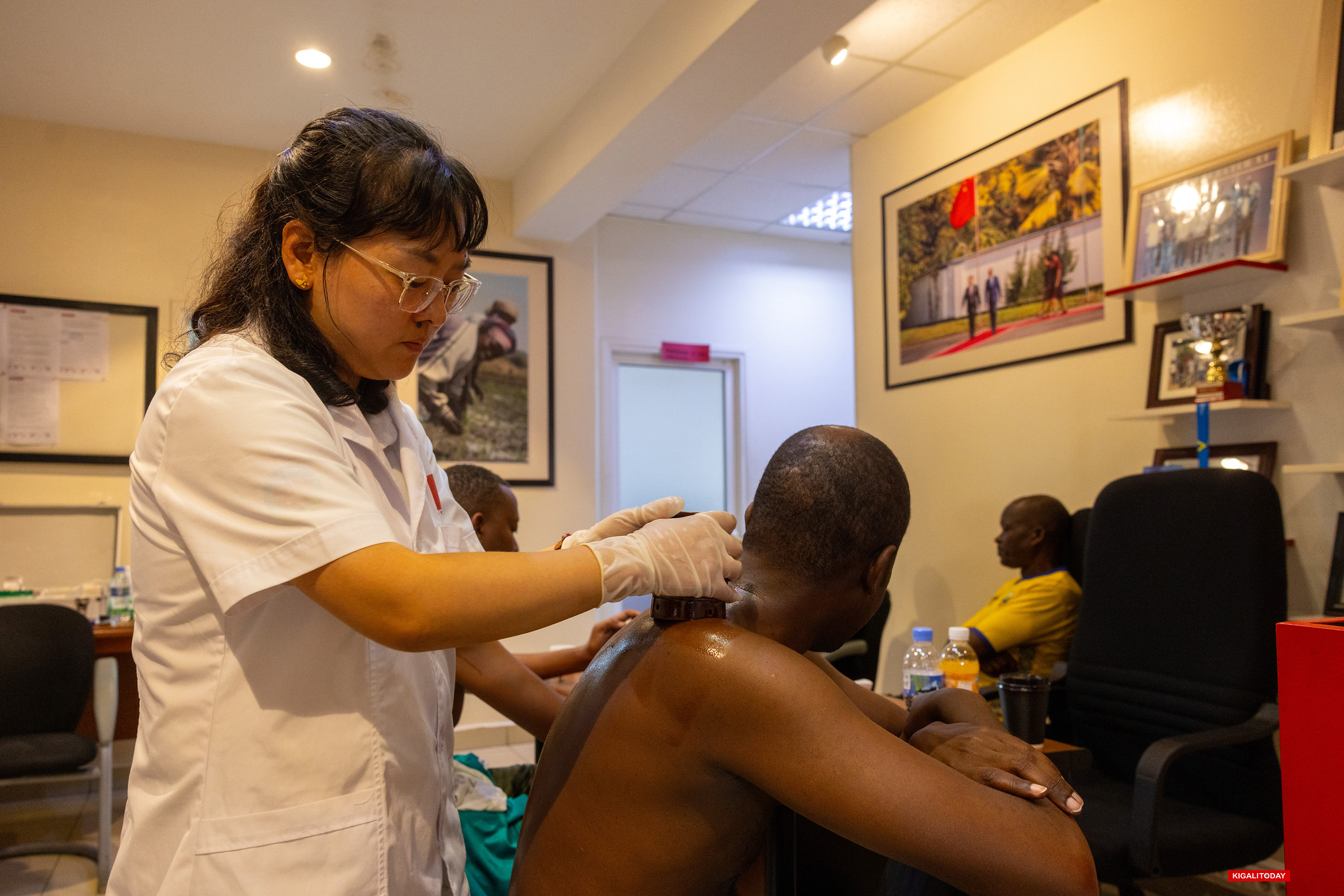
Perhaps the most widely recognised TCM treatment after acupuncture, cupping is used to unblock meridians and improve blood flow by creating suction on the skin.
Modern medicine links cupping to improved circulation, accelerated lymphatic drainage, relief of muscle spasms and anti-inflammatory effects.
A Growing Following in Rwanda
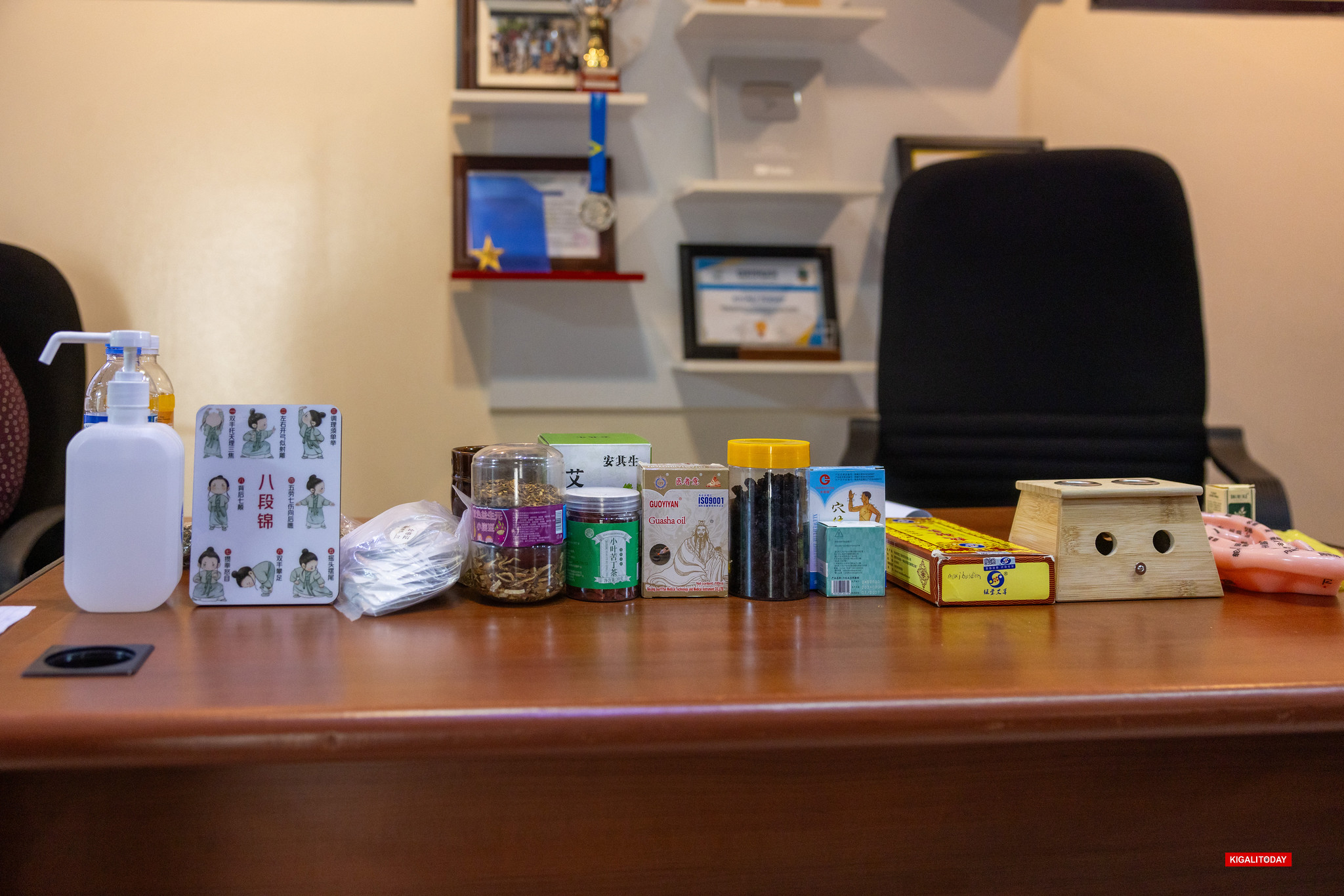
The majority of people in China continue to use TCM, and many doctors combine it with modern medicine.
For example, a doctor may use conventional medicine to reduce a high fever, then turn to TCM to address the underlying causes.
Rwandans, too, have embraced TCM. At Masaka Hospital, where the Chinese Medical Team is based, both TCM specialists and general practitioners are greeted each day by long queues of hopeful patients.
So if you are hoping to have your qi invigorated, be prepared to wait.