BK CEO Dr Diane Karusisi chats with Chinese Ambassador to Rwanda, Gao Wenqi, during the reception at M-Hotel, Kigali
Bank of Kigali is positioning itself to capture more of the financial business generated by Chinese companies operating in Rwanda, as trade between the two countries creates demand for faster cross-border payments, trade finance and investment services.
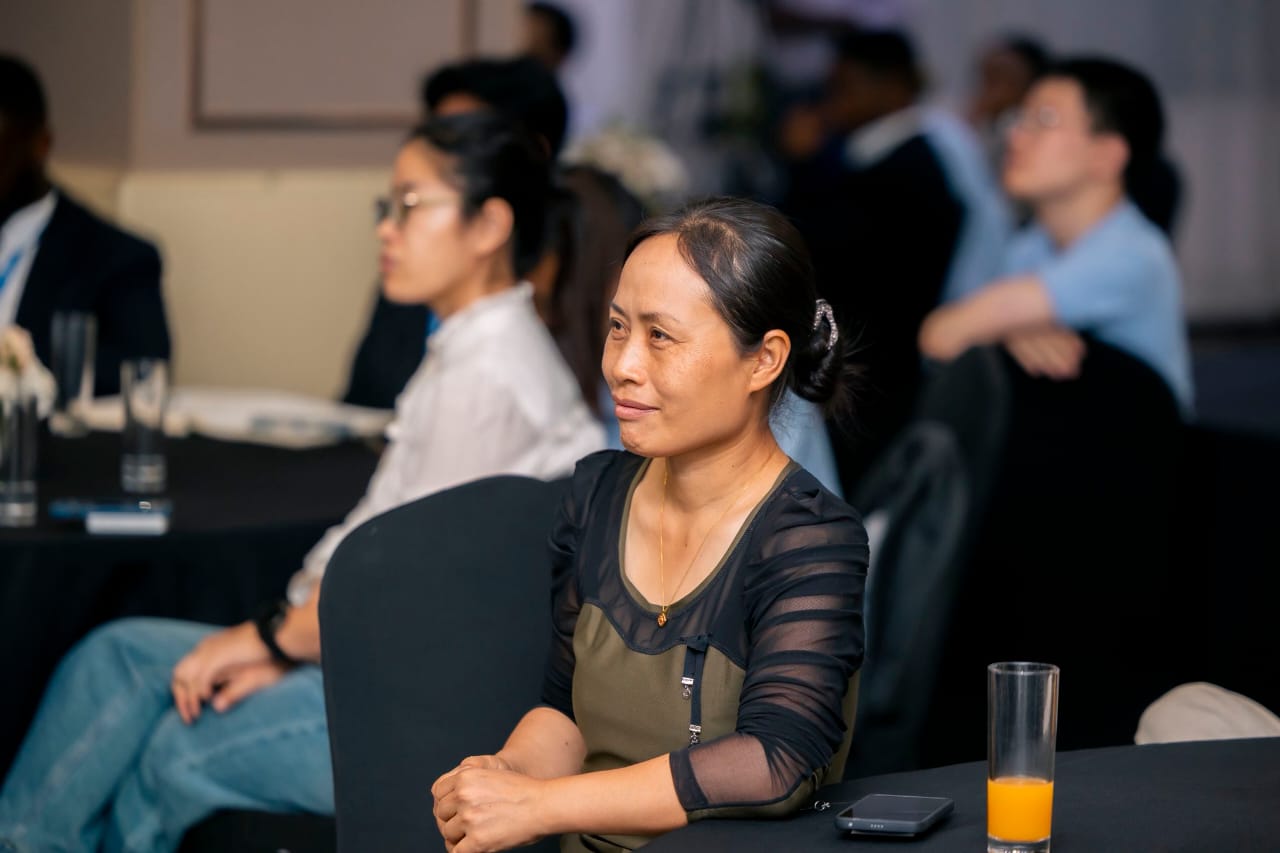
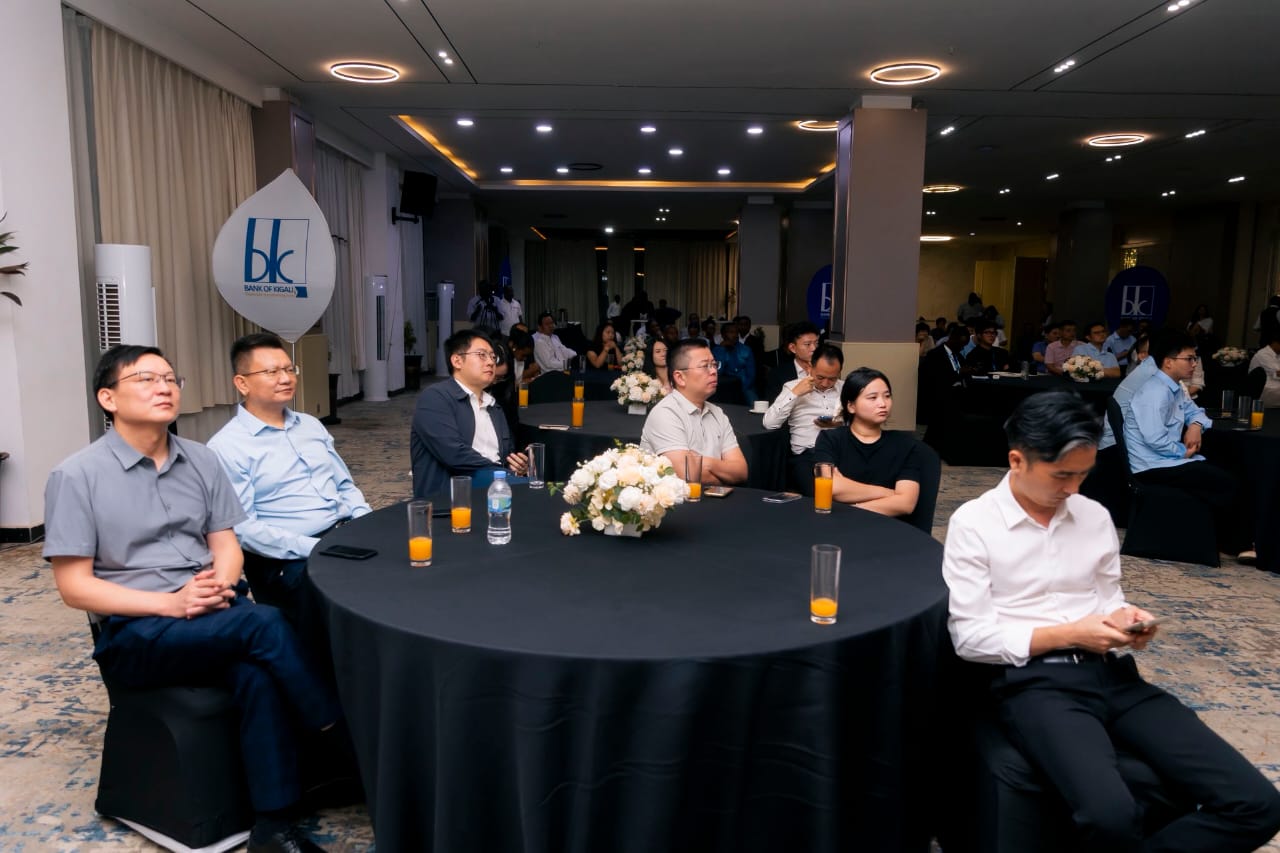
The bank hosted members of Rwanda’s Chinese business community at M Hotel in Kigali on Friday, August 21, through its BK Business Club. The gathering brought together Chinese businesspeople, BK executives and partners for discussions on banking, trade and investment between the two markets.
The audience represents a significant commercial segment. More than 1,500 Chinese nationals were living in Rwanda in 2024, according to figures cited at the event, with many engaged in business and already banking with BK.
For the bank, the opportunity lies in the nature of those businesses. Many Chinese companies operating in Rwanda maintain commercial links with China, from sourcing equipment and goods to making payments to suppliers and transferring profits or working capital.
BK is seeking to build services around those transactions.
Its Corporate Banking team presented products including corporate accounts, working-capital facilities, Letters of Credit, equipment and investment financing, project finance and trade-finance solutions.
The bank also offers bid, performance and advance-payment guarantees, which are used by companies participating in tenders and executing contracts.
Cross-border payments were a particular focus.
BK introduced Alipay transfers in 2022, allowing Chinese customers in Rwanda to send money to China through the bank’s mobile and banking channels. The bank says nearly $2 million was transferred from Rwanda to China through Alipay in 2023.
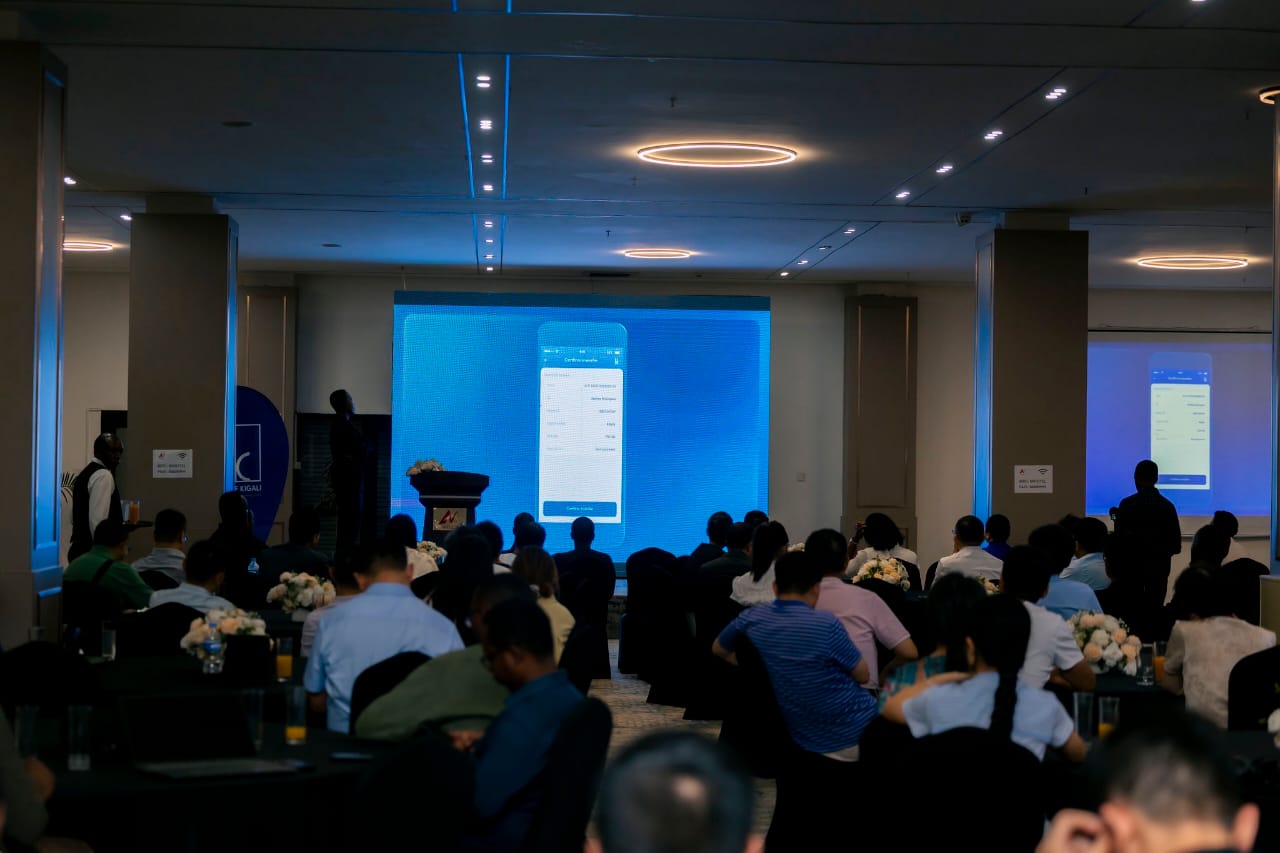
BK now wants to expand the arrangement in both directions, allowing money to move from China into Rwanda more directly. It is also considering RMB-denominated accounts that would allow Chinese customers to hold funds in Chinese yuan rather than first converting them into Rwandan francs or US dollars.
The bank is simultaneously working towards becoming Rwanda’s first direct participant in China’s Cross-Border Interbank Payment System, or CIPS.
The system is China’s infrastructure for cross-border renminbi payments. As of June 2026, it had 210 direct participants and 1,619 indirect participants worldwide, including 103 indirect participants in Africa.
For Rwanda-based Chinese companies, direct access could reduce some of the friction involved in moving RMB between the two countries and give BK a more central role in the payment flows generated by bilateral trade.
Chinese Ambassador to Rwanda Gao Wenqi highlighted the CIPS project at the event, describing it as an important development for making RMB payments between Rwanda and China more direct, efficient and cost-effective.
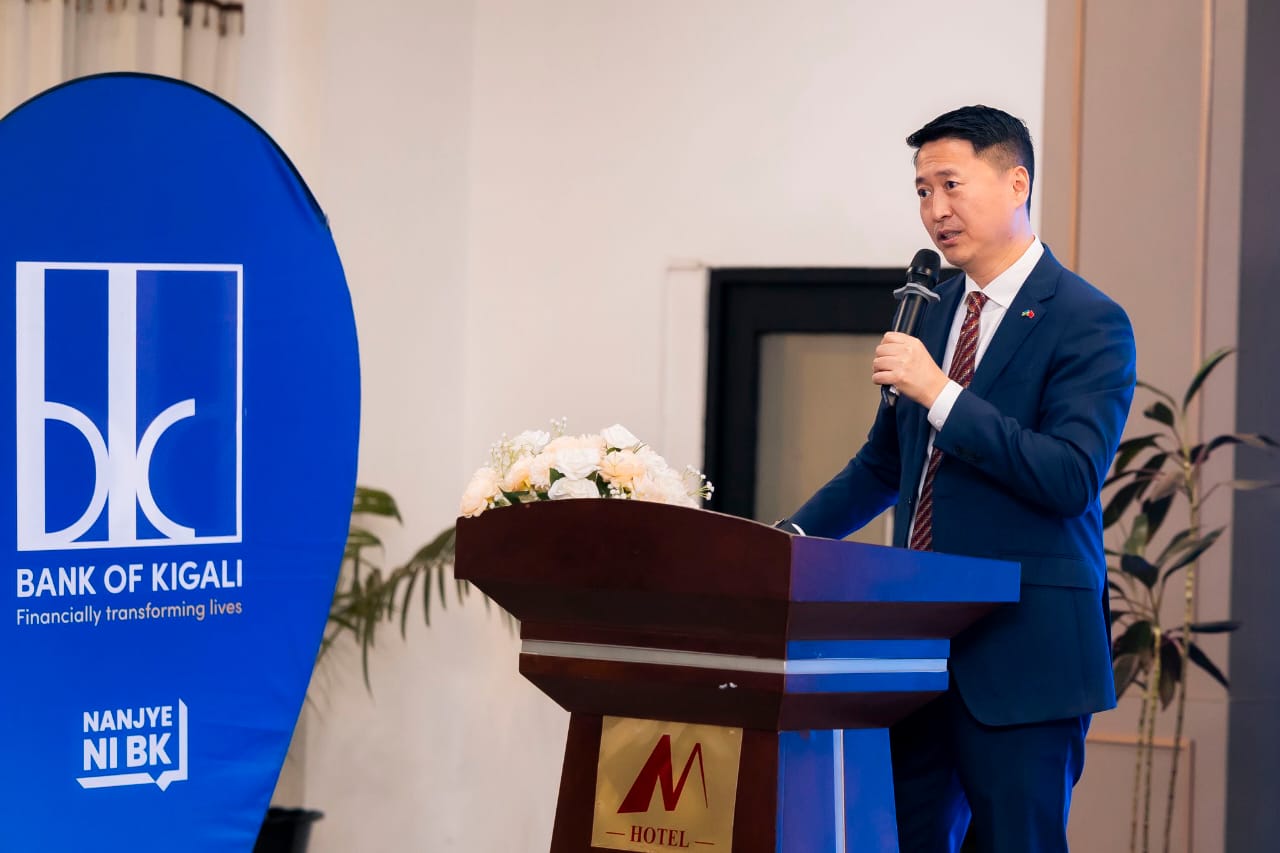
He also placed the banking relationship within the wider bilateral relationship, which this year marks 55 years of diplomatic ties between Rwanda and China.
Dr Diane Karusisi, BK’s CEO, said the composition of the Chinese community makes it an important business segment for the bank.
“Many of them have companies they have established in construction, they have hotels, and they need various services,” she said. “Many of their goods are in China, and they ask us how we can help them bring things from China, and how they can send money back home.”

The bank’s pitch is therefore not limited to payments. It is aimed at financing the businesses themselves, from working capital and equipment purchases to larger investments and projects.
The Chinese community also has an established relationship with BK. In 2024, the bank hosted a Chinese New Year event for its Chinese customers, using the occasion to acknowledge the community and collect feedback on its banking services.
Li Yanduo, who represented the Chinese community at the latest gathering, said Chinese businesses had been working with Rwandan counterparts in trade, investment and other areas.
“We have done everything possible to support Chinese traders and investors in establishing their businesses in Rwanda, building strong relationships and developing their activities over the long term,” he said.
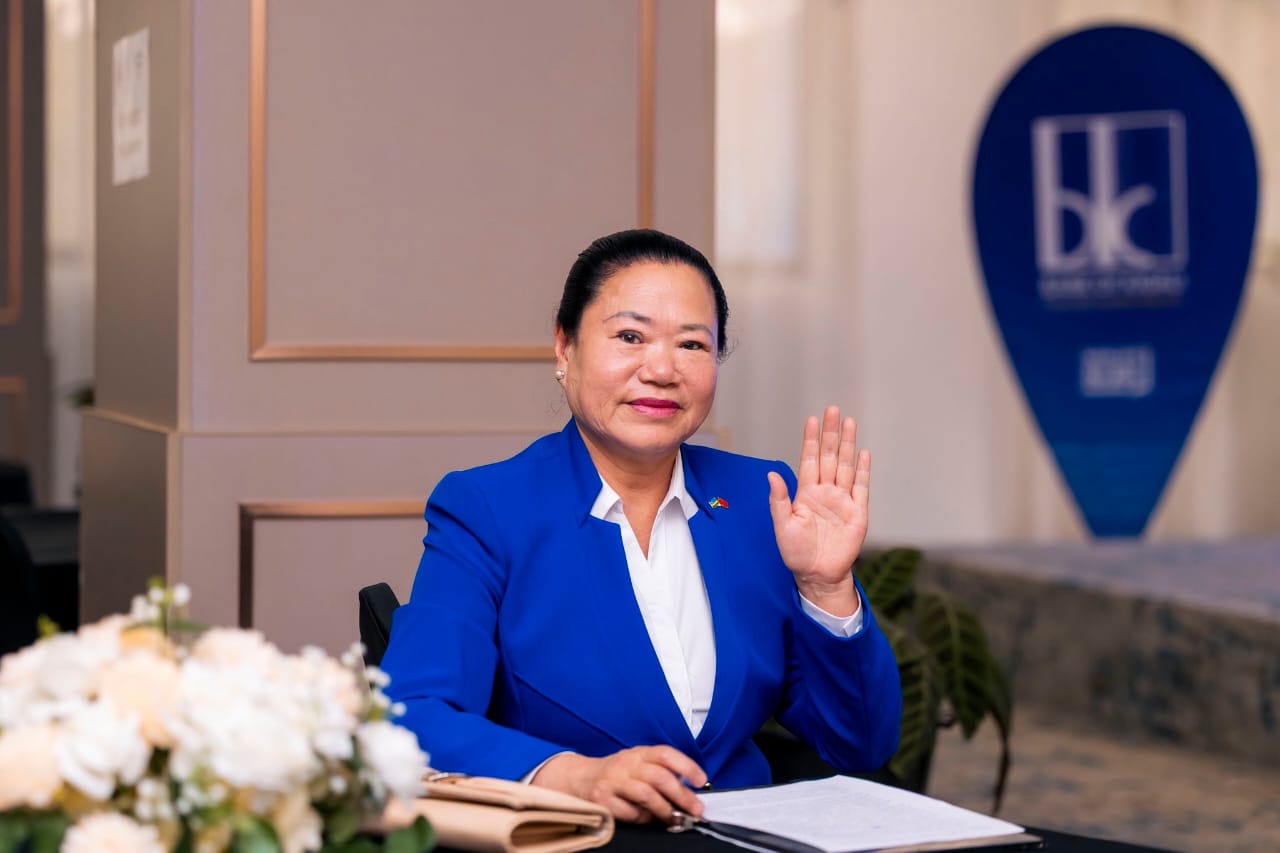
BK currently works with three Chinese banks — Bank of Communications, China Construction Bank and Bank of China — to facilitate transactions between the two markets.
It plans to increase that network to six Chinese banks by the end of 2026.
The expansion comes as economic activity between Rwanda and China continues to generate demand for financial services. Trade between the two countries rose sharply between 2021 and 2024, reaching about $1.76 billion in 2024, according to figures cited by the Chinese Embassy and local reporting.
That trade is heavily weighted towards imports from China, making efficient payment channels particularly important for Rwandan and Chinese businesses sourcing goods and equipment from the Chinese market.
For BK, the Chinese business community offers a customer base with a distinct financial profile: companies that require banking services in Rwanda while maintaining a constant commercial connection to China.
The bank’s CIPS ambitions, its relationships with Chinese banks and the expansion of services such as Alipay are consequently part of a broader attempt to make itself a financial link between the two markets.
The test will be whether those systems can make cross-border transactions materially cheaper and faster for businesses — and whether BK can translate the growing Rwanda-China commercial relationship into a larger share of banking revenues.