



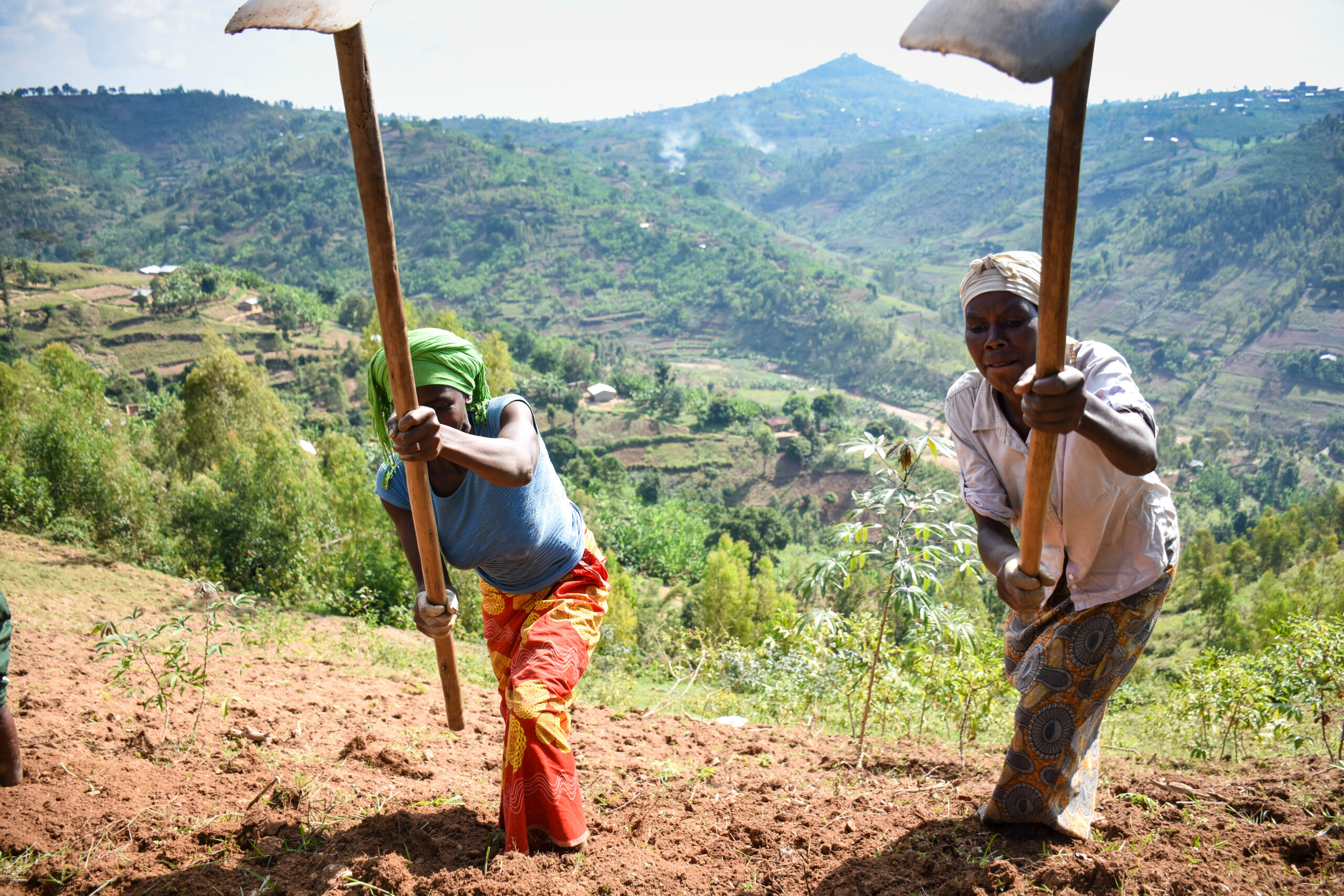
Agriculture is at the heart of Rwanda’s economy, employing most of our people, putting food on every table, and driving national growth. In rural areas, it is more than just work – it is an important foundation of family income and a pillar of community life.
At the center of this story are women. Across the country, they make up the majority of smallholder farmers. In fact, 79% of Rwanda’s agricultural workforce is made up of women, women whose hard work, skills, and resilience sustain households and supply our markets. They do far more than plant and harvest. They keep families nourished and healthy, and knit together the social fabric of life. When women farmers succeed, entire communities flourish.
And yet, for all their contributions, women in agriculture still face significant barriers to equality. This is why Gender Equality Day matters. It is not just a celebration of women or progress made towards gender equality, but a reminder of the work still to be done to ensure women have equal access to resources and opportunities in Rwanda’s agricultural sector.
What women farmers face and what has been done
Rwanda has made important progress in advancing women’s land rights. Today, women actually hold land titles at higher rates than men, thanks to the Land Tenure Regularization program of 2008. Yet, despite this milestone, deeper barriers remain. In many farming households, men still control farm income and decide how it is spent, limiting women’s agency and their ability to invest in productivity or household needs.
Access to finance is another hurdle, with many women unable to secure loans to invest in improved seeds, fertilizer, or farming equipment, which restricts their ability to boost productivity. A further challenge arises from cultural expectations and the double burden of farm work and household duties, which often leave women with little time to attend training that could strengthen their farming skills.
It is worth noting that the government and a number of its partners have already taken important steps in making farming knowledge, inputs, and services more readily available to farming communities and women in particular.
For example, the organization I work for, Tubura, is building targeted programs that have already enabled us to work with more than 417,000 women farmers, and we aim to reach even more. With 63% of our senior field team leadership and 54% of field officers being women, we ensure women’s voices guide decision-making. The human-centered design approach we use treats women as partners in shaping services, while flexible trainings like short audio lessons and pocket cards with simple visuals ensure knowledge is available and fits around their daily routines. In addition, our upcoming Kwiharika campaign aims to attract more young women into farming by addressing land access challenges. However, we believe that more can and should be done.
Why and how should the momentum grow
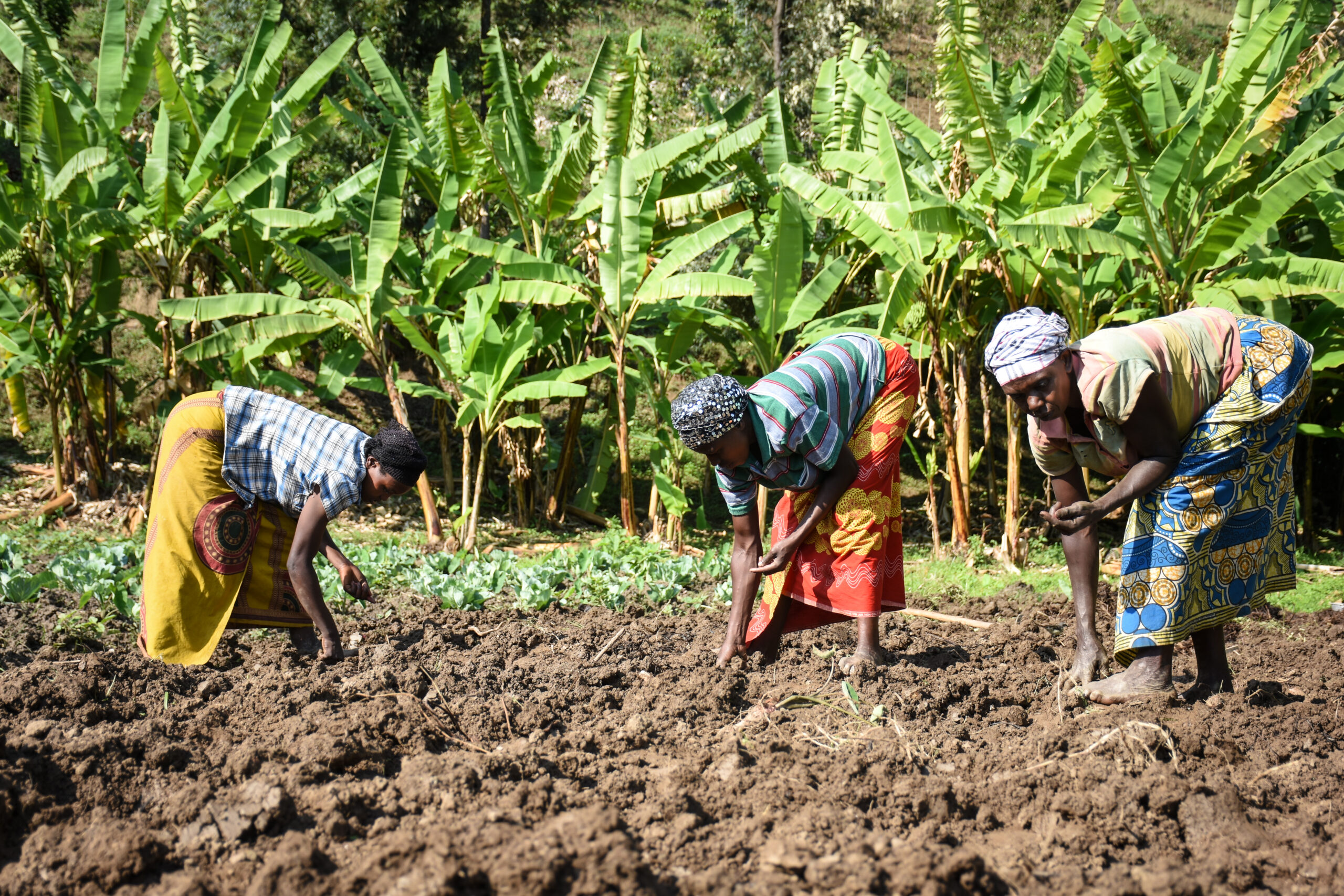
The economic and social gains of supporting women farmers are enormous. Studies show that if women had the same access to productive resources as men, they could increase yields on their farms by 20–30%. Moreover, the ripple effects go far beyond the fields. Women tend to reinvest a greater share of their income in family health, education, and nutrition, creating a cycle of wellbeing that benefits entire communities. In a country where agriculture underpins rural livelihoods, enabling more women to farm better could mean stronger local economies, more resilient households, a more secure national food supply, and improved GDP.
To unlock this potential, more must be done. Expanding access to finance through flexible repayment models, credit lines, or guarantees can help overcome exclusion from lending. Scaling gender-sensitive trainings with flexible schedules, community learning groups, and mobile-based education ensures more women participate despite household duties or distance. Strengthening market access through programs like Tubura Harvest that link farmers to fair markets where they can earn more from what they grow. Additionally, contract farming and women-led cooperatives can unlock fairer opportunities. Protecting land rights with joint registration, stronger enforcement, and advocacy allows women to invest with confidence. Promoting nutrition-linked farming, such as kitchen gardens and nutrient-rich crops, brings both income and better family health. Finally, elevating women’s voices in cooperatives and policy forums ensures their perspectives shape agricultural transformation.
Together, these steps can create lasting prosperity led by women. As Rwanda works towards its Vision 2050 goals, investing in women farmers is a smart and necessary choice. Government, private sector, and development partners must work together to break down barriers, scale proven solutions, and ensure women have an equal seat at the agricultural table.
Anisha Naluyinda is the Communications and Public Relations Senior Manager at Tubura
