



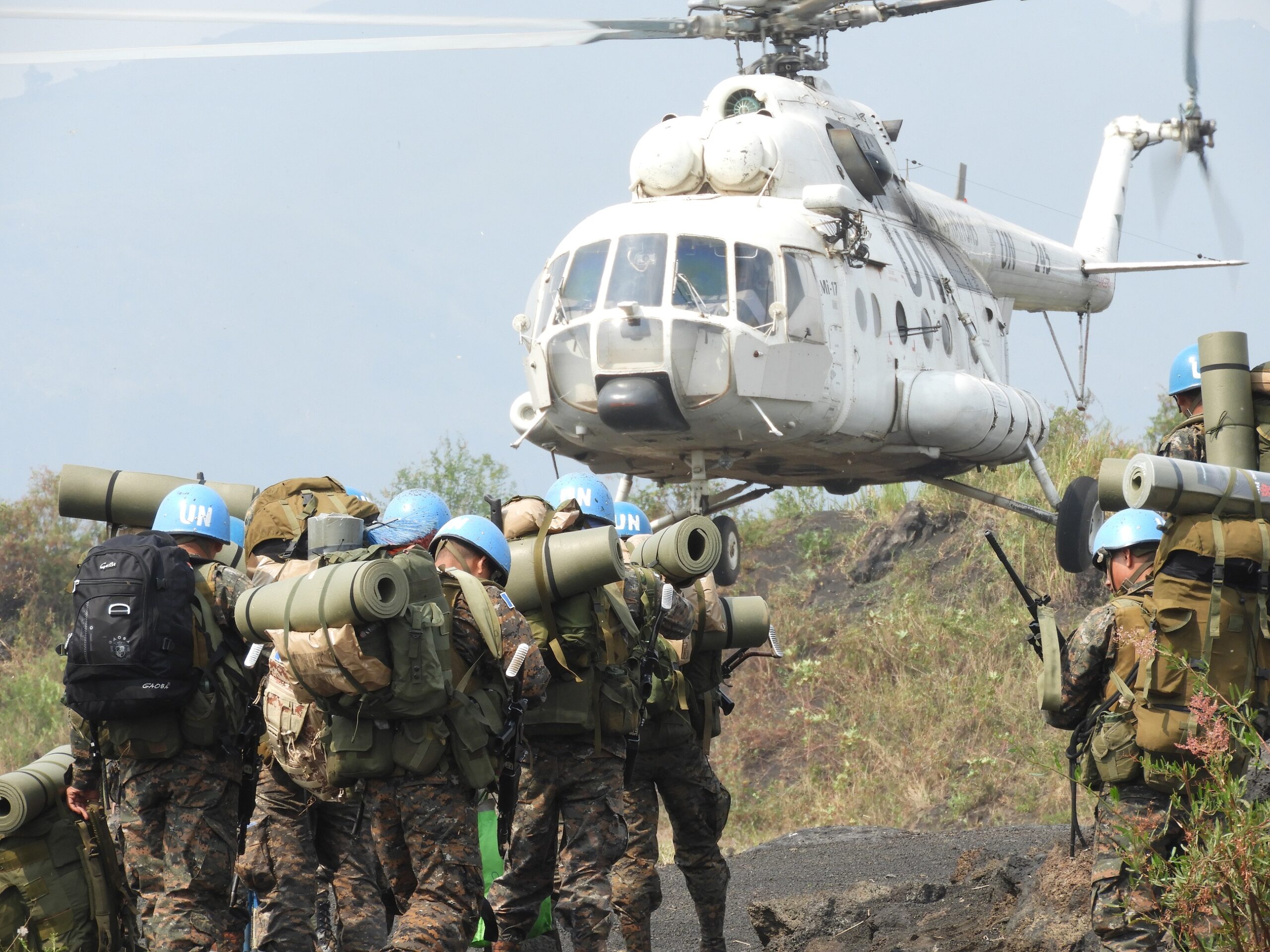
Not all United Nations (UN) peacekeeping missions have failed, but many have struggled or fallen short of their mandates, especially since the 1990s.
Their weaknesses come from structural, political, and operational limits rather than incompetence alone. Here are the main reasons why I think many UN peacekeeping missions are seen as failures:
Weak or unrealistic mandates:
Missions are often given broad political goals (protect civilians, support elections, stabilize states) without the tools to achieve them. Peacekeepers may be authorized to use force only defensively, even when civilians face active massacres.
For example, UNAMIR (Rwanda, 1994) was mandated to observe a peace process, not stop the genocide against the Tutsi, which claimed more than a million lives within 100 days.
Lack of political will by powerful states:
The UN depends on member states, especially the Security Council, for troops, funding, and decisions. Major powers often avoid risk, refuse troop deployments, or block decisive action.
After the Somalia failure (1993), Western states became extremely risk-averse, resulting in under-resourced missions in the most dangerous conflicts.
Insufficient troops and equipment:
Missions are frequently deployed too late, too small, and poorly equipped. For example, UNAMIR (Rwanda, 1994) when the UN withdrew its forces after the massacre of 10 Belgian soldiers.
Other factors include lack of air support, intelligence capabilities, armored vehicles, and rapid reaction forces. For example, Srebrenica (1995) – lightly armed Dutch peacekeepers could not stop the genocide.
Peacekeeping without peace:
Classic UN peacekeeping usually assumes a ceasefire, consent of parties, and neutrality, whereas modern missions are sent into active wars where armed groups ignore agreements and governments are parties to violence.
Example: Rwanda (UNAMIR) – which operated in a country where genocide against the Tutsi was taking place, and DRC (MONUSCO) – operating amid dozens of armed groups with no real peace.
Command and coordination challenges:
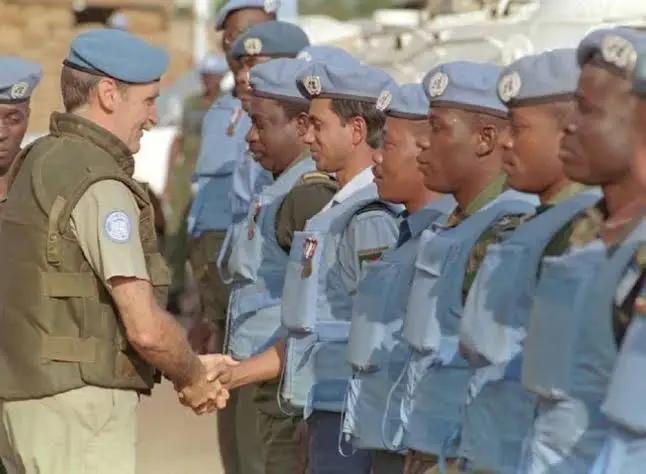
Troops come from dozens of countries with different training standards, language barriers, and some troops refuse to take part in risky tasks (national caveats). Also, UN command lacks full operational control over contingents.
Dependence on host governments:
Peacekeepers are given orders to respect host-state sovereignty, and if the government is abusive or complicit in violence, the UN’s ability to act is very limited.
Governments can also restrict movement deny visas, or block investigations. Example: Sudan (Darfur) where Khartoum restricted UNAMID operations.
Failure to protect civilians:
The most damaging perception of failure comes from Rwanda (1994), Bosnia (1995), and South Sudan (2013–). Even when civilian protection is mandated, troops may arrive late, lack authority to act, and fear political consequences.
Misaligned UN goals and local realities:
Missions often focus on elections, state institutions while ignoring local power structures, ethnic tensions, and economic drivers of violence. Peace becomes technical, not political.
Accountability gaps:
Peacekeepers operate under immunity, making accountability for failures or abuses difficult. Sexual exploitation scandals severely damaged legitimacy. This leads to a lack of trust and cooperation from local populations.
Success is invisible; failure is dramatic:
When peacekeeping works, violence does not happen, making success hard to see, and when it fails, mass death is visible and unforgettable.
UN peacekeeping has succeeded in places like Namibia, Mozambique, Sierra Leone, Liberia, and Côte d’Ivoire. Failures tend to occur where there is no peace to keep, great powers are divided, and where missions are under-resourced.
UN peacekeeping often fails not because it is useless, but because it is asked to do the impossible with inadequate political backing, resources, and authority.
