



When floods swept through Kamonyi District years ago, maize fields that had taken months of labor were flattened overnight. For many farmers, those moments meant more than lost crops—they threatened livelihoods, school fees, and food security.
Today, however, stories from Kamonyi and neighboring districts tell a different narrative: one of recovery, resilience, and renewed confidence driven by agricultural insurance under the Tekana program.
At the center of this transformation are farmers themselves with a changed mindset.
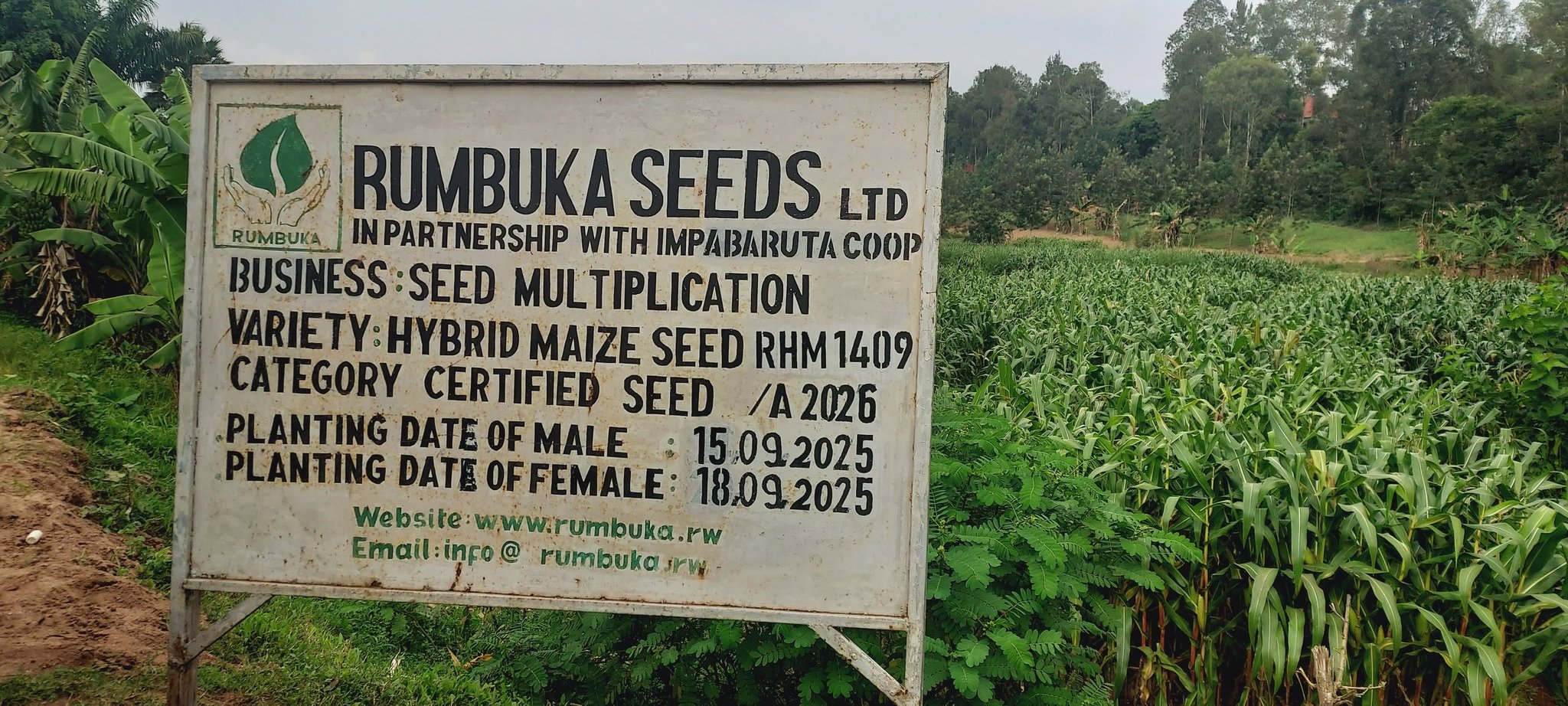
At IMPABARUTA Cooperative in Kamonyi’s Rwabashyashya marshland, memories of loss are still vivid. The cooperative cultivates maize on more than 60 hectares, an investment worth hundreds of millions of francs. Before insurance, every farming season came with fear.
“We lost maize on 60 hectares because of floods. Later, another 30 hectares were destroyed,” recalls Mukansanga Marie Louise, the cooperative’s accountant. “Those losses are unforgettable.”
But when similar floods struck again in 2023, the outcome was different. The cooperative had enrolled in Tekana Muhinzi–Mworozi Urishingiwe*.
“This time, we were compensated with Rwf 32 million,” Mukansanga says. “Insurance saved us.”
Her story mirrors that of many farmers across Kamonyi, Muhanga, and beyond, who say Tekana has turned agriculture from a gamble into a manageable business.
Over Rwf 8 Billion Paid Out:
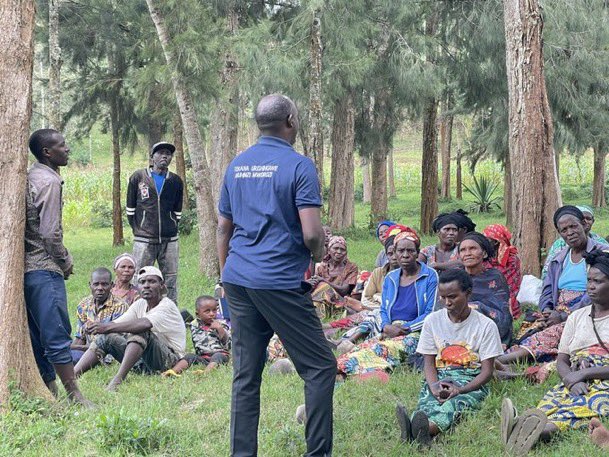
According to Joseph Ntezimana Museruka, Project Manager of the National Agriculture Insurance Scheme (NAIS), popularly known as Tekana, farmers and livestock keepers enrolled in the program have so far received more than Rwf 8 billion** in compensation.
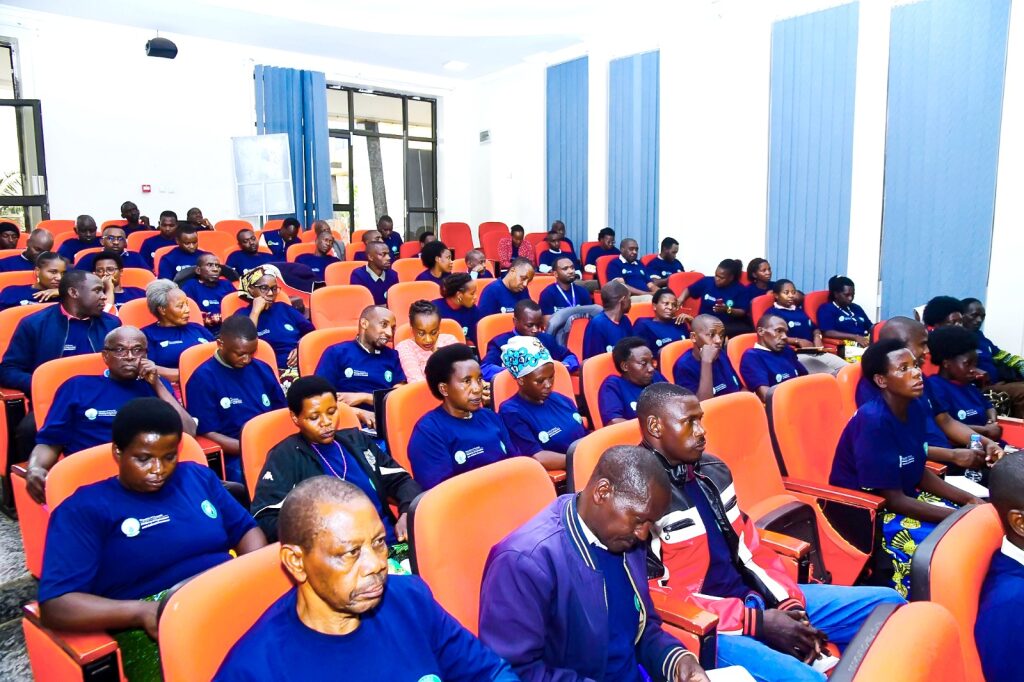
Museruka made the remarks on January 12, 2026, during an awareness campaign in Kamonyi District that brought together farmers and livestock keepers from across the area.
“Since the launch of Tekana Muhinzi–Mworozi Urishingiwe, beneficiaries who insured their crops and livestock have collectively been compensated more than Rwf 8 billion,” he said.
“This insurance protects farmers against losses caused by climate change, diseases, and pests.”
He added that beyond compensation, insurance is unlocking access to finance.
“When crops and livestock are insured, banks are more willing to provide loans. Insurance turns farming into a credible investment.”
From Loss to Growth:
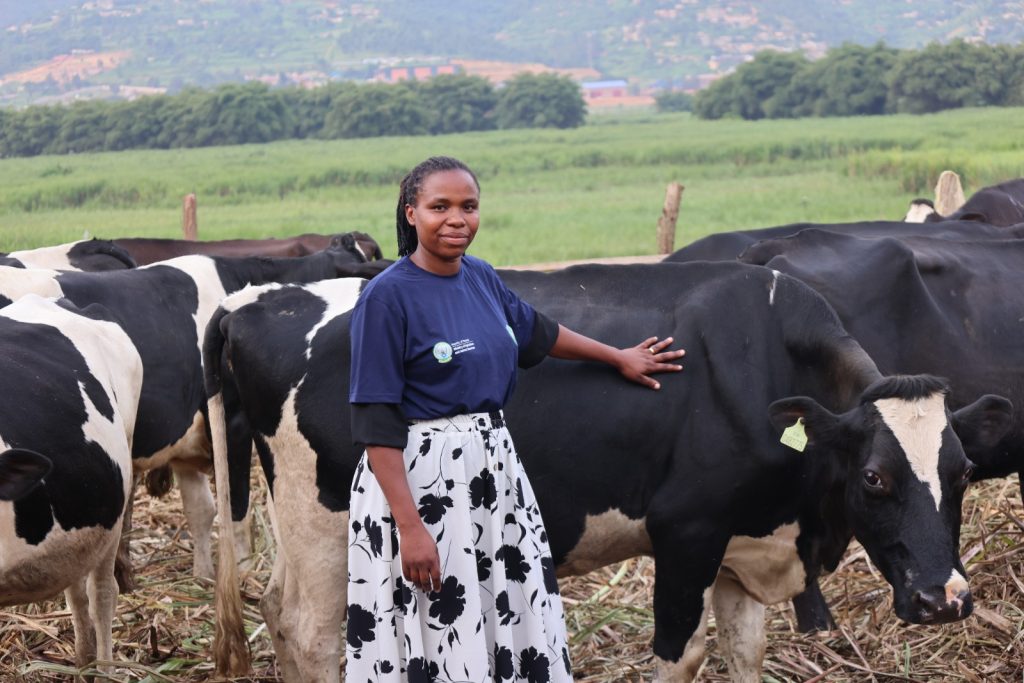
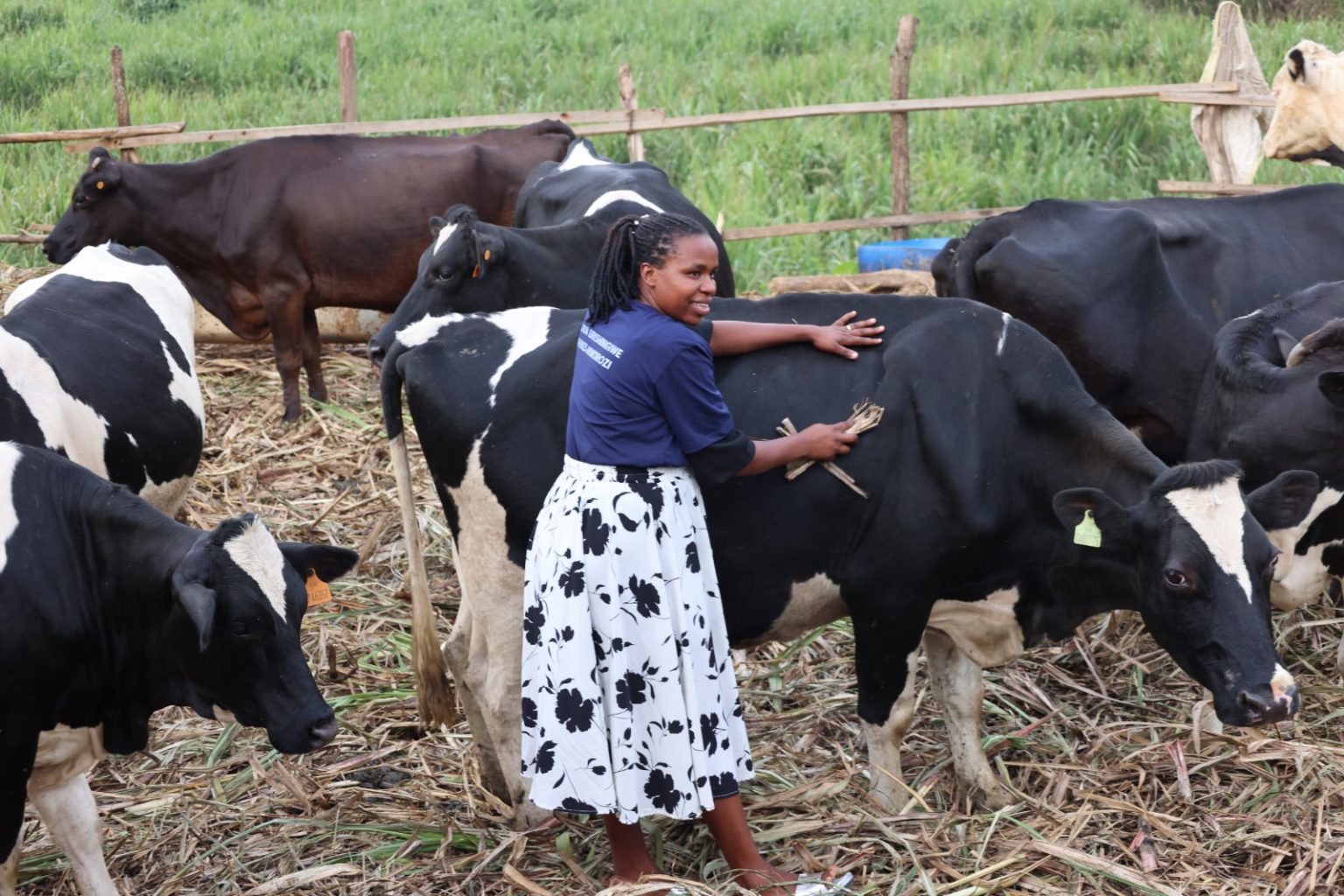
For livestock farmers like Bernadette Nyiranshimimana from Kamonyi District, Tekana brought peace of mind after painful lessons.
“I lost two cows before I had insurance,” she says. “That experience showed me how vulnerable livestock farming can be.”
After enrolling her cows in Tekana, one fell ill and died. This time, she was compensated.
“That compensation helped me recover quickly and continue farming,” Nyiranshimimana explains. “Instead of starting over, I moved forward.”
From owning a single cow, she now runs a growing dairy enterprise. Her story highlights a core message echoed throughout Tekana campaigns: insurance does not replace hard work—it protects it.
Local Leaders Push for Wider Coverage
Kamonyi District Mayor, Dr. Sylvère Nahayo, says the awareness campaign aims to scale up participation, particularly in livestock insurance.
“Our target for 2025–2026 is to insure 3,500 cows,” he said. “Currently, 80% of pigs are insured, poultry coverage stands at 100%, and all rice and maize farmers in marshlands are insured.”
However, he noted that individual farmers outside cooperatives are still joining in lower numbers.
“We are encouraging those who have received compensation to share their experiences. Real stories convince more than theory.”
Muhanga: Confidence Replaces Fear
In neighboring Muhanga District, similar stories are unfolding. In Shyogwe Sector, farmers under KOKAR Cooperative cultivate rice and maize in Rugeramigozi II marshland. The cooperative brings together about 500 members.
Before Tekana, fear dominated every season.

“Floods, drought, hailstorms—we could lose everything,” says Nyirahabimana Consolée, a rice farmer in her early thirties. “When we learned about Tekana, we immediately insured our crops.”
In 2023, a hailstorm destroyed about eight hectares of rice just before harvest. After assessment, the cooperative received Rwf 3.5 million in compensation. Another hailstorm destroyed maize on three hectares, leading to Rwf 2 million in payouts.
“Tekana is why I encourage other farmers to join,” Nyirahabimana says. “It works.”
Nzabihimana Naphtal, agronomist of KOKAR Cooperative, notes that the cooperative currently insures 40 hectares of rice and 30 hectares of maize.
“Insurance has changed how farmers think,” he explains. “We no longer farm with fear.”
### A National Safety Net in a Changing Climate
Launched in 2019 by the Ministry of Agriculture and Animal Resources (MINAGRI) and implemented by RAB through its Single Project Implementation Unit (SPIU), Tekana is designed to shield farmers from increasing climate risks. The government subsidizes 40% of insurance premiums for smallholder farmers, making coverage affordable.
Nationally, NAIS has insured nearly 190,000 farmers and livestock keepers, with government investment in premium subsidies reaching Rwf 5.95 billion. Compensation paid out so far stands at Rwf 8.19 billion, split between crops and livestock.
Museruka acknowledges challenges remain.

“Misinformation is still a big issue,” he says. “Some claim Tekana does not compensate, yet many losses are due to negligence, which is not covered. Where losses meet the criteria, Tekana has always paid.”
Farming With a Future:
As climate shocks intensify, Tekana is steadily reshaping Rwanda’s agricultural landscape. From Kamonyi to Muhanga, farmers who once stood helpless after disasters now rebuild, reinvest, and plan ahead.
For many, the lesson is clear: agricultural insurance is no longer optional—it is essential.
As Nyiranshimimana Bernadette puts it, “Tekana gives farmers the confidence to dream bigger. When shocks come, they no longer destroy everything we have worked for.”
In that confidence lies the future of resilient, sustainable farming in Rwanda.