




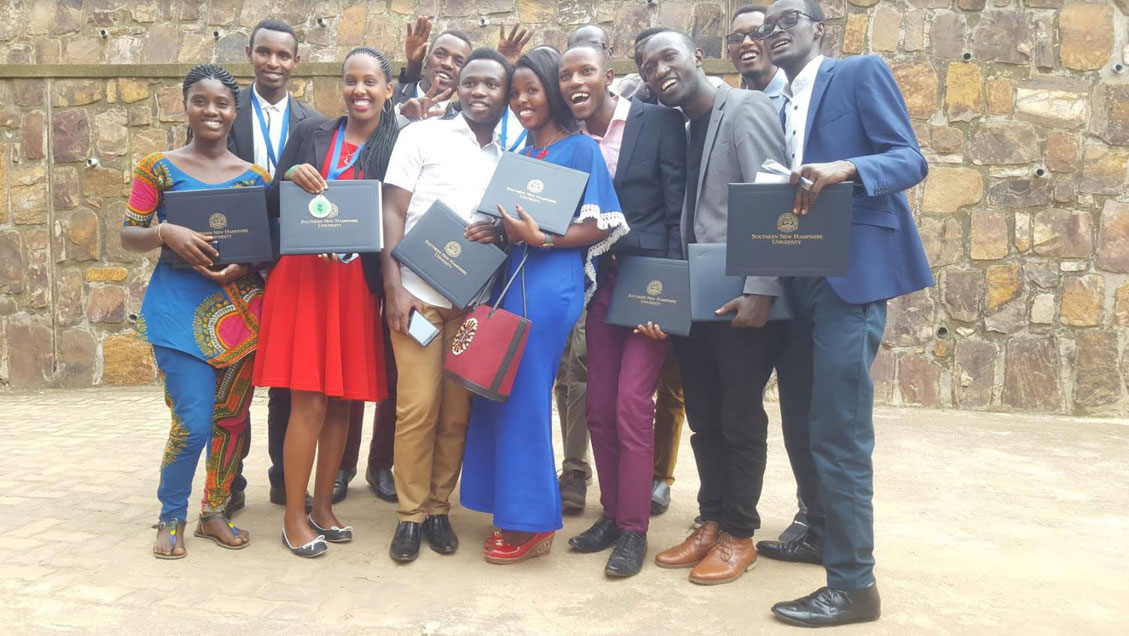
Smiles and achievement: Congolese refugees in Rwanda show their graduation certificates.
For many forced to flee their home countries, exile begins with uncertainty. Conflict, political instability, and insecurity often leave families little time to prepare. Refugees cross borders not in search of opportunity, but in search of safety.
In Rwanda, more than 138,000 refugees live across camps and urban communities. While the term “refugee” often evokes images of vulnerability, the reality for many in Rwanda is increasingly defined by inclusion, participation, and opportunity rather than isolation.
At Mahama Camp in Kirehe District, 128 livestock farmers formed the Indashyikirwa cooperative in 2015, starting with fewer than ten cows. Today, they manage 505 cattle, producing at least 2,500 litres of milk daily.
Their growth followed the construction of modern cattle sheds and structured support that allowed them to expand their activities sustainably. The cooperative’s president, Mon Ami Nzayikorwa Rwamuningi, says their experience reflects a broader sense of belonging. He notes, “Although we are not in our country of origin, we operate under conditions similar to Rwandan farmers and enjoy equal rights in our daily economic activities.”
Inclusion Beyond Shelter
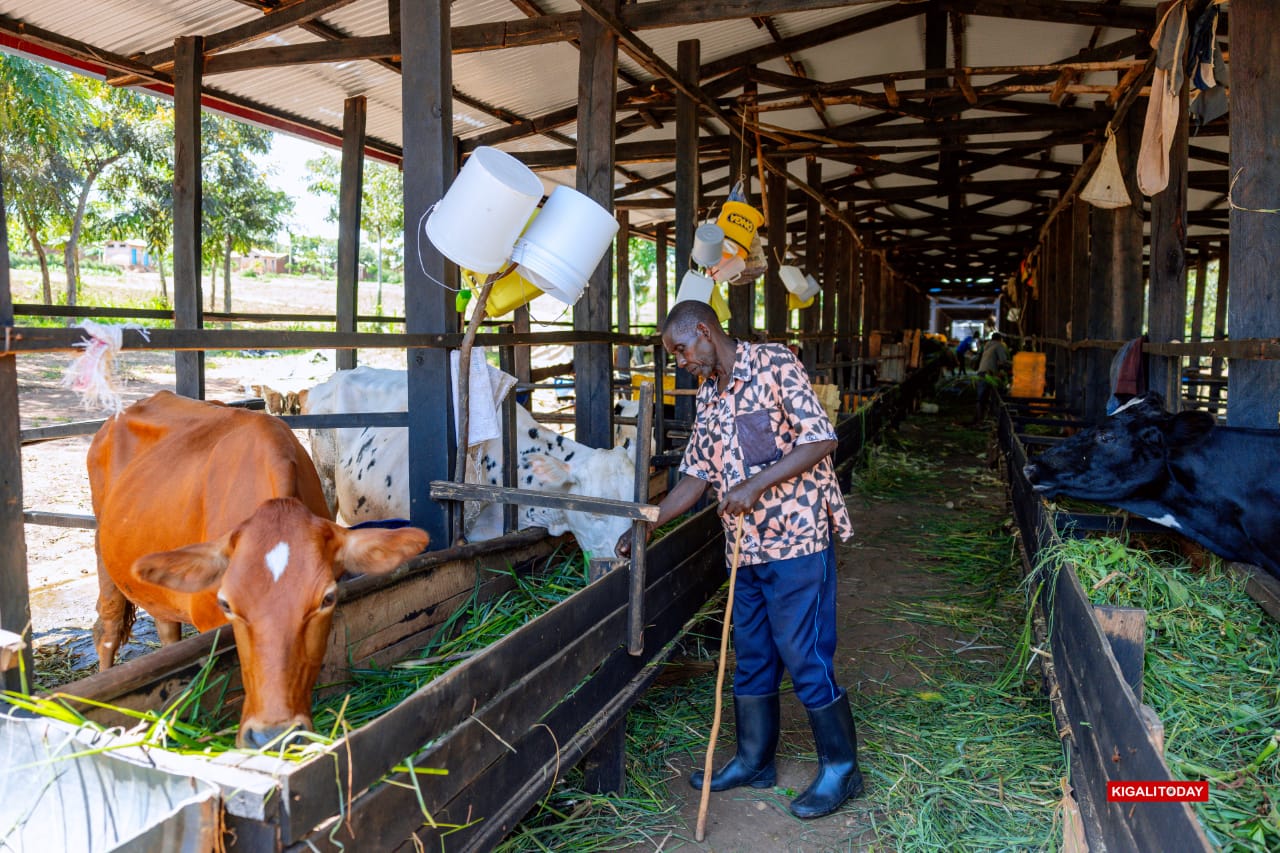
Harindintwari Gilbert: Refugees are supported to improve their livelihoods so they can provide for their families.
Rwanda’s refugee policy provides displaced persons with the right to work, operate businesses, move freely within the country, and access public services. Refugees are issued official identification documents and may travel abroad. They receive healthcare through the same national system as citizens and can seek employment across sectors.
This inclusive approach has enabled many refugees to integrate into local economies. Credit facilities and cooperative structures support small enterprises, while access to land and livestock projects provides pathways to self-reliance.
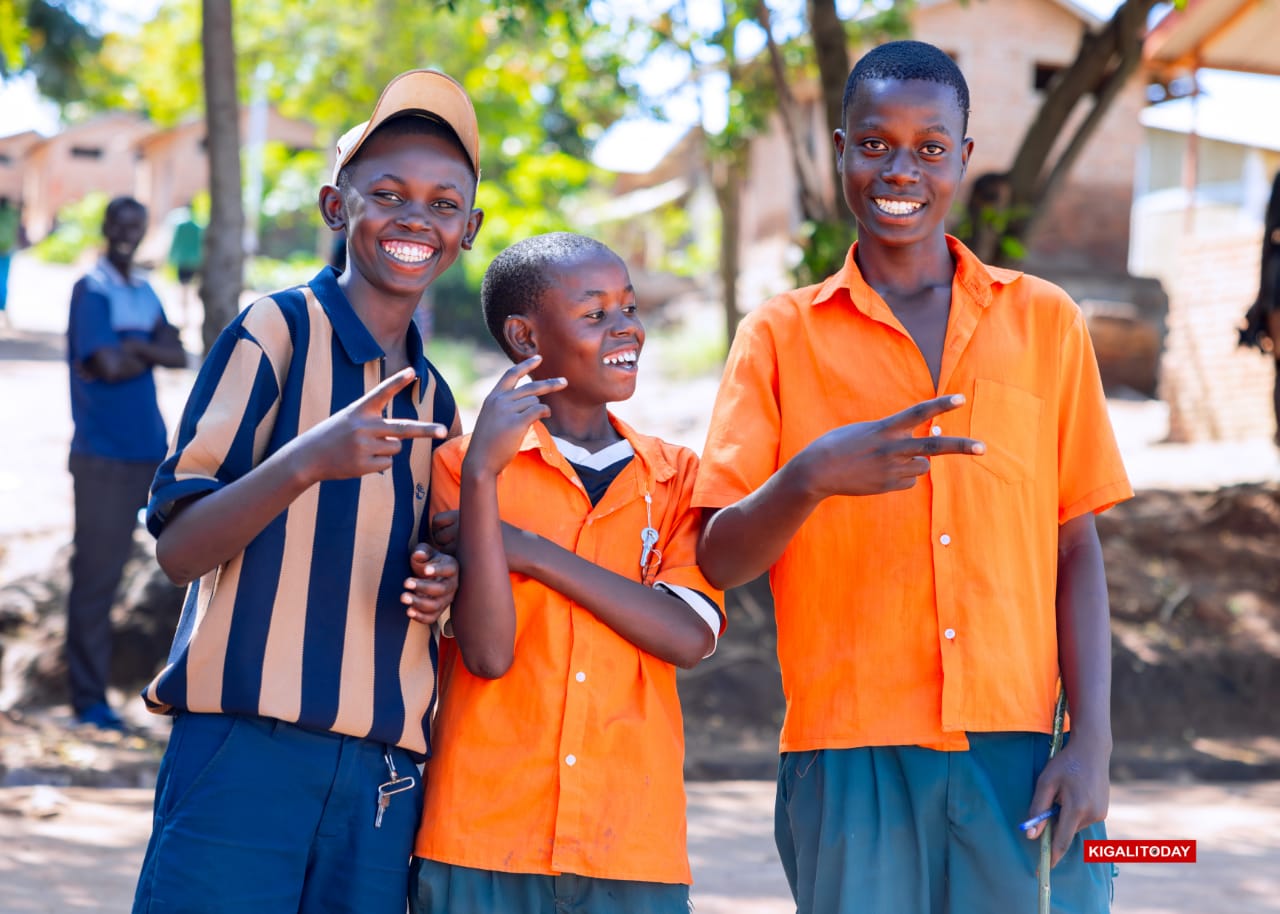
Education has also played a central role in integration. More than 45,000 refugee students attend schools alongside Rwandan learners at primary, secondary, and higher education levels.
Ange Ishimwe, a first-year secondary school student, says, “We are not excluded from any academic or extracurricular activities. We truly feel part of the school community.”
Officials from the Ministry in charge of Emergency Management (MINEMA) note that infrastructure such as roads, markets, health centres, and recreational facilities serves both refugees and host communities. They emphasize that “the goal is to ensure that humanitarian response transitions into sustainable inclusion.”
Displacement often involves the loss of property, livelihoods, and social networks. Access to education and opportunities to rebuild economic stability restores a sense of normalcy and dignity.
While challenges remain—including pressure on resources and the need for continued support—Rwanda’s refugee integration model emphasizes shared opportunity. For many, seeking refuge in Rwanda increasingly means not just finding protection, but also rebuilding life within a functioning economic and social system.
