




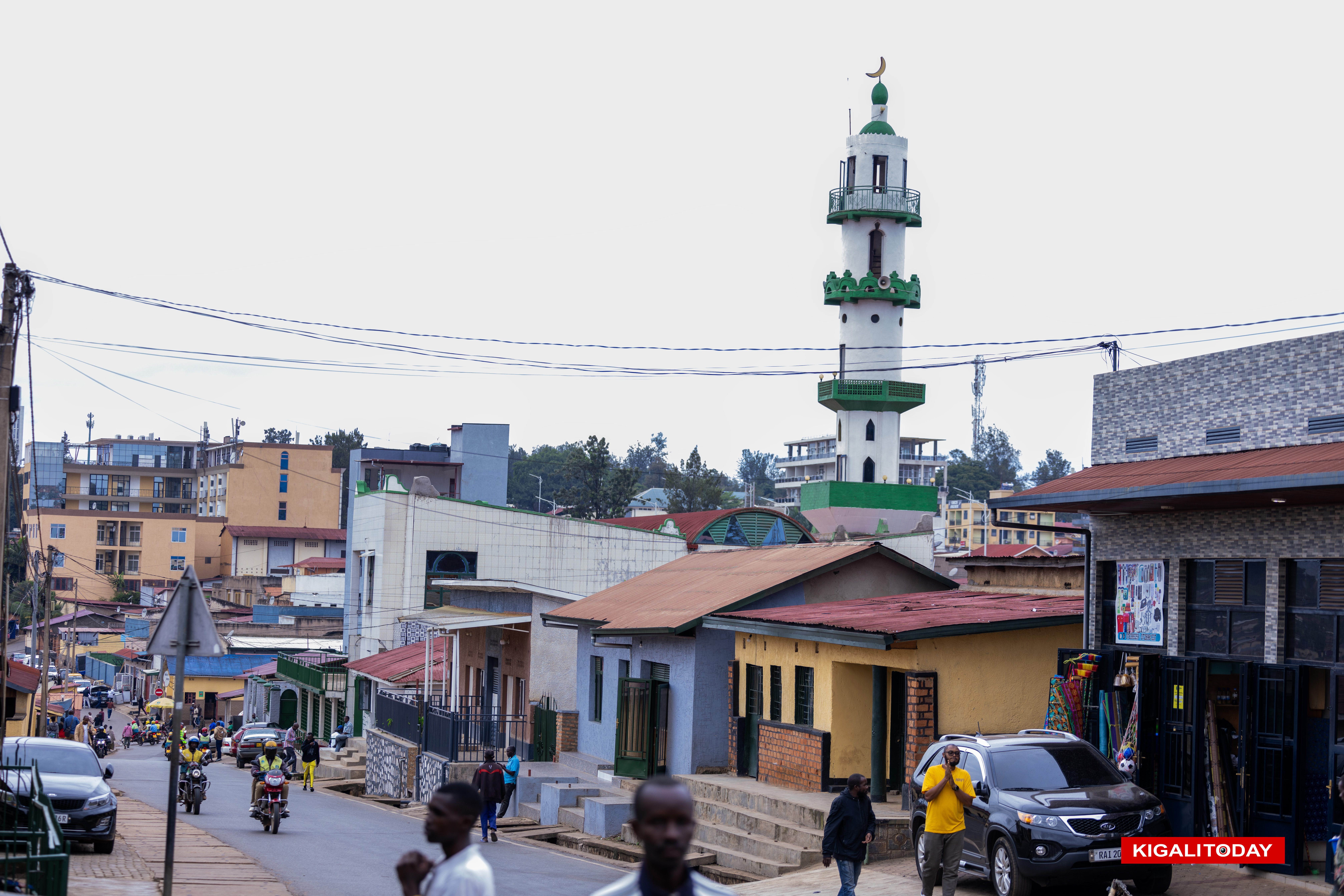
Masjid-Al-fath-Mosque-also-known-as-ONATRACOM-Mosque
When German troops set up their first base in Rwanda in 1897 at Shangi, in what is today Shangi Sector, Western Nyamasheke District, more than 90 percent of the soldiers were Black Muslims. This marked the first significant introduction of Islam to Rwanda.
When another group of Muslims arrived in Rwanda in 1901, they were mainly Arab traders accompanied by their Swahili companions—Black Africans born to Arab fathers and African mothers. This group first settled in Nyanza, where the royal court once stood, bringing the Swahili language and culture.
When Kigali became the administrative capital in 1907 under German officer Richard Kandt, Muslims from Shangi (Western Province) and Nyanza (Southern Province) moved to the new capital, forming Rwanda’s first Muslim community, Jamaa’a. One of their earliest goals was to find a place to meet and socialize. They built a mosque in the city center, in an area surrounding the former post office, now known as “Ku Iposita,” on land donated by Indian Muslim Barakat Ali.
The mosque officially opened on December 2, 1913, becoming the first religious building constructed in Rwanda. Over time, it was renovated and expanded. Today, it stands as Masjid Madina—the country’s largest mosque, with three floors and a capacity for over two thousand worshippers. Unlike other religions, which entered Rwanda through organized missionary work, Islam spread informally, arriving for reasons other than evangelism.
How a Trade Route Became a Path to Faith
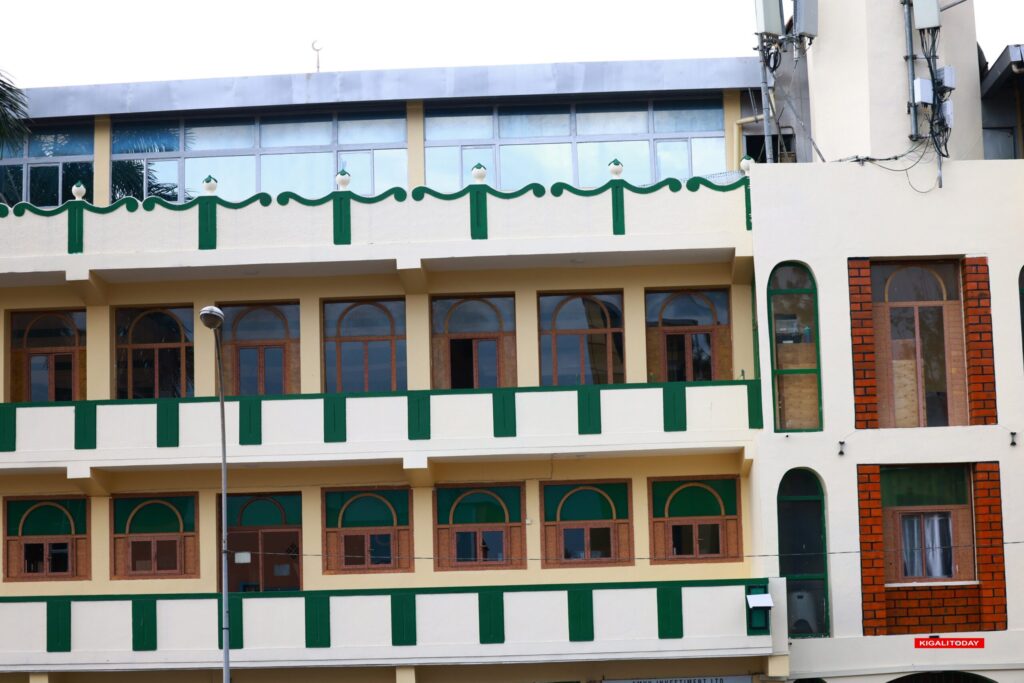
The-City-Centre-Mosque-in-Kigali
Islam in Rwanda did not arrive through missionaries—it arrived through families and commerce. Many Rwandans embraced Islam through intermarriage, with some in-laws converting. Trade also played a critical role: Arab and Indian Muslim traders dominated commerce, making the religion closely linked to opportunity and prosperity.
“Trade brought Islam to our doors. People began seeing faith and opportunity as inseparable,” notes local historians.
Behind the Walls: Life Inside Camp Swahili
Belgian colonial authorities saw Islam as a threat. In 1925, they issued Decree No. 38, confining Muslims to Camp Swahili. Residents were registered, carried identification, and could not leave without written permission. The first camp opened in Kigali, opposite the city mosque, stretching toward today’s Inkuru Nziza and the Gakinjiro market.
“Authorities could arrest anyone found outside without approval. Even visits to relatives were blocked,” recalls Al Hadji Sudi Munyantwali.
Biryogo Beckons: A New Home, a New Challenge
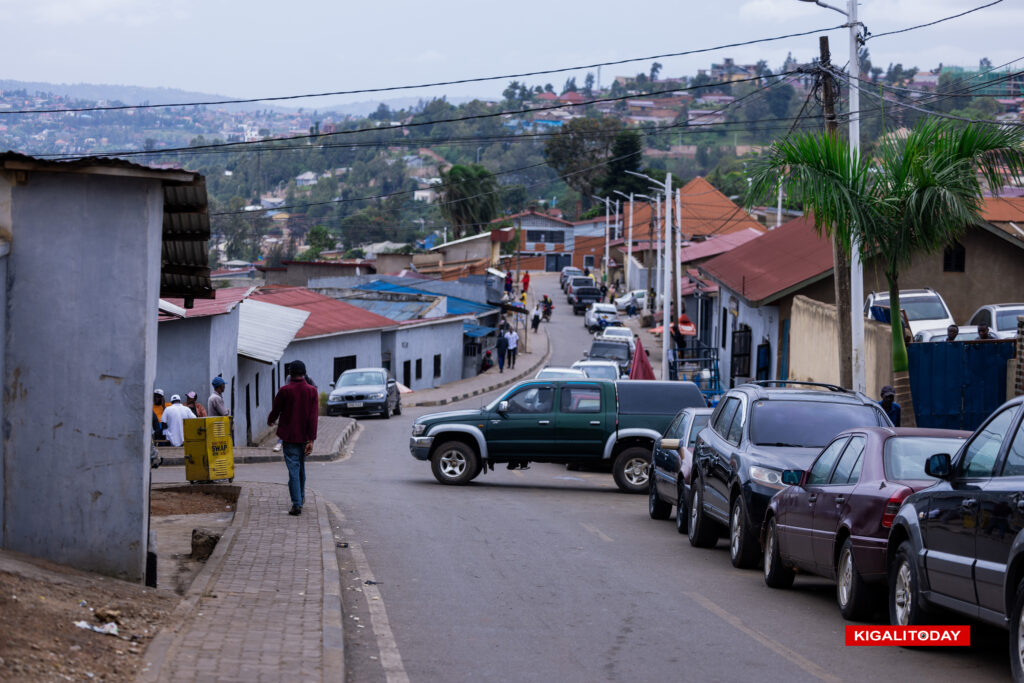
A Paved Road in Biryogo
After twelve years in the city, Belgian authorities ordered Muslims to move to Biryogo in 1937. Al Hadji Munyantwali remembers that Muslims gradually left the city mosque in the late 1940s and built a new one—Masjid Al-Fat’h—near ONATRACOM. Some continued attending the city mosque, especially on Fridays.
Biryogo was divided into 469 plots along four main roads, and by the late 1950s, the community had grown significantly. Life was strictly regulated: Muslims lived separately, could not leave without permission, and were restricted in trade.
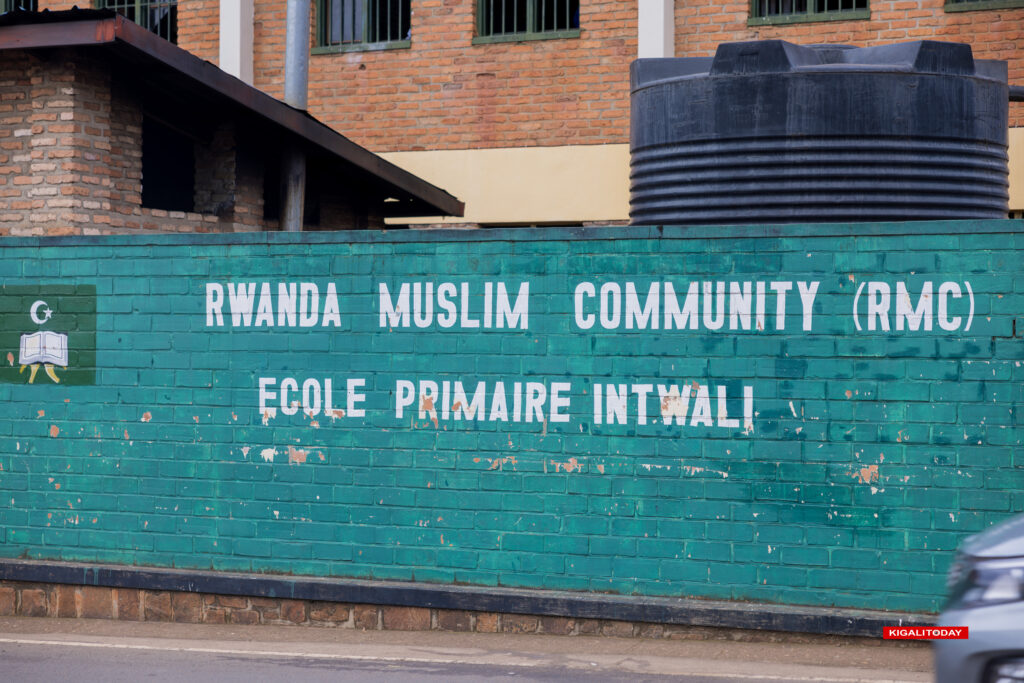
To counter educational restrictions—Muslim children could not attend Catholic-run schools without baptism—the community built their own, including Mugandamure (now Kavumu Primary School) and Ecole Swahili de Kigali (later renamed Intwali Primary School). Both were completed in 1951, gaining official recognition only in 1964.
Camp Swahili later coexisted with Camp Belge, housing Belgian workers, together forming the Cité Indigène. Each camp had its own courts, a system that ended in 1960 when communal authorities took over, and Muslims finally received legal recognition in 1964. At one point, they were even considered a separate ethnic category alongside Hutu, Twa, and Tutsi.
“Muslims built schools, mosques, and communities, yet lived under walls they did not build,” reflects Al Hadji Munyantwali.
Survival Against the Odds: Muslims in Modern Rwanda
Even after legal recognition, Muslims faced marginalization during Rwanda’s first and second republics (1962–1973 and 1973–1994). Their situation improved after July 1994, when the RPA ended the genocide against the Tutsi and formed a Government of National Unity.
Beyond Kigali, Muslim camps existed in Mugandamure (Nyanza, south), Ruhengeri (now Musanze, north), Gisenyi (now Rubavu, west), Butare (now Huye, south), and in neighborhoods like Rwamagana (east) and Ngoma (Huye), often called “Mu Cyarabu” (Arab quarters).
“From Shangi to Biryogo, the story of Rwanda’s Muslims is one of faith, resilience, and survival,” sums up local scholars.
