




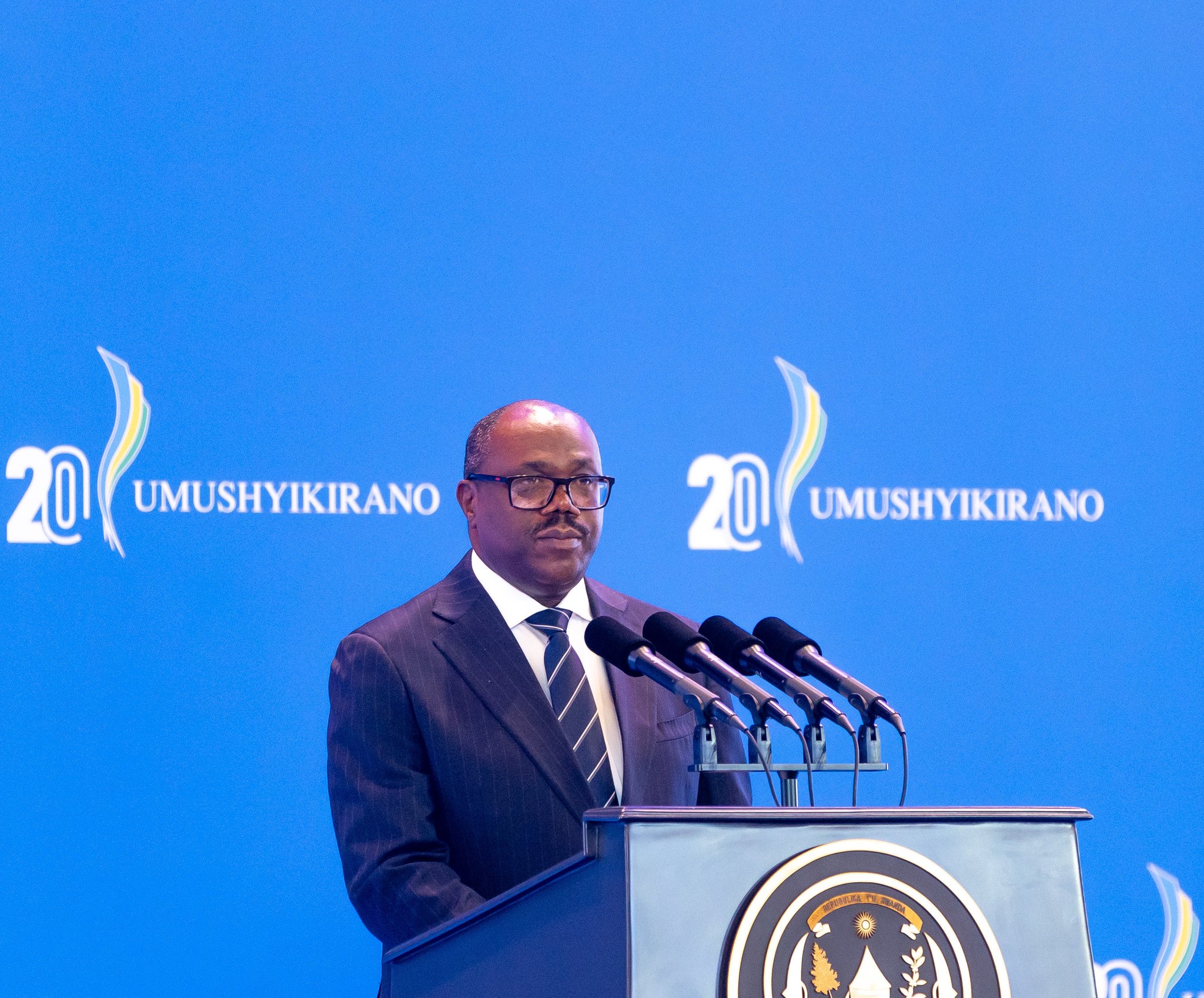
Some factories in Rwanda are operating for as little as two days a week, using only a fraction of their installed capacity, according to Prime Minister Dr. Justin Nsengiyumva
Presenting the Government report on the implementation of resolutions adopted during the 2024 Umushyikirano National Dialogue Council, the Premier warned that low productivity remains one of the country’s most serious economic challenges.
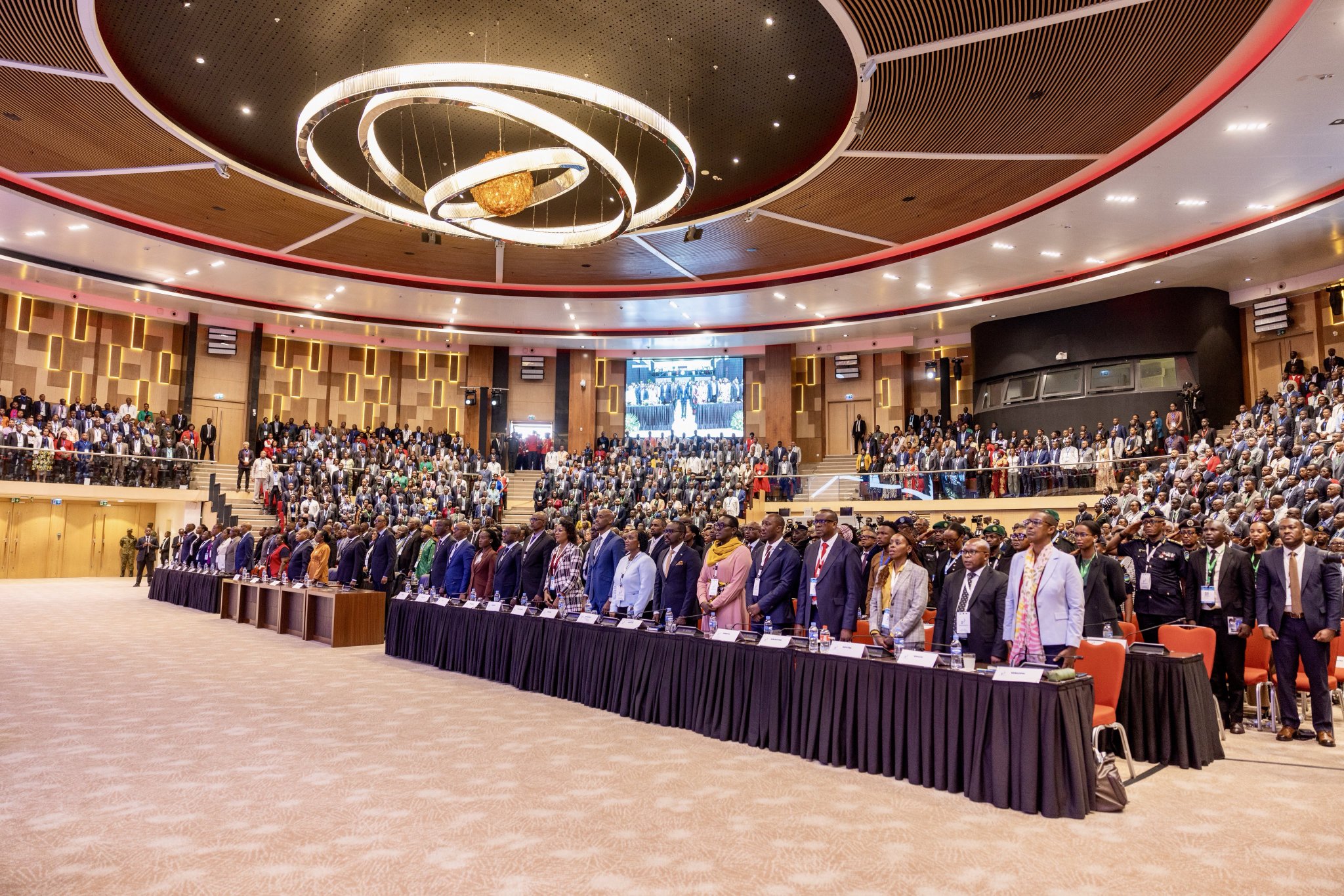
He delivered the report at the opening of the 20th Umushyikirano session, shortly after the main address by President Paul Kagame .
Dr. Nsengiyumva said that despite Rwanda’s strong economic growth, productivity in key sectors—especially industry and agriculture—remains worryingly low.
He cited findings from a 2024 assessment by the National Institute of Statistics of Rwanda, which showed that nearly 63 percent of factories are operating at very low capacity compared to what they are designed to produce .
“In other countries, factories operate 24 hours a day with three shifts,” the Prime Minister said, contrasting that standard with the situation in Rwanda, where many factories operate no more than eight hours a day.
He added that inspections conducted towards the end of 2025 found some factories working only two days a week and remaining closed for the other five, meaning they use as little as 20 percent—or even less—of their installed capacity .

According to the Prime Minister, this under-utilisation has direct economic consequences.
When factories do not operate continuously, production costs rise, making locally manufactured goods more expensive on both domestic and international markets.
As a result, Rwandan products struggle to compete with imports, undermining the country’s industrialisation and export ambitions .
He said manufacturers frequently point to a lack of markets as the main problem, but argued that high production costs—driven by low factory utilisation—are often the real cause.
Another major constraint, the Prime Minister noted, is insufficient working capital, which prevents factory owners from purchasing enough raw materials to sustain continuous production .
He observed that similar productivity gaps exist in agriculture, where yields remain far below what is technically possible.
The PM gave examples showing that maize yields average about two tonnes per hectare despite the potential to reach ten tonnes, while potato yields stand at 8.7 tonnes per hectare compared to a possible 22 tonnes.
He said these gaps can be closed through irrigation, improved inputs, and changes in mindset and work practices .
Dr. Nsengiyumva’s remarks came against the backdrop of otherwise strong economic performance.
He reported that Rwanda’s economy grew by 8.9 percent in 2024 and maintained an average growth of 8.7 percent in the first three quarters of 2025.
More than 800,000 jobs have been created since early 2024, with 93 percent of them outside agriculture, while unemployment declined from 16.8 percent in 2024 to 11.7 percent by the end of 2025 .
However, he stressed that sustaining this momentum will require a decisive shift toward higher productivity.
The government, he said, will intensify collaboration with the private sector to address financing constraints, improve factory utilisation, and ensure that industries move closer to round-the-clock operations.
As Rwanda pursues its Vision 2050 and the National Strategy for Transformation (NST2), the Prime Minister said improving productivity in factories and farms alike will be critical to lowering costs, boosting competitiveness, creating jobs, and raising incomes for citizens .
Umushyikirano continues all day, and Friday. There will be panel presentations from key government agencies, as well as interactive sessions where people from anywhere can call, send SMS or simply comment on social media. There is a high chance your input can be reflected in the national conversation.
