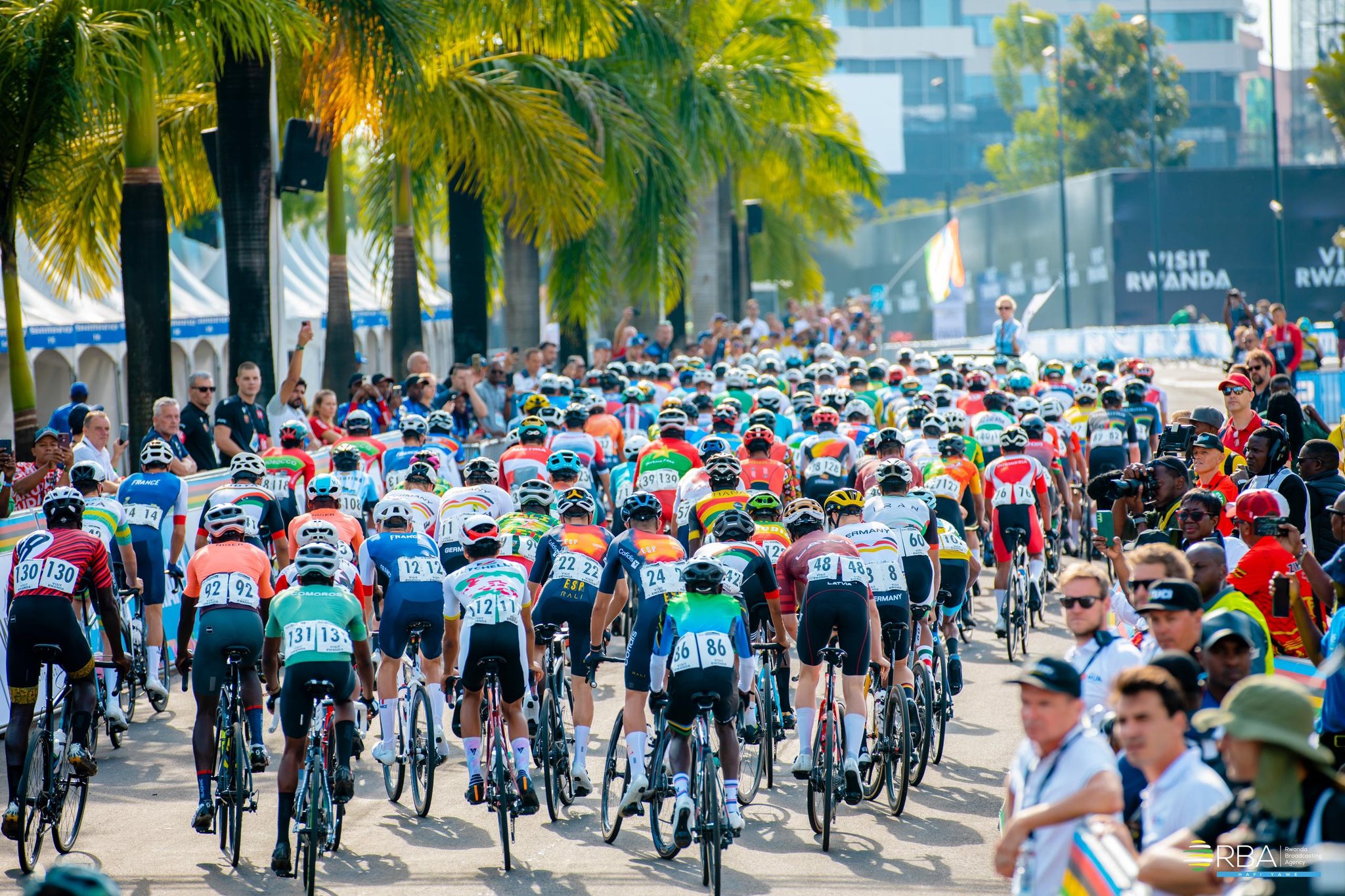




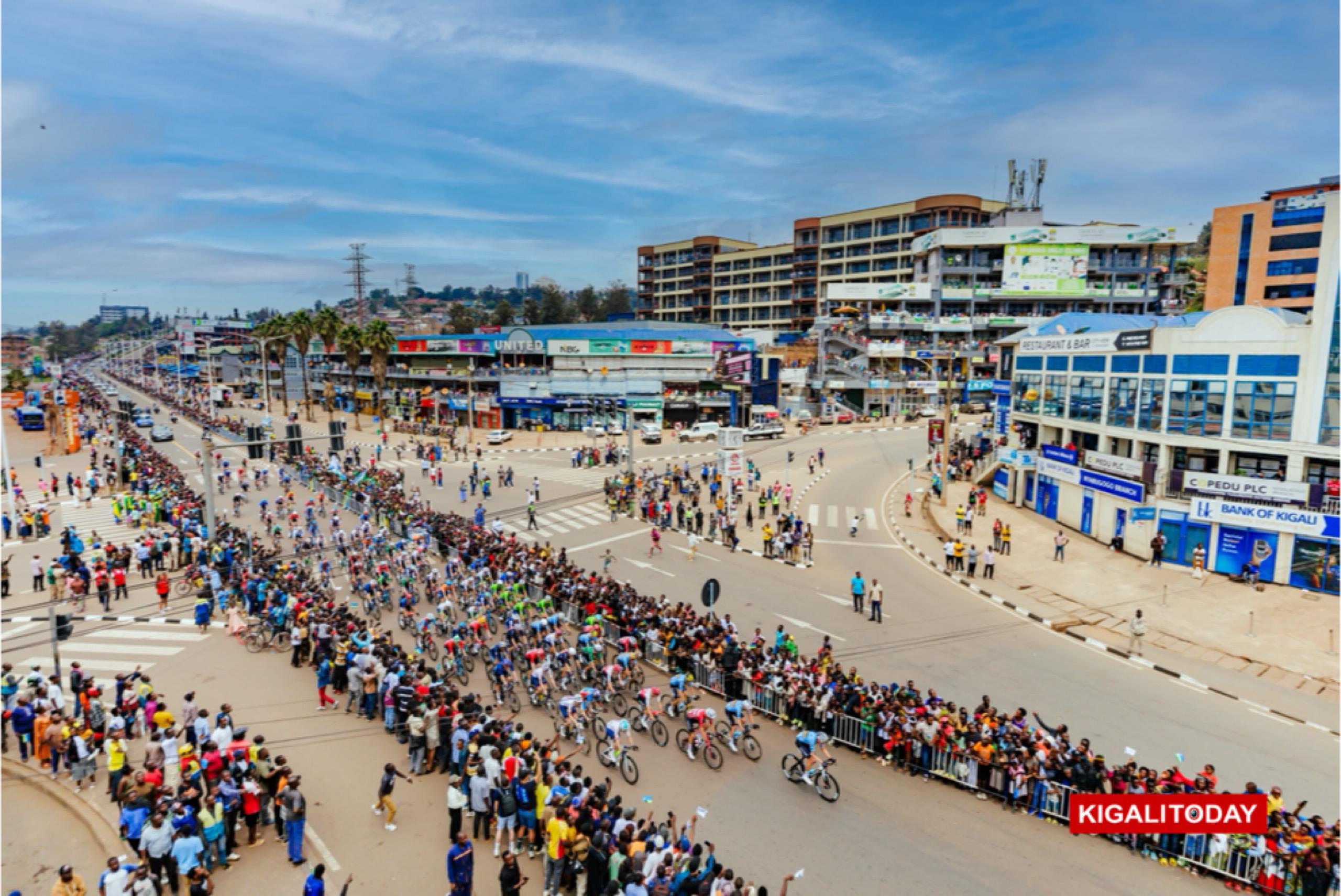
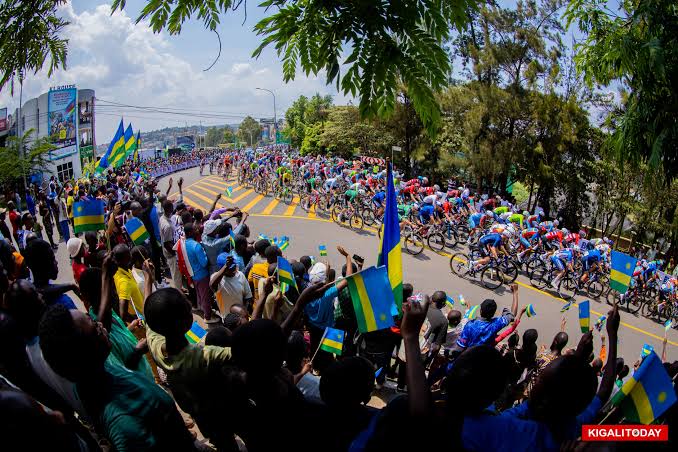
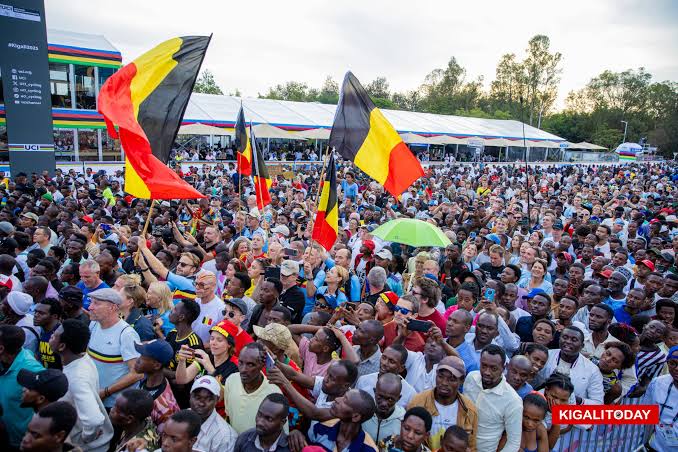
By the time cyclists poured through Kigali’s steep boulevards during the 2025 Road World Championships, something had already shifted. The crowds were deep. The roads were ready. And Rwanda’s capital had quietly crossed a threshold—from ambitious newcomer to credible global cycling host.
That transition was formalized this month, when the Union Cycliste Internationale awarded Kigali its new “UCI Bike City” label, making it the first city in Africa to receive the designation.
The title is not ceremonial. It is a strategic marker, signaling that Kigali has joined a small network of cities worldwide recognized not only for hosting elite races but for embedding cycling into everyday urban life—through infrastructure, safety programs and youth development.
For Rwanda, it is also an invitation: to compete for more international events, attract new funding for sustainable transport, and deepen its growing reputation as a sports diplomacy hub.
“This recognition reflects Kigali’s commitment to sustainable mobility and the well-being of our residents,” Mayor Samuel Dusengiyumva said in a statement, pointing to the city’s expanding bike lanes, car-free days and community cycling programs.
A Platform, Not a Trophy
Unlike a championship bid, the Bike City label does not guarantee future races. Kigali will still have to compete for major events, submit technical proposals and secure financing. But the designation places the city on a preferred development track within global cycling—effectively pre-qualifying it for closer collaboration with the UCI.
Cities carrying the label gain access to technical expertise in route design, safety standards and grassroots programming. They also benefit from increased visibility among sponsors, development agencies and climate-mobility donors—an important consideration for African cities seeking green transport financing.
David Lappartient, president of the UCI, said Kigali had demonstrated both organizational capacity and long-term vision.
“By successfully hosting the World Championships and investing in cycling beyond elite sport, Kigali has shown what is possible,” he said. “This is about building a culture of cycling—for young people, for daily commuters, and for future champions.”
The 2025 championships were historic: the first time cycling’s premier road event was staged on African soil. More than 30 African nations participated, a record, underscoring what Lappartient called the continent’s “booming” cycling potential.
Building a Cycling City
Over the past decade, Kigali has steadily reshaped its streets. Protected bike lanes now cut through parts of the city center. Car-free Sundays draw thousands of residents onto major avenues. Youth clubs and training programs have expanded, supported by national and international partners.
Officials say the Bike City designation will accelerate those efforts.
Nelly Mukazayire, Rwanda’s minister of sports, said the recognition aligns with the country’s broader development strategy.
“Cycling is not only about competition,” she said. “It creates jobs, supports tourism, promotes healthy lifestyles and strengthens community life. This label helps us move faster on all of those fronts.”
Rwanda already hosts the Tour du Rwanda, one of Africa’s leading professional stage races, and operates regional training hubs for young riders. The government hopes the new status will help unlock additional investment in bike infrastructure, road safety and youth academies.
Raising Expectations
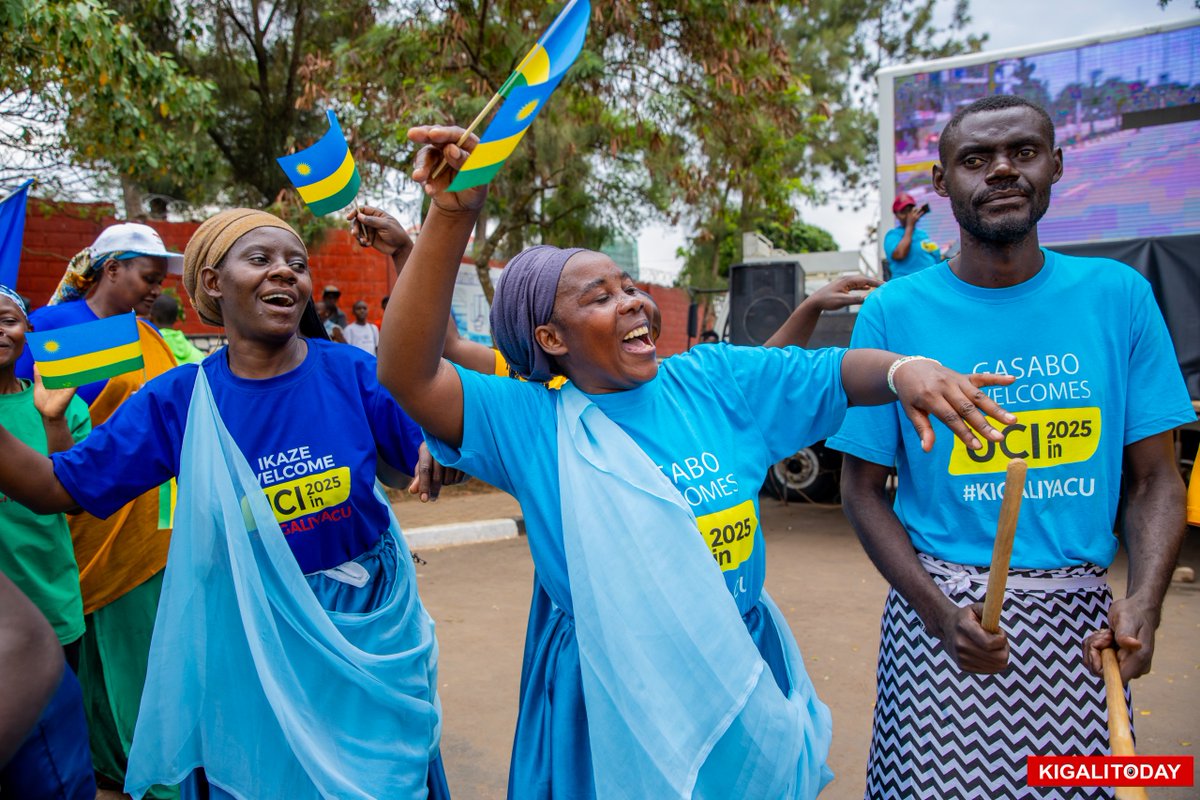
The label also comes with pressure.
Bike Cities are expected to keep building—more lanes, safer intersections, stronger grassroots programs. Progress is monitored informally through UCI partnerships, and reputations matter. In that sense, Kigali’s recognition raises expectations as much as it rewards past performance.
Urban planners see the moment as an opportunity to integrate cycling more deeply into Kigali’s fast-growing landscape, where congestion and emissions are rising alongside population.
For residents, the impact may be quieter but more lasting: safer streets, healthier commutes, and new pathways into sport.
For Rwanda, the symbolism runs deeper. The Bike City designation places Kigali alongside global capitals of cycling—and reinforces the country’s effort to position itself as a gateway for international sport in Africa.
It is not the end of a journey, officials insist, but the beginning of a longer one.
As one senior planner put it: Kigali is no longer proving it can host the world. Now it is trying to show how cycling can help shape a city.