




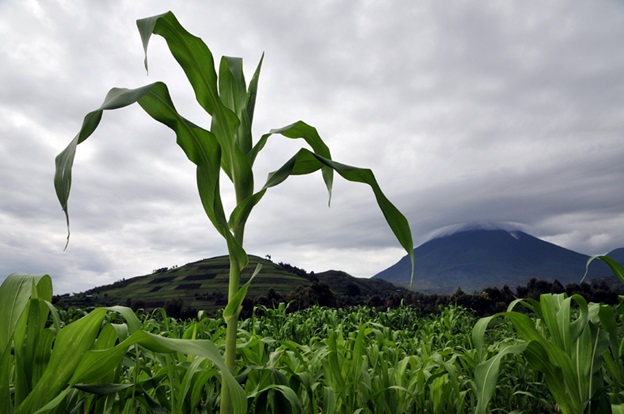
Essential crops like maize remain a priority for Rwanda’s subsidy program, ensuring farmers have access to the fertilizers needed to maximize yields and meet national demand.
Although agriculture remains the backbone of Rwanda’s economy—employing about 64.5 per cent of the population and contributing 25 per cent to GDP—the sector remains structurally fragile.
Data from the United Nations Conference on Trade and Development (UNCTAD) show that Rwanda’s agricultural imports rose sharply between 2019 and 2021, averaging $655 million a year—almost double the $352.4 million recorded a decade earlier.
Against this backdrop, the Government of Rwanda and the International Fund for Agricultural Development (IFAD) on February 24 signed a $78.5 million financing agreement aimed at strengthening climate resilience and improving domestic food production.
The new financing seeks to help shift the sector from one that struggles to meet national demand into a more resilient and productive driver of growth.
Government Steps Up Farmer Support
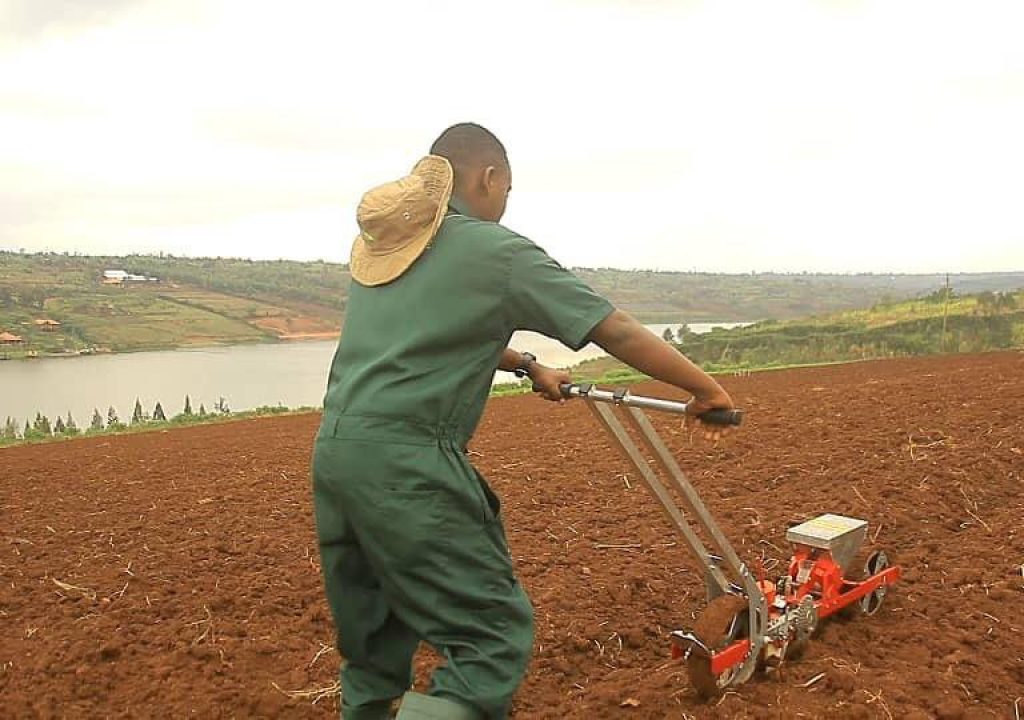
Mechanization is at the heart of Rwanda’s agricultural transformation, as small-scale tractors help farmers increase efficiency and transition from subsistence to commercial production.
The partnership is being complemented by increased domestic investment.
For the 2025/2026 farming season, the Government has allocated Rwf75 billion (about $51.5 million) to the national agricultural input subsidy programme—an increase of 38.8 per cent compared to the previous season.
The funding is intended to help keep fertilisers and seeds affordable for farmers amid continued volatility in global input prices.
Targeted Support for Irrigation and Livestock
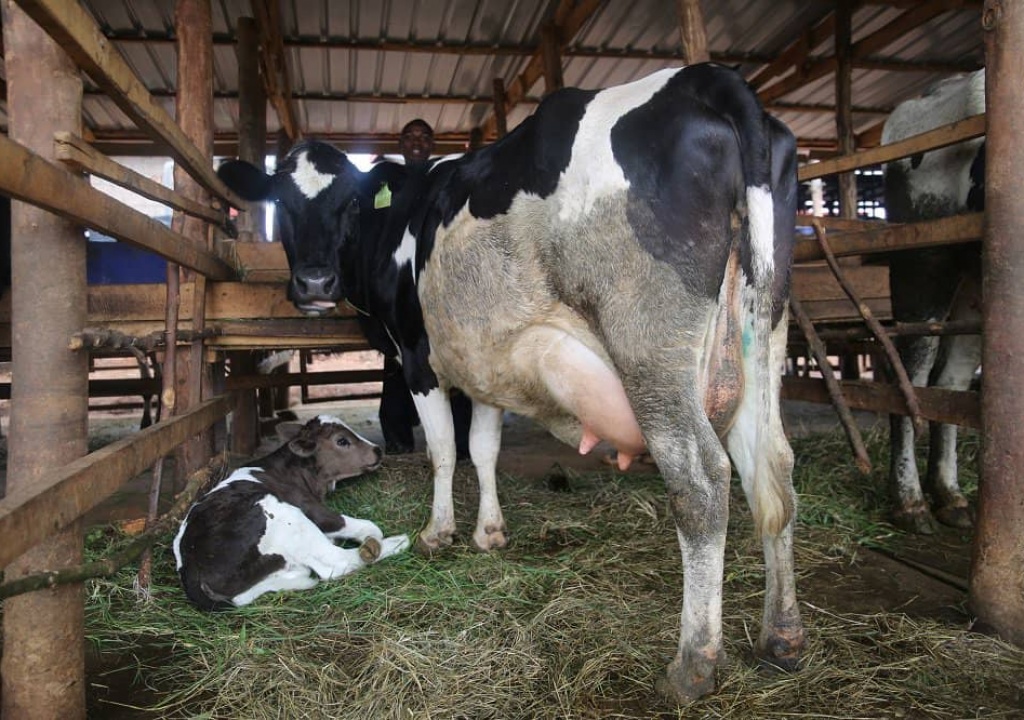
It is expected this funding will help improve livestock farming in the Country.
Unlike broad-based budget support, the new IFAD financing will focus on specific vulnerabilities in rural livelihoods.
In Kayonza District, the programme will support hillside irrigation infrastructure, reducing farmers’ reliance on rain-fed agriculture and improving protection against prolonged dry spells.
The project will also invest in poultry and other small livestock value chains, with the aim of diversifying household incomes and reducing the risk of severe income losses following crop failures.
A Long-Standing Partnership
Rwanda and IFAD have worked together for more than four decades. Since 1981, the fund has co-financed 21 rural development programmes in the country, with total commitments of about $791 million.
According to IFAD, the projects have so far reached more than 1.5 million households, supporting poverty reduction and climate resilience in rural communities across the country.
