



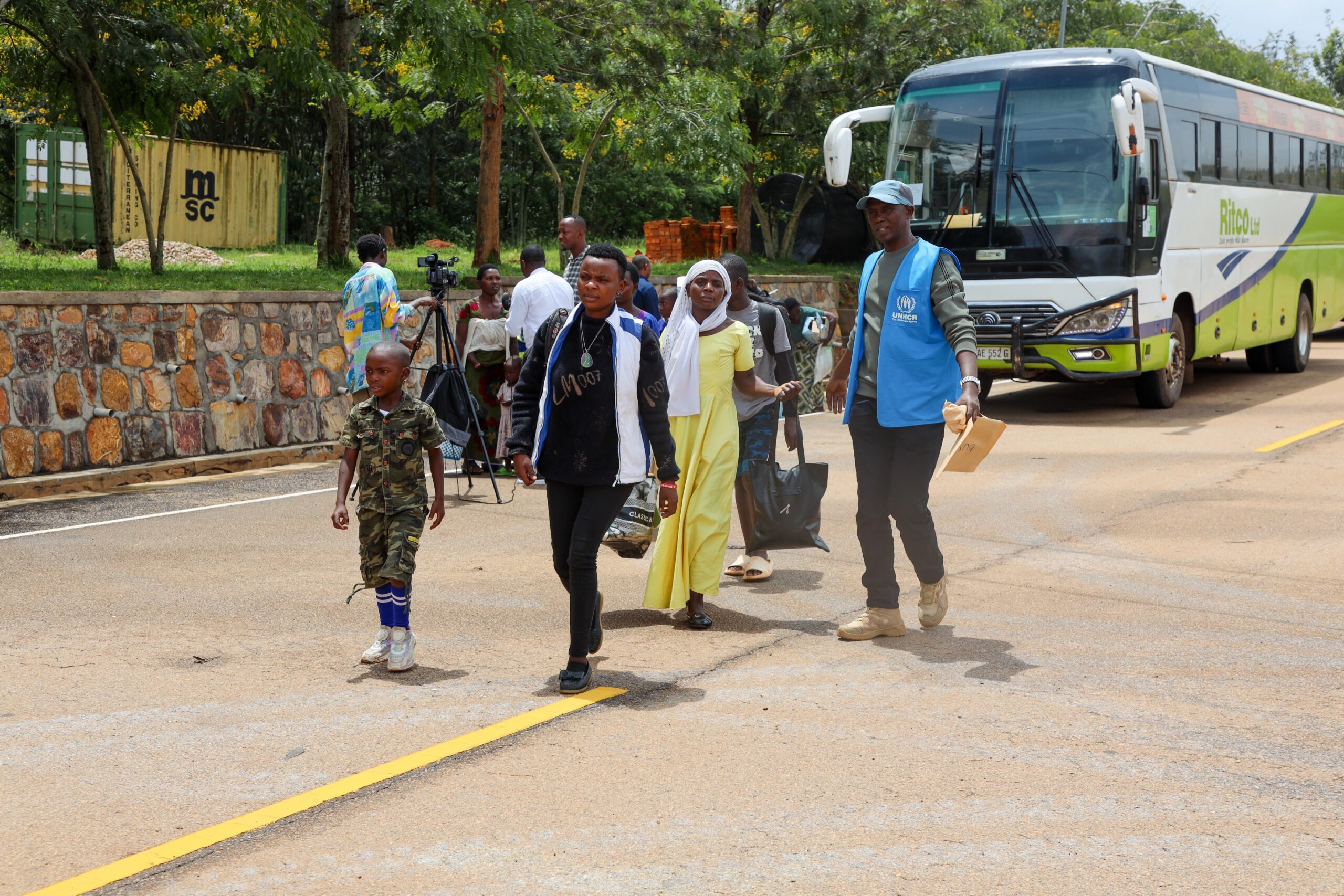
“Burundian families arrive at the Rwanda-Burundi border, beginning their voluntary return home under Rwanda’s refugee repatriation programme.
Dozens of Burundian refugee families in Rwanda have voluntarily returned home, in the latest phase of a programme run by the governments of Rwanda and Burundi in partnership with the United Nations High Commissioner for Refugees (UNHCR). The families had been living in Mahama Refugee Camp in Kirehe District, Eastern Province, which hosts thousands who fled political tensions and insecurity in their country in recent years.
Returns are conducted safely, voluntarily and with dignity, in line with international protection standards. The convoy is part of the 86th voluntary repatriation exercise for Burundian refugees choosing to return.
In this latest convoy, 74 families made the journey back to Burundi, marking another step in the ongoing programme to support voluntary returns.
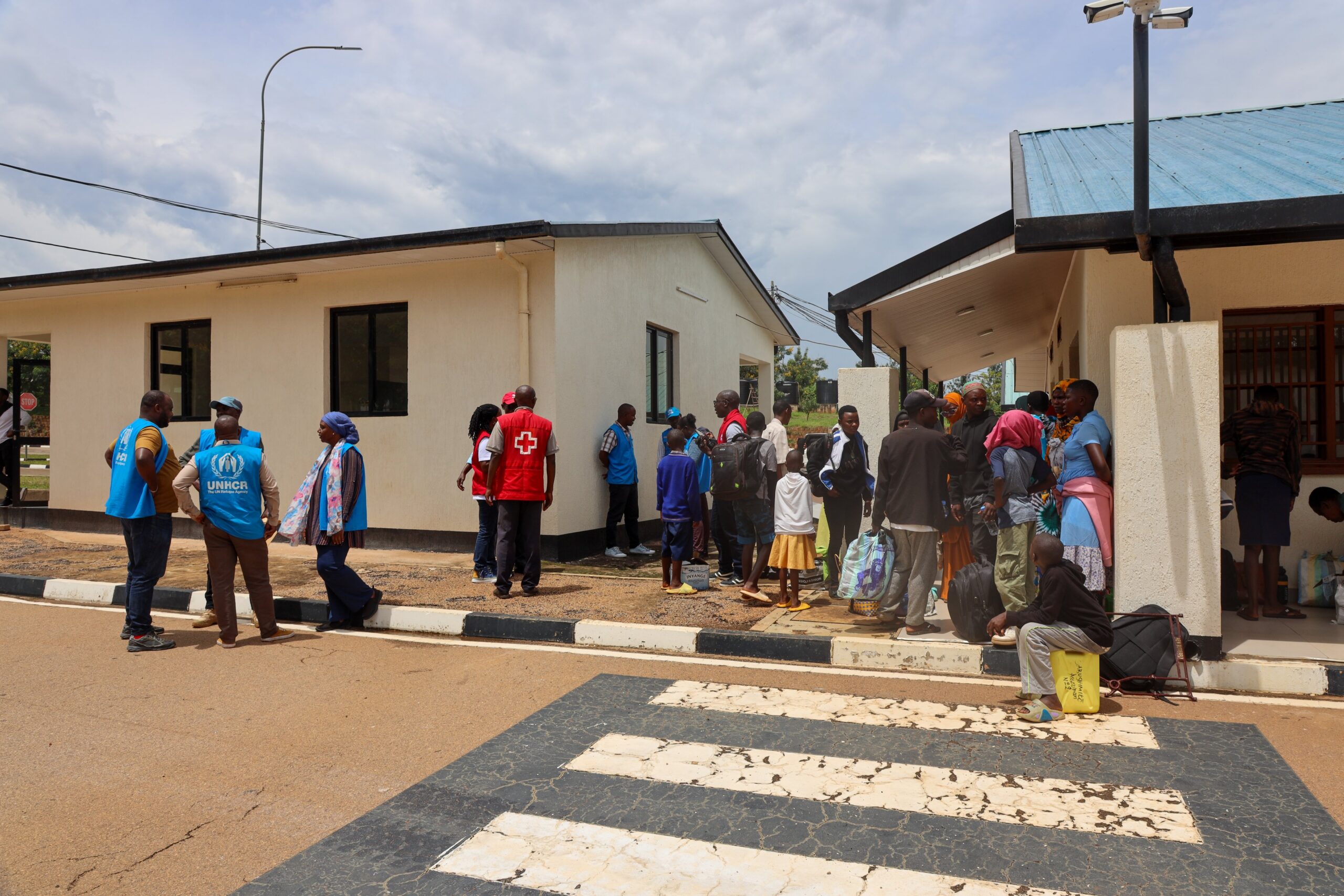
Displacement in the Great Lakes region has been driven by armed conflict, political instability, inter-communal violence and economic hardship, particularly in eastern Democratic Republic of Congo (DRC) and Burundi. Rwanda is a key destination for refugees due to its relative stability, strong security, and progressive refugee policies, which allow people fleeing conflict to rebuild their lives with support from humanitarian agencies.
According to UNHCR statistics, Rwanda currently hosts over 135,000 refugees and asylum seekers, mostly from DRC and Burundi, with smaller numbers from Eritrea, Ethiopia, Libya and South Sudan. Congolese refugees live primarily in camps such as Gihembe, Kigeme, Kiziba, Mugombwa and Nyabiheke, while Burundians are mostly concentrated at Mahama camp.
Others reside in urban areas including Kigali, pursuing livelihoods through small businesses, skilled trades, and other economic activities. Refugees say the country has offered them safety, opportunity, and dignity.
Marie Niyonsenga, a resident of Mahama camp, said: “I was able to complete my secondary school here, and now I run a small shop to support my children. Life in Rwanda has allowed us to survive and also plan for the future.”
Another urban refugee in Kigali added: “Some of us study, others start businesses. Rwanda has given us a chance to feel included and productive.”
These testimonies highlight how Rwanda’s refugee policy promotes protection, inclusion, and self-reliance, enabling refugees to actively contribute to their communities. Refugees are issued identification documents and travel papers to facilitate mobility for approved purposes.
In camps, residents receive humanitarian assistance but also engage in agriculture, vocational training, and income-generating activities. Urban refugees rent homes, run businesses, and integrate into local communities. This approach ensures refugees maintain dignity, independence, and self-sufficiency, while preparing for possible voluntary repatriation.
The voluntary repatriation programme is part of a broader regional effort to provide durable solutions for refugees, alongside local integration and third-country resettlement. Authorities emphasise that repatriation remains voluntary and informed, with refugees supported at every step to ensure a safe return to their communities in Burundi.
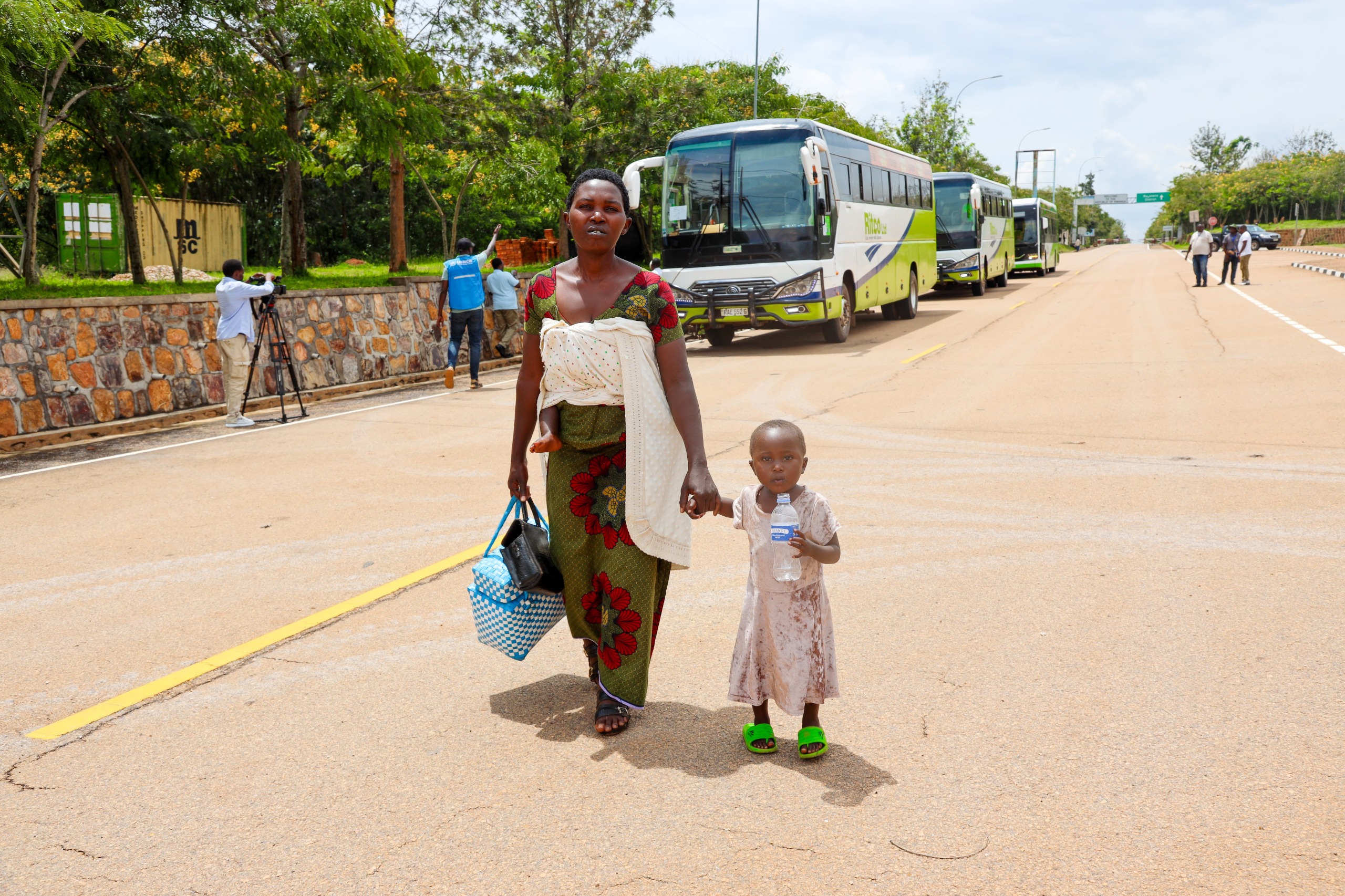
Rwanda’s model of progressive refugee inclusion and protection continues to draw recognition internationally for balancing humanitarian support with opportunities for self-reliance.
