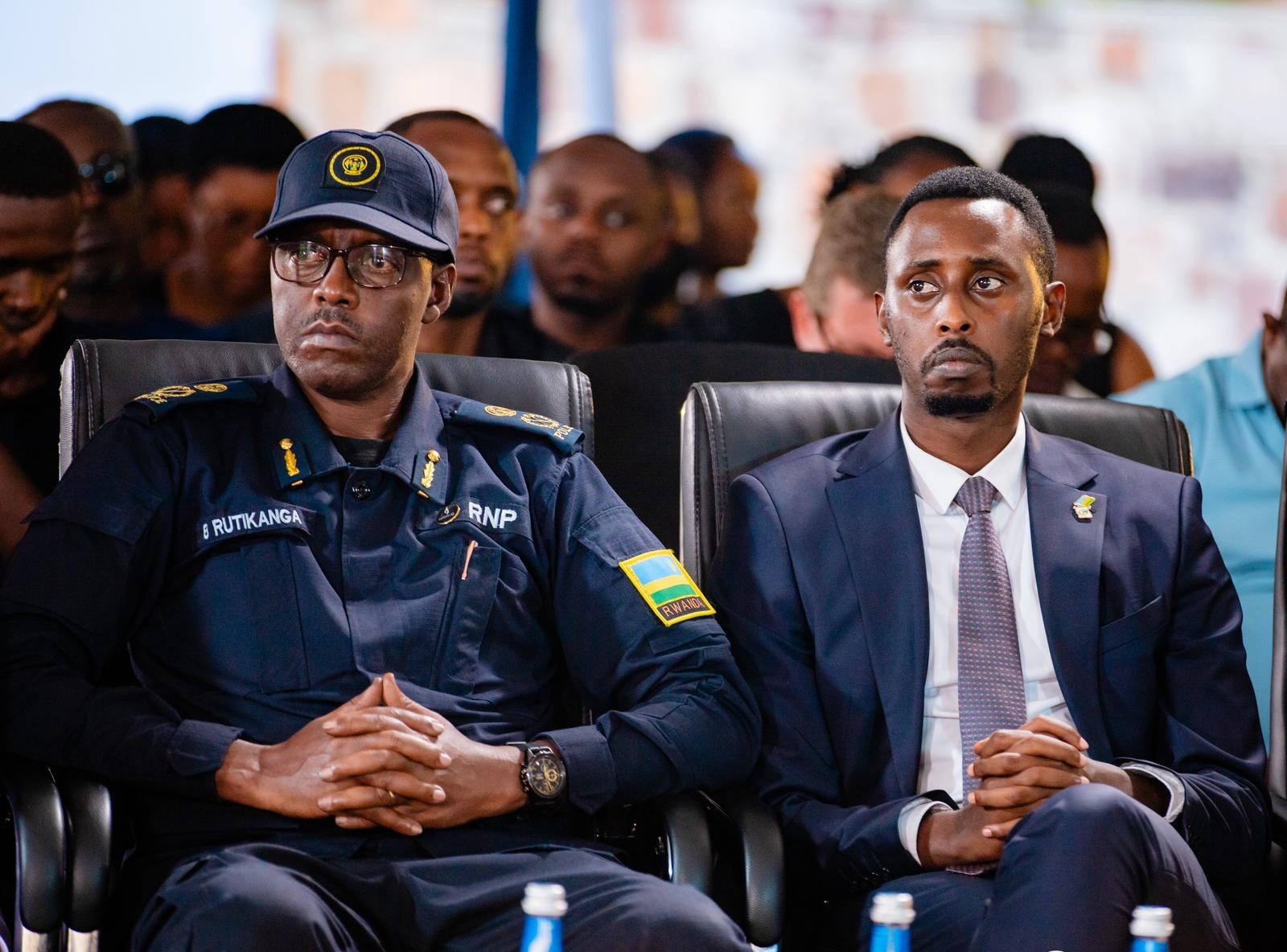



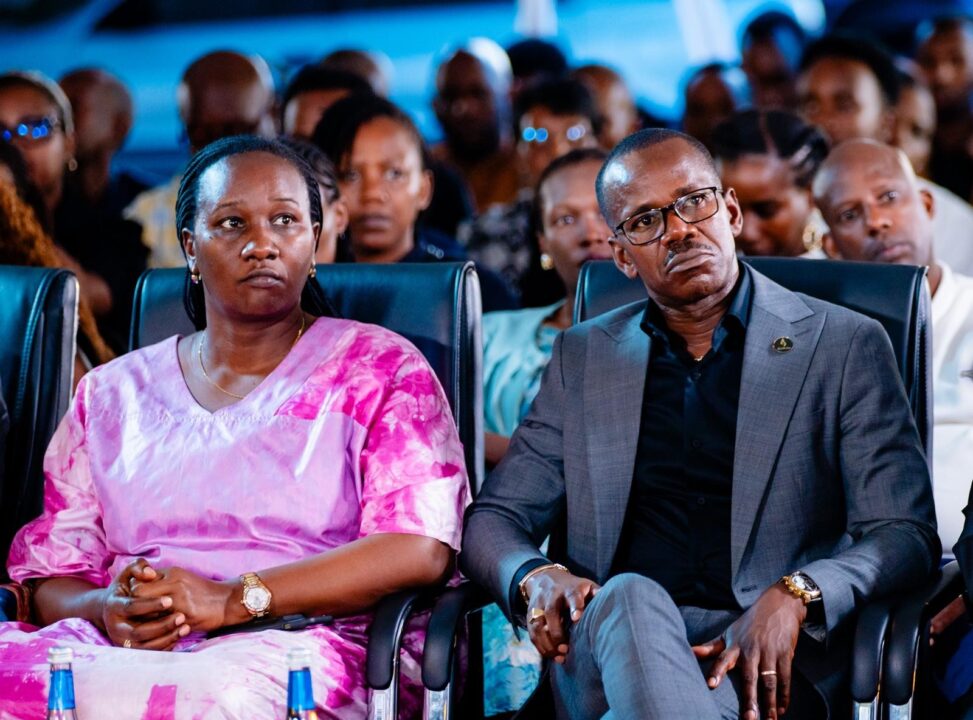
The commemoration brought together journalists, survivors, and officials.
KIGALI — On April 10, 2026, the media fraternity gathered to honor journalists killed during the 1994 Genocide against the Tutsi. The event served as a somber reflection on a history where journalism was both targeted by violence and, in some instances, weaponized to sow division. Journalists, survivors, and officials met to discuss the enduring responsibility of the media in shaping a cohesive society.
A highlight of the commemoration was a moving testimony from Diane Isimbi Uwadede, daughter of the slain journalist Vincent Shabakaka. She provided a personal window into the perils of reporting during Rwanda’s most volatile years, recalling how her father founded the newspaper Kiberinka. The publication was noted for its powerful use of imagery, specifically a recurring front-page photo of a distressed elderly man captioned, “Why are you crying, old man?”
Between 1990 and 1994, Shabakaka operated under constant surveillance and threat. His work took him to the frontlines of the liberation struggle in Mulindi and the peace negotiations in Arusha. Isimbi described a childhood marked by her father’s sudden disappearances, noting that his absence usually signaled that a new edition of the paper was being prepared.
Shabakaka’s work required absolute secrecy and frequent movement under the cover of night. He would often return home only briefly to check on his family before fleeing again to avoid being tracked, imprisoned, or killed. The event underscored the high price paid by those who sought to report the truth, serving as a reminder of the ethical weight carried by the modern press.
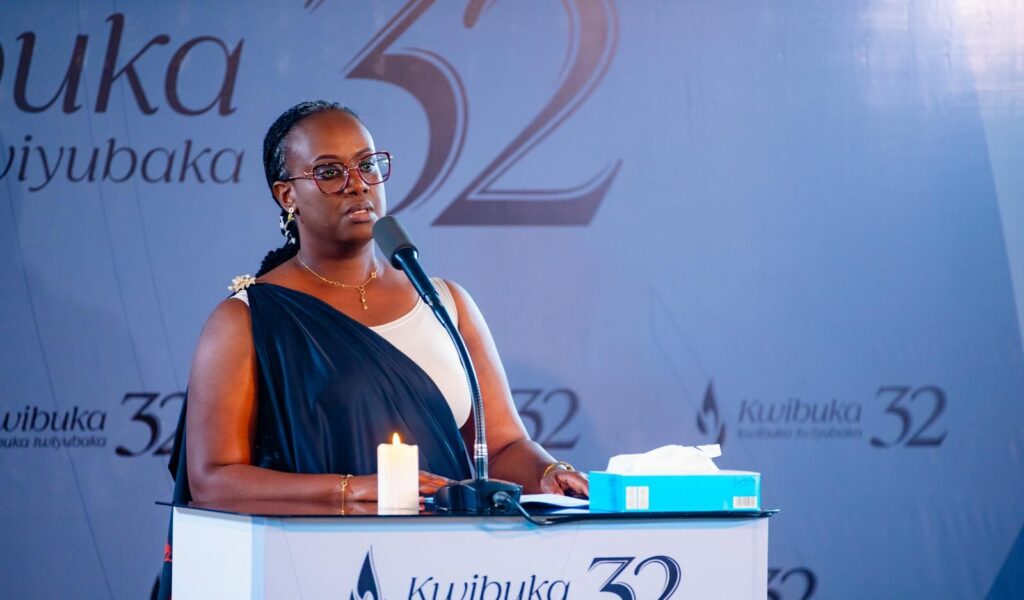
Diane Isimbi Uwadede, the daughter of slain journalist Vincent Shabakaka gave a moving testimony of how her father faced challenges as a journalist in a highly volatile period.
Threats, attacks and growing danger
The risks to Shabakaka extended far beyond his professional life. His daughter, Isimbi, recalled a terrifying incident where soldiers stormed their home in search of him. When they failed to find him, the soldiers destroyed the family’s documents, including the children’s schoolbooks.
On another occasion, Shabakaka returned home visibly traumatized, having lost his shoes and the glasses he relied on for vision. Despite these escalating threats, he remained determined to continue his work, documenting the unfolding national crisis at any personal cost.
As the environment grew more dangerous, the family was forced to move frequently. They often faced hostility from neighbors aligned with extremist ideologies, making daily life nearly impossible. For the children, attempting to attend school under such intense fear and tension became an agonizing struggle.
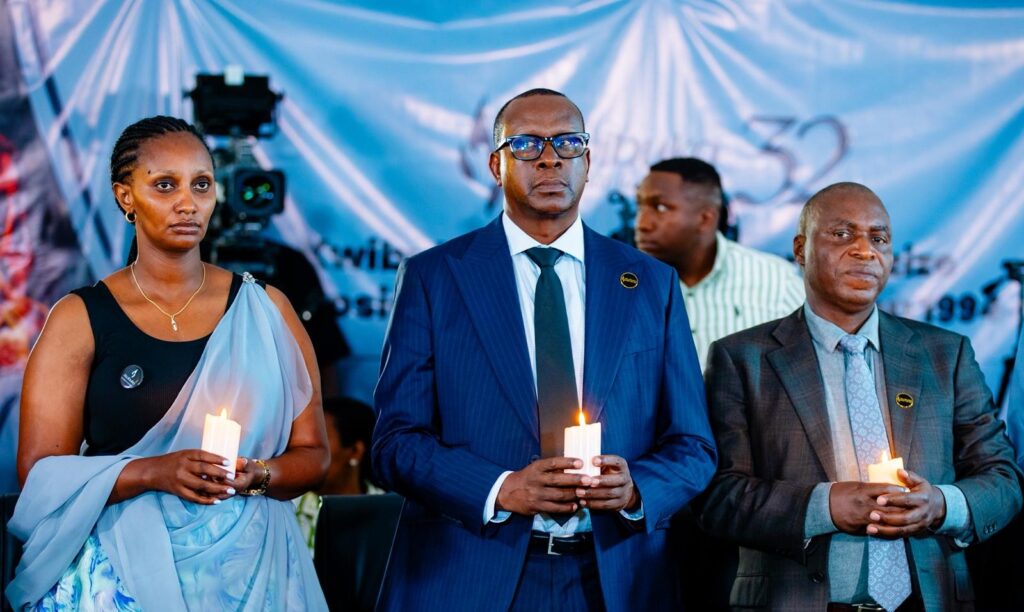
The media fraternity honored journalists who were killed during the Genocide against the Tutsi.
War, Media, and the Collapse of Ethics: The Price of Truth
The 1994 Genocide against the Tutsi stands as a harrowing reminder of what happens when the media abandons its soul. At a recent commemoration, leaders gathered to honor those journalists who refused to trade their integrity for safety, standing as thin lines of defense against a tide of state-sponsored hate.
Dan Ngabonziza, President of the Association of Rwandan Journalists (ARJ), reminded the assembly that their predecessors paid the ultimate price for choosing facts over propaganda. In an era where parts of the media landscape were weaponized to fuel slaughter, these fallen professionals proved that the pen is a double-edged sword—capable of either stitching a nation together or tearing it to shreds. To ensure their sacrifice is never forgotten, Ngabonziza announced that a permanent memorial will be unveiled next year at the Rwanda Broadcasting Agency (RBA) headquarters.
The weight of this history remains a living battle. Dr. Philbert Gakwenzire, President of Ibuka, issued a sharp call to action for the modern age: citizens must be the front line against genocide denial and historical distortion. His message was clear—resilience is a requirement, and silence is a risk. We must confront the darkest chapters of our past with unwavering honesty, for any failure to remember is an invitation for history to repeat its worst atrocities.
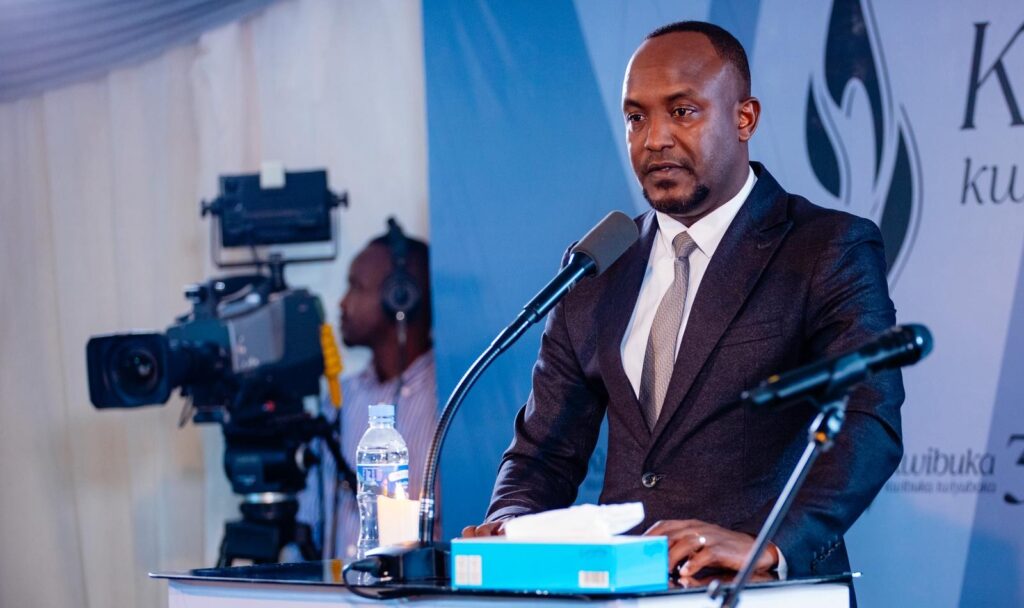
ARJ President Dan Ngabonziza honors journalists killed in the 1994 Genocide against the Tutsi, urging today’s press to guard against the divisive ideologies that once weaponized the airwaves.
When journalism was turned into a weapon
Dr. Jean Damascène Bizimana, Minister of National Unity and Civic Engagement, delivered a sobering account of how the media transitioned from a public service to a machinery of death. He cited the landmark ICTR “Media Case”—the conviction of figures like Ferdinand Nahimana and Hassan Ngeze—as definitive proof of the press’s role in orchestrating the genocide.
By the early 1990s, the media had become a hunting ground. Dr. Bizimana noted that newspapers and radio broadcasts systematically exposed and threatened dissenters, openly calling for their elimination. Professional ethics dissolved as factual reporting was replaced by state-sponsored mobilization, transforming the media into a primary channel for violence.
Even Radio Rwanda, the nation’s sole broadcaster, weaponized its airwaves. By weaving divisive speeches and music into daily programming, the station normalized hatred and primed the public for slaughter. This total erosion of ethics highlights the catastrophic danger of allowing political messaging to override the truth.
The memory of the journalists murdered for resisting this collapse must serve as a permanent guardrail for the industry. Their sacrifice is a final testament to the life-and-death power of the word. Today’s media professionals carry a sacred mandate: to protect national unity and ensure that the tools of information are never again twisted into instruments of destruction.