



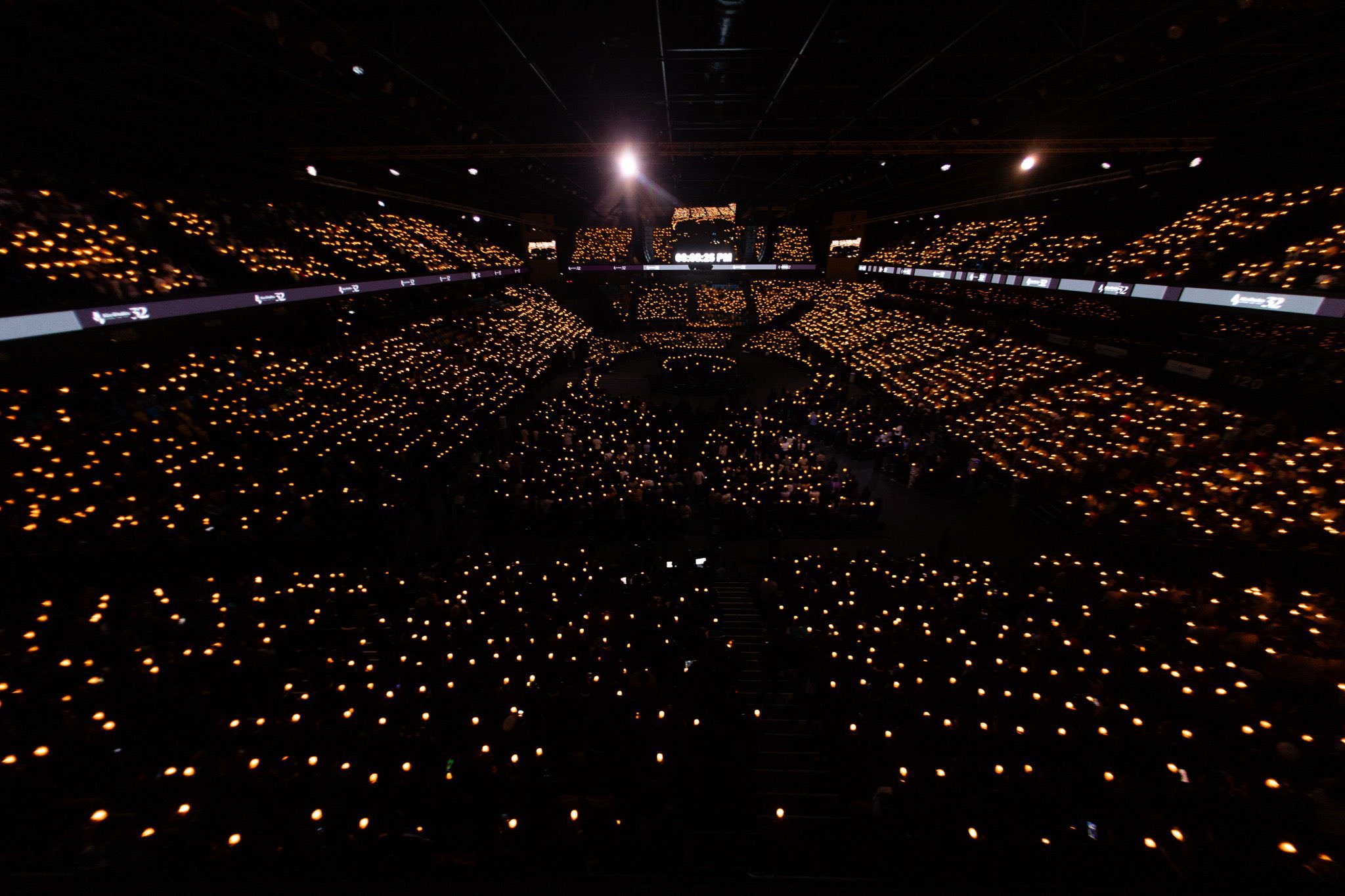
Phone flash lights lit up the BK Arena in Kigali where the official 32nd genocide commemoration week vigil was held on April 7
Countries that have endured—or continue to confront—genocide, crimes against humanity, hate speech, and the persistence of genocide ideology joined Rwandans in marking the 32nd anniversary of the 1994 Genocide against the Tutsi. Together, they sent a resolute message centered on prevention and the enduring principle of “Never Again.”
Across continents, leaders and institutions drew from their own histories of suffering to show solidarity with Rwanda, while cautioning against denial, incitement, and the dangers of global inaction.
Ukraine Reflects on Past and Present Tragedies
Ukraine, currently grappling with war and what its officials describe as genocidal aggression, joined Rwanda and the international community in honoring victims and urging coordinated action to prevent further atrocities.
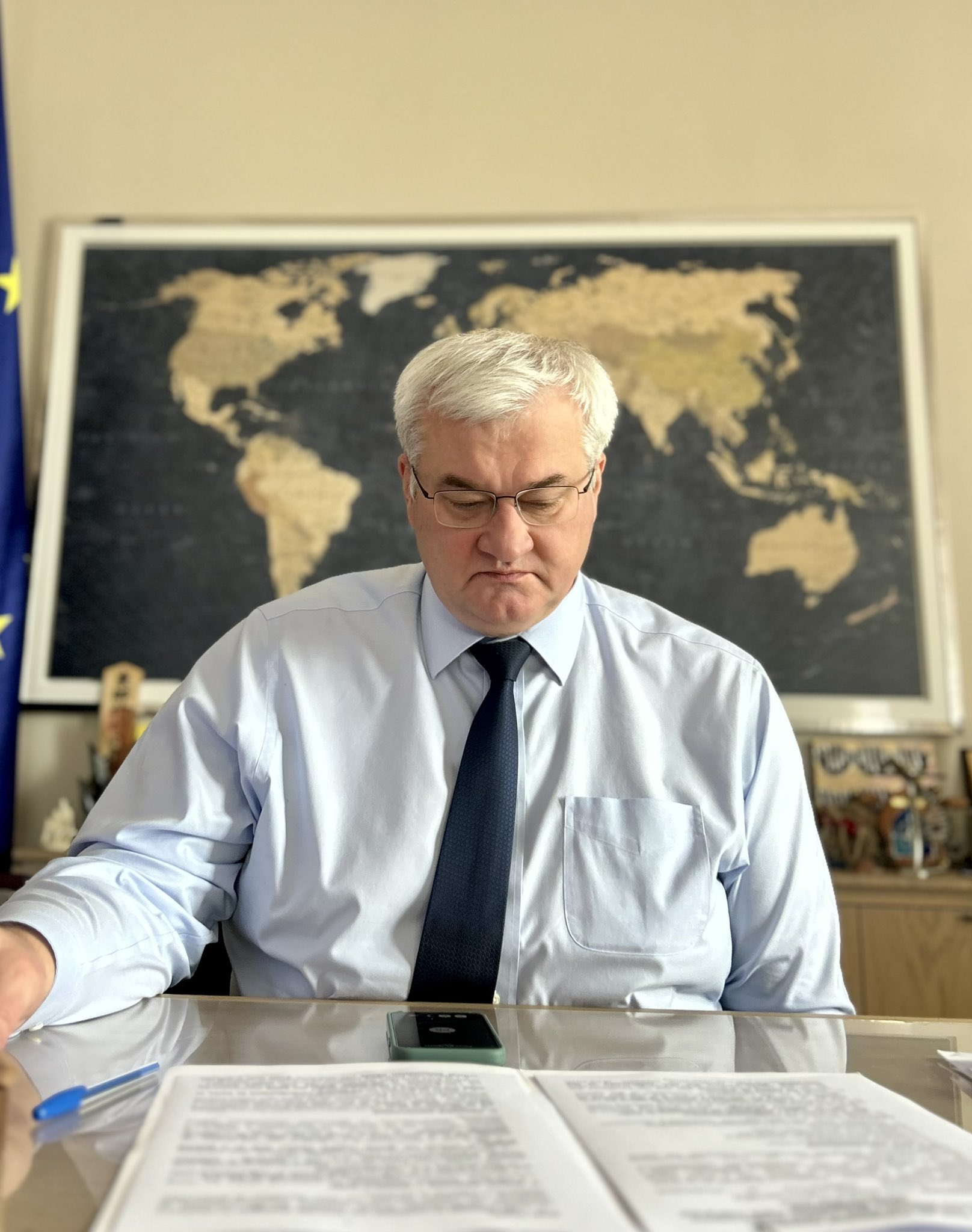
Andrii Sybiha, Ukraine’s Minister of Foreign Affairs.
Posting on X (formerly Twitter), Ukraine’s Minister of Foreign Affairs, Andrii Sybiha, highlighted his country’s deep understanding of such tragedies:
“Ukraine, having endured the Holodomor genocide and now facing Russia’s genocidal aggression, shares the pain of all people who have suffered such horrors.”
He called for stronger international unity and decisive action against the propaganda and rhetoric that fuel genocidal crimes.
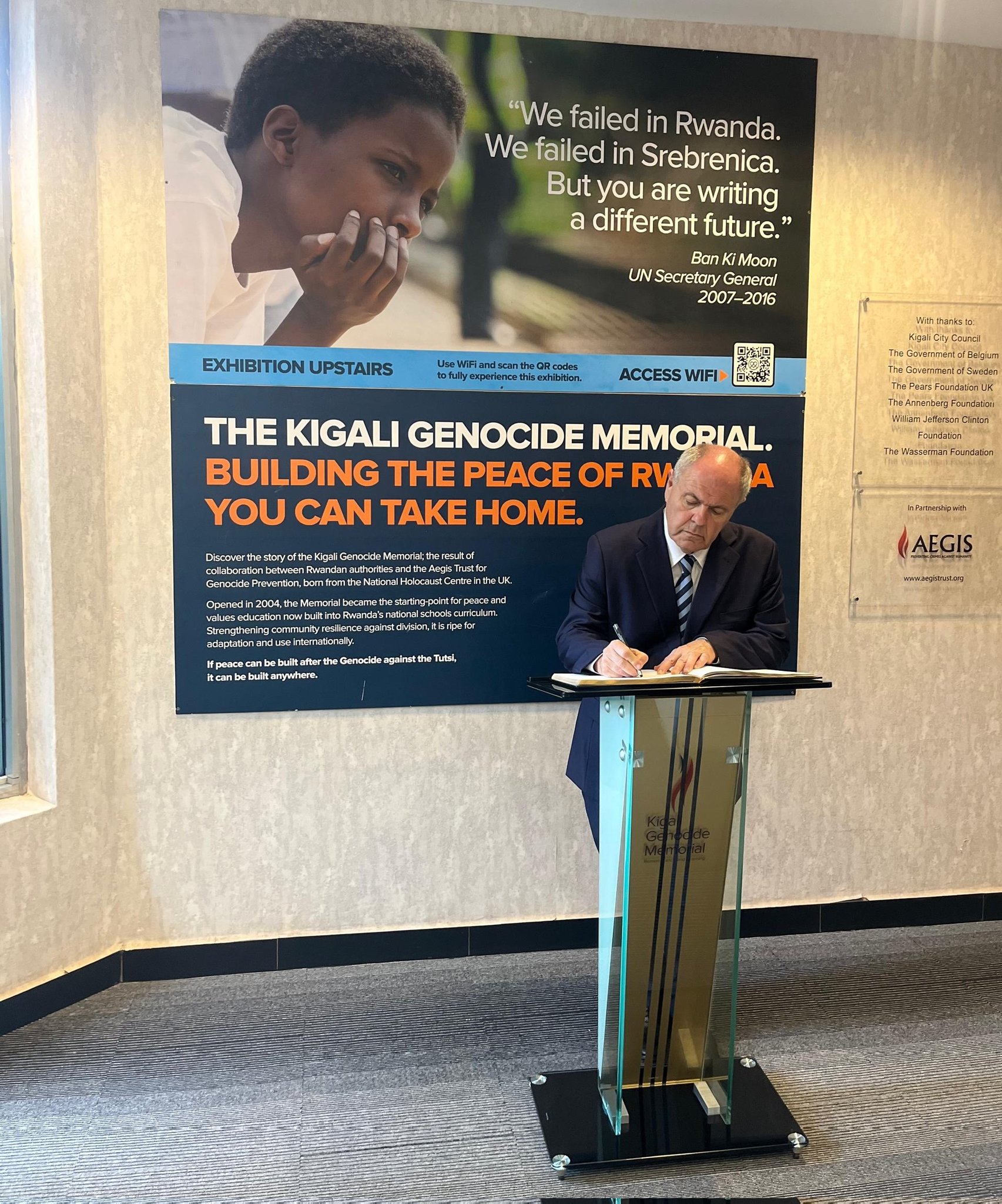
Dani Dayan, the chairman of Yad Vashem sign his stand point in a visitors book at Kigali Genocide Memorial site
Israel, through its Ministry of Foreign Affairs and its embassy in Kigali, joined Rwanda in commemorating the genocide, drawing lessons from the Holocaust. The message emphasized remembrance, education, and shared global responsibility.
“On this International Day of Reflection on the 1994 Genocide against the Tutsi in Rwanda, we stand with the people and government of Rwanda to honor the memory of those who perished,” he said. “We remember the victims, support survivors, and pay tribute to the resilience and courage that continue to shape Rwanda’s path forward.”
He added, “Guided by the lessons of history, we reaffirm our commitment to remembrance, education, and the collective responsibility to confront hatred and prevent genocide wherever it may occur. ‘Never Again’ must remain a call to action for all humanity.”
In a related tribute, Dani Dayan, chairman of Yad Vashem—the World Center for Holocaust Research, Documentation, Education, and Commemoration—also honored Rwanda’s victims, reinforcing the universal significance of remembrance. “Together, Israel and Rwanda stand united against hatred and denial. We remember. We honor. We commit. Never Again,” he said.
Armenia highlights dangers of denial:
Armenia, which commemorates the Armenian Genocide, expressed solidarity with Rwanda by honoring victims and calling for stronger global recognition of genocides.
Its messaging emphasized the dangers of denial and the need for international acknowledgment of historical atrocities.
Peacekeeping missions link remembrance to prevention:

Rwandan and CAR peacekeeper’s community
Across Africa, particularly in conflict-affected regions such as Central African Republic, Sudan, South Sudan and Mozambique, Kwibuka 32 was marked by peacekeepers and diplomatic missions.
Under the United Nations Multidimensional Integrated Stabilization Mission in the Central African Republic (MINUSCA), alongside Rwanda’s bilateral forces, commemorations were held in Bangui, Bria and Bossembélé, attended by officials including Fertit Region Secretary-General Magloire Balepoed.
In South Sudan, Ambassador Jimmy Gama described the genocide as a “powerful lesson,” praising Rwanda’s transformation into a united and resilient nation and expressing hope that his country could follow a similar path of peace and reconciliation.
At UNMISS events, UN officials including Graham Maitland commended Rwandan peacekeepers for preserving memory while actively working to prevent atrocities.
Observers also drew parallels between the international community’s failure during the 1994 genocide and the ongoing humanitarian crisis in Sudan.
Mozambique and CAR highlight security and resilience:
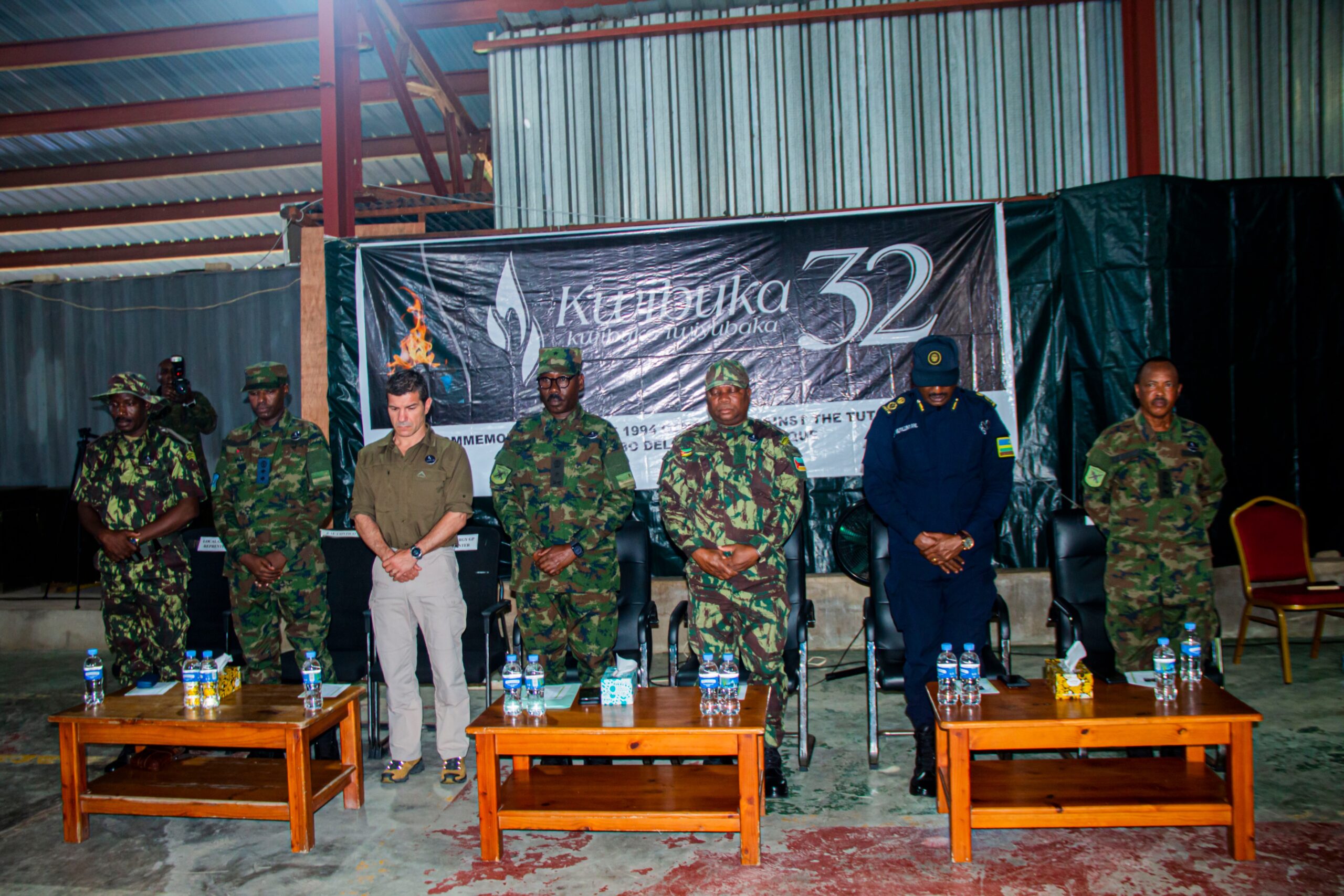
Rwandan forces joined Mozambican officials and partners at a commemoration in Mozambique’s Cabo Delgado province
In Mozambique’s Cabo Delgado province, Rwandan forces joined Mozambican officials and partners including TotalEnergies to commemorate the genocide.
Deputy Army Commander Tomás Mponha said Rwanda’s history offers important lessons for Mozambique and the world, while also commending Rwanda’s role in combating terrorism.
Senegal reflects on history and responsibility:
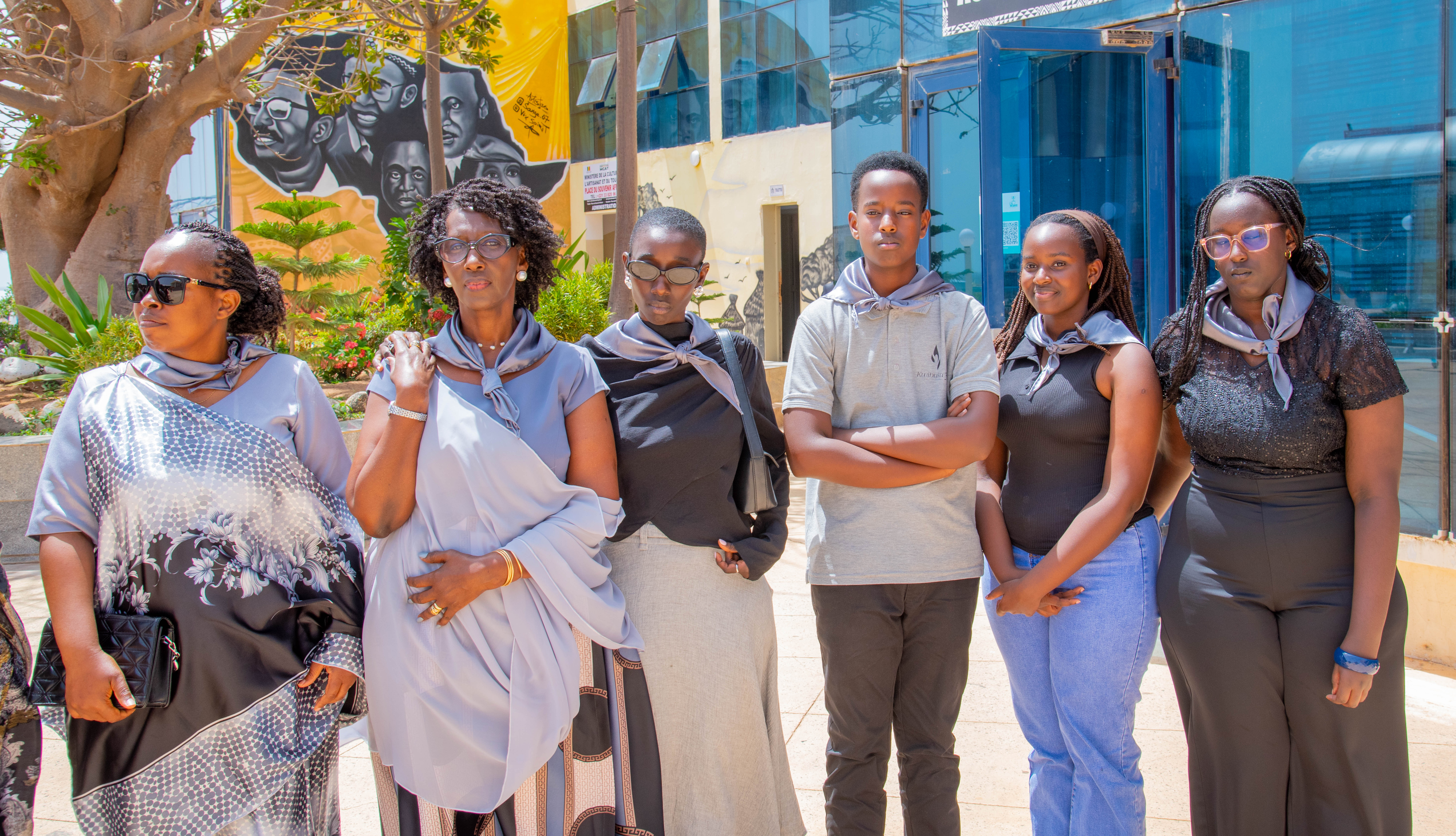
Part of the Rwandan community in Senegal
In Dakar, about 400 people gathered to mark the commemoration, including government officials, diplomats, and members of the Rwandan community.
Rwanda’s Ambassador Festus Bizimana stressed the need to move beyond rhetoric:
“These efforts have strengthened Rwanda’s nation-building project. Today, Rwanda is a country that is proud of the steps taken while also looking to move forward based on the security, peace, and unity of its people.”
Representing the Senegalese government, Minister Amadou Ba paid tribute to Senegalese soldiers who served under United Nations Assistance Mission for Rwanda, including Mbaye Diagne, who died saving Tutsi lives.
He also referenced writer Boubacar Boris Diop and his work Murambi: The Book of Bones, which documents the horrors of the genocide.
At a genocide prevention conference in Kigali, Senegalese General El Hadji Babacar Faye reflected critically on international failure:
“A Senegalese soldier, Gen. El Hadji Babacar Faye, who was part of the United Nations forces (UNAMIR) in Rwanda during the 1994 Genocide against the Tutsi, told a 2026 International conference on genocide prevention Kigali that their forces did nothing to rescue those who were being killed, and therefore Africa should not wait for solutions to its problems from elsewhere.”
Countries with histories of genocide and ongoing conflicts are increasingly using Rwanda’s commemoration not only to remember the past, but to confront present dangers—sending a unified message that remembrance must be matched with action to prevent future atrocities.