



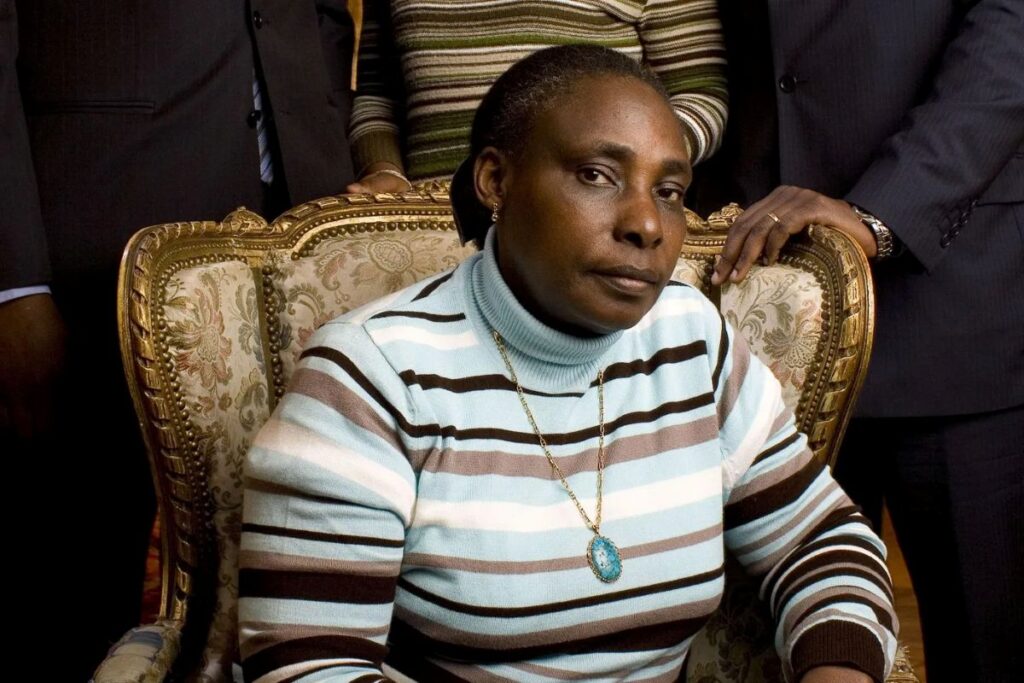
The case against Agathe Kanziga, widow of former Rwandan President Juvénal Habyarimana has been postponed to May 6, 2026.
KIGALI – A long-running investigation into Agathe Kanziga, widow of former Rwandan President Juvénal Habyarimana, remains unresolved after a French court postponed its much-anticipated decision on whether to proceed with or dismiss her case linked to the 1994 Genocide against the Tutsi.
The ruling, initially expected on April 8, 2026, has now been deferred to May 6, extending a legal process that has spanned nearly two decades and highlighting the complexity surrounding one of the most closely followed genocide-related cases in France.
A Case Marked by Delays and Legal Reversals
The case against Kanziga was first opened in 2008 following a complaint filed by a France-based victims’ rights organization. Since then, the investigation has faced a turbulent path, including a dismissal in August 2025 when investigating judges cited insufficient evidence to prove her role as an accomplice.
Each closure, however, has been challenged by prosecutors and civil parties, reflecting persistent efforts to keep the case alive. That 2025 dismissal was immediately appealed by the National Anti-Terrorist Prosecutor’s Office (PNAT), prompting the Paris Court of Appeal to review whether the case should finally proceed to trial or be definitively dropped.
Central to the investigation is whether Kanziga was the matriarch of the “Akazu,” the influential inner circle accused of orchestrating the genocide that claimed more than one million lives. Kanziga fled Rwanda within days of the genocide’s outbreak, famously evacuated by French troops during Operation Turquoise, and has lived in France since 1998 despite repeated extradition requests from Kigali.
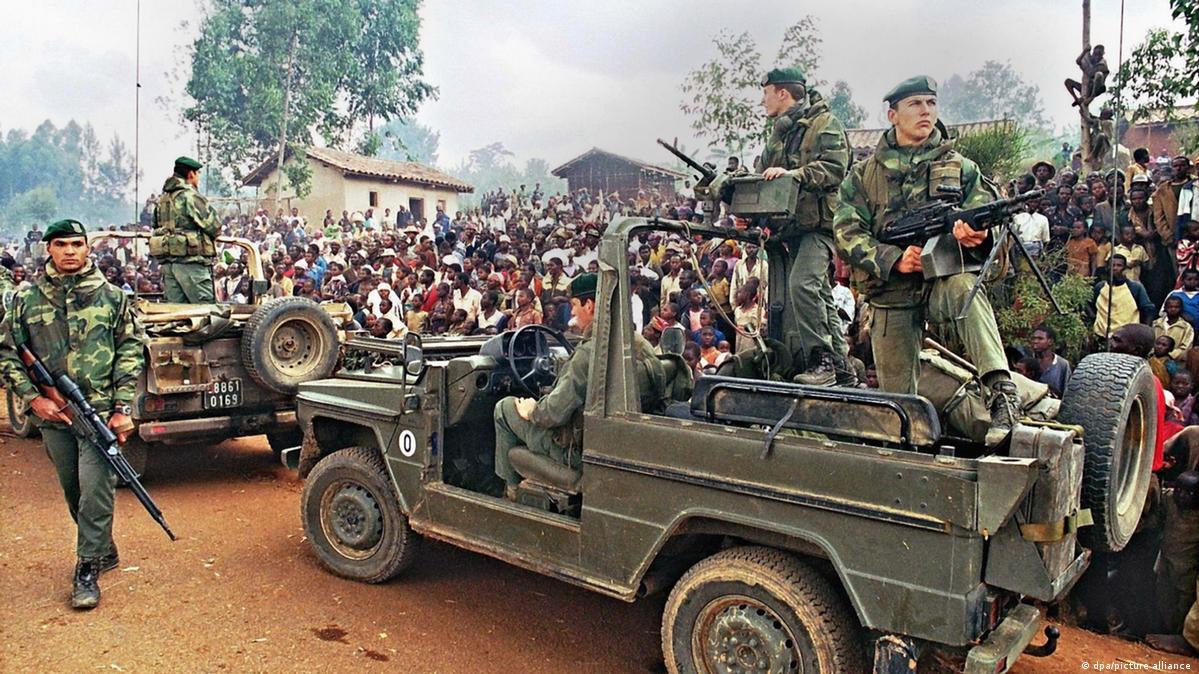
A legacy of controversy: Agathe Habyarimana, widow of the former president, was among those the infamous Operation Turquoise aided to airlift out of Rwanda in 1994.
While Kanziga’s case remains in limbo, the Paris Court of Appeal has taken a significant step in a related matter. On the same day the Habyarimana ruling was postponed, the court overturned a previous decision that had halted investigations into Cyprien Kayumba, a former Rwandan soldier.
Kayumba is accused of supplying weapons used during the killings. This decision clears the way for him to stand trial on charges of complicity in the Genocide against the Tutsi and crimes against humanity, signaling a renewed momentum in some genocide-related prosecutions even as others stall.
The Long Road to Accountability
The persistence of these cases is largely due to the work of the Collective of Civil Parties for Rwanda (CPCR), a France-based advocacy group founded in 2001 by Alain and Dafroza Gauthier. The organization serves as the primary engine for “judicial activism” in France, tirelessly investigating and filing criminal complaints against individuals suspected of participating in the genocide who have since sought refuge on French soil.
By acting as a civil party within the French legal system, the CPCR ensures that high-profile cases—like those of Kanziga and Kayumba—do not fade into obscurity, providing a legal voice for survivors who seek accountability more than three decades after the events of 1994.
Over the years, French courts have increasingly relied on this partnership and the principle of universal jurisdiction to prosecute crimes against humanity committed beyond their borders. As the new May 6 deadline approaches, the eyes of the international legal community remain on Paris. The upcoming ruling will determine whether one of the most prominent remaining figures of the genocide will finally face a courtroom or if the shadow of the Akazu will remain unaddressed.
