



KIGALI – France has reaffirmed its commitment to preserving the truth about the 1994 Genocide against the Tutsi, emphasizing that using its correct name is both a moral obligation and a matter of historical responsibility.
The message was delivered in Paris on April 7 during a commemoration event, where Emmanuelle Blatmann, Director for Africa and the Indian Ocean, spoke on behalf of the French Ministry for Europe and Foreign Affairs.
The event formed part of global remembrance activities marking the genocide.
Blatmann paid tribute to more than one million victims killed in 1994 because of who they were, as well as those murdered for opposing the violence. She stressed that remembrance must go beyond symbolism and serve as a safeguard against denial and historical distortion.
“Remembering is not just about looking back at the past; it is about refusing the erasure of history and rejecting oblivion. Calling the Genocide against the Tutsi by its true name is a historical, moral and political duty,” she said.
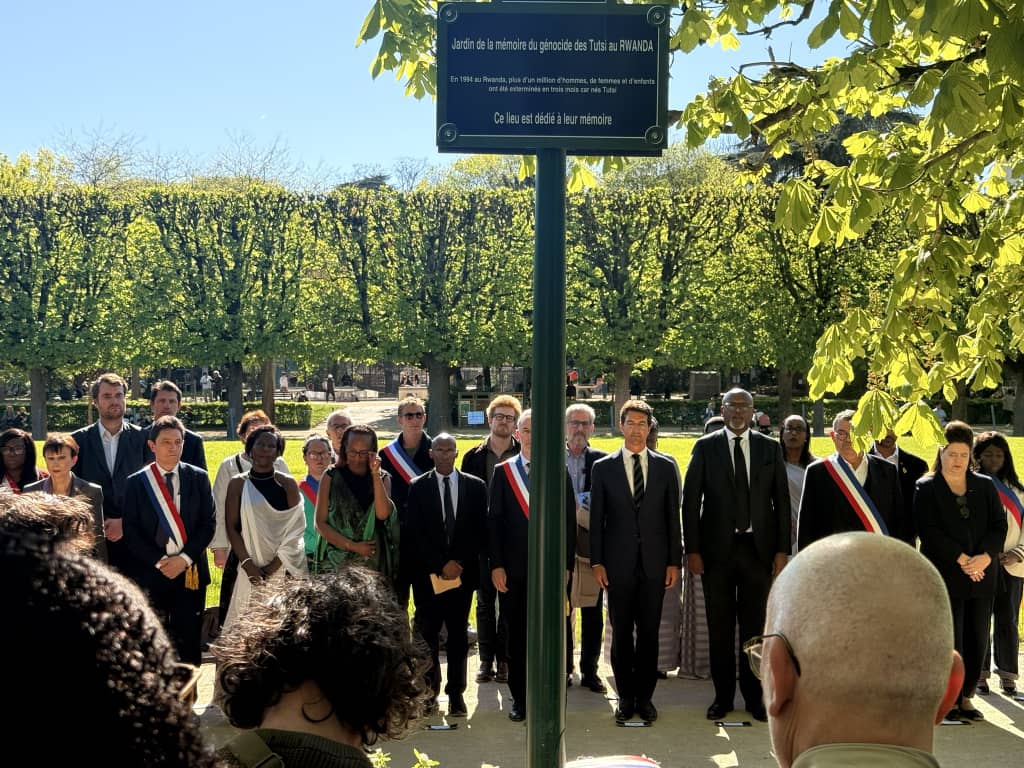
There are plans to establish a memorial in Paris dedicated to the remembrance of the Genocide against the Tutsi.
Defending Truth against Denial
Blatmann warned against ongoing attempts to distort or minimize the genocide, cautioning that silence and incomplete narratives risk undermining truth and reopening wounds for survivors. She emphasized the need for consistency in confronting denial and ensuring that historical facts are preserved and transmitted accurately.
She also pointed to steps France has taken in recent years to confront its past, including opening national archives, supporting independent research, and acknowledging its role in the events leading up to the genocide, an acknowledgment made by the French presidency in 2021.
Quoting Foreign Affairs Minister Jean-Noël Barrot, she reinforced the link between truth and reconciliation: “There can be no reconciliation without justice, and no justice without truth.”
Justice, Memory and Future Responsibility
France is also stepping up judicial efforts, with trials of genocide suspects expected to take place this year. Blatmann made it clear that the country remains committed to fighting impunity, warning that those who believed they had found safe haven in France will face justice in accordance with the law.
Beyond the courts, she highlighted plans to establish a memorial in Paris dedicated to the Genocide against the Tutsi. The site is expected to serve as a space for remembrance, education, and support for survivors and the Rwandan diaspora.
According to Blatmann, the memorial will also carry a broader message for future generations, that genocide is not a sudden incident but a process fueled by hatred, dehumanization, and extremist ideology.
She called on the international community to remain vigilant against genocide denial and hate-driven narratives. “Remembering, fighting falsehoods, and delivering justice are one and the same commitment,” she said.
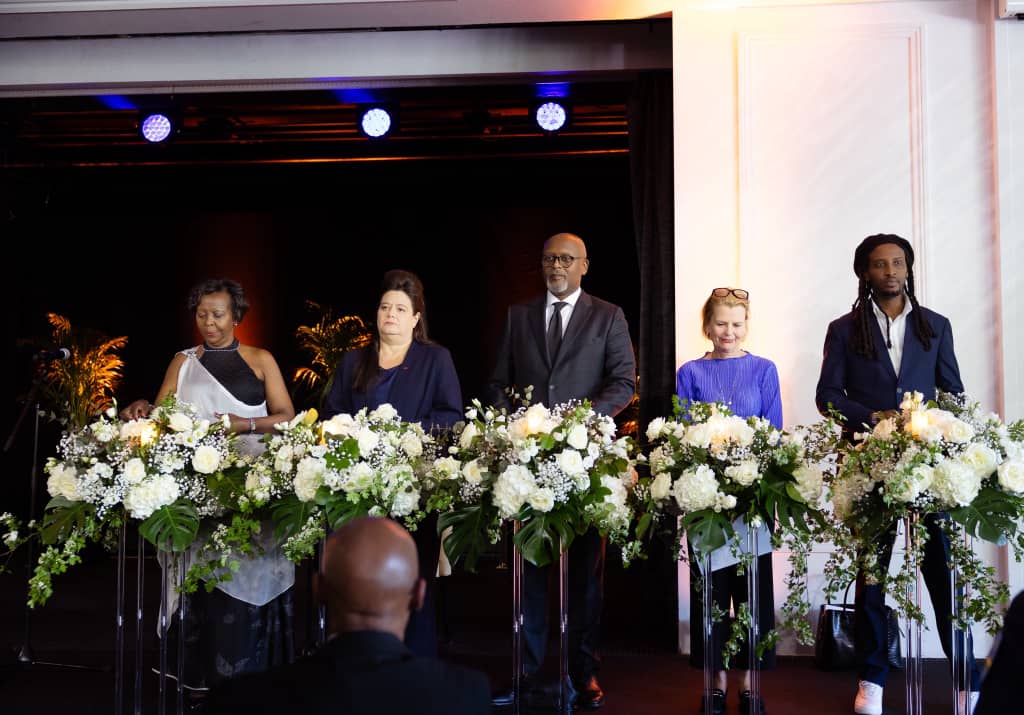
Emmanuelle Blatmann, Director for Africa and the Indian Ocean, joined Rwandans in France to commemorate the Genocide against the Tutsi.