



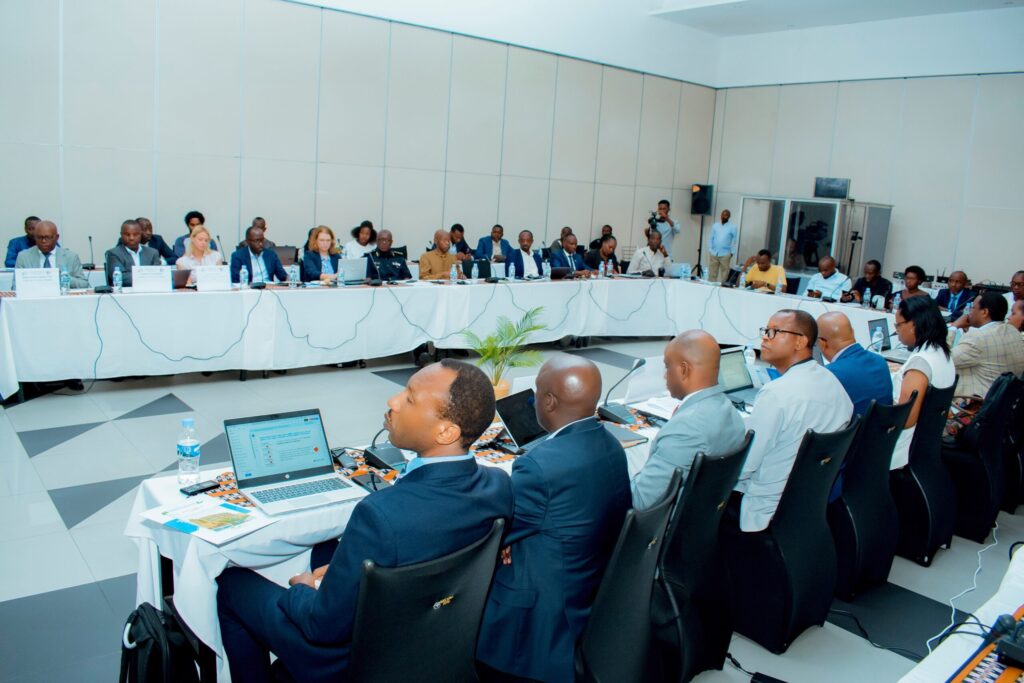
Officials during the launch of the latest analysis on decentralized entities and the City of Kigali for the fiscal year that ended June 2024.
KIGALI -New findings from Transparency International Rwanda reveal a widening chasm between the country’s ambitious reform goals and its implementation realities. While Rwanda has made measurable strides in enforcing audit recommendations and tightening oversight, deep-seated structural flaws continue to bleed value from public spending.
The latest analysis of decentralized entities and the City of Kigali for the 2023/24 fiscal year paints a picture of a system in transition. There is undeniable momentum toward greater accountability, yet recurring inefficiencies suggest that the “culture of excellence” has yet to take root in every institution.
The data is telling: non-expenditure-related weaknesses jumped by 38%, signaling a rise in systemic friction. Even more concerning is the concentration of financial risk—unsupported expenditures alone hit FRW 13.354 billion, accounting for a staggering 93.6% of all expenditure-related gaps. This highlights a critical breakdown in the basic documentation and verification of how public money is used.
Non-expenditure-related weaknesses increased by 38%, confirming a significant rise in systemic inefficiencies.
At the same time, expenditure-related weaknesses remain heavily concentrated in a few critical areas. Unsupported expenditures alone amounted to FRW 13.354 billion, making up 93.6% of all expenditure-related weaknesses, with wasteful expenditure accounting for about 6%.
This underscores serious gaps in financial accountability, particularly in documentation and verification of public spending.
Transparency International Rwanda Executive Director Apollinaire Mupiganyi observed that the challenges are not new but persistent, calling for stronger, more coordinated, and accountable responses.
The report further shows that non-compliance with laws and procedures remains the dominant driver of weaknesses, accounting for about 63.85% of non-expenditure-related issues.
Public procurement continues to be a major pressure point, contributing roughly 39% of total PFM weaknesses, with irregularities in tendering and contract management among the most recurrent issues.
These inefficiencies are not just technical; they carry real consequences. Delays in social protection transfers, including over FRW 10.322 billion in Nutrition Sensitive Direct Support (NSDS), have left vulnerable citizens waiting for extended periods.
Marie Vonkirchmann, the Technical Advisor at GIZ, emphasized the urgency of translating findings into action, noting that improvements must ultimately be reflected in better service delivery to citizens.
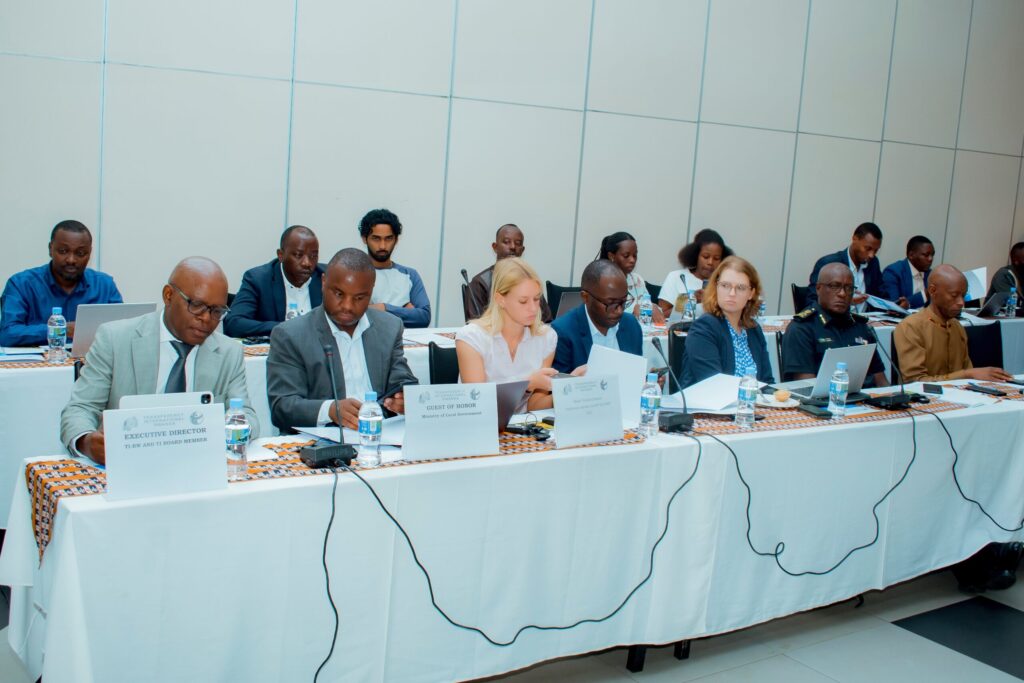
Transparency International Rwanda says that Public procurement continues to be a major pressure point.
Progress Amid Persistent Structural Gaps
Despite the scale of these challenges, the report highlights measurable progress in accountability.
For the first time, 19 districts implemented audit recommendations at a level of at least 70%, marking a significant milestone in public financial management. Overall, the implementation rate rose to 71%, up from 57.16% in the previous fiscal year.
This demonstrates that sustained follow-up and enforcement mechanisms can yield tangible improvements.
Richard Kubana, the Director General – Community Mobilization and Youth Volunteers Coordination in Community Policing at the Ministry of Local Government pointed to this progress as a sign of institutional growth, noting that improved audit outcomes were once considered unattainable.
However, progress remains uneven. Persistent issues such as idle assets, weak investment decisions, and procurement inefficiencies continue to undermine gains made in other areas.
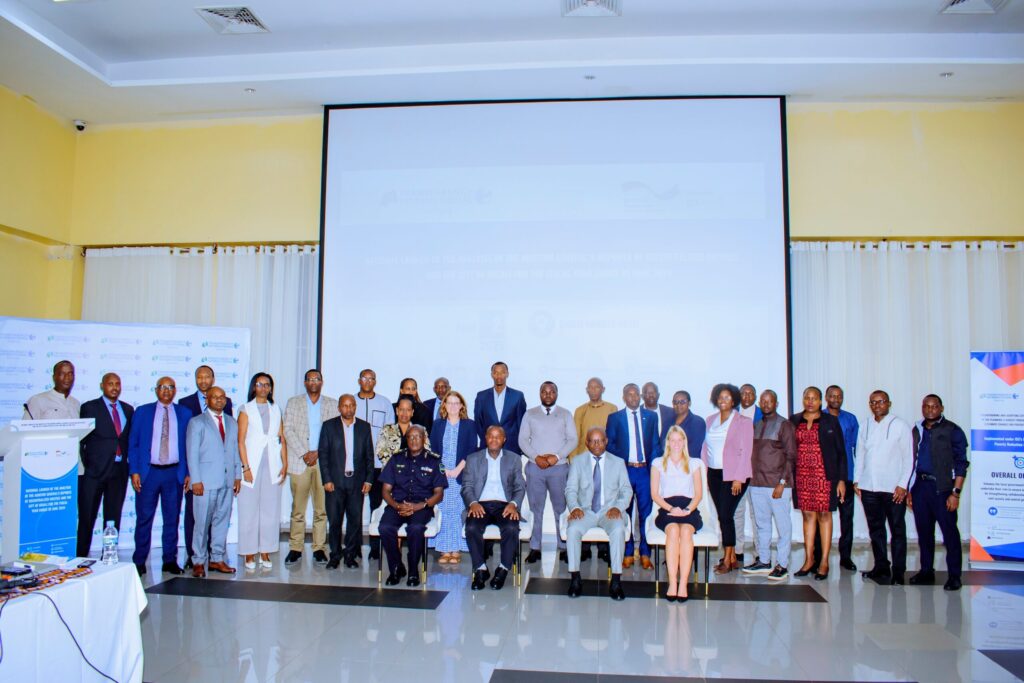
Officials pose for a group photo after the launch of an analysis of the latest Auditor General’s reports by Transparency International Rwanda.
The Reform Imperative
The evidence is clear: Rwanda’s next phase of reform must move beyond identifying problems to enforcing consequences.
The priorities are now urgent. Government must fix broken procurement loops, tighten asset management, and stop the delays in fund disbursements.
Success hinges on coordination. Many of these failures aren’t just technical—they are the result of fragmented leadership and stalled decision-making.
“Public financial management is a governance imperative,” Mupiganyi emphasized. “Every franc must improve a citizen’s life.”
The conversation has shifted. While the progress is real, the persistence of these gaps proves that reform is only as strong as its enforcement.
The goal is no longer just to track the money, but to make sure it finally reaches its destination.
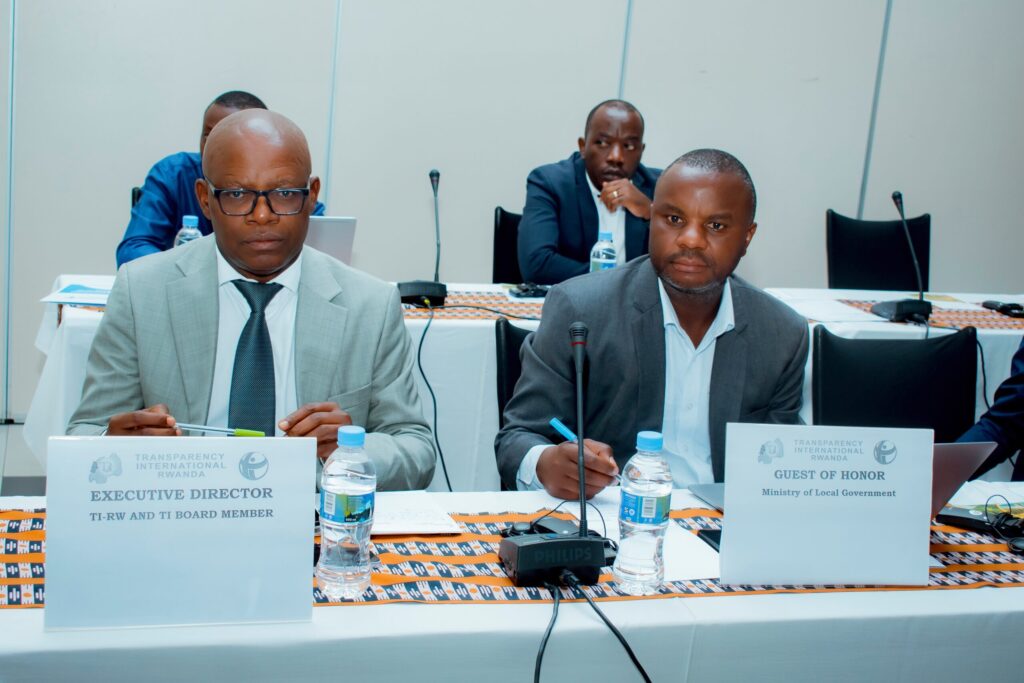
Transparency International Rwanda Executive Director Apollinaire Mupiganyi (L) and Richard Kubana, from the Ministry of Local Government during the launch.