



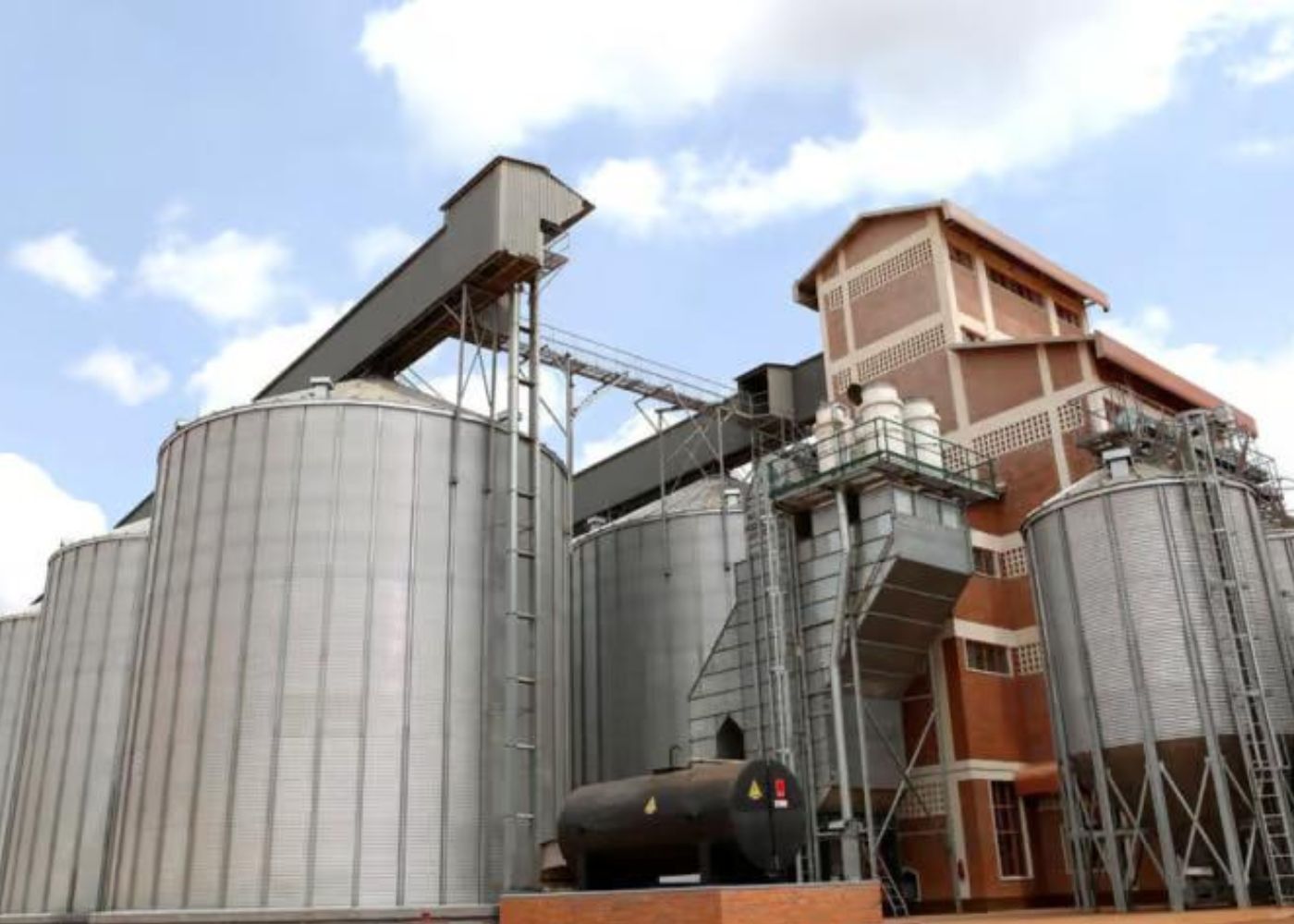
Rwanda’s post-harvest storage stands at 50,000 tonnes, far below the 300,000 tonnes President Kagame called for 15 years ago.
KIGALI — Rwandan senators have warned that the country’s strategic food reserves remain dangerously low, raising concerns over its ability to withstand shocks as domestic demand grows and climate and market risks intensify.
The concerns, raised during a Senate session this week, focused on repeated delays in building national food reserves, with lawmakers urging faster implementation and clearer timelines.
Senator Charles Muligande said efforts to expand food storage capacity date back more than a decade. While serving as minister of education between 2009 and 2011, he said then agriculture minister Agnes Kalibata proposed facilities with a capacity of 20,000 tonnes, which President Paul Kagame dismissed as insufficient, calling for storage of up to 300,000 tonnes.
More than 15 years later, Muligande said Rwanda’s storage capacity remains below 50,000 tonnes. “This is extremely low,” he said, warning that in the event of a poor harvest, existing reserves could sustain the country for about a week.
He questioned whether the shortfall stems from limited production, inadequate storage, or both, and challenged the government to explain how it plans to deliver in three years what has not been achieved in over a decade.
The Ministry of Agriculture and Animal Resources (MINAGRI) says it plans to build storage facilities with a total capacity of 100,000 tonnes over the next three years. Muligande said building a credible reserve system would require a mix of increased production, expanded storage, and targeted imports.
“It requires producing more, storing more, and supplementing with imports,” he said.
Senator Evode Uwizeyimana echoed the concerns, warning against what he described as a pattern of prolonged delays in government commitments.
“Institutions come here and make commitments, but years later they are still in procurement or contracts are terminated,” he said. “It often feels like we are being strung along.”
Uwizeyimana also questioned a proposal to assign Rwanda Medical Supply (RMS), which imports human medicines, the additional responsibility of procuring veterinary drugs, citing inefficiencies observed during Senate oversight visits to health facilities.
Food Reserves as an Economic and Climate Shield
Experts say strategic food reserves act as a “shock absorber” for the economy. When global or local food prices spike—due to fuel costs, poor weather, or conflict—governments can release grain from reserves into the market. This stabilizes prices, prevents inflation, and ensures basic staples remain affordable for low-income households.
Large, transparent reserves also discourage market speculation and hoarding, while ensuring enough carry-over stock to feed the population during lean seasons, preventing seasonal malnutrition.
With increasingly unpredictable weather patterns, reserves provide a critical buffer against crop failures. In the event of floods or droughts, they supply the immediate caloric needs of the population while the next planting cycle is prepared.
From Policy to Action: President Kagame’s Directive
In recent high-level meetings—most notably at the Rwanda Military Academy in Gako in March 2026—President Kagame has highlighted the gap between policy and implementation.
“Dying of hunger is unacceptable,” he said, urging leaders to use Rwanda’s favorable weather, arable land, and capable population to ensure national food security. Kagame has emphasized that Rwanda should not only feed its population but also be in a position to supply others.
The national reserve focuses primarily on maize and beans, staples for the majority of Rwandans, according to the UN. Kagame has also stressed the importance of irrigation to reduce dependence on rainfall. Under the NST2 strategy, tens of thousands of additional hectares are targeted for irrigation to ensure reserves are replenished regardless of season.
Government Response
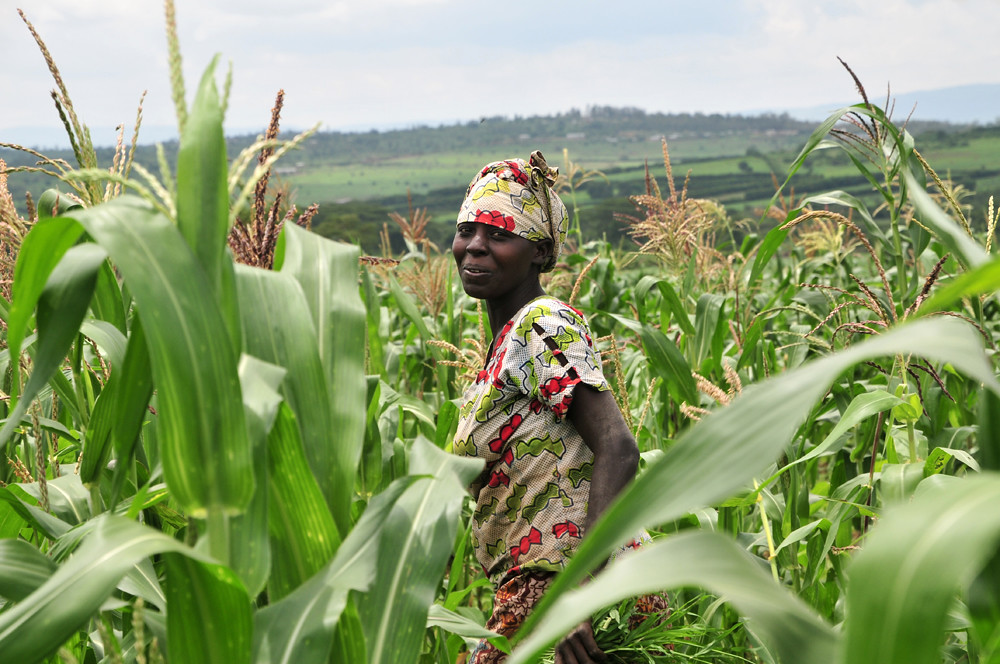
A farmer tends a maize field in Nyagatare, Eastern Province. The Rwandan government has prioritized maize production to strengthen national food security.
Responding on behalf of the government, Agriculture Minister Telesphore Ndabamenye acknowledged that current food reserve capacity is insufficient. He noted that international benchmarks suggest countries should store enough to feed their populations for at least three months during a crisis.
Sites for new storage facilities have been identified and procurement processes initiated, with contractors already selected.
“The three-year timeline is not fixed; it could be shorter depending on the technology used,” Ndabamenye said. He added that Rwanda aims to store at least 15 percent of its annual food production while also using imports to strengthen reserves.
“For example, if we store 30,000 to 40,000 tonnes locally, we can complement that with about 20,000 tonnes imported,” he said. “What we need is food security.”
On the proposal involving RMS, Ndabamenye said the government would review the plan to ensure it does not affect efficiency.
The Senate’s warning underscores a broader challenge: as the economy grows and climate and market risks rise, Rwanda’s ability to build and maintain strategic food reserves is emerging as a central test of national preparedness.
