


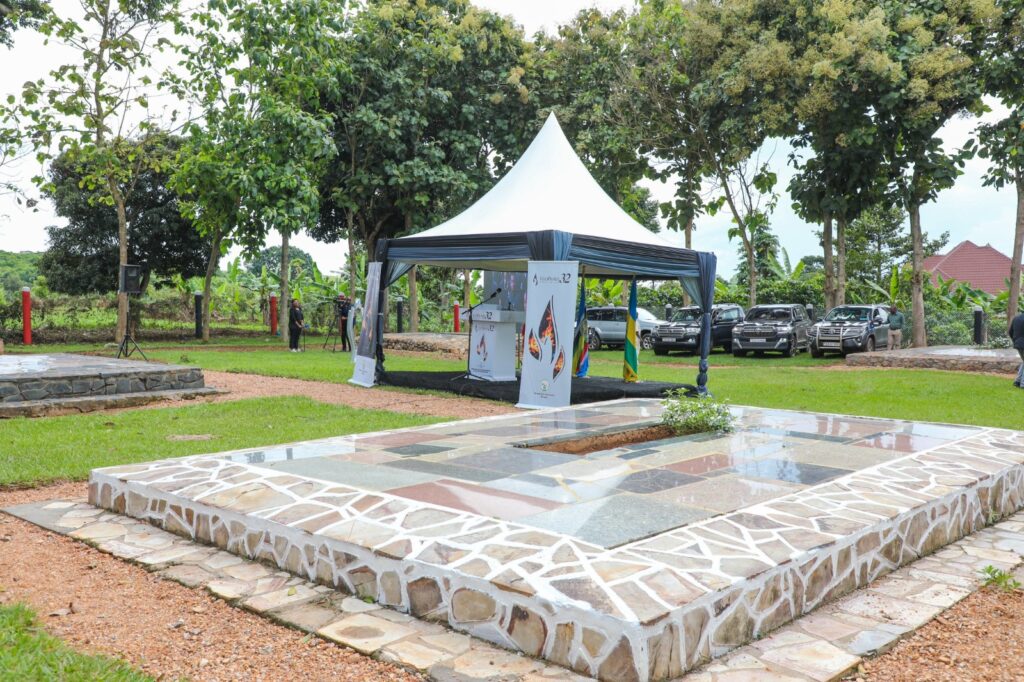
Ggolo Memorial Site in Uganda holds 4,771 victims of the 1994 Genocide against the Tutsi recovered from Lake Victoria.
KIGALI — When we talk about the 1994 Genocide against the Tutsi, the story usually stays within Rwanda—on its hills and in its neighborhoods. But for thousands of people, the tragedy didn’t stop at the border. Their bodies were swept away by rivers, eventually ending up in the waters of Lake Victoria on foreign shores.
The killers called the rivers a “shortcut.” They threw people into the water thinking the current would hide their crimes and erase the victims forever. But those mothers, fathers, and children were carried downstream and into Uganda.
That is where 19 local fishermen made a choice that changed everything. Instead of looking away, they pulled the victims from the water. By bringing them back to land, these men did more than just clear the shoreline—they gave those people back their dignity. They proved that even in the middle of a nightmare, humanity doesn’t care about borders.
Mercy in the Current
Filmmaker and journalist Dady de Maximo Mwicira-Mitali, a survivor of the 1994 Genocide against the Tutsi, spent years documenting this journey. He believes the world needs to know what those fishermen did.
“There are no words big enough to thank them,” Mitali says. “They didn’t just find bodies; they looked after our parents and our children when no one else could.”
Between 2004 and 2011, Mitali captured this overlooked piece of history in his film, By the Shortcut – Iy’Ubusamo. It’s a heavy story, tracing the path from the Nyabarongo River all the way to Uganda, but it’s a necessary one. It reminds us of the victims who were meant to be forgotten, and the strangers who refused to let that happen.
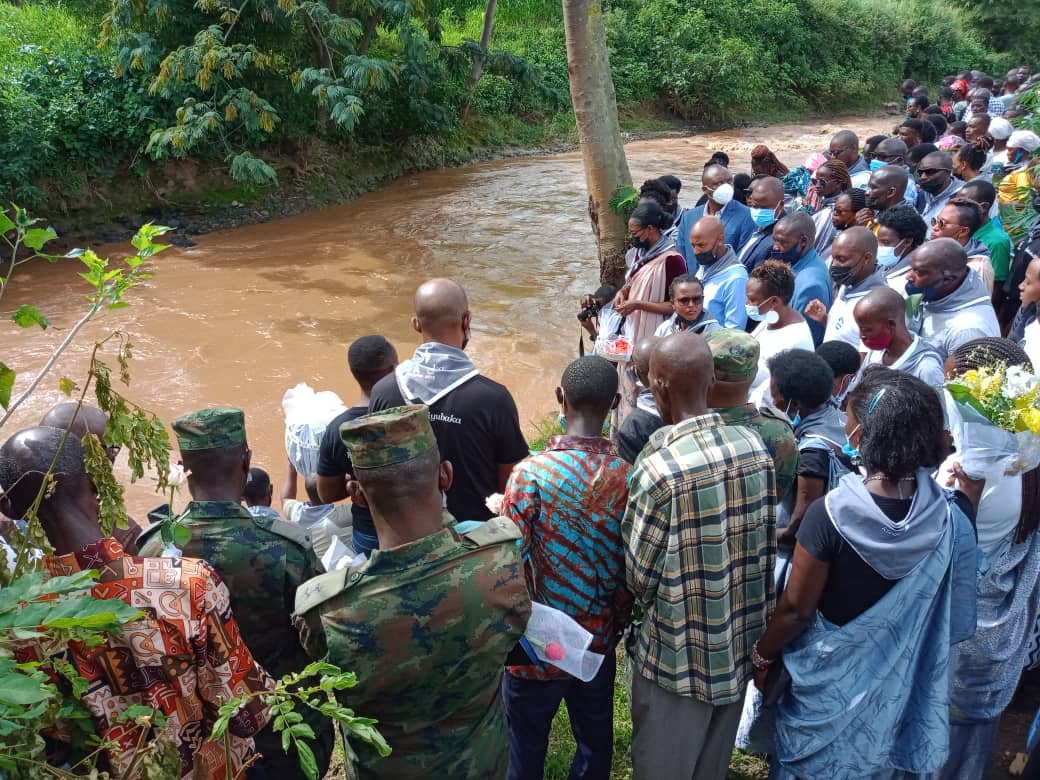
Rwandans honour victims whose bodies were thrown into rivers like the Nyabarongo and carried across borders into Uganda.
The ‘Shortcut’ That Led to Nowhere
During the genocide, perpetrators often spoke of a so-called “shortcut”—a cruel euphemism suggesting that Tutsi victims were being sent back to where they “came from.” That “shortcut” was the network of rivers that carried mutilated bodies into Lake Victoria.
But this was not a one-time horror. The use of rivers as a means of disposing of victims dates back decades, through waves of violence in 1959, 1963, 1973, and beyond. “This is not simply a nightmare. It is history repeating itself,” Mwicira-Mitali reflects.
One of the stories captured in the documentary is that of Marie Claire Mukamitali, who was just 14 in 1973 when she was thrown into the river alongside her family. She survived against all odds.
“They drowned me four times, but I lived,” she recalls in testimony. Her survival, like many others, stands in stark contrast to the thousands who never returned.
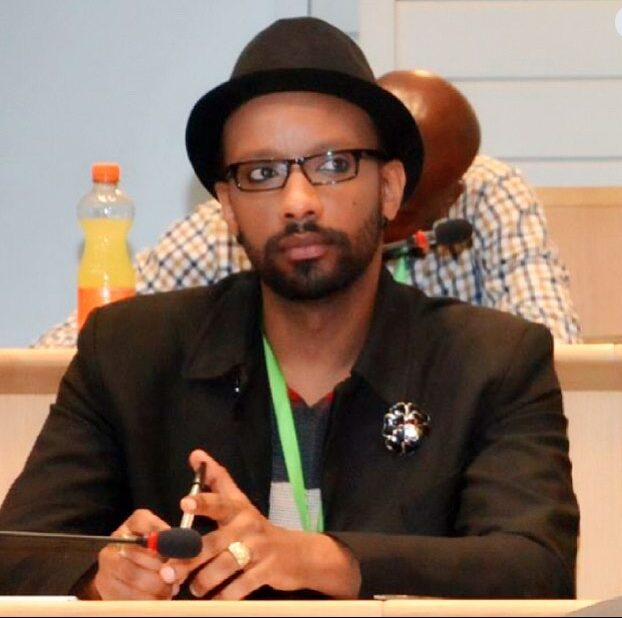
Mwicira-Mitali documented the story of how Genocide victims ended up in Lake Victoria through his film “By the Shortcut – Iy’Ubusamo”
An Unlikely Brotherhood Across Borders
Months after the genocide, as bodies surfaced along the shores of Lake Victoria in Uganda, local fishermen were confronted with a task few could endure. Some of them chose to act.
19 Ugandan fishermen, working in areas such as Ggolo, Kasensero, Lambu, Marembo, Namirembe, Ddimo and Kalangala, began retrieving the bodies from the water, often at great personal risk. Many fell ill from prolonged exposure. Some later died.
“They became part of our family history. Their sacrifice is the ultimate testament to humanity in the face of darkness,” Mwicira-Mitali says.
Alongside them was Thobani Mohamoud, who took on the responsibility of caring for the burial sites where many of the victims were finally laid to rest. For years, he ensured that those who had been discarded in death were given dignity in burial.
In time, with support from the Rwandan government, some of these fishermen traveled to Rwanda to meet survivors, closing a painful but necessary circle between those who had lost loved ones and those who had helped recover them.
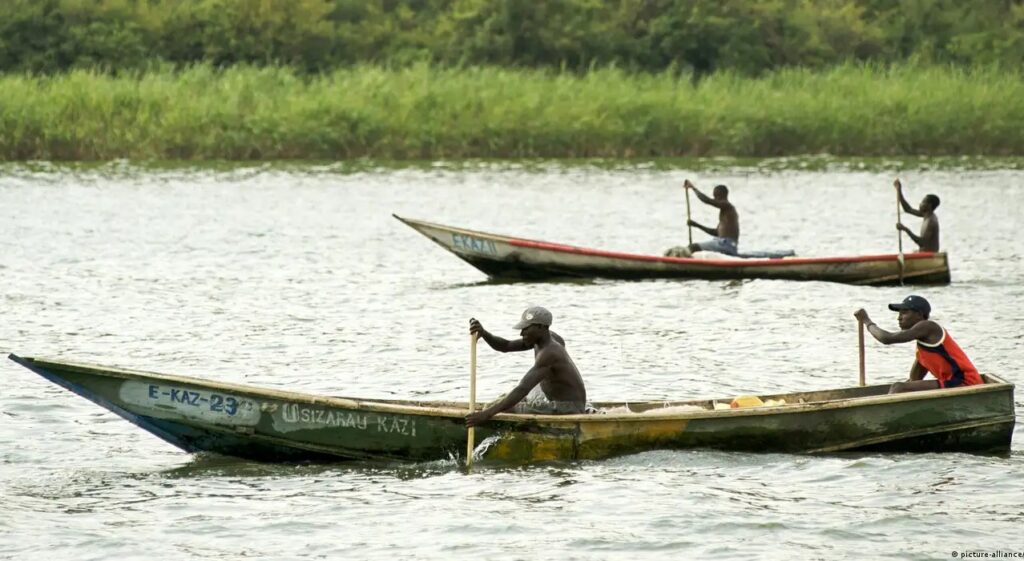
Ugandan fishermen began retrieving the bodies from the water months after the genocide.
Memory, Dignity and the Work of Telling
Mwicira-Mitali’s documentary does more than trace a physical journey; it reconstructs a fragmented memory through the shared testimonies of survivors, perpetrators, and rescuers. The film confronts the painful reality that many victims, denied their identity in death, were scattered across borders and buried far from home. In Uganda alone, more than 17,000 bodies were recovered, according to the umbrella organization for associations of survivors of the 1994 genocide against the Tutsi in Rwanda (IBUKA).
For the filmmaker, this mission is deeply personal. As a survivor himself, he set out to document this “forgotten passage” in Rwanda’s history—a narrative defined not only by immense loss but by unexpected solidarity.
“When we speak of those we lost, we must also speak of those who stood for them when the world could not,” he says.
Today, the story of the Ugandan fishermen remains a powerful testament to the fact that even in humanity’s darkest chapters, courage and compassion endure. By pulling these victims from the water, they did the one thing the killers could not: they restored dignity to lives that were meant to be erased.