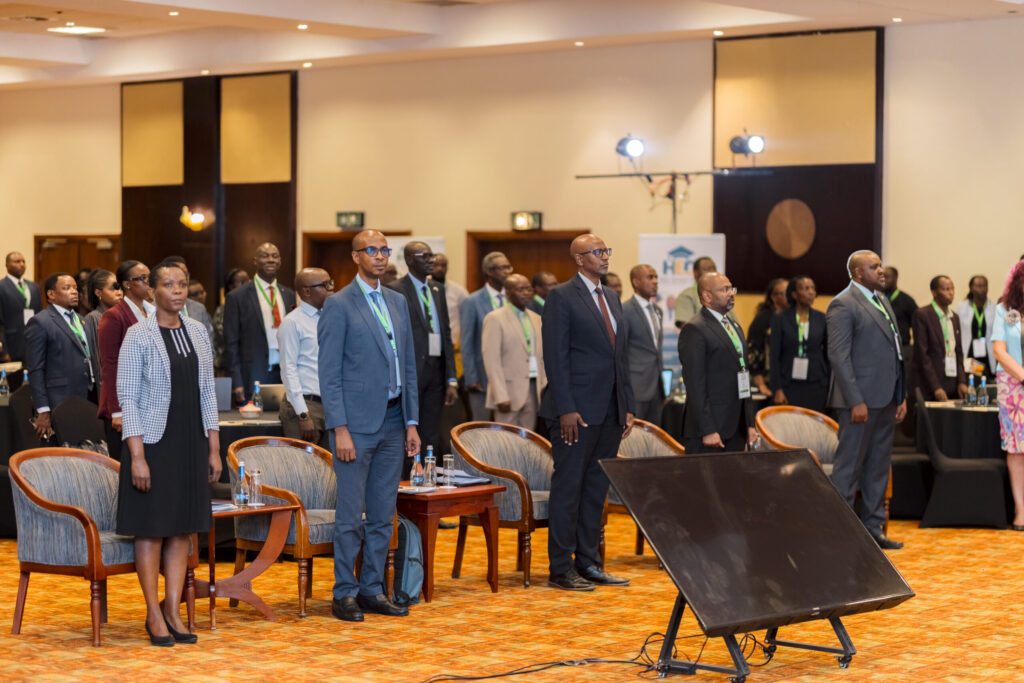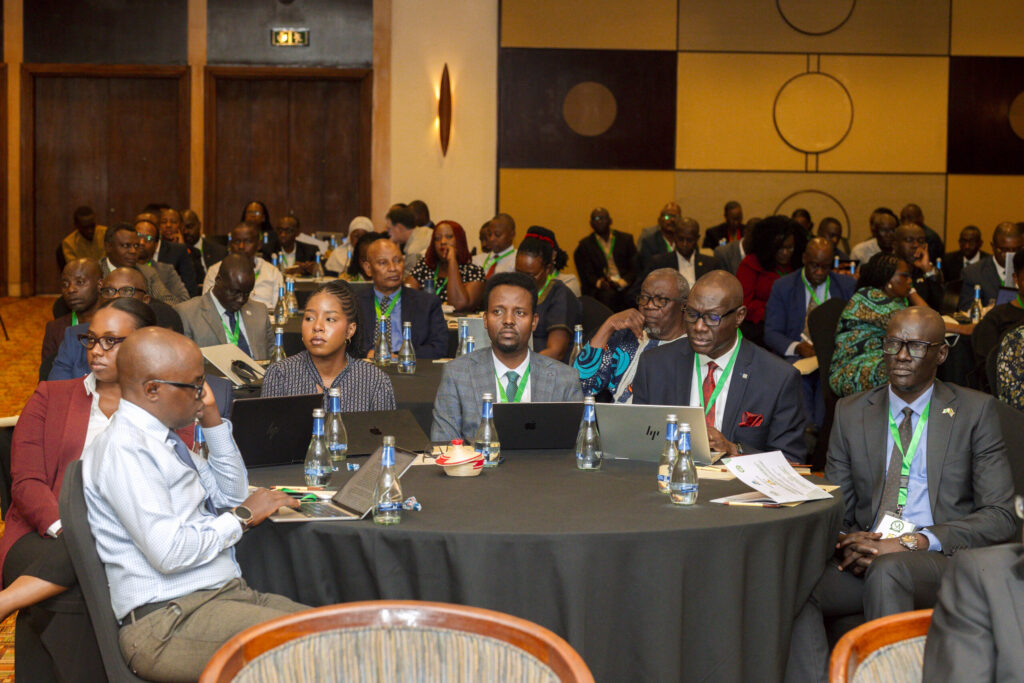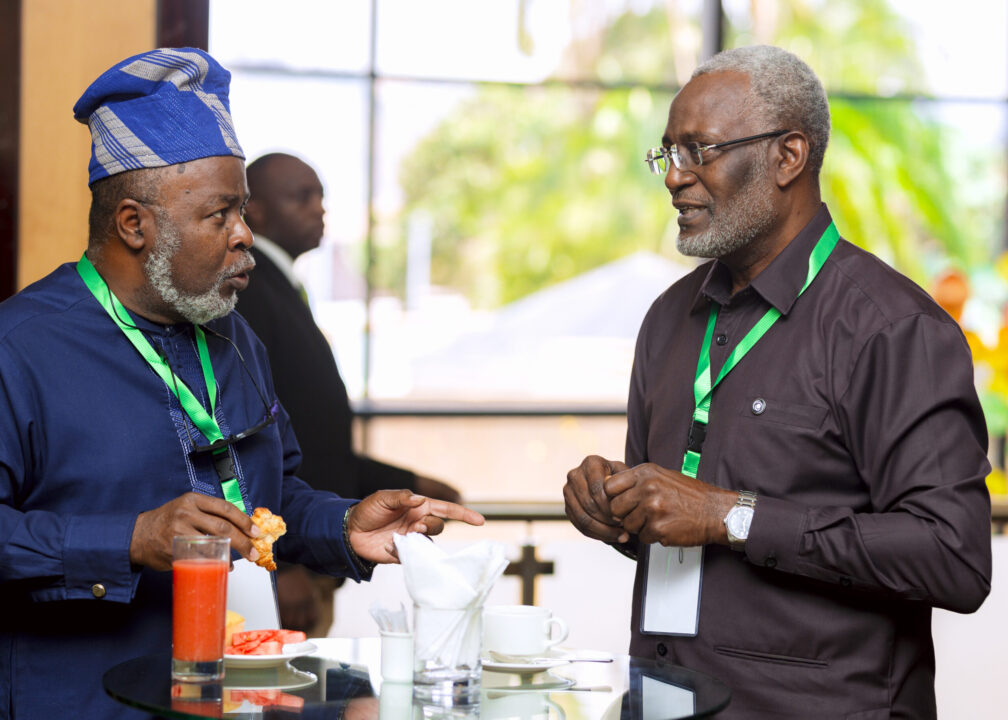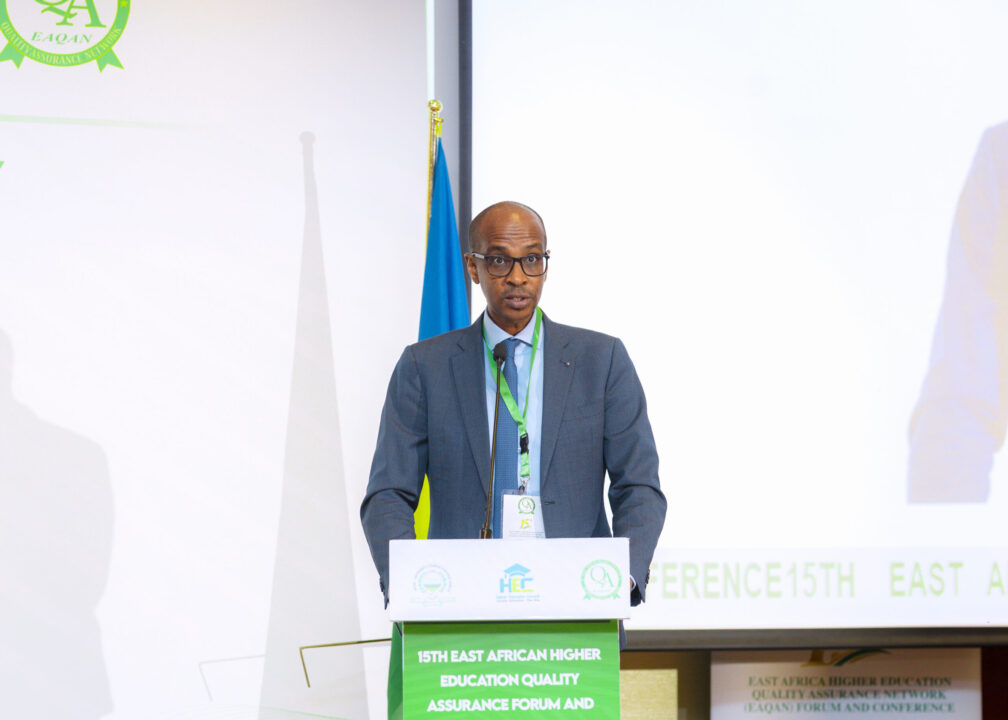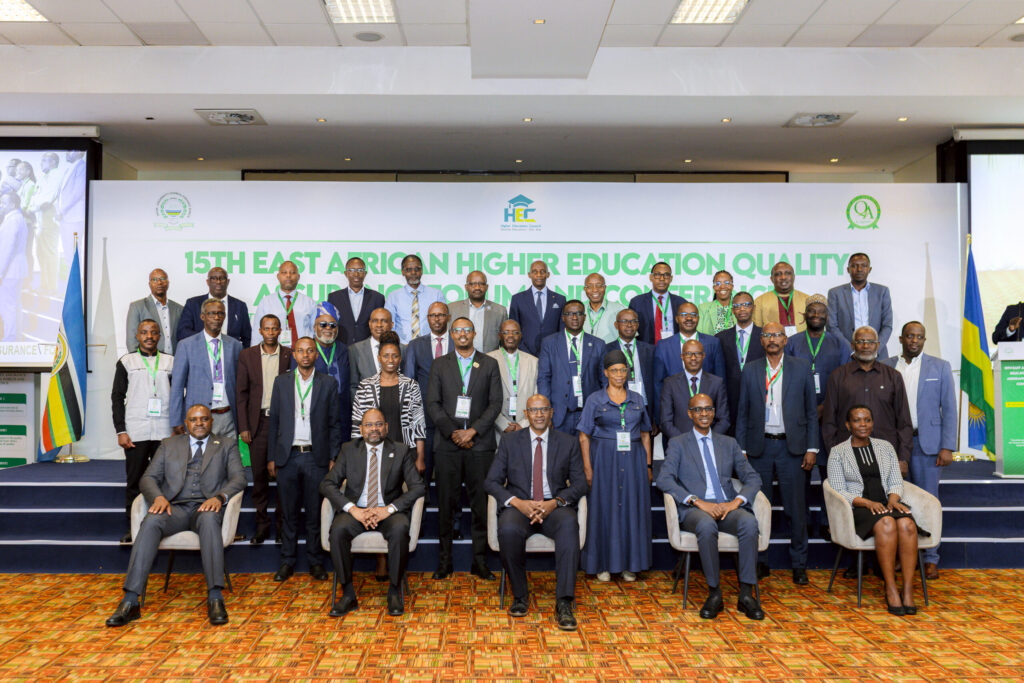
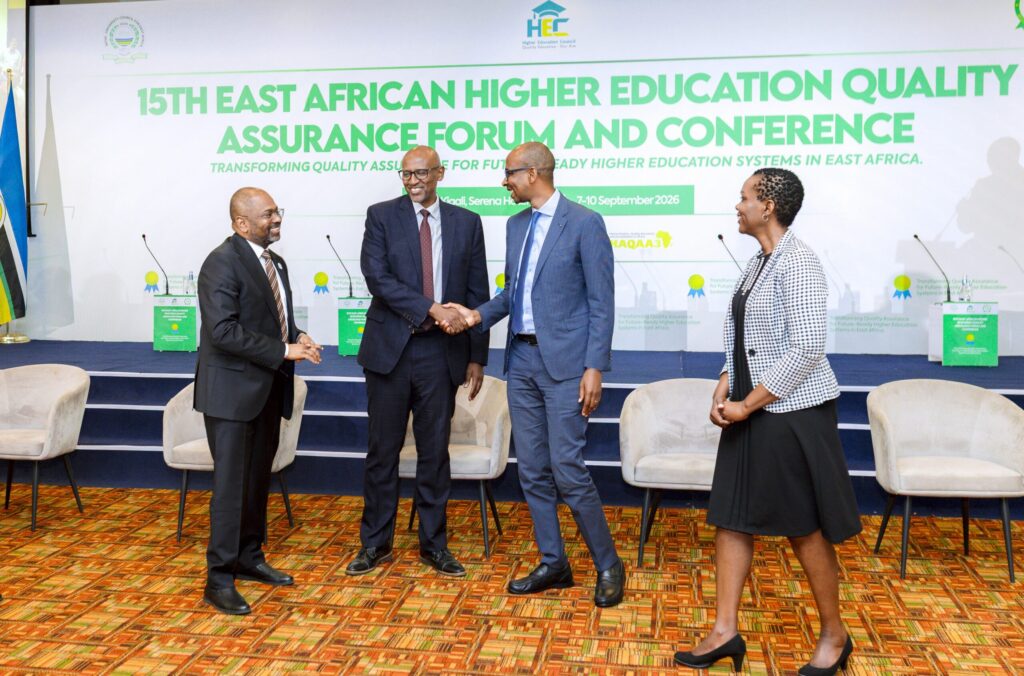
the 15th Annual East African Higher Education Quality Assurance Network Forum and Conference is underway in Kigali.
KIGALI – East Africa’s universities are navigating a critical question of whether today’s degrees preparing graduates for tomorrow’s jobs given the way artificial intelligence is changing how knowledge is produced, taught and applied.
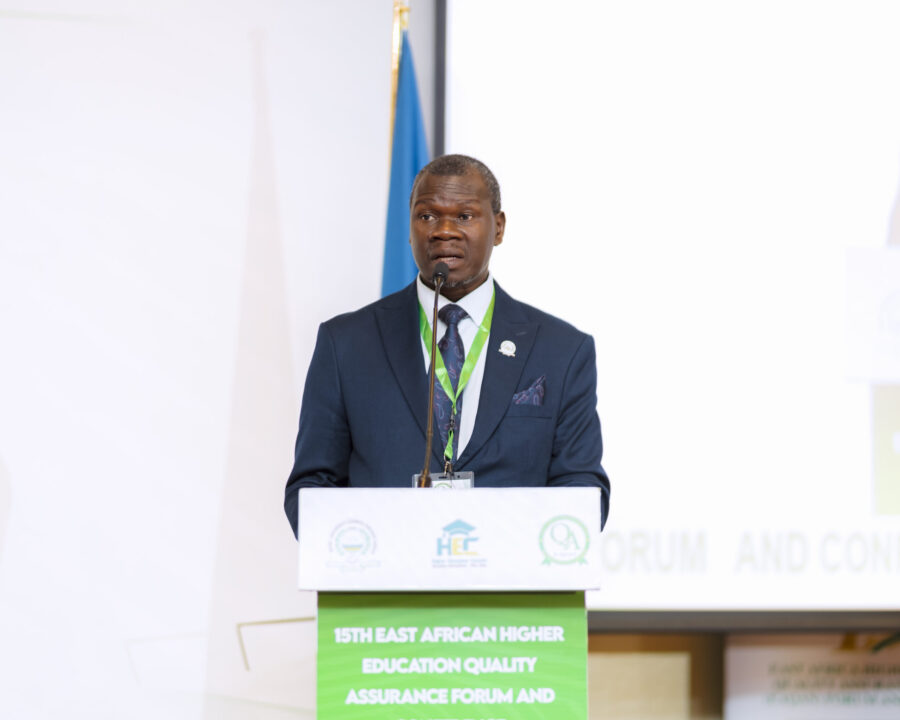
Rwanda’s Minister of Education, Joseph Nsengimana, says the region must rethink how it defines and assures quality in higher education as technology and labour markets rapidly evolve.
Nsengimana was speaking in Kigali on Monday as he opened the 15th Annual East African Higher Education Quality Assurance Network Forum and Conference, bringing together higher education leaders, quality assurance experts, policymakers and academics from across the region.
Held under the theme “Transforming Quality Assurance for Future-Ready Higher Education Systems in East Africa,” the four-day forum is examining how universities and regulators can adapt to new technologies, changing skills needs and growing demand for flexible learning.
“AI is changing how knowledge is produced, how it is taught and how it is applied. The labour market now requires combinations of skills that would have been difficult to imagine only a decade ago,” Nsengimana said.
AI Is Changing What Quality Means
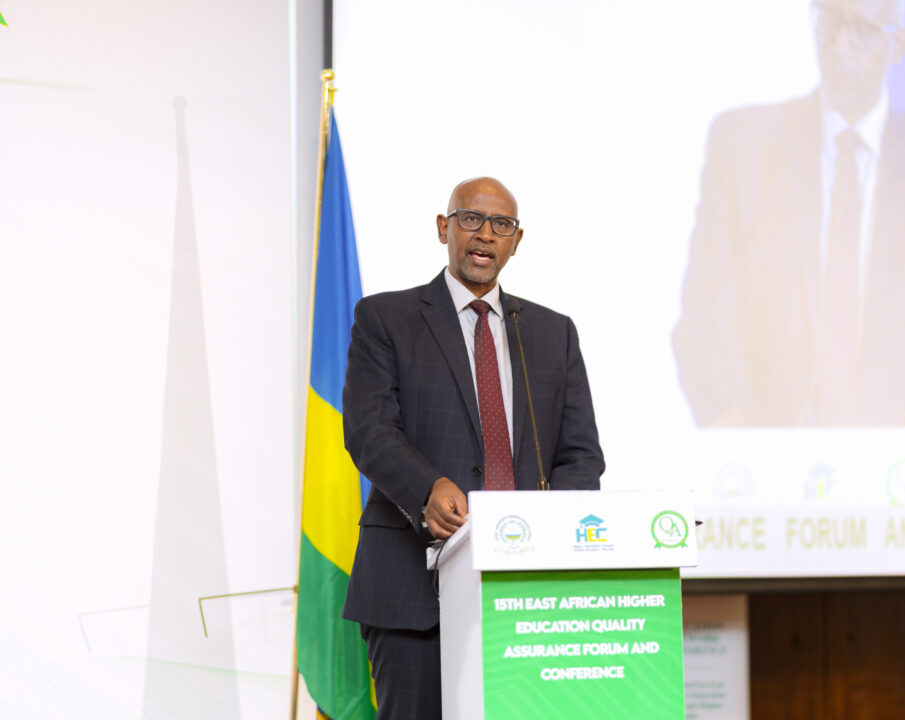
Minister of Education, Joseph Nsengimana addressing delegates.
Nsengimana said artificial intelligence is already transforming the environment in which universities operate and that change is forcing universities to reconsider whether traditional measures of quality are enough.
“Young people are asking us whether the education they receive today will prepare them for the world of tomorrow. Quality assurance is not simply a bureaucratic requirement. It is how we ensure that higher education delivers on its promise,” the minister said.
For him, quality assurance should not be reduced to inspections, paperwork or compliance with minimum standards but must prepare graduates who can adapt, acquire new skills and remain relevant as technology changes the nature of work.
Prof Idris Rai, Acting Executive Secretary of the Inter-University Council for East Africa, said universities are developing stronger regional cooperation in artificial intelligence, data science and robotics.
A regional AI network has been launched, while work is also underway on an AI foundational module designed to give students basic AI literacy.
The initiative is due to a growing recognition that AI skills can no longer be confined to a small group of technology specialists.
A Degree Should Not Stop at The Border
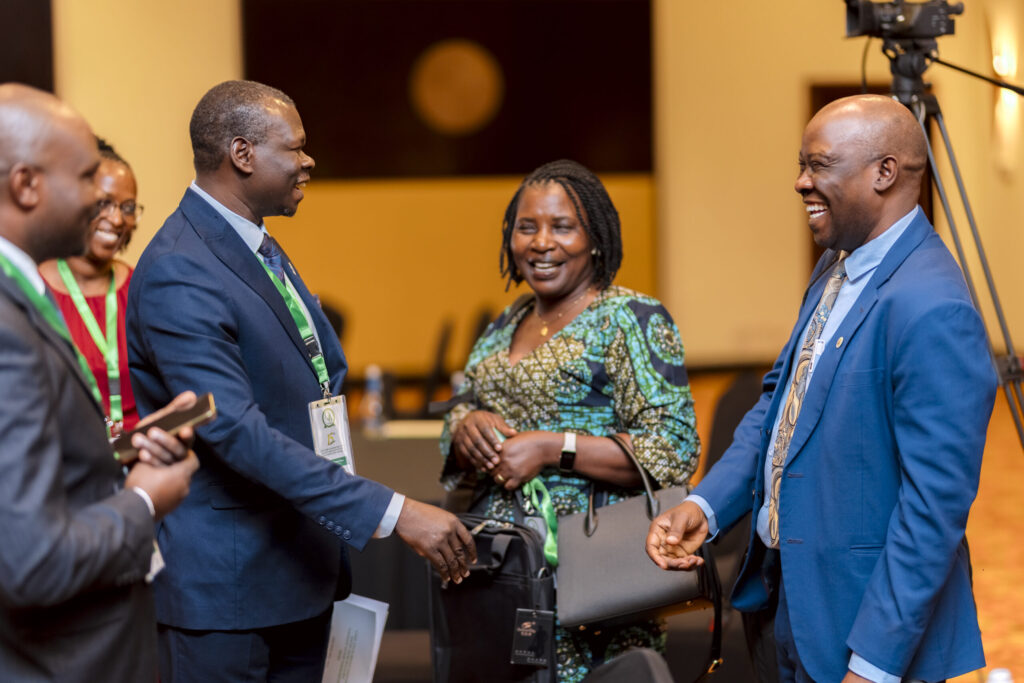
The quality debate comes as East Africa seeks to make higher education more integrated, allowing students, graduates and researchers to move more easily between countries.
Officials said effective regional quality assurance should give people confidence that qualifications earned elsewhere in East Africa can be trusted.
A parent in Kampala should be able to trust a degree from Kigali, an employer in Nairobi should be able to trust a graduate from Dar es Salaam, and a student should be able to move across borders without having their qualification questioned.
The region is working toward operationalizing a Common Higher Education Area by 2030, which calls for greater urgency in tackling regulatory differences, unequal resources and administrative barriers that continue to affect recognition of qualifications and student mobility.
A single qualification earned in a person’s twenties can no longer be expected to sustain an entire career which means micro-credentials and other flexible learning opportunities could therefore become increasingly important, provided they are trusted and recognized across borders.
Future-Ready Universities Need Future-Ready Regulators
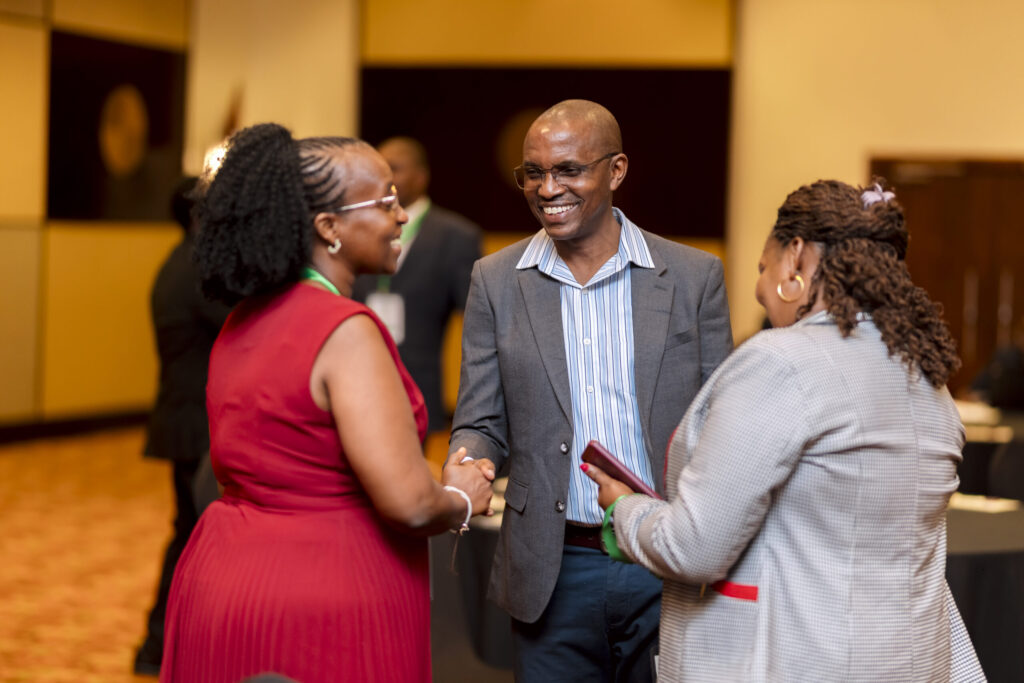
But technology and regional frameworks will not be enough if the institutions responsible for maintaining quality cannot keep pace. Quality assurance agencies themselves need stronger capacity and modern tools to deal with increasingly complex higher education systems.
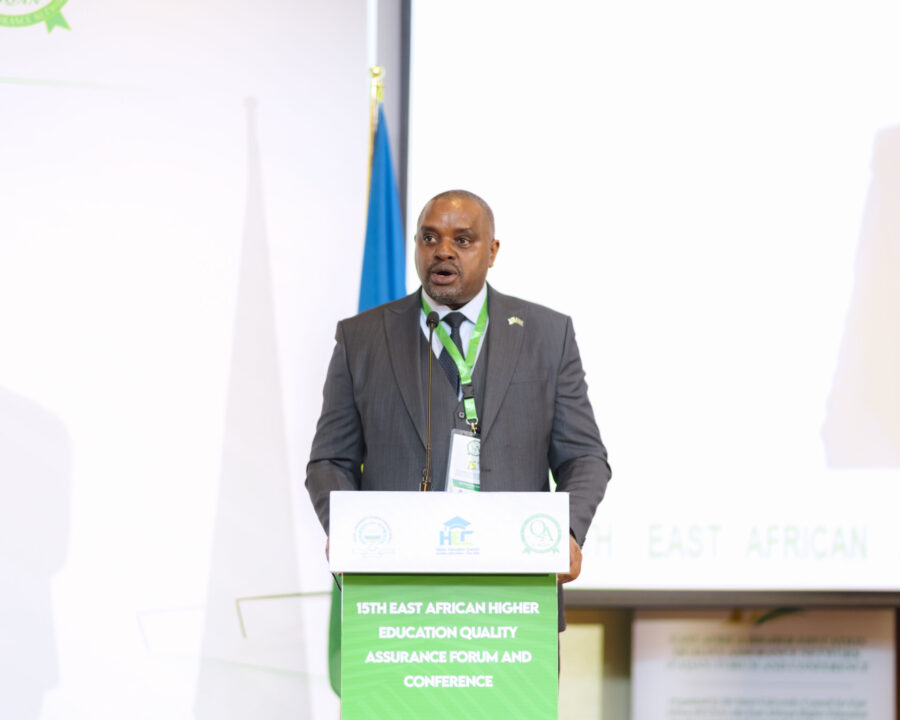
Dr Edward Kadozi, Director General of Rwanda’s Higher Education Council, said quality assurance should similarly become part of the daily life of universities rather than something institutions prepare for when inspectors arrive.
“It cannot be a snapshot during inspection or audit,” Kadozi said, describing quality assurance as the “daily heartbeat” of higher education.
The stakes are particularly high in a region where more than 60 percent of the population is under 25.
A quality assurance system can only be as strong as the institutions responsible for administering it. Future-ready higher education, therefore, requires future-ready regulators.
Artificial intelligence could help regulators use integrated data systems, real-time monitoring and predictive analytics, but experts warn that technology must be accompanied by data protection, ethical safeguards and equitable access.
For East Africa, the challenge is therefore no longer simply to produce more graduates. It is to ensure that the qualifications they earn remain relevant, trusted and portable in an economy increasingly shaped by artificial intelligence.