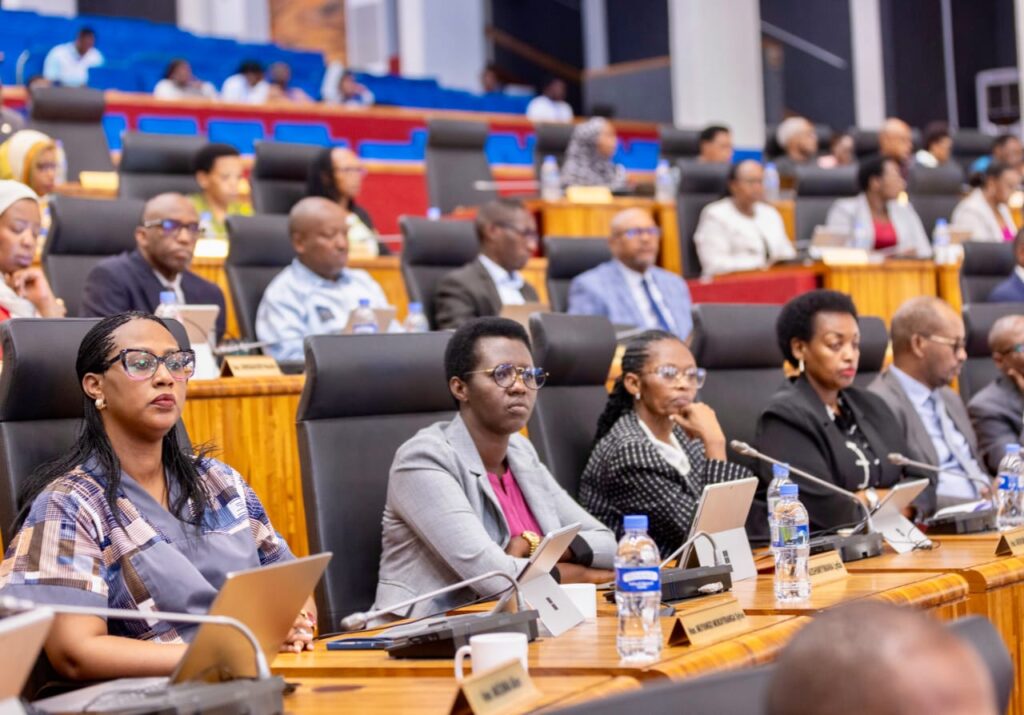
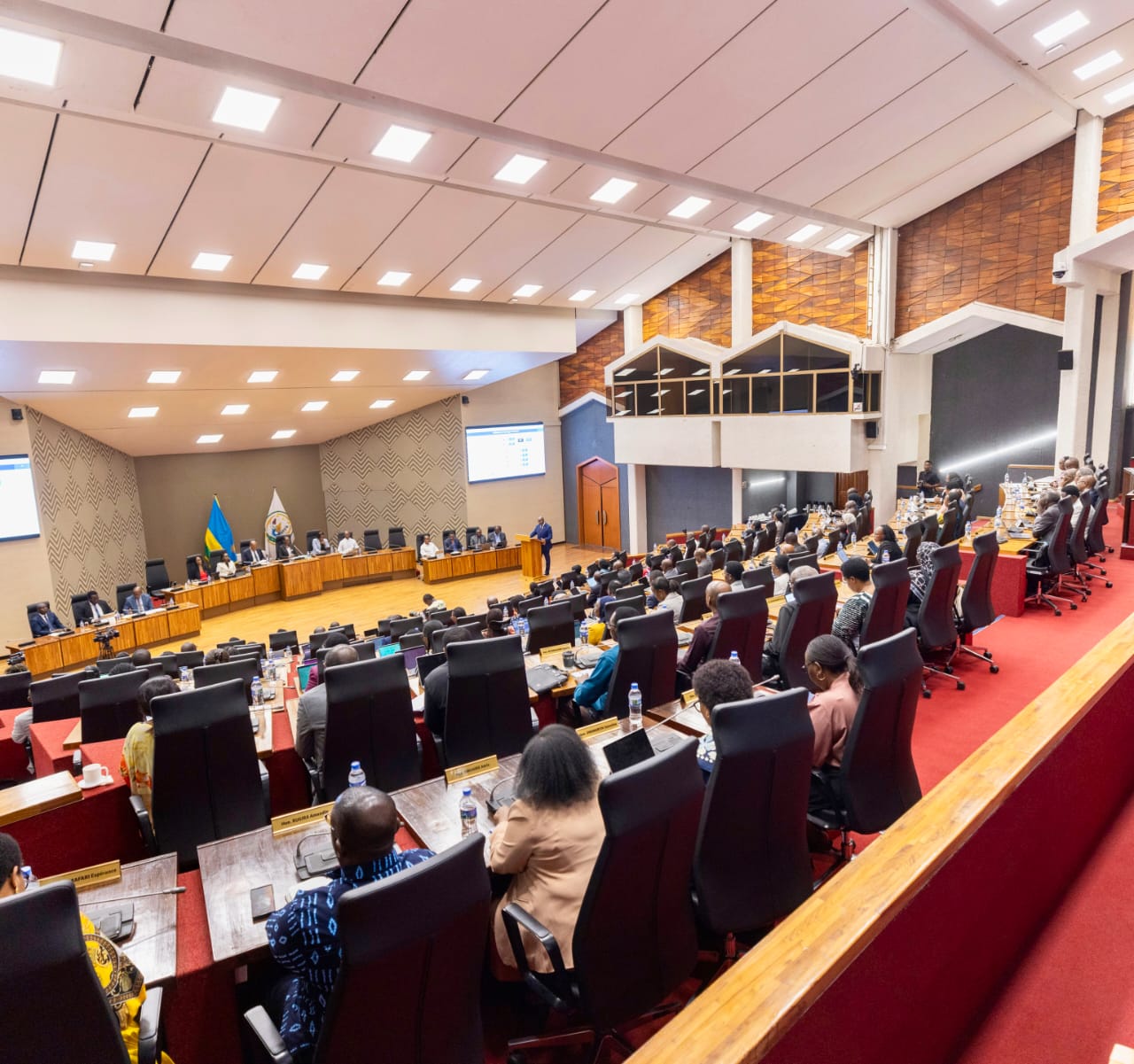
Members of Parliament and the Senate gathered on Friday as the Prime Minister presented the state of the country’s economy.
KIGALI – Rwanda is saving more money than it did eight years ago. But the government says the country still needs much more – to create more businesses, investment and jobs.
Prime Minister Dr. Justin Nsengiyumva told Parliament on Friday that domestic savings had increased from 14.7% of GDP in 2017 to 22.8% in 2025. But that is still below the 25.9% target set for 2029.
The message from the Prime Minister was simple: Rwanda needs to save more, and then find productive ways to put that money to work.
“Insufficient domestic investment and savings creates a large export-import gap and persistent price pressures,” Nsengiyumva said.
The issue is becoming more important as the economy grows rapidly. Rwanda’s economy grew by 9.4% in 2025, following growth of 8.2% in 2023 and 7.2% in 2024. Growth reached 10% in the first quarter of 2026 and 9.4% in the second quarter.
But fast growth also means the country needs more money to finance businesses, factories, farms, technology and other investments.
The financial sector has grown sharply. Its assets increased from Rwf4 trillion in 2017 to Rwf16 trillion in 2025. That is equivalent to growth from 53% to 68% of GDP.
More people are also borrowing. The number of borrowers rose from about 243,000 to more than one million. Total loans increased from Rwf1.6 trillion to Rwf5.5 trillion.
Private-sector lending alone reached Rwf5.275 trillion in 2025, compared with Rwf1.464 trillion in 2017.
Banks are also carrying fewer bad loans. The non-performing loan ratio fell from 7.6% to 2.5%. So, the money is increasingly moving through the system. The next question is where it goes.
From Saving to Spending and Investing
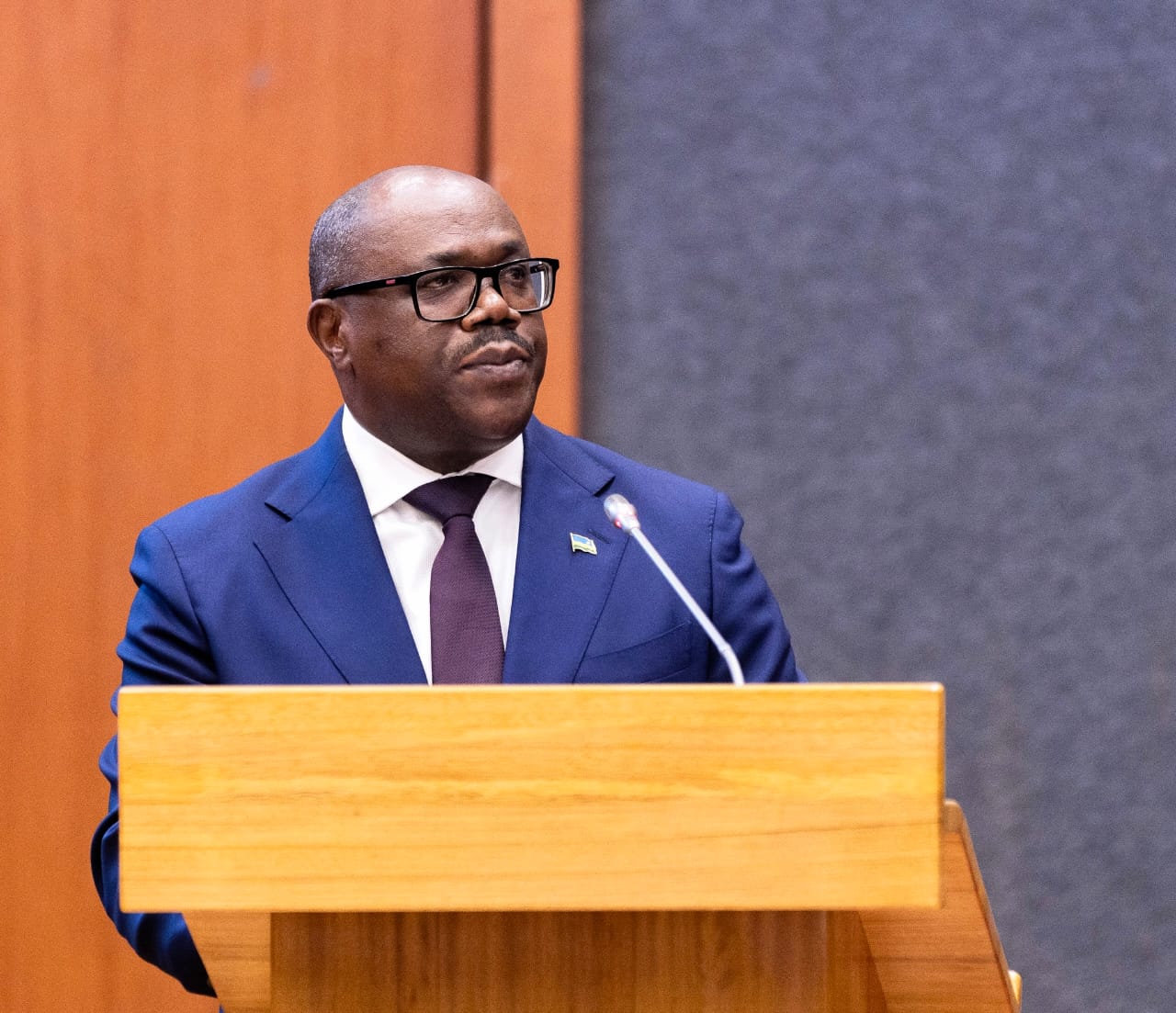
Prime Minister Dr. Justin Nsengiyumva addressing the house.
More Rwandans are now connected to the formal financial system.
The share of people with access to formal financial services rose from 68% in 2017 to 92% in 2024. When savings groups are included, the figure reached 96%.
Digital payments have also taken off. In 2025, 73.7% of adults made digital payments. The number of digital payment transactions rose from about 256 million in 2017 to 3.1 billion.
Their value jumped from Rwf2.9 trillion to Rwf85.5 trillion. There are now 36 licensed fintech institutions, compared with just three in 2017.
The government has also introduced eKash, an interoperable payment system linking financial institutions. Transfers cost no more than Rwf20, with a maximum transaction value of Rwf10 million.
But the Prime Minister’s message goes beyond making it easier to save, borrow or send money. He wants more of that money to finance productive activity.
“The financial sector needed for Vision 2050 must mobilize savings, finance entrepreneurs and new ventures, support business productivity, help households withstand shocks and provide long-term investment,” he said.
That means encouraging people to save for longer through banks, insurance, pensions and the capital market. It also means encouraging companies to raise money through the securities market.
Saving for Tomorrow
The change is already visible in pensions and other long-term savings. The number of pension contributors more than doubled between 2017 and 2025. Pension-fund assets grew from Rwf66 billion to Rwf2.2 trillion.
The government’s Ejo Heza long-term savings scheme had also attracted nearly four million members by 2025.
Insurance has grown too, although relatively few people have insurance compared with other financial services.
For the government, this shows that saving is not only about having money available to invest. It also gives families a cushion when things go wrong and helps them prepare for the future.
“This means that the financial sector is not only a means of obtaining money to use today, but also a means of protecting assets, managing risks and building security for the future,” Nsengiyumva said.
The bigger challenge now is making sure that more of the money being saved finds its way into businesses and investments that can produce more goods, services and jobs.
Rwanda has more money moving through its financial system than it did eight years ago. The government now wants more of that money to work for the economy.