



Imagine living in a place where art and culture are celebrated as essential pillars of society. A community that deeply values and supports artists, recognizing their potential to serve and uplift their communities. Here, cultural centers thrive, established artists mentor the emerging creators, and the next generation feels inspired to pursue their dreams in a supportive environment.
In this vision, art and culture are embraced not as luxuries, but as vital elements of everyday life—enriching everyday life, strengthening social bonds, and driving creative innovation. Artists are nurtured and empowered, their talents contributing not only to cultural vitality but also to the nation’s economic prosperity. This is a future where creativity is integrated into growth, and where the value of art is reflected in both spirit and GDP.
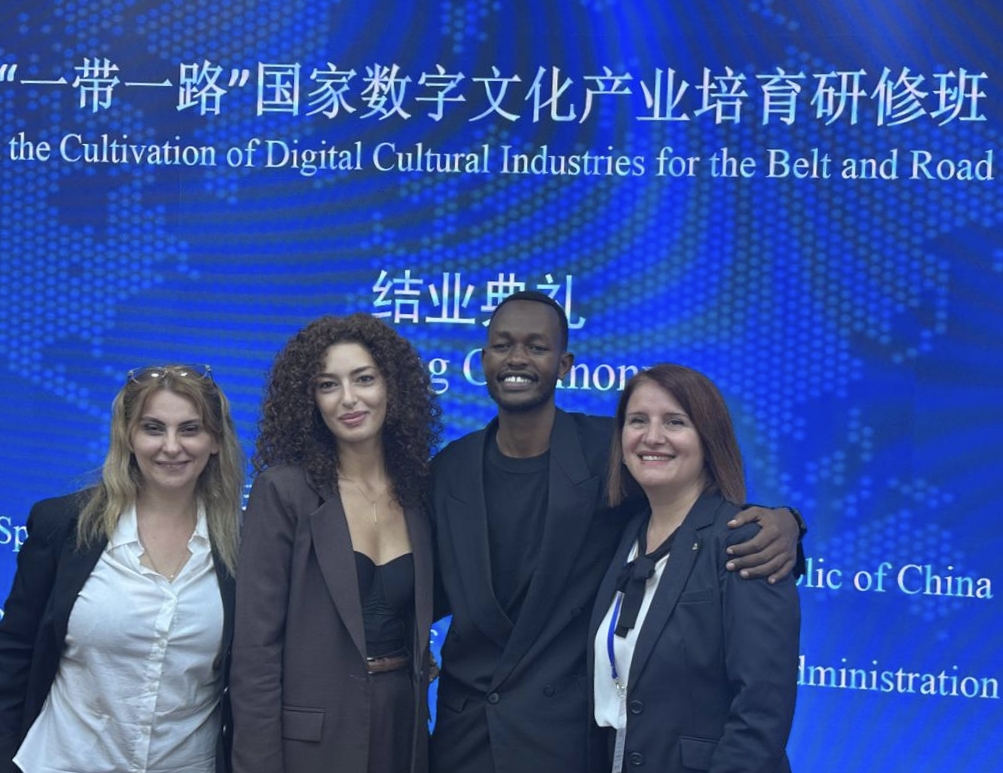
Last year, I was invited to attend a seminar in China on cultivating the digital culture sector for Belt and Road countries, representing the young artist of Rwanda. I accepted with excitement, eager to explore China, its people, and its culture.
On arrival, the weather was harsh, quite different from Rwanda, the land of a thousand hills, where the climate is cool and gentle. The heat reminded me of my days in Dakar while studying at École des Sables in Toubab Dialaw. But my mission was clear: to learn.
As an artist and cultural practitioner working in the museum sector, my first days were filled with cultural exploration. I visited museums in Beijing, explored the famous 798 Art District, and engaged with countless cultural venues. By the second day alone, my entire per diem had already been drained on museum and gallery entrance fees. Yet, what amazed me most was not the cost, but the number of Chinese citizens filling these cultural spaces genuinely enjoying, learning, and being inspired by the work of their artists.
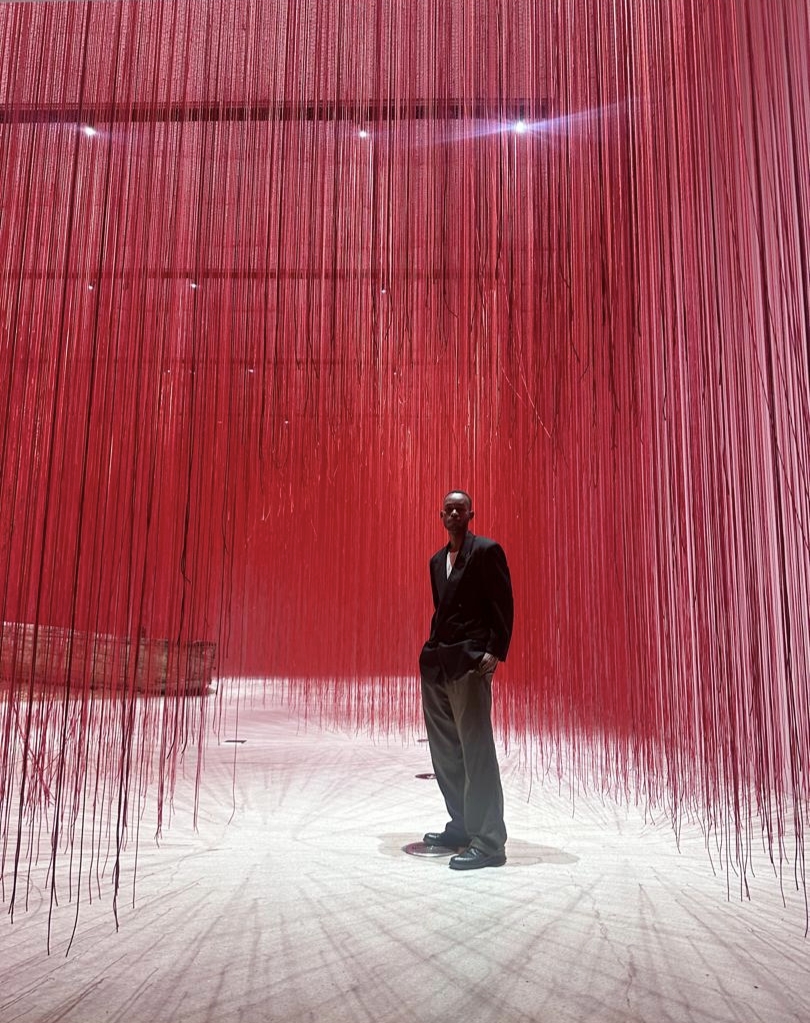
A question lingered in my mind: Do artists do this alone?
Later, at the Central Academy of Cultural and Tourism Administration in Beijing, I had the honor of meeting Ambassador Sun Jiwen, senior diplomat and former Chinese ambassador to Gabon.
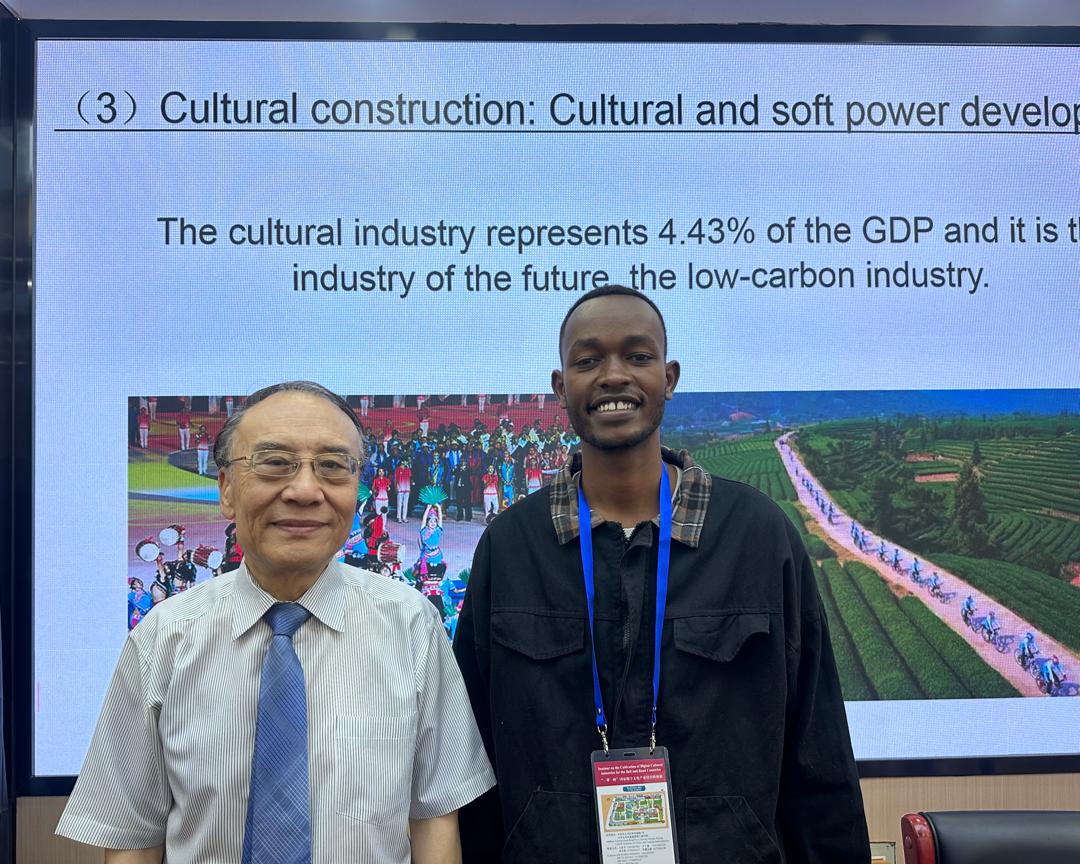
I asked him: “Sir, What role does the Chinese Government play in developing the cultural sector?”
He responded:
“The trust in the cultural sector by the Chinese government began in the 1990s, when educators and artists raised their voices to reclaim their role in society. They showed leaders how investing in culture could shape not only identity but also national development. The government listened and realized that culture was the industry of the future, a low-carbon, sustainable industry.
From then on, policies were established to encourage property developers to include non-profit art spaces in new residential projects in exchange for tax breaks and land discounts. Today, this vision has resulted in over 7,046 registered museums (as of 2024), of which 2,175 are private, and more than 66,000 arts and culture locations. Universities introduced art faculties, and artists began contributing to the preservation of national stories for future generations. Currently, the cultural sector generates 4.43% of China’s GDP.”
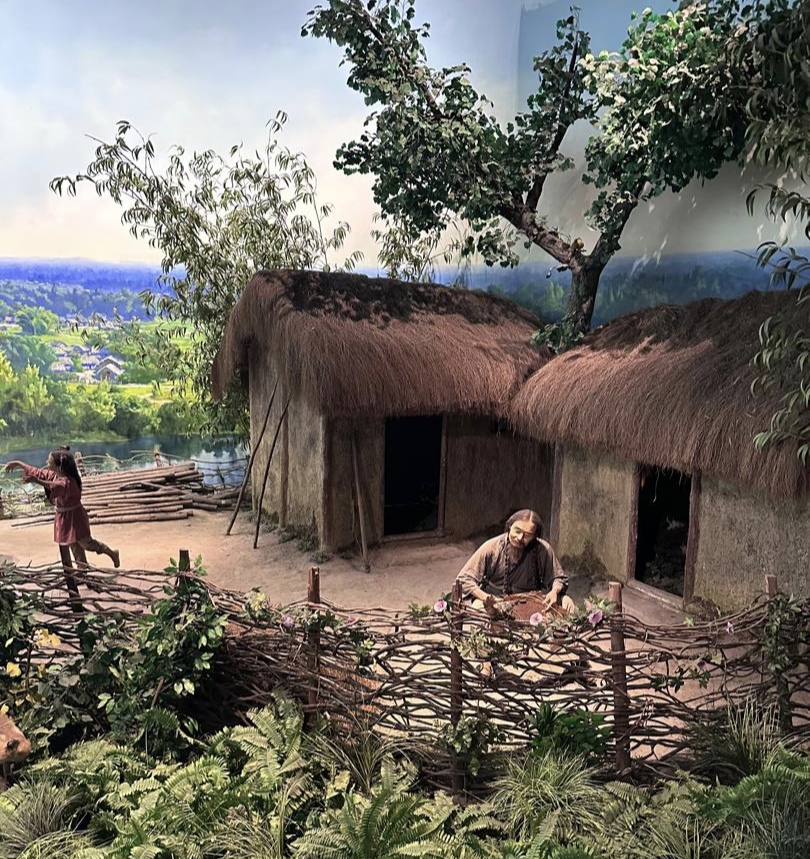
For 14 days, I traveled through Beijing and Chengdu, visiting institutions such as the Jinsha Site Museum, Chengdu Opera House, China Intangible Cultural Heritage Museum, libraries, galleries, art centers, tea houses, and studios. The experience reshaped my understanding of what is possible when culture is prioritized.
I realized that Africa’s challenge is not a lack of talent, we have extraordinary artists, storytellers, and visionaries. What holds us back is the absence of an ecosystem: the infrastructure to sustain art markets, attract patrons, empower cultural leaders, and give artists the visibility they deserve.
We can learn the following experiences from China:
1. Allocate unused government compounds to artists for free, encouraging creation and cultural preservation.
2. Foster global partnerships between the Ministry of Education and international art schools to upskill young African artists, cultural practioners and encourage them to return home after their studies.
3. Include artists in the management and decision-making of national museums.
4. Introduce policies requiring property developers to incorporate art spaces (galleries, libraries, amphitheaters) in new projects.
5. Make art spaces priority destinations for tourists, schools, and local communities.
6. Empower traditional storytellers to pass their craft on to younger generations, preserving national narratives.
7. Guarantee an annual cultural budget, no matter how small, so that artists know they are valued.
8. Include artists at the policy-making table when national strategies are being shaped.
Artists are not just entertainers, they are cultural diplomats, educators, and visionaries who enrich the soul of a nation while contributing socially, culturally, economically, and politically.
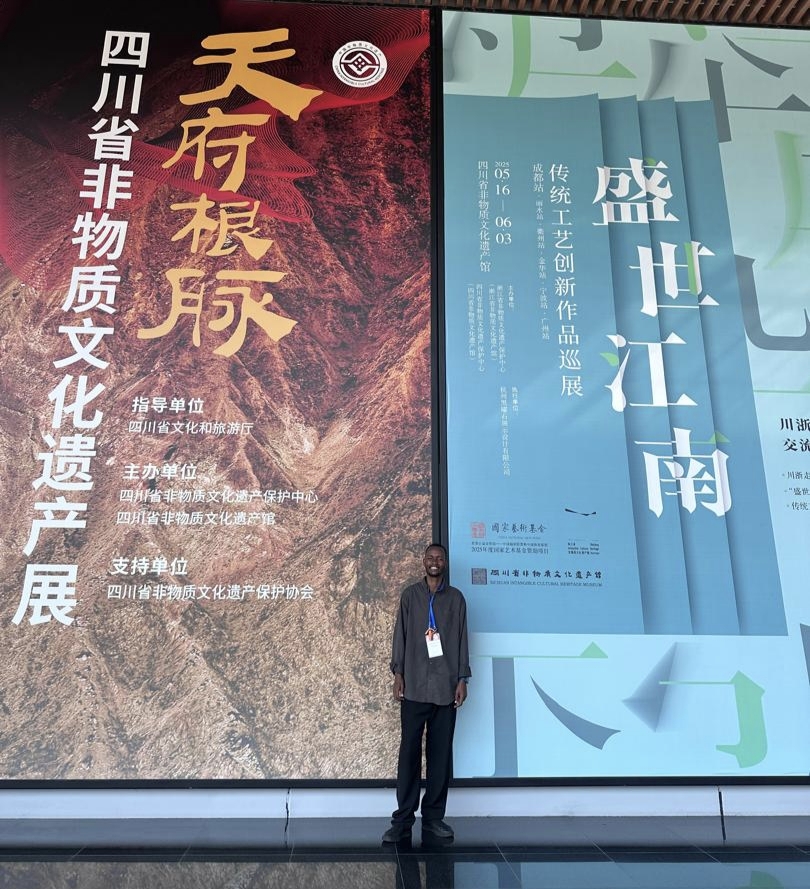
Artists are the storytellers of our time, the preservers of culture, and the visionaries of our collective future. “They are not just entertainers. They are nation-builders.”If we fail to invest in our artists, we risk losing our voices, our values, and our stories. They are ready to better serve our continent with more dignity and pride, for our people, our culture, and our common future.
King NGABO is a Rwandan Artist & Founder of Museum Ingabo
