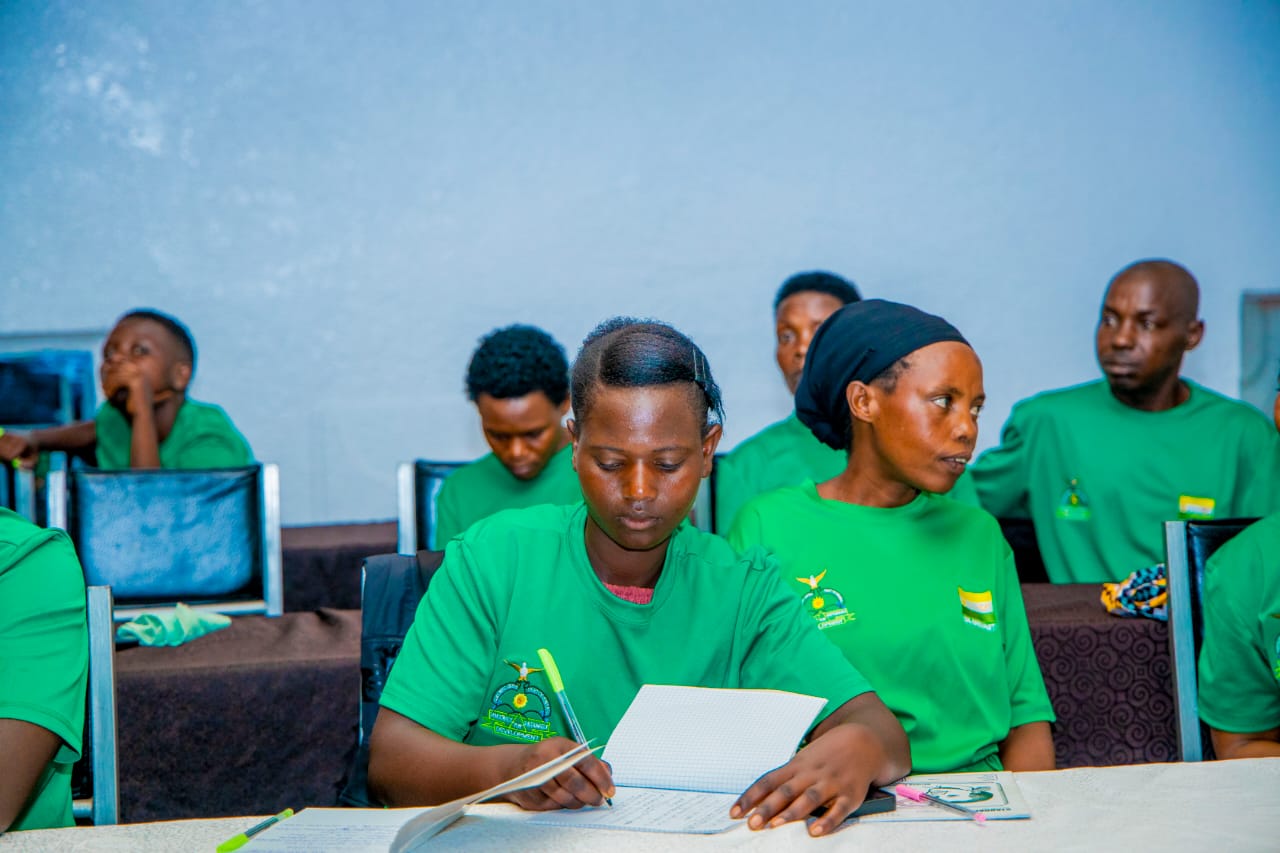
KAMONYI, Rwanda — In a political landscape where alternative parties have long struggled to define both their space and their purpose, Rwanda’s most visible registered opposition group is trying to make a different argument: that dissent does not have to be disruptive to matter.
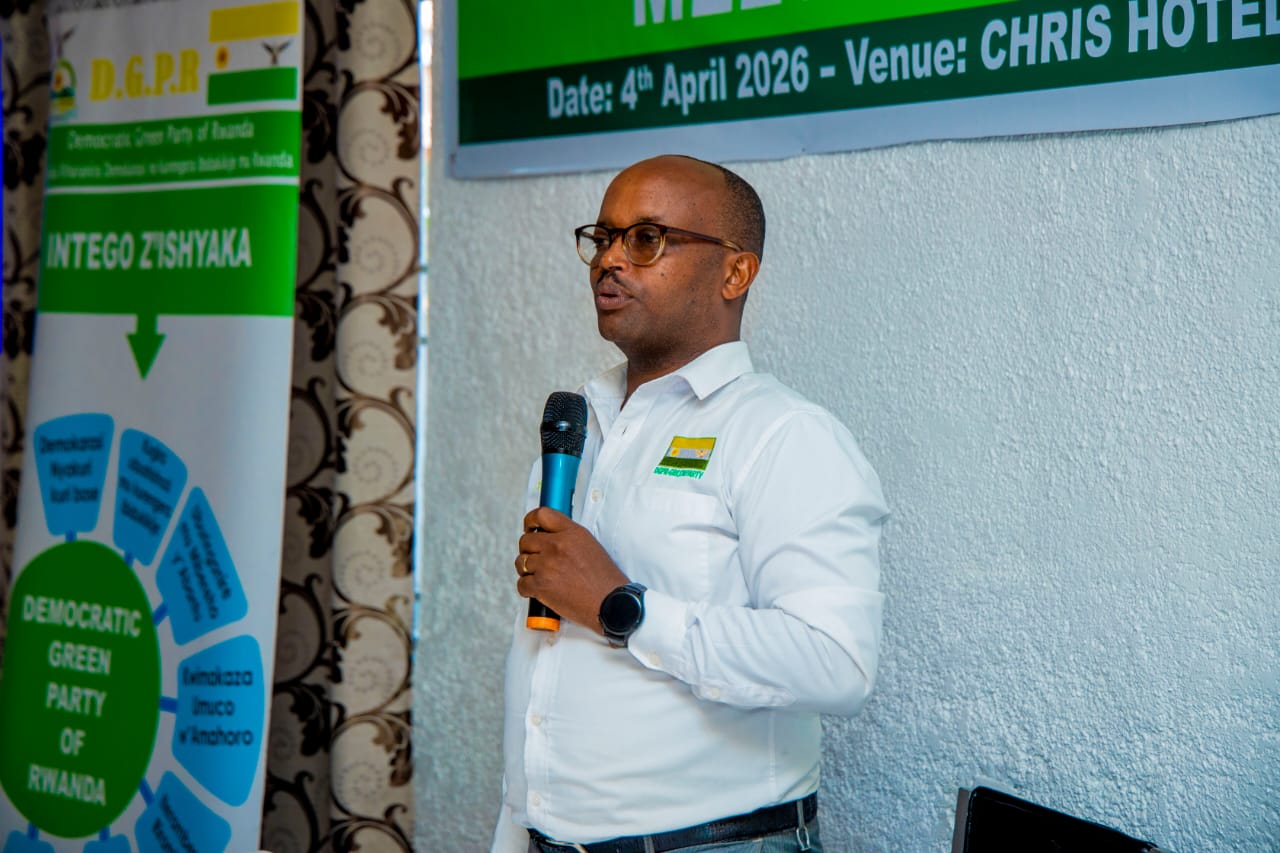
On Friday in Kamonyi District, the Secretary General of the Democratic Green Party of Rwanda, Senator Alexis Mugisha, stood before party leaders gathered from across the district with a message that was as much about identity as it was about organization.
The future of opposition politics in Rwanda, he suggested, would not be built on confrontation alone, but on credibility, ideas and community-level persuasion.
The gathering, which doubled as a training session, was part of a broader nationwide outreach campaign by the Democratic Green Party of Rwanda (DGRP), known simply as Green Party, as it seeks to sharpen its grassroots structures and broaden support for its environmental and governance agenda.
For a party that has spent years operating on the margins of Rwanda’s political arena, the exercise was practical and symbolic at once.
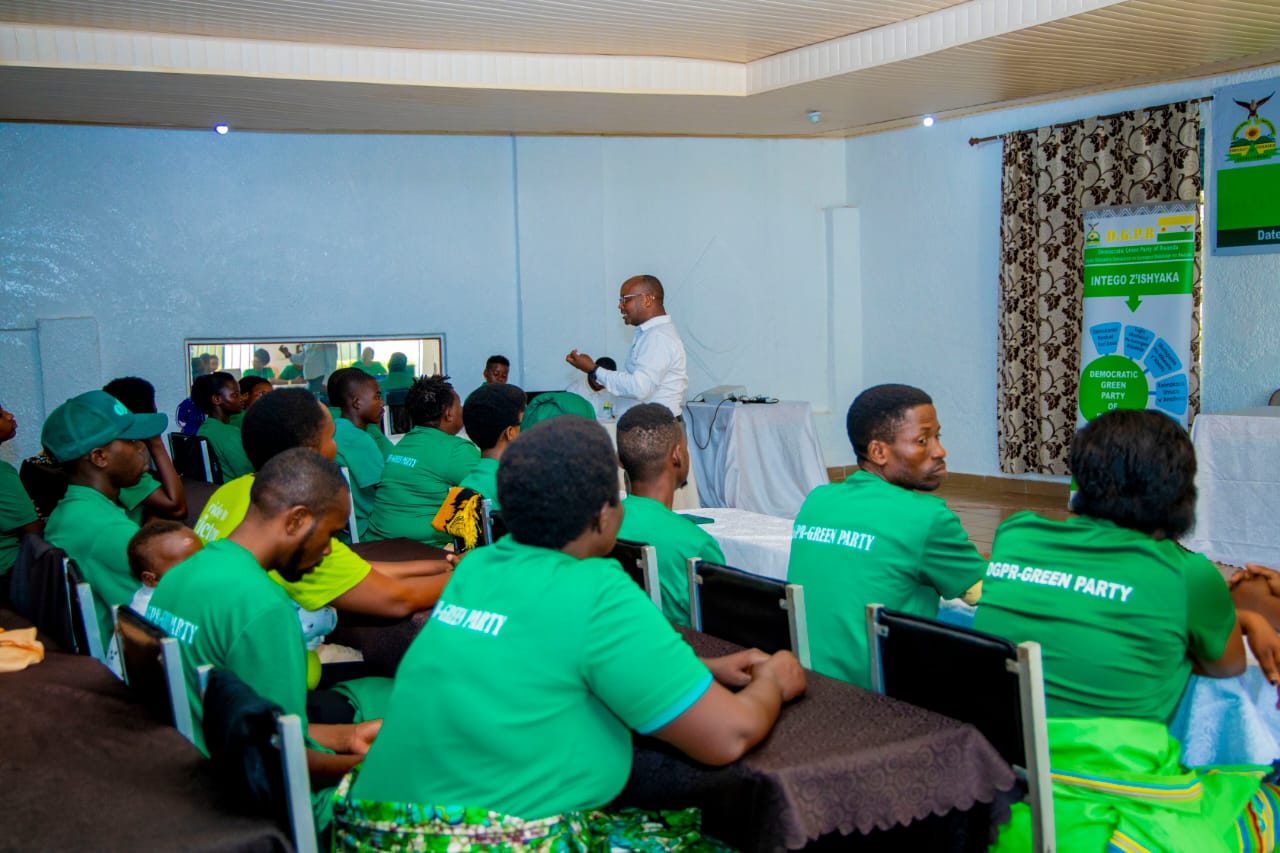
Organizers said the goal was to equip local leaders with the knowledge needed to carry the party’s message into sectors and villages — not only as political mobilizers, but as interpreters of what the party says it stands for.
That, party officials made clear, remains a necessary task.
“Our agenda is not simply to oppose for the sake of opposing,” Senator Mugisha told participants. “We aim to promote green politics while playing a meaningful role in holding government accountable through ideas, policy alternatives, and citizen engagement.”
The message reflects a long-running effort by the party to distinguish itself not just as an opposition force, but as one rooted in policy — particularly environmental protection, sustainable development and civic awareness.
In Rwanda, where the Rwandan Patriotic Front (RPF Inkotanyi has dominated political life for decades, opposition parties have often found themselves defined less by what they propose than by how little room they have to grow. The Green Party, while electorally small, has managed to maintain a degree of visibility uncommon among its peers.
That visibility, however, has not yet translated into broad electoral support.
In the 2024 presidential election, the party’s candidate, Frank Habineza, won just under one percent of the vote, a result broadly in line with his 2017 performance, when he secured about 0.45 percent.
The numbers underscored the party’s limited reach, but also its persistence — a trait that has helped cement its place as Rwanda’s most recognizable opposition formation.
Now, party leaders say, the focus is shifting from survival to slow expansion.
Mugisha said the Green Party is using the lessons of the 2024 campaign to build more durable structures, particularly by recruiting and training more young people and women.
The aim, he said, is not simply to increase membership rolls, but to create a base of supporters who can articulate the party’s message with confidence in their communities.
“We want to ensure that our members understand the party’s vision and are able to represent it effectively in their communities,” he said. “This includes promoting environmental protection, sustainable development, and citizen awareness.”
For some of those in attendance, the session appeared to address a deeper problem than organization: confusion over what opposition itself is supposed to mean.
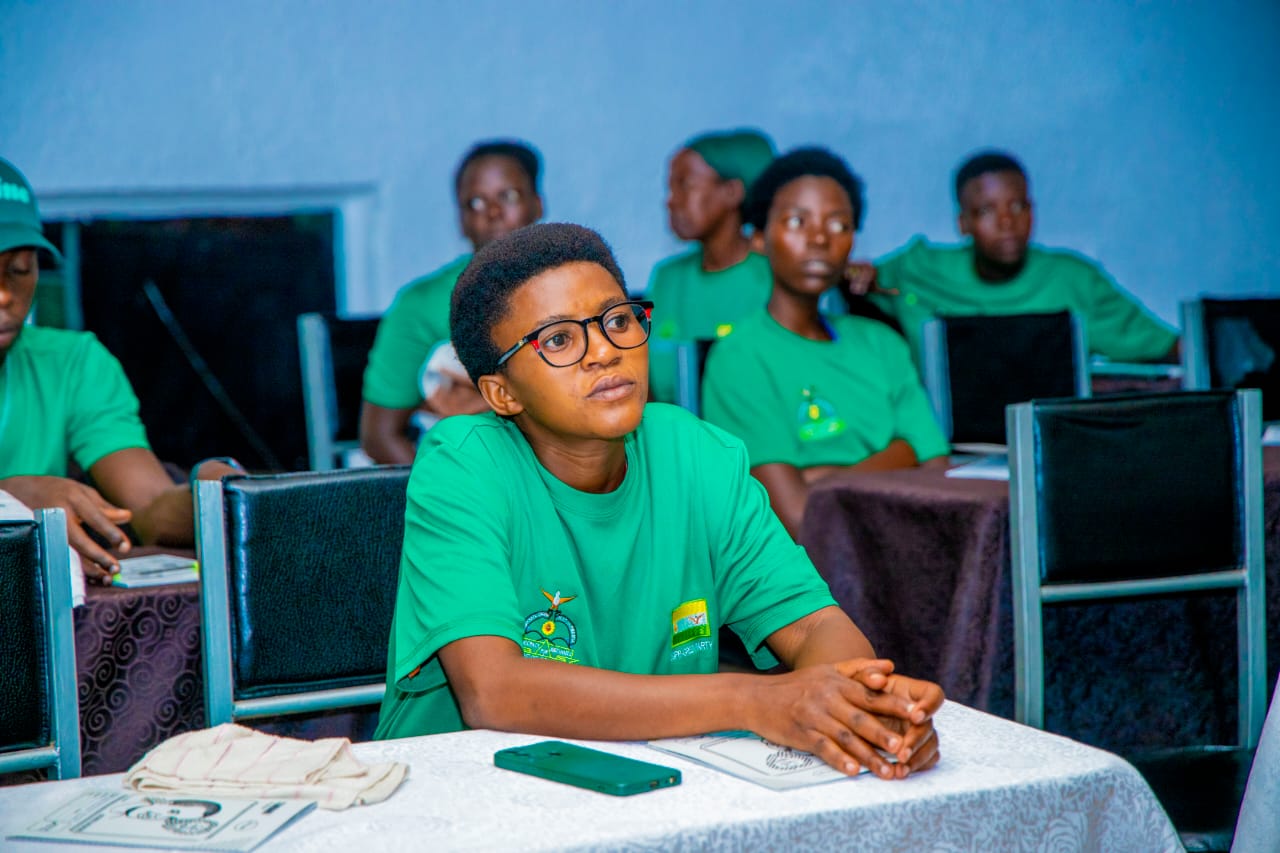
Eugenie Mukeshimana, a district council member who took part in the training, said many party members had long understood opposition in vague or reactive terms, rather than as a vehicle for ideas and public education.
“We used to think of an opposition party without clearly understanding what it stands for or what it opposes,” she said. “Now I understand its focus on environmental protection and how we can contribute by educating others — whether it is planting trees or managing waste.”
Another participant, Karim, said the training helped close knowledge gaps even among members who had been with the party for years, suggesting that the challenge facing the Green Party is not only how to win new supporters, but how to deepen political understanding within its own ranks.
That challenge may prove decisive.
The Democratic Green Party’s nationwide outreach is expected to reach all 30 districts, part of an effort to present itself as something rarer in Rwanda’s opposition politics: a party seeking to build patiently through policy, local organization and issue-based activism rather than through rhetorical resistance alone.
Whether that strategy can eventually convert visibility into votes remains uncertain.
But in Kamonyi on Friday, the party was betting that in Rwanda, even opposition has to be taught.