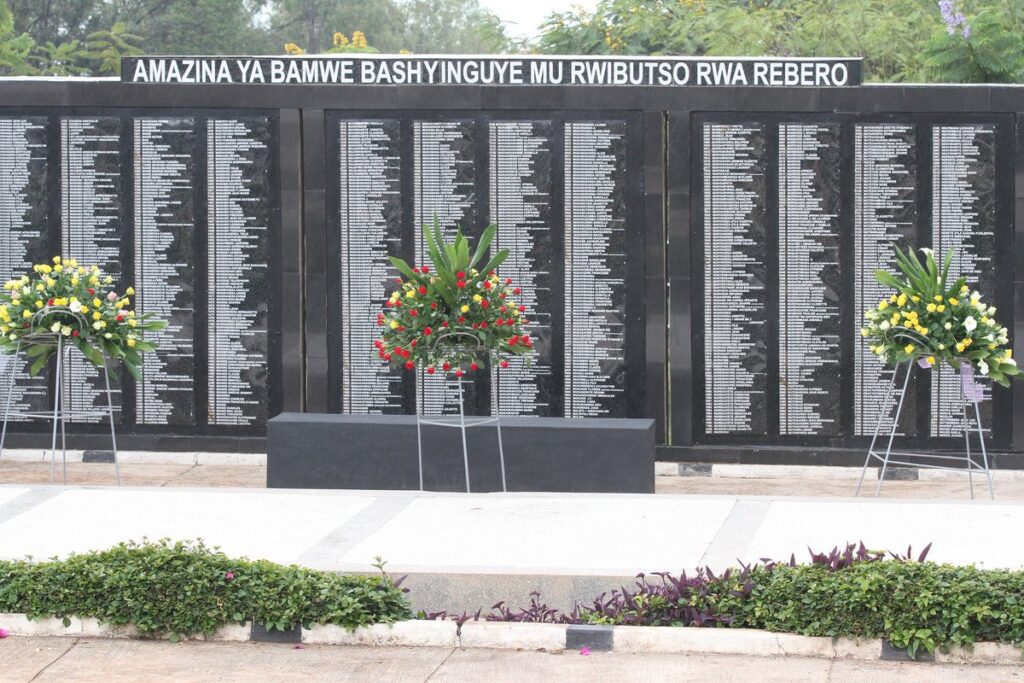
Various political figures who were murdered are laid to rest at the Rebero Genocide Memorial.
KIGALI – Professor Jean Gualbert Rumiya and journalist Andrea Kameya are among the political figures laid to rest at the Rebero Genocide Memorial—men remembered not only for how they died, but for how they lived: standing firmly against division and refusing to be complicit in the ideology that led to genocide.
Among the many stories of profound loss, theirs stand out as rare examples of moral courage—individuals who chose to resist the tide of hate, fully aware of the cost.
As Rwanda undertakes its annual journey of remembrance during the commemoration of the 1994 Genocide against the Tutsi, reflecting on their lives renews a national commitment to “Never Again.”
Across the country, memories of loss and survival resurface with painful clarity. Yet the lives of Rumiya and Kameya—though cut short—endure as powerful symbols of conviction, sacrifice, and integrity in one of history’s darkest chapters.
A Humble Beginning and a Brutal ending
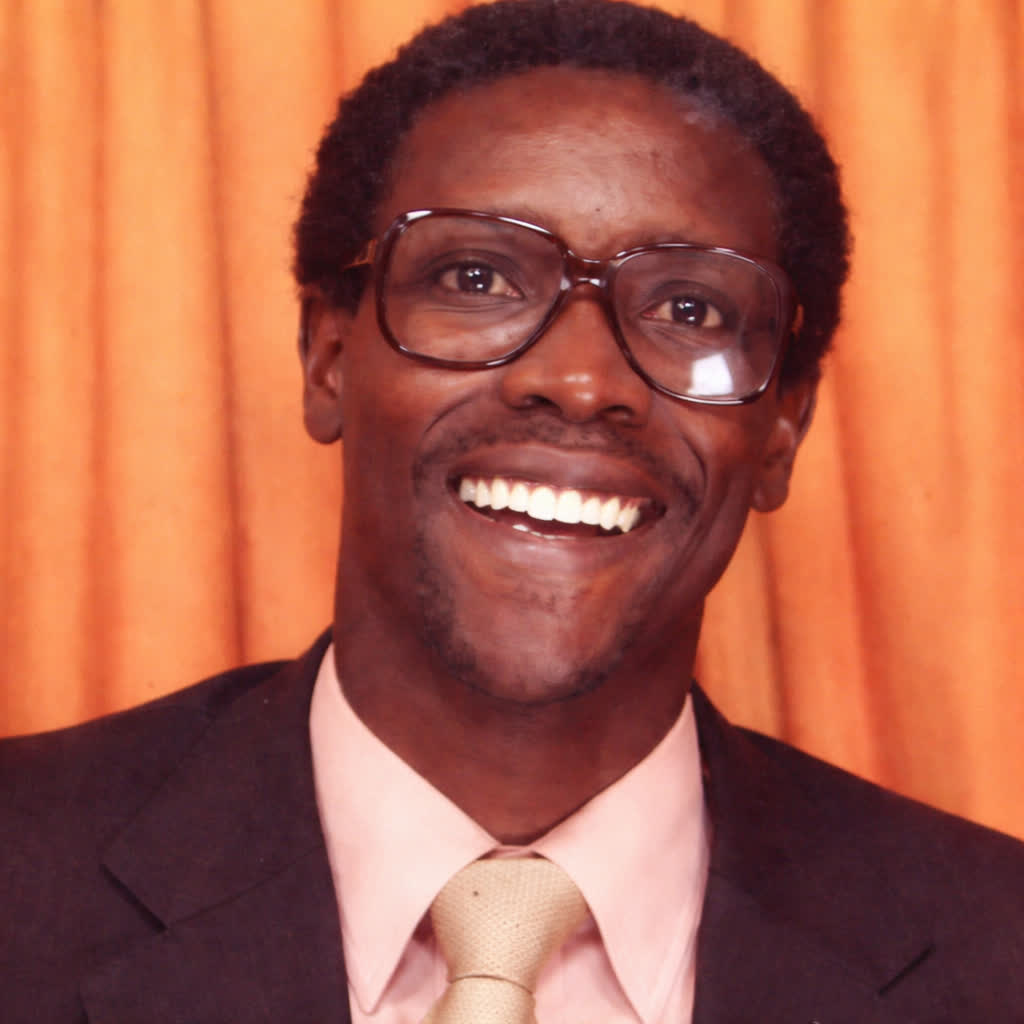
Professor Jean Gualbert Rumiya
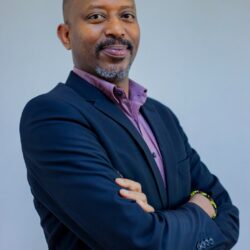
In her quiet home, where she now lives alone, Veneranda Mukamudenge, the widow of Prof. Rumiya, speaks with a calm strength shaped by time and resilience. Her voice carries both grief and quiet pride as she recounts a story that is as heartbreaking as it is deeply inspiring.
Her only surviving children—two daughters, Florence and Jacqueline (names used are second names)—are now grown, married, and have families of their own. Florence, the eldest among the survivors, carries memories that, like her mother’s, are marked by both loss and endurance.
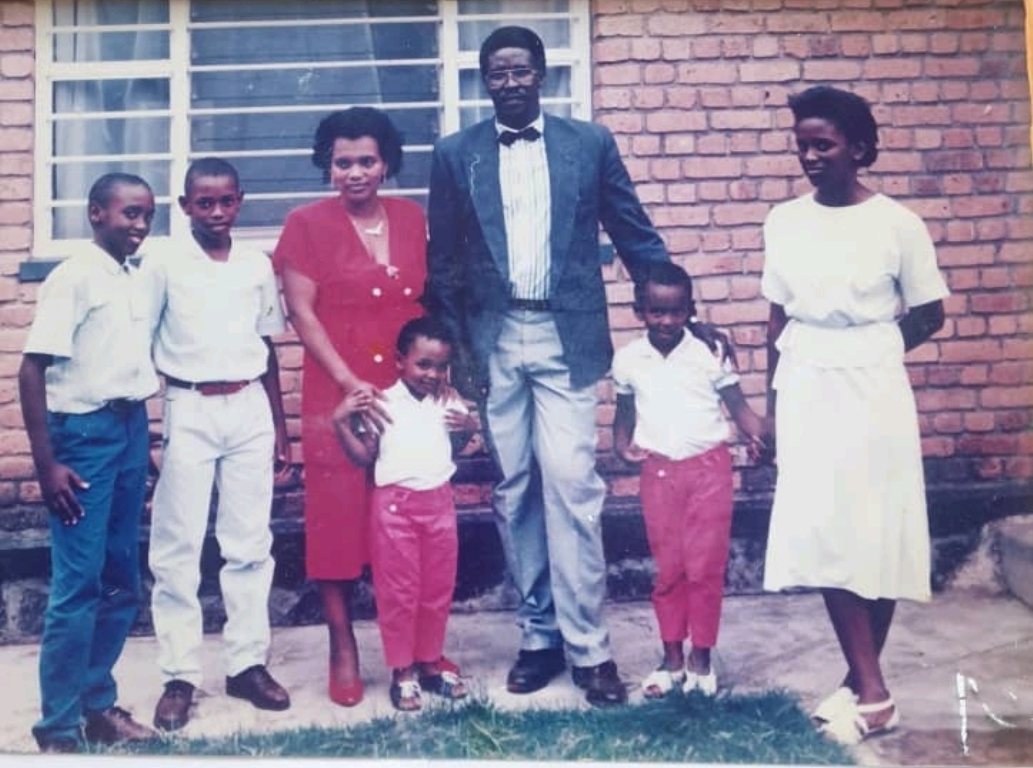
Family photo of Prof. Rumiya with his wife, Mukamudenge, and their two surviving daughters (in red and white). Mukamudenge says their lives would be different now if not for the Interahamwe militias that turned against the family.
Rumiya was not only a respected academic, but also a prominent figure within the MRND political party, both in Butare Prefecture and at the national level.
Yet as ethnic divisions deepened in the early 1990s, he began to openly challenge the dangerous rhetoric taking root within his own party. On November 14, 1992, he made a decision that would ultimately define his legacy.
With the help of his wife, he drafted a resignation letter addressed to President Juvénal Habyarimana, condemning the growing extremism within MRND. “It is shameful that an inflammatory speech advocating ethnic cleansing was delivered at an MRND rally without any condemnation, and instead received applause,” Mukamudenge recalls from the letter they composed together in secrecy.
“He trusted me completely,” she says. “He asked me to write it quietly and deliver it without anyone noticing. I knew the risks, but I was proud to stand beside him.”
That act of defiance placed Rumiya in direct opposition to powerful forces. His outrage deepened following the infamous Kabaya speech by Léon Mugesera, which openly incited violence against Tutsi.
Rumiya responded with another letter condemning the speech—a move that exposed him as an “enemy” within his own ranks. “He could not stay silent. For him, truth was not negotiable,” Mukamudenge recalls.
She reflects that perhaps their story might have been different if not for the Interahamwe militias—many of them neighbours, people who were meant to protect rather than destroy. Instead, they turned on the family, carrying out brutal attacks that left most of their loved ones dead and forever altered the course of their lives.
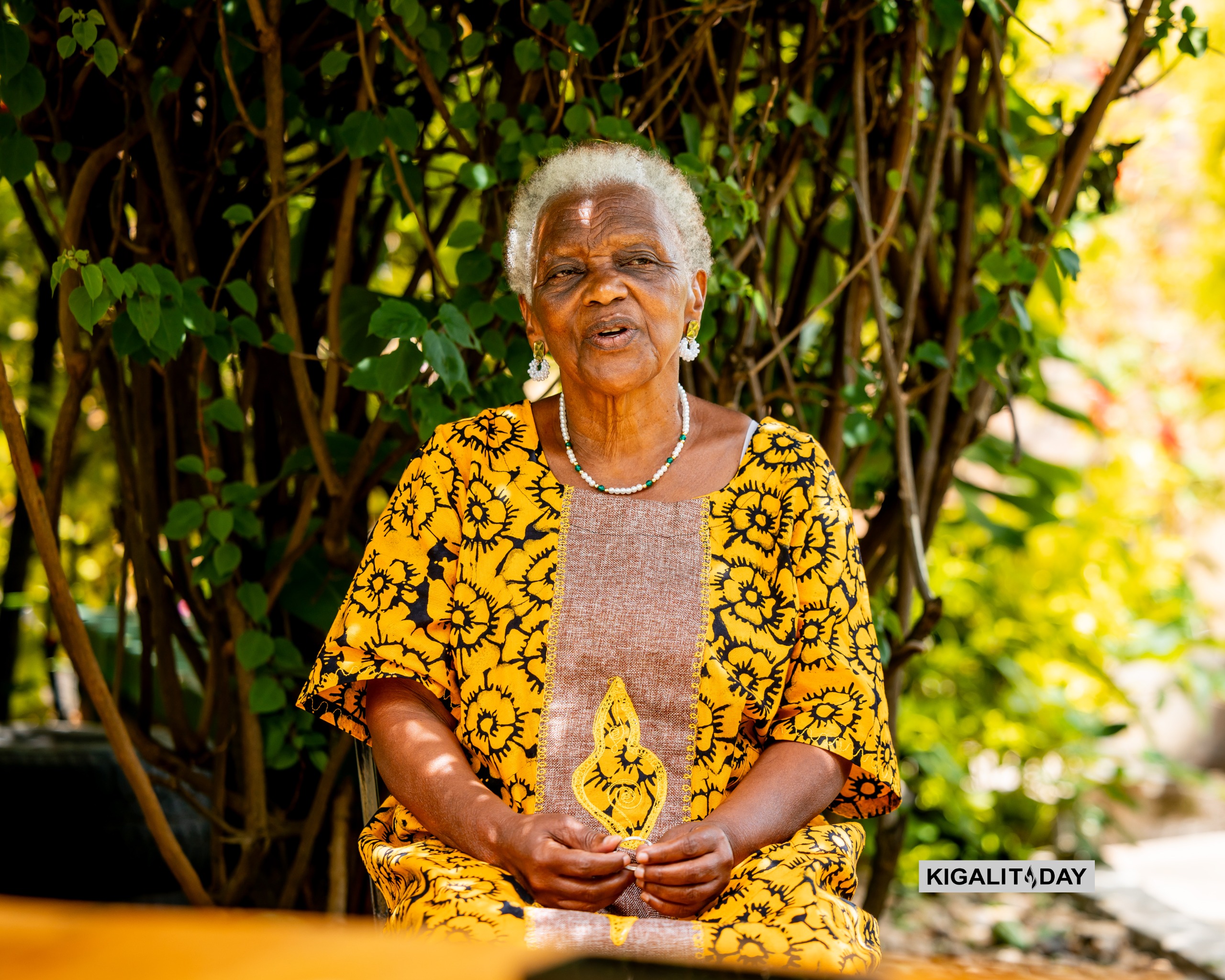
Veneranda Mukamudenge, the widow of Prof. Rumiya, says she helped her husband write a resignation letter to President Juvénal Habyarimana, condemning the growing extremism within the MRND party.
Defiance in the Face of Death
Born in Huye, Rumiya grew up in a politically engaged family but gradually distanced himself from partisan loyalty when it conflicted with his values. His sister, Mbakoyi, recalls a defining moment when he discouraged her from buying an MRND-affiliated traditional dress.
“He told our father, ‘You refuse to sacrifice your blood for the country, and dogs will take it freely.’ That was the moment we knew he had made his choice,” she recounted.
Even after facing expulsion due to ethnic segregation, he refused to flee the country, choosing instead to remain and support his family as the firstborn. “He believed responsibility was not something you run away from,” his widow said, her voice tinged with emotion.
On May 4, 1994, that belief cost him his life. Killed in the early days of the genocide by the Interahamwe militias, he became one of many political figures targeted for opposing the killings. His two daughters were wrapped in clothes and left with little hope of survival, only to be later discovered and rescued by their paternal aunt, Marie Goreth Mbakoyi, thanks to the courage of an unidentified well-wisher.
Beyond politics, Rumiya was remembered as a warm and humble man. Mukamudenge first met him as a seminary student, struck by his kindness, discipline, and love for sports, especially football.
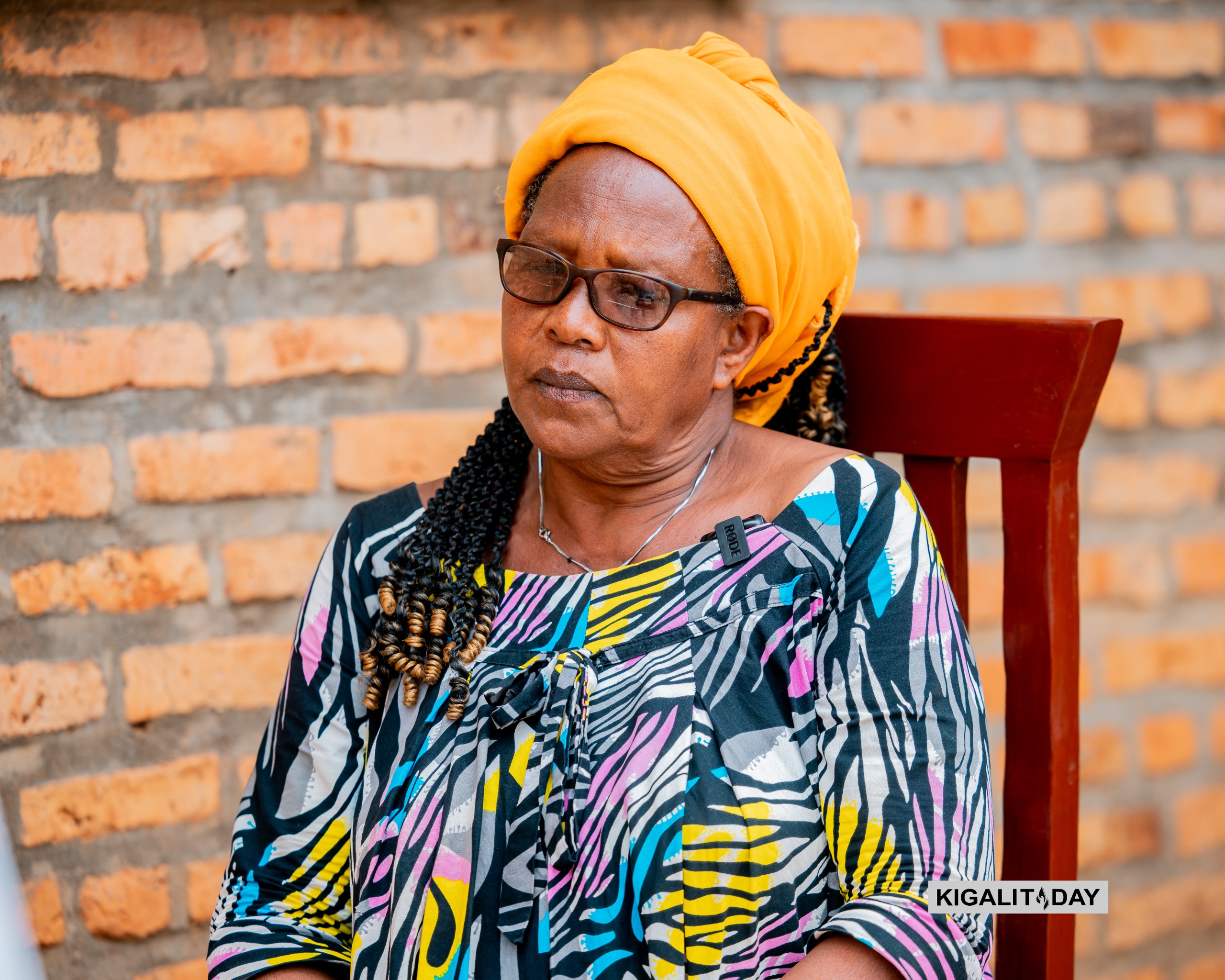
Rumiya’s sister, Marie Goreth Mbakoyi, reflects on his courage and commitment to family amid rising political tensions that ultimately led to his death.
Another Voice Against Hate
Rumiya’s courage found echoes in others who refused to stay silent. Among them was Andrea Kameya, a journalist whose battlefield was the media. Though not related by blood, Kameya shared the same unwavering commitment to truth and justice, standing firm even as danger closed in. Born in 1946, he became known for reporting honestly in a climate where propaganda and extremism were taking hold.
“He always believed Rwanda deserved truth. Even when it was dangerous,” Rumiya’s sister recalls, noting the shared spirit of courage that connected these two men.
At one point, while living in exile, Kameya made a fateful decision to return to Rwanda despite clear warnings of impending violence. He left behind his family in Burundi, including a two-week-old baby, promising he would return safely.
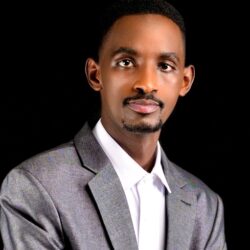
“My mother refused to go with him. But he believed he had a duty. He said he couldn’t stay away while his country was heading into darkness,” daughter Lietitia Umuhoza remembers.
Much like Rumiya, Kameya’s journey began in the seminary, which he left in 1973 after witnessing ethnic discrimination within the clergy—an early sign of his unwillingness to accept injustice, no matter the setting. In 1991, he founded the newspaper Rwanda Rushya, which quickly gained attention in Kigali for its bold editorial stance in a media environment increasingly dominated by propaganda. With outlets like Radio Télévision Libre des Mille Collines amplifying extremist narratives, Kameya’s work stood out as a rare attempt to present alternative perspectives.
Kameya became one of the early victims of the genocide, targeted for his work and his refusal to align with extremist narratives. His death was calculated, part of a broader effort to eliminate voices of reason and resistance.
Umuhoza remembers him as a man driven by conviction, whose pen became his weapon against hate—a legacy that, like Rumiya’s letters, continues to inspire those who value courage and truth over fear and complicity.
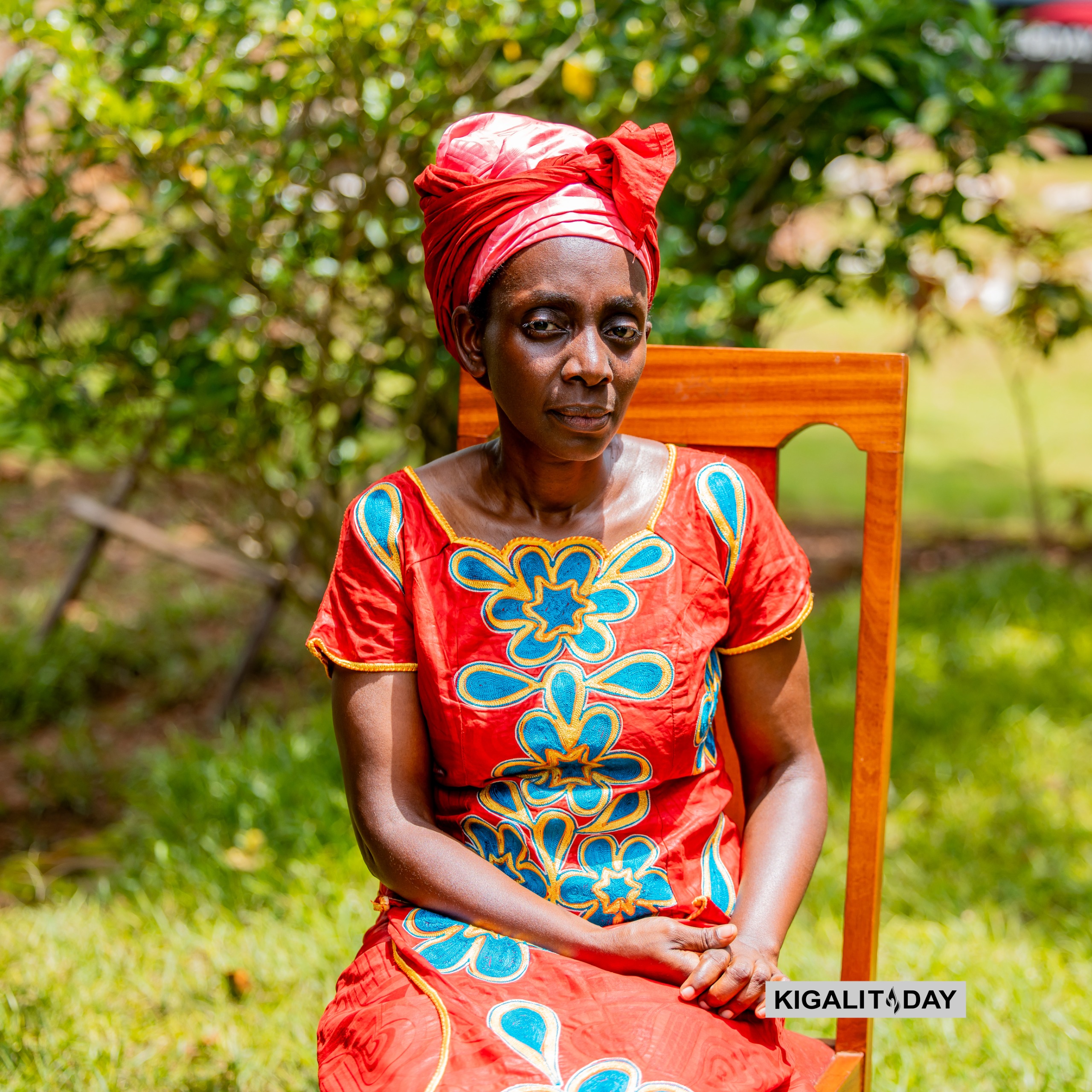
Lietitia Umuhoza, the surviving daughter of the Late Andrea Kameya remembers his father as a man driven by conviction.
A Commemoration Worth Remembering
The stories of Rumiya and Kameya remind us that even in the face of overwhelming fear, individual choices matter. Their courage did not stop the genocide, but it challenged its inevitability and left behind a moral record that continues to inspire.
At Rebero, where many political victims are laid to rest, their legacy is etched not only in stone but in the collective memory of a nation that refuses to forget.
“It is painful to remember, but it is also necessary. Because their sacrifice is a lesson. They showed us that even when death is certain, you must stand for what is right,” Mukamudenge reflects.
Rwanda mourns, and it also rebuilds. The children of these fallen heroes continue to live, to strive, and to carry forward the values their parents died defending. Their lives are quiet victories against a past that sought to erase them—and a living testament to the enduring power of courage, conscience, and choice.