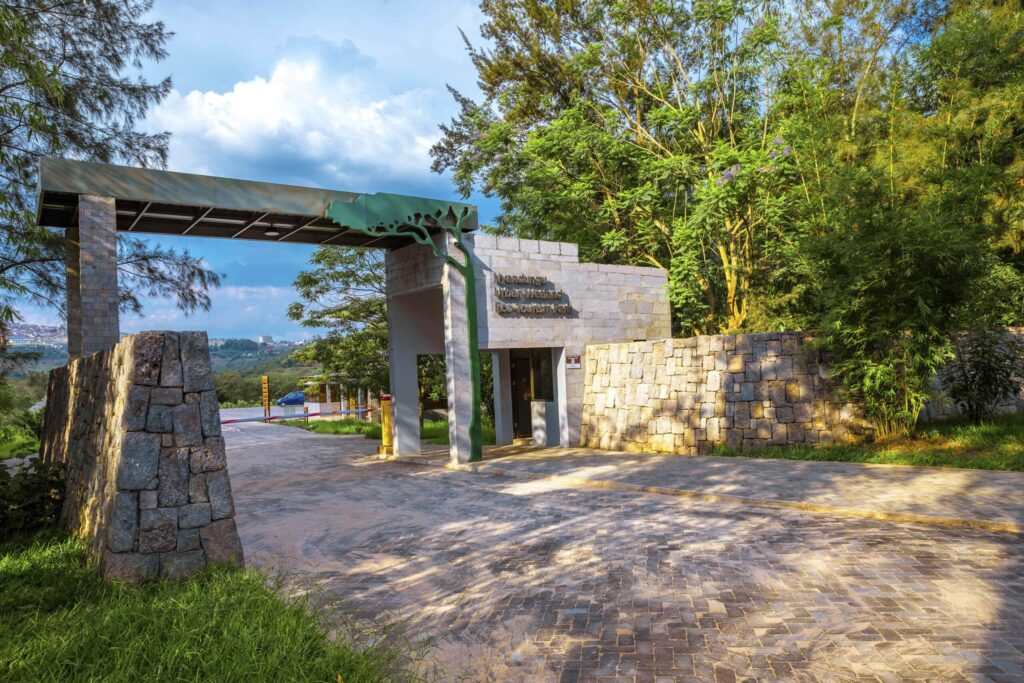
Nyandungu Eco-Park is fast emerging as one of Rwanda’s most compelling environmental projects.
KIGALI — What was once a silent, degraded wetland is now a vibrant symphony of life. Nyandungu Eco-Park has emerged as Rwanda’s most compelling environmental success story, with new data revealing that both biodiversity and public engagement are surging at a remarkable pace.
The park’s transformation is no longer just a visual victory; it is a measurable triumph. In 2025 alone, Nyandungu attracted more than 110,000 visitors, a figure that averages out to roughly 300 people every day. This means a new visitor enters the gates every five minutes, a human rhythm that perfectly mirrors the rapid heartbeat of the park’s ecological recovery.
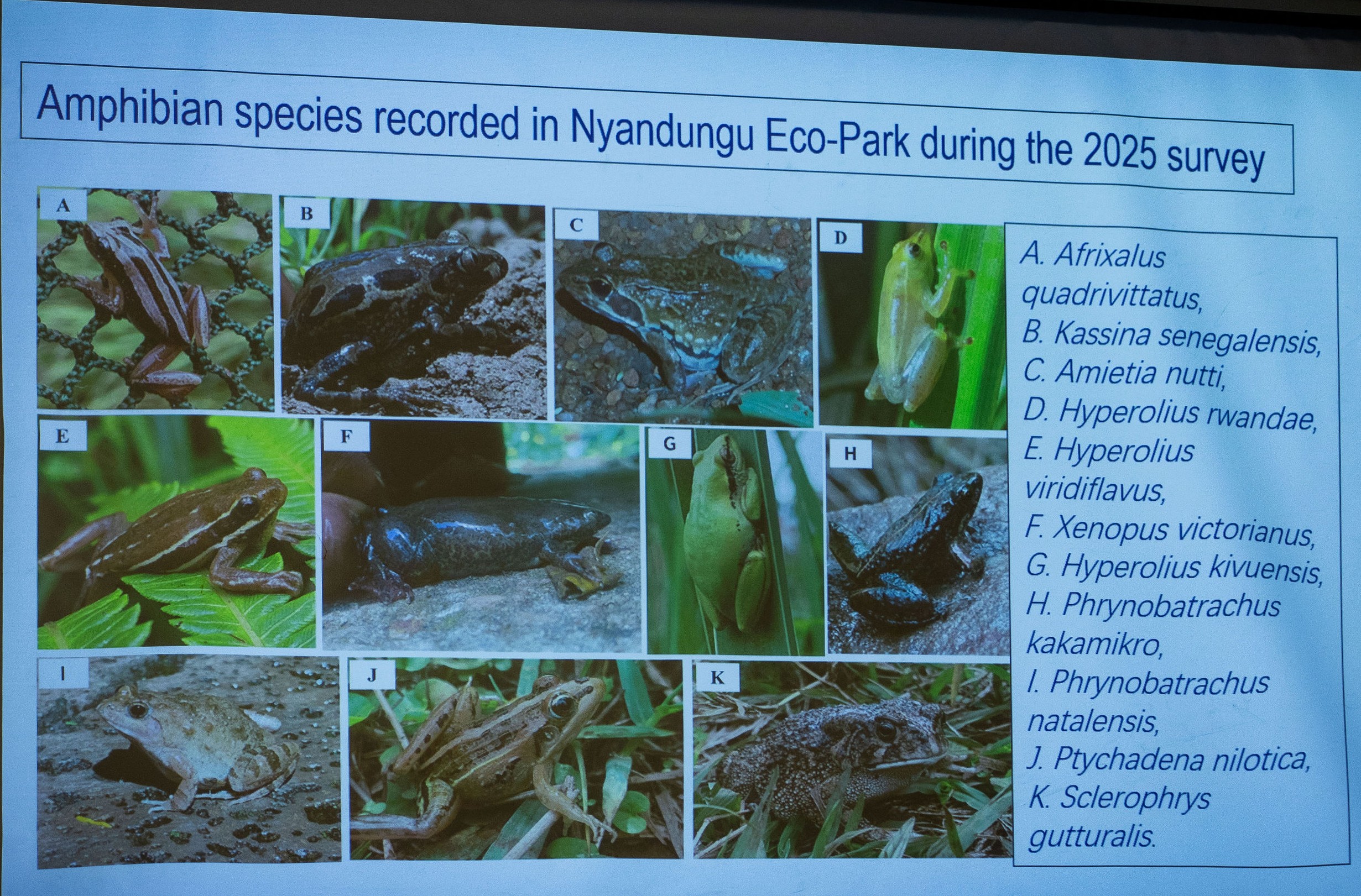
A comprehensive biodiversity survey conducted throughout 2025 and validated on April 8, 2026, reveals an ecosystem in overdrive, with the variety of life within the park nearly doubling in just two years. The avian population has seen a renaissance, with bird species soaring from 83 in 2023 to 158 today. Simultaneously, the botanical landscape has exploded from 260 plant species to 523, including several classified under high conservation concern.
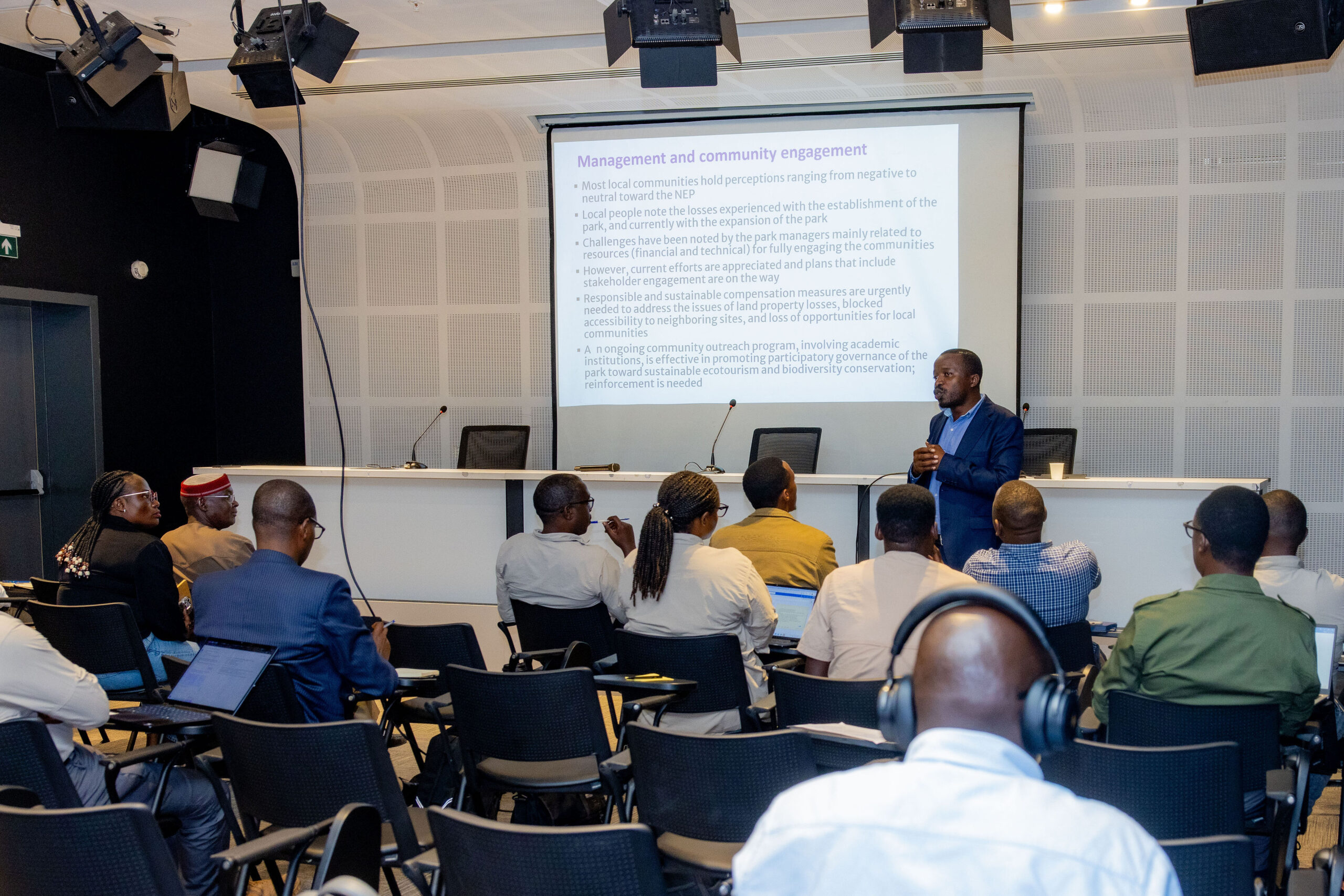
Experts conducted a three-week survey under the Regional Research Centre for Integrated Development (RCID) to come up with the findings.
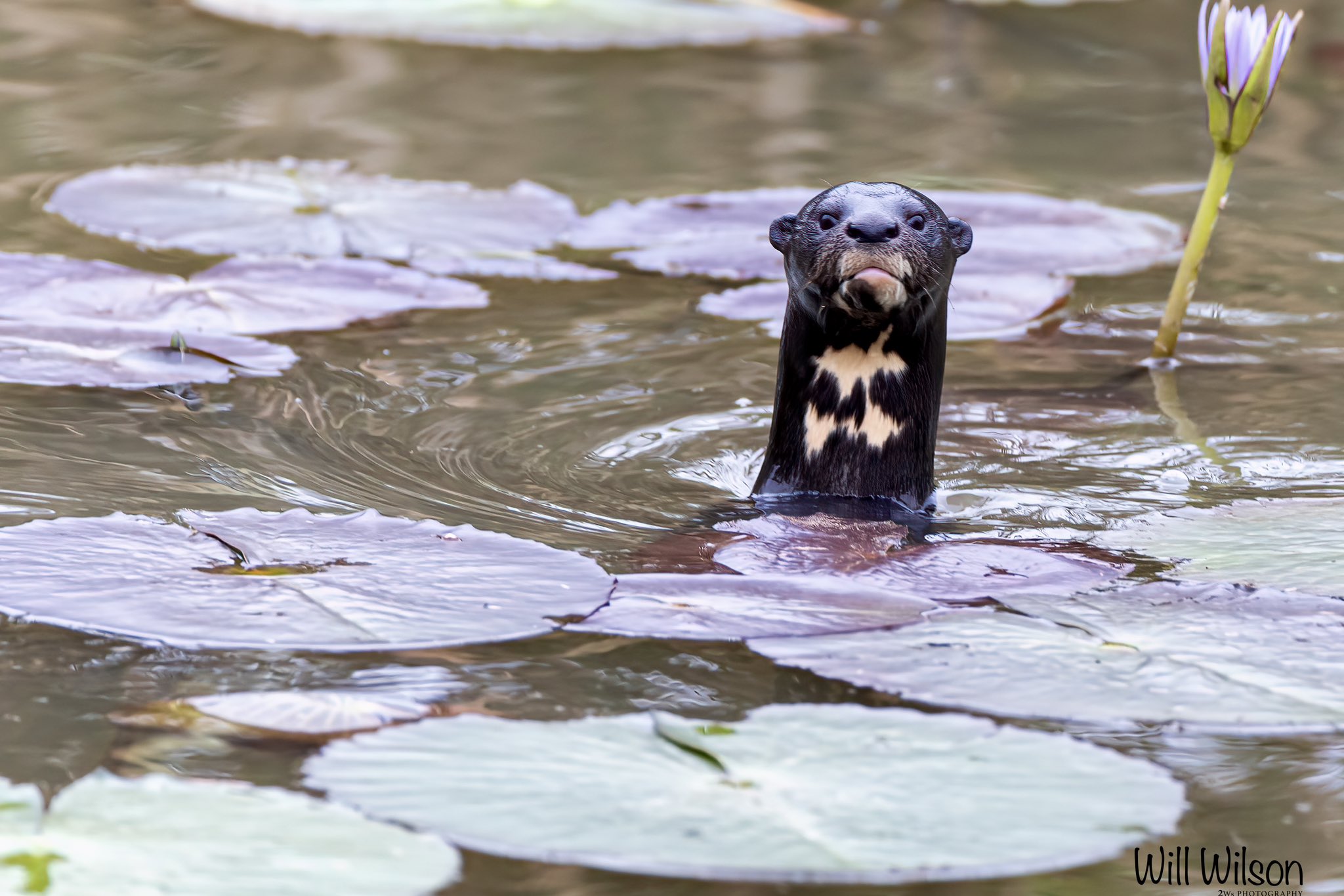
The continued presence of the endangered Grey Crowned Crane and the re-confirmation of the near-threatened Spotted-necked Otter stand out as the ultimate living stamps of approval for this thriving habitat. These flagship species are supported by a hidden foundation of environmental health; aquatic macroinvertebrates have expanded from 29 to 41 families, fueling the growth of mammals, reptiles, amphibians, and fish.
Ildephonse Kambogo, the Park Manager at Nyandungu Eco-Park, notes that this progress underscores the profound impact of science-based restoration. He emphasizes that every species recorded is a reflection of structured conservation practices and a commitment to building a sustainable future for Kigali’s green lung. As the city grows, Nyandungu stands as a testament to the resilience of nature when guided by expert care and public passion.
A Model for Urban Conservation and Climate Resilience
For Kigali, a city positioning itself as a leader in climate resilience, Nyandungu offers a working example of how urban development and environmental protection can go hand in hand.
The park’s transformation aligns with Rwanda’s broader ambition to integrate sustainability into urban planning—a commitment that has earned Kigali recognition as a Wetland City under the Ramsar Convention.
Commissioned by QA Venue Solutions Rwanda (QAVSR), which manages the park under a 10-year agreement with the Government of Rwanda, the three-week survey was conducted by the Regional Research Centre for Integrated Development (RCID).
“If you don’t know how many species and types are in the park, then you wouldn’t know where to start in order to protect and conserve them,” said Jules Kazungu, Managing Director of RCID.
Community Impact Meets Global Recognition
Spanning 219 hectares and restored through an investment exceeding $5 million, Nyandungu Eco-Park has evolved into a multi-functional green space that blends biodiversity conservation with recreation and environmental education.
Beyond its ecological gains, the park is delivering tangible benefits, including improved air quality, natural flood control, and accessible green space for urban residents.
Its surging visitor numbers—now averaging about 12 people every hour throughout the year—underscore its growing role as both an ecological and social asset.
International recognition has followed. In 2025, Nyandungu received multiple global accolades, including the Star Wetland Centre Award and triple recognition at the Ramsar Convention on Wetlands COP14, cementing its reputation as a benchmark for urban wetland restoration.
As stakeholders from government institutions, research bodies, and conservation agencies validate the latest findings, attention is shifting to the future. The new data is expected to guide updated biodiversity strategies and strengthen monitoring efforts to ensure that current gains are sustained and expanded.
For Rwanda, Nyandungu is no longer just a restored wetland—it is a living demonstration of how policy, science, and public engagement can come together to reshape urban ecosystems while delivering lasting environmental and social value.