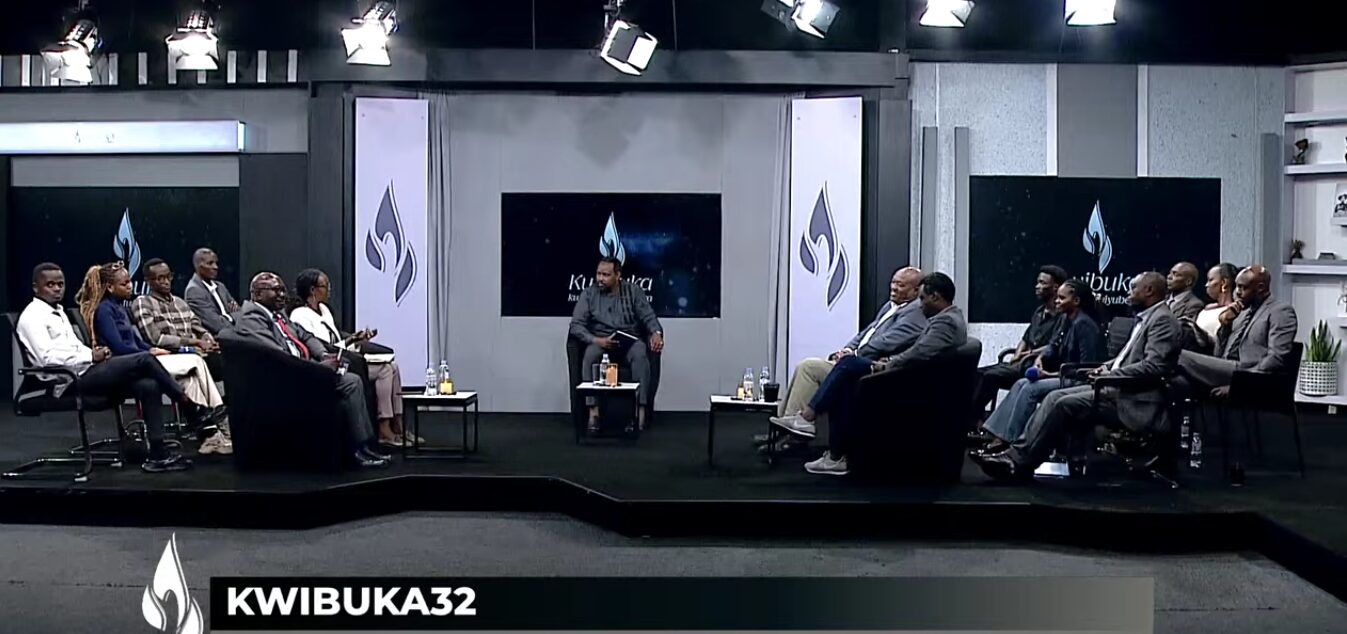
Televised panel discussion held as part of the 32nd commemoration of journalists and media personalities killed during the genocide
KIGALI — Experts have said the decisive role played by sections of the media in the 1994 Genocide against the Tutsi stemmed from deliberate alignment with extremist politics and genocide ideology, rather than a lack of professionalism.
The remarks were made during a televised panel discussion held as part of the 32nd commemoration of journalists and media personalities killed during the genocide. The discussion explored how media was used to spread hate speech and mobilize violence, while drawing lessons for today’s media landscape.
Media capture and early warning signs:

Tom Ndahiro
Genocide researcher and historian Tom Ndahiro said that long before 1994, media platforms had been captured by political elites who used them to shape public opinion along ethnic lines.
“Editorials in publications such as Kinyamateka and Kanguka were authored by actors with clear political intentions,” he said, noting that the groundwork for mass mobilization was laid years earlier.
Ndahiro highlighted the role of RTLM, established in 1993 by individuals close to President Juvénal Habyarimana’s regime, as a key tool in inciting violence and directing killings. He clarified that Rwanda’s first president, Grégoire Kayibanda, was not involved in its founding.
Print media was equally influential. The newspaper Kangura, founded by Hassan Ngeze, published the “Hutu Ten Commandments” in 1990, promoting division and hostility against Tutsi. Ndahiro also clarified that Kanguka, often confused with Kangura, was an independent publication critical of the government.
Propaganda patterns and psychological impact:
Innocent Nizeyimana
Panelists said repeated messaging in media outlets reinforced fear and normalized violence, often repurposing earlier political rhetoric to justify persecution.
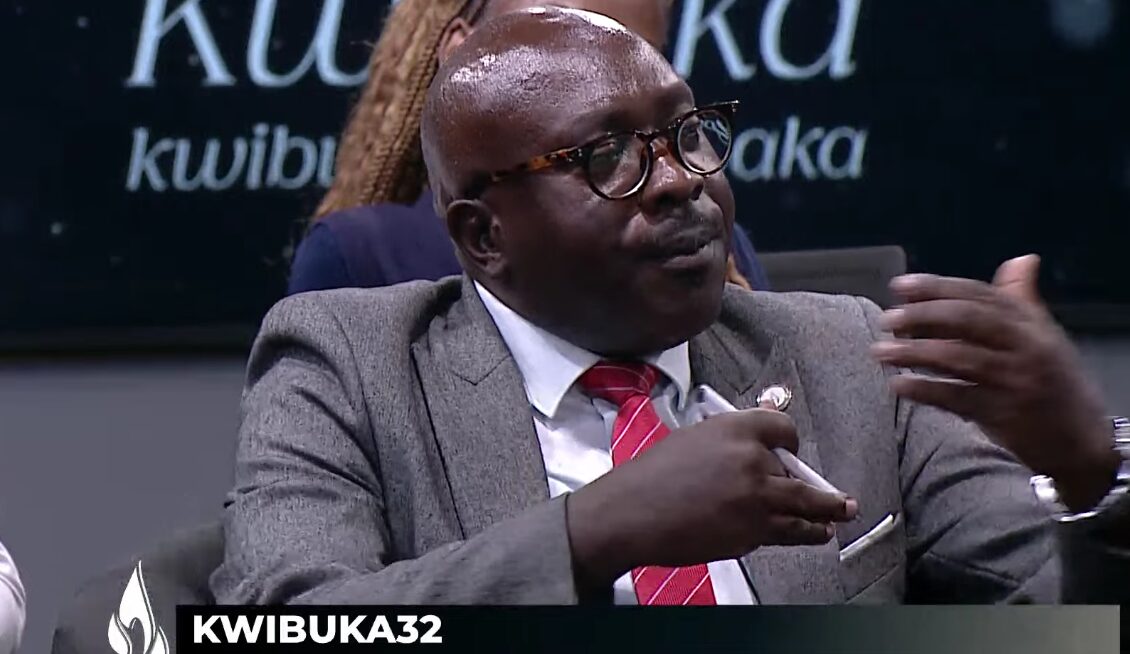
Genocide researcher Innocent Nizeyimana said media played a central role in shaping public perception and preparing the population psychologically.
“Through constant messaging, the media framed Tutsi as enemies and created a climate where violence was seen as necessary,” he said.
Dr. Liberata Gahongayire
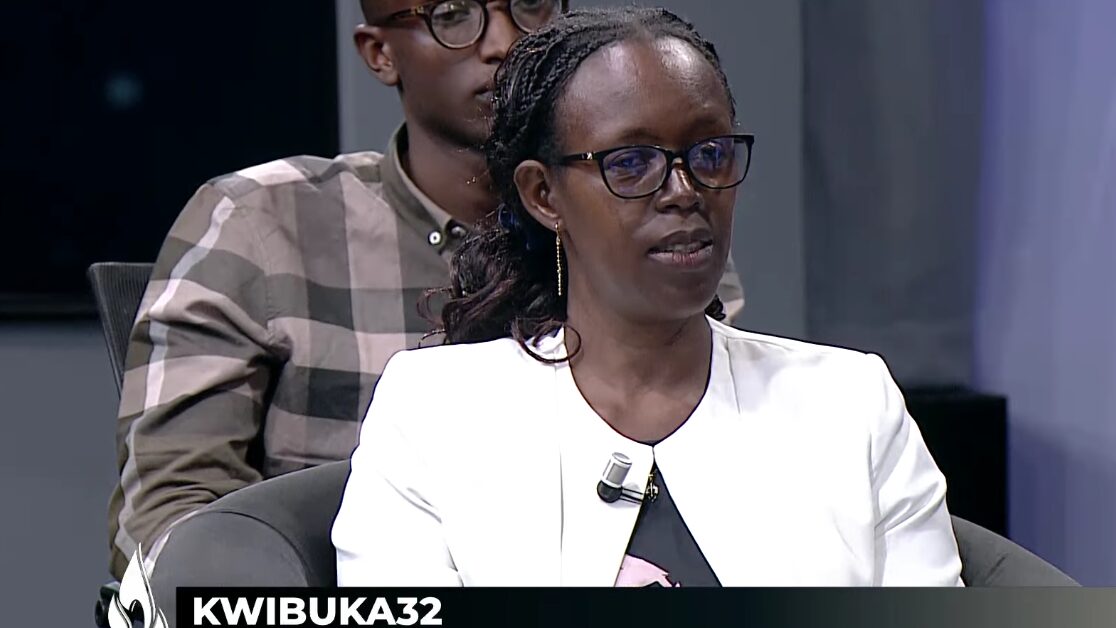
Dr. Liberata Gahongayire explained that propaganda followed systematic patterns, including dehumanization, fear appeals, and “mirror accusations,” where victims were portrayed as aggressors.
Her research, based on more than 200 media texts, found widespread targeted hate speech, particularly against Tutsi women.
“The messaging was deliberate, using religion, fear, and repetition to justify violence,” she said.
Accountability and global lessons:
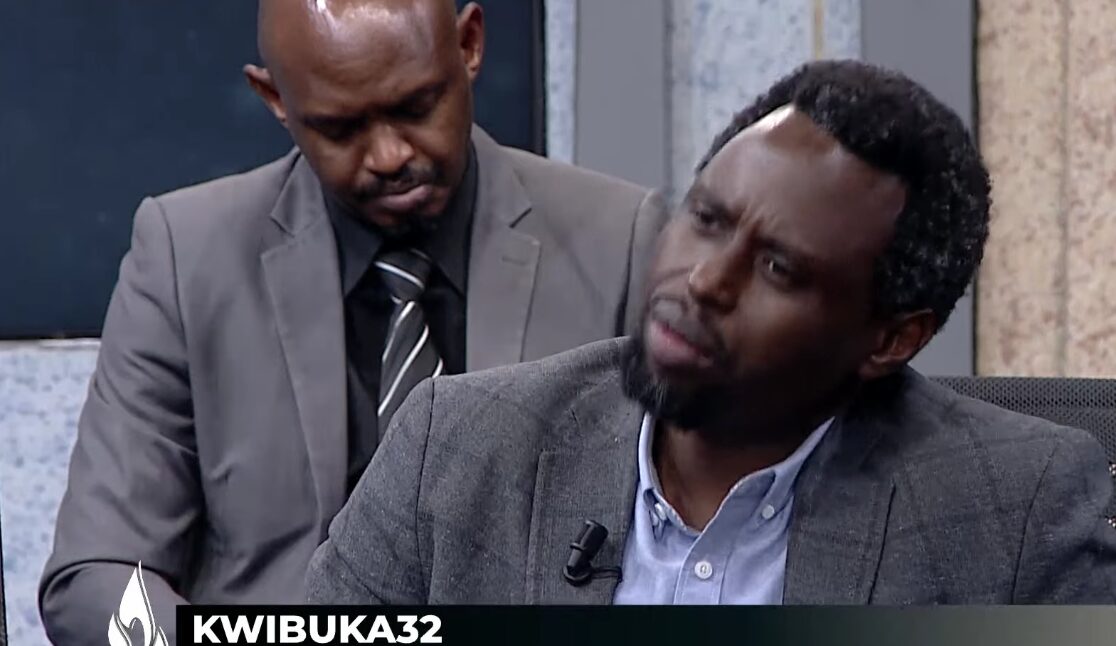
James Munyaneza
Panelists warned that genocide ideology continues to spread through international and digital platforms, often in the form of denial and revisionism.
They pointed to rulings by the International Criminal Tribunal for Rwanda (ICTR), which in 2003 convicted media executives for incitement to genocide, setting a global precedent.
James Munyaneza, Managing Director of The New Times, said the cases reaffirm that freedom of expression cannot justify incitement to violence.
“Holding the media accountable is a principle recognized internationally,” he said.
Reforms and responsibility today:

Egidie Bibio Ingabire
Speakers highlighted reforms in Rwanda’s media sector since 1994, emphasizing stronger ethical standards and regulatory frameworks.
Egidie Bibio Ingabire said media now has a responsibility to promote unity and counter harmful narratives, while Cleophas Barore noted increased professionalism and public engagement.
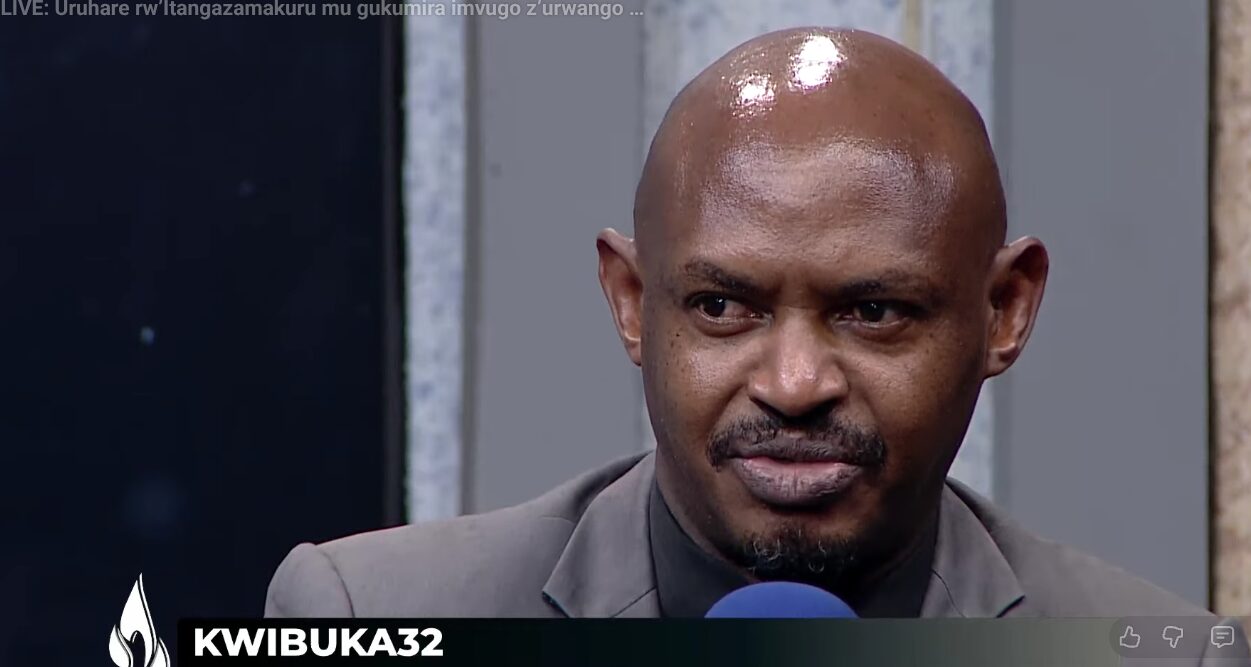
Emmanuel Mugisha
Emmanuel Mugisha of the Rwanda Media Commission stressed the importance of vigilance in combating genocide ideology.
The discussion also honored journalists who resisted hate propaganda, including Faustin Rucyogoza, who was killed in April 1994.
As Rwanda commemorates fallen media practitioners, panelists urged today’s journalists to uphold ethical reporting, preserve historical truth, and use modern platforms responsibly to help prevent future atrocities.