



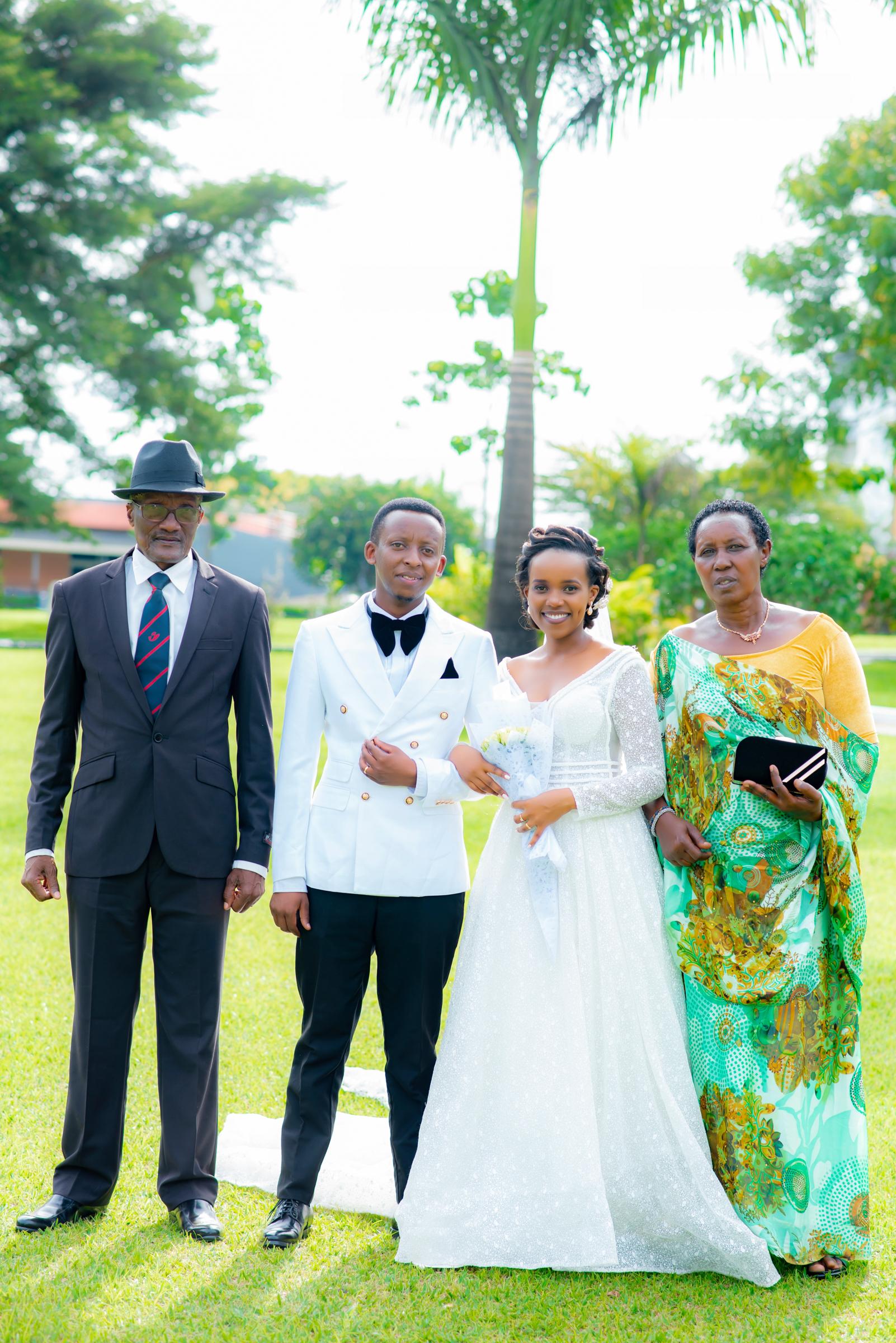
Umuhoza and her husband poses with her parents on her wedding day.
BUGESERA – In April 1994, as the Genocide against the Tutsi engulfed Rwanda, residents of Karambi in Nyamata Sector mounted a brief and desperate fight against the Interahamwe. Armed with spears, bows and stones, they held their ground for days.
But when soldiers from Gako military camp intervened, their strength collapsed under gunfire, forcing civilians into a chaotic fight for survival. Donatilla Mukamfizi, embarked on a tragic journey that would claim all her six children.
In the confusion, she and her husband made a split-second decision to separate, hoping to increase their chances of survival. He fled with the older children, while she ran with the younger ones. Amid thousands descending toward Nyamata, one child disappeared without a trace.
“It still hurts. I don’t know how he died or where he is,” she says. Mukamfizi’s efforts to hide with her remaining children in a thorny bush was short-lived. The attackers found them, calling the children by name and lured them out of hiding before killing them. Mukamfizi herself was brutally wounded and left unconscious among their bodies.
When she regained consciousness hours later, as rain fell lightly, she found herself surrounded by her children, one of them still clinging to life. “It was as if they killed me before killing my children. The youngest was still breathing, but they had injured her so badly… she could not survive,” she recalls.
Severely wounded in the head and legs, Mukamfizi struggled on, later reuniting with her husband. Each clung to the fragile hope that at least one child had survived. That hope was quickly shattered. One by one, they learned that all six had been killed—some during the escape, others in hiding.
They buried them hastily, covering the bodies with iron sheets and soil, holding onto the faint promise that, if they survived, they would return to give them a dignified burial. “We told ourselves we would come back for them,” she says.
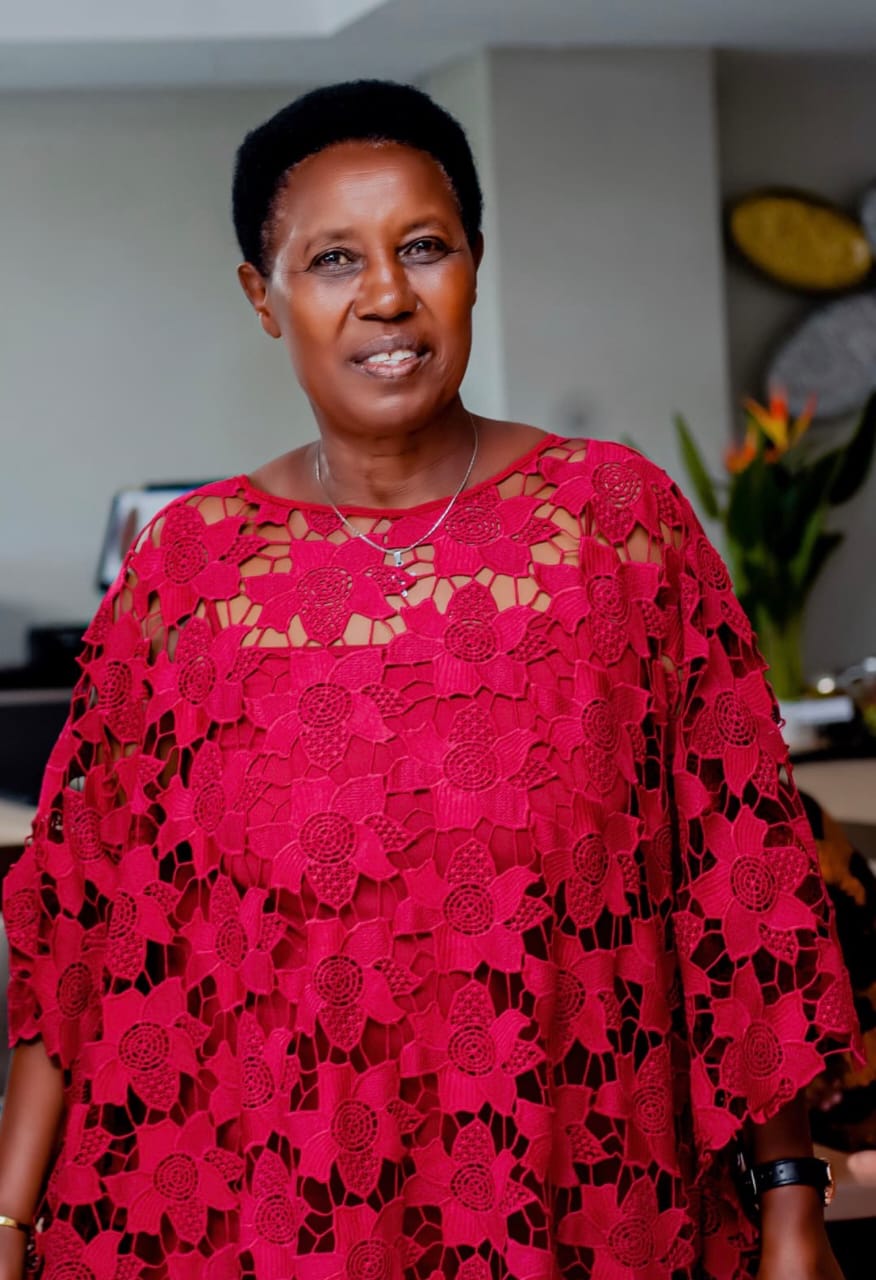
Donatilla Mukamfizi lost six of her children during the 1994 Genocide against the Tutsi.
Rescue and the Long Road Back
Despite her grave injuries, Mukamfizi continued moving in hiding with her husband, supported at times by other survivors who helped treat her wounds with traditional remedies. Some urged her husband to abandon her, convinced she would not survive but he refused.
Weeks later, word spread that the Inkotanyi had advanced into the area and that the killings were subsiding. With caution and fear, Mukamfizi joined a small group that set out through dense bushland to verify the reports.
The journey was slow and dangerous, but when they finally encountered soldiers, what they heard marked a turning point. “They told us, ‘Do not be afraid, you will not die anymore,’” she says.
They were taken to safety, where the wounded received basic care, and survivors began the difficult process of rebuilding. Mukamfizi’s husband later joined the fight, leaving her uncertain of his fate for months. In 1995, he returned, and together they faced the daunting task of starting over.
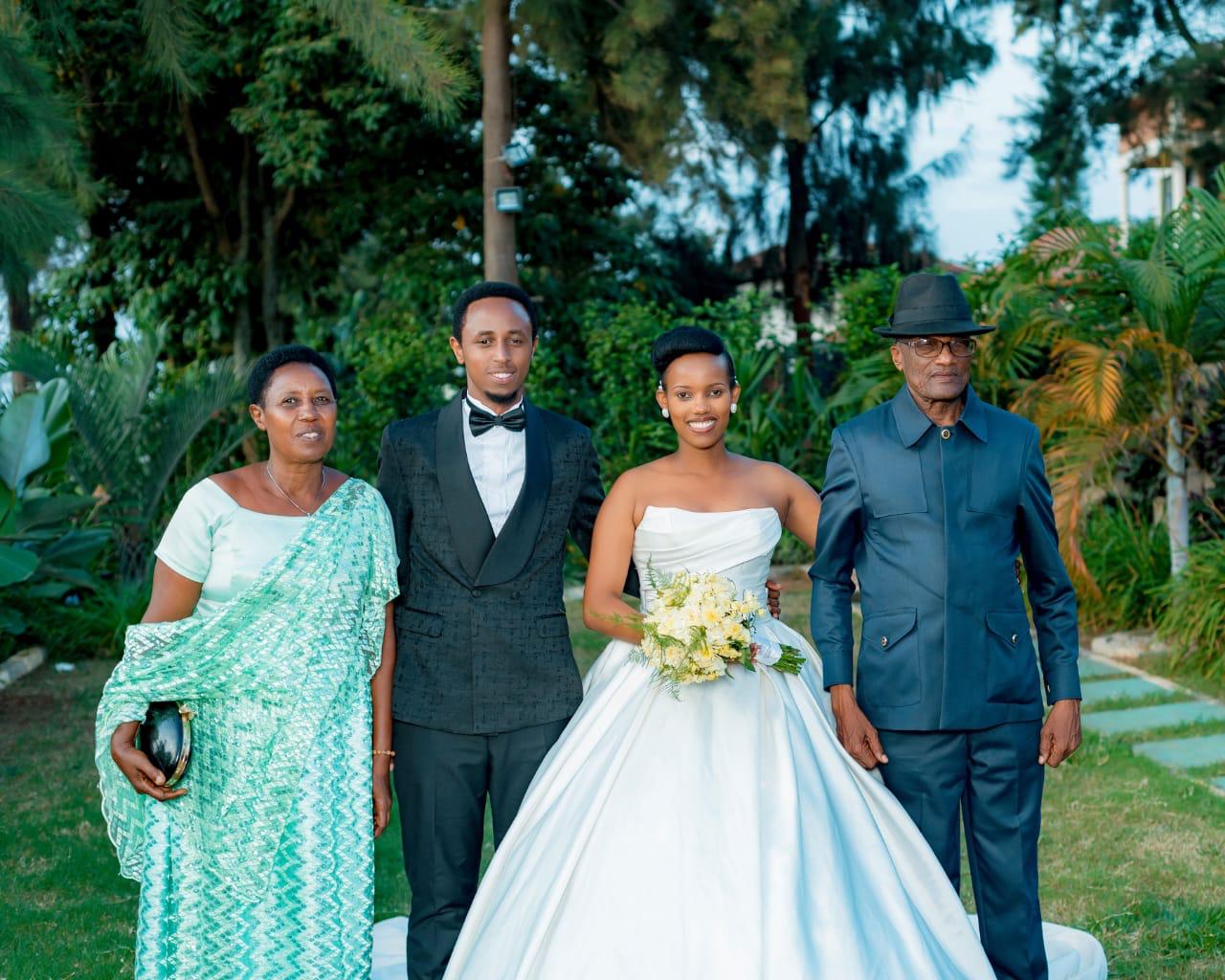
Mbabazi on her wedding day.
Choosing Life After Loss
Rebuilding did not come easily. Mukamfizi admits she initially resisted the idea of having children again.“I told myself I did not need children anymore. I had lost everything,” she says.
But with time, hope slowly returned. Their first child was named Umuhoza, meaning comfort, followed by Mbabazi, meaning mercy. They went on to have four children, raising them through hardship with a shared determination to give them a future.
Education became central to that vision. Despite limited means, Mukamfizi insisted her children stay in school, even when the cost seemed beyond reach. “Even when we had nothing, I believed they had to study,” she says.
Today, all four have completed university, an outcome she once believed impossible. Now a grandmother, she speaks with quiet wonder about a life she never imagined she would live to see. “To have grandchildren… it is something I cannot explain,” she says softly.
Mukamfizi has also chosen a path that many would find difficult. One of the men responsible for killing her eldest child later asked for forgiveness from prison. She granted it, not out of obligation, but to free herself from the burden of hatred. “Not forgiving was too heavy for my heart,” she says.
More than three decades later, her story stands as a powerful testament to survival, resilience, and the possibility of renewal after unimaginable loss. “God did not save me for nothing. After everything, I believe I will have a good ending,” she reflects.
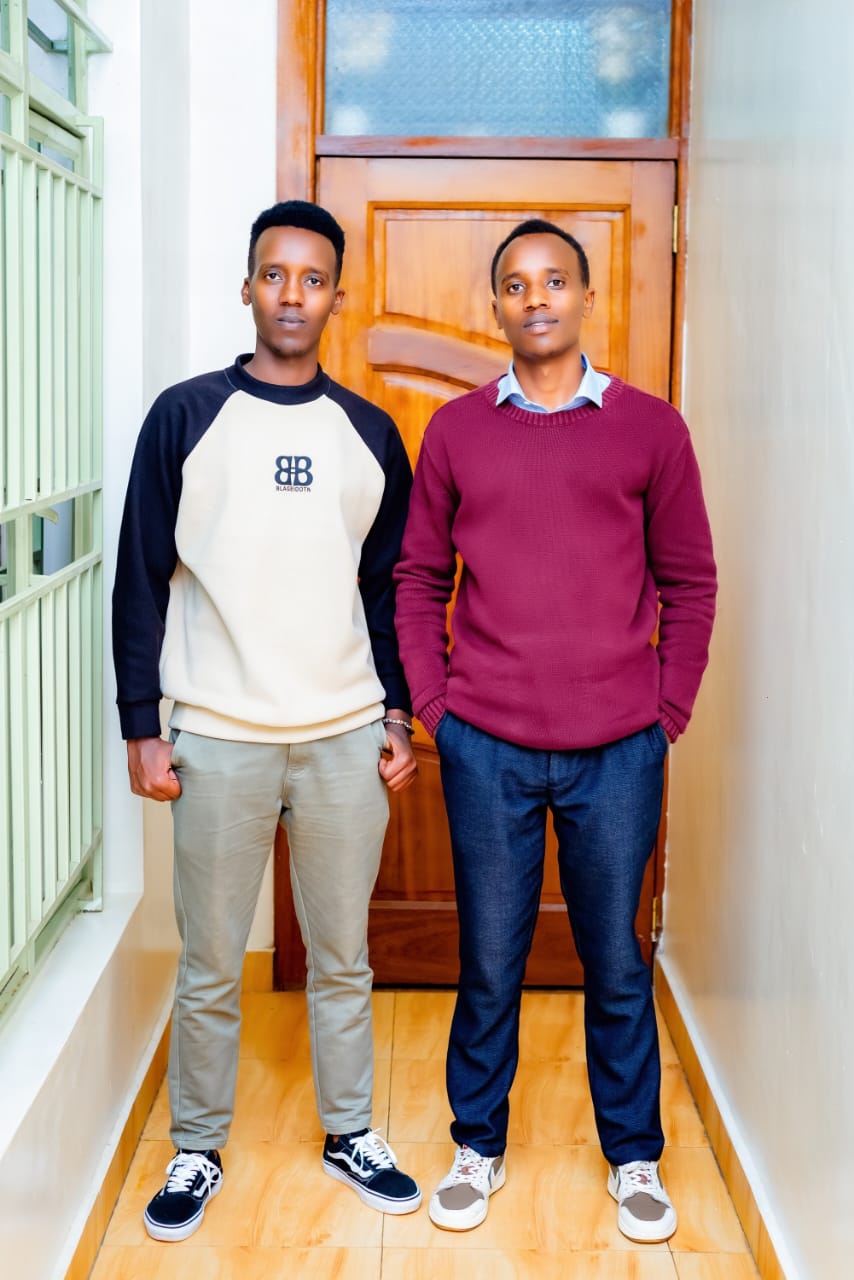
Donatilla Mukamfizi’s two other sons that were born after the 1994 Genocide against the Tutsi.
