 Rwanda’s 32nd Genocide Commemoration Week (Kwibuka32) concluded on April 13, 2026, with a renewed national call for unity, responsible leadership, and vigilance against divisive ideologies, as leaders and communities reflected on the legacy of the 1994 Genocide against the Tutsi.
The official week began on April 7 at the Kigali Genocide Memorial and closed with vigils, discussions, and reflective activities held across the country.
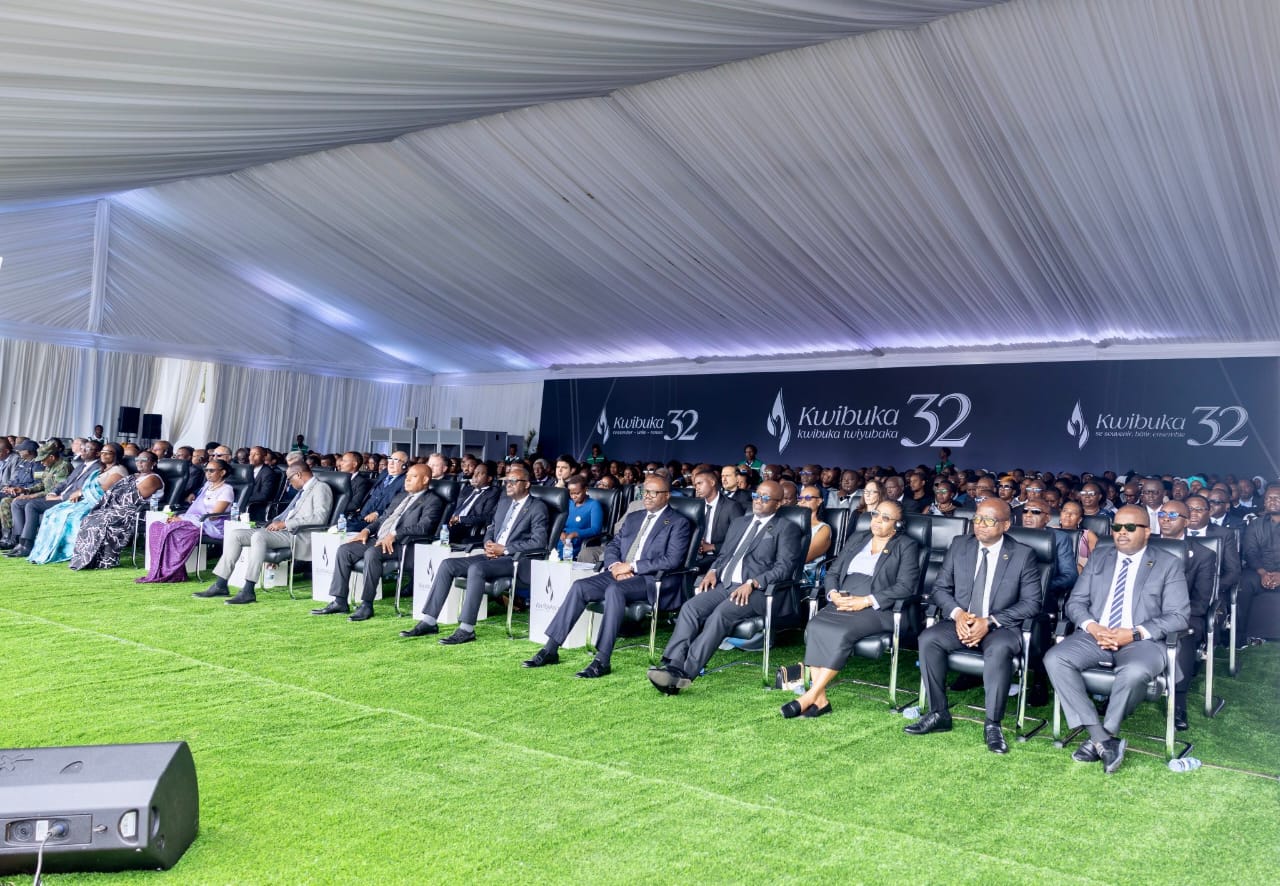
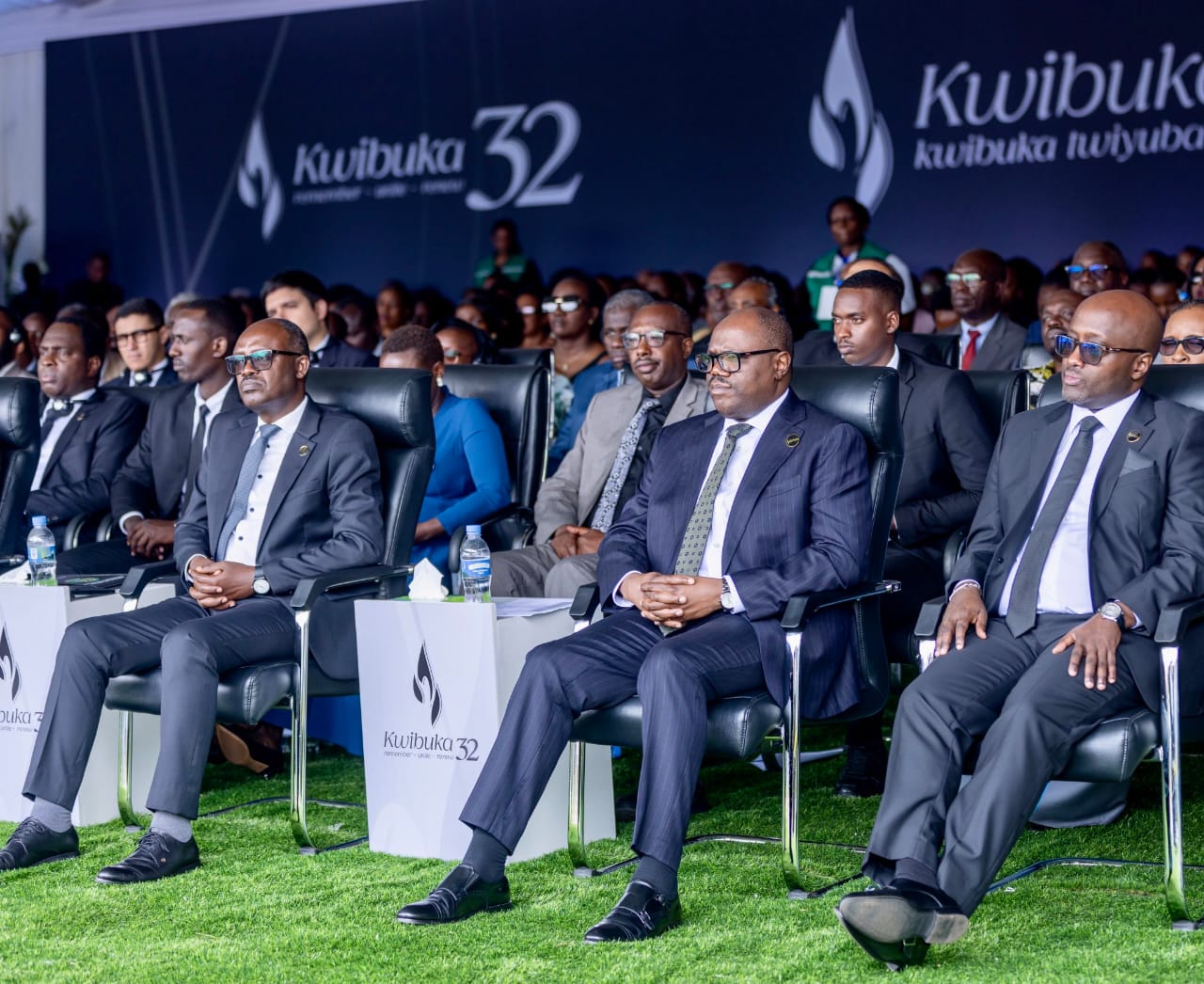
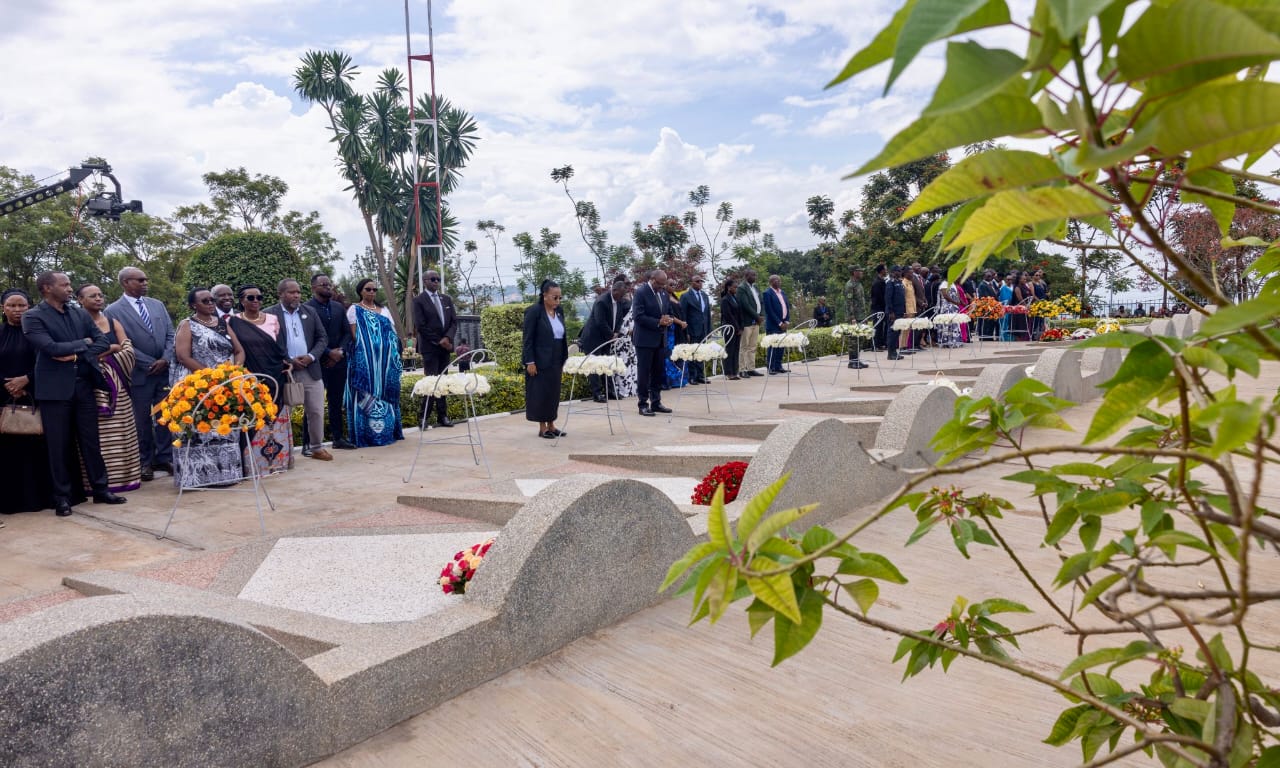
The national closing ceremony took place at the Rebero Genocide Memorial, a site that honours politicians who were killed for opposing genocide ideology. The event was attended by Prime Minister Dr. Justin Nsengiyumva, government officials, members of the armed forces, and the diplomatic corps.
Prime Minister Dr. Justin Nsengiyumva laid a wreath in honour of the fallen politicians.
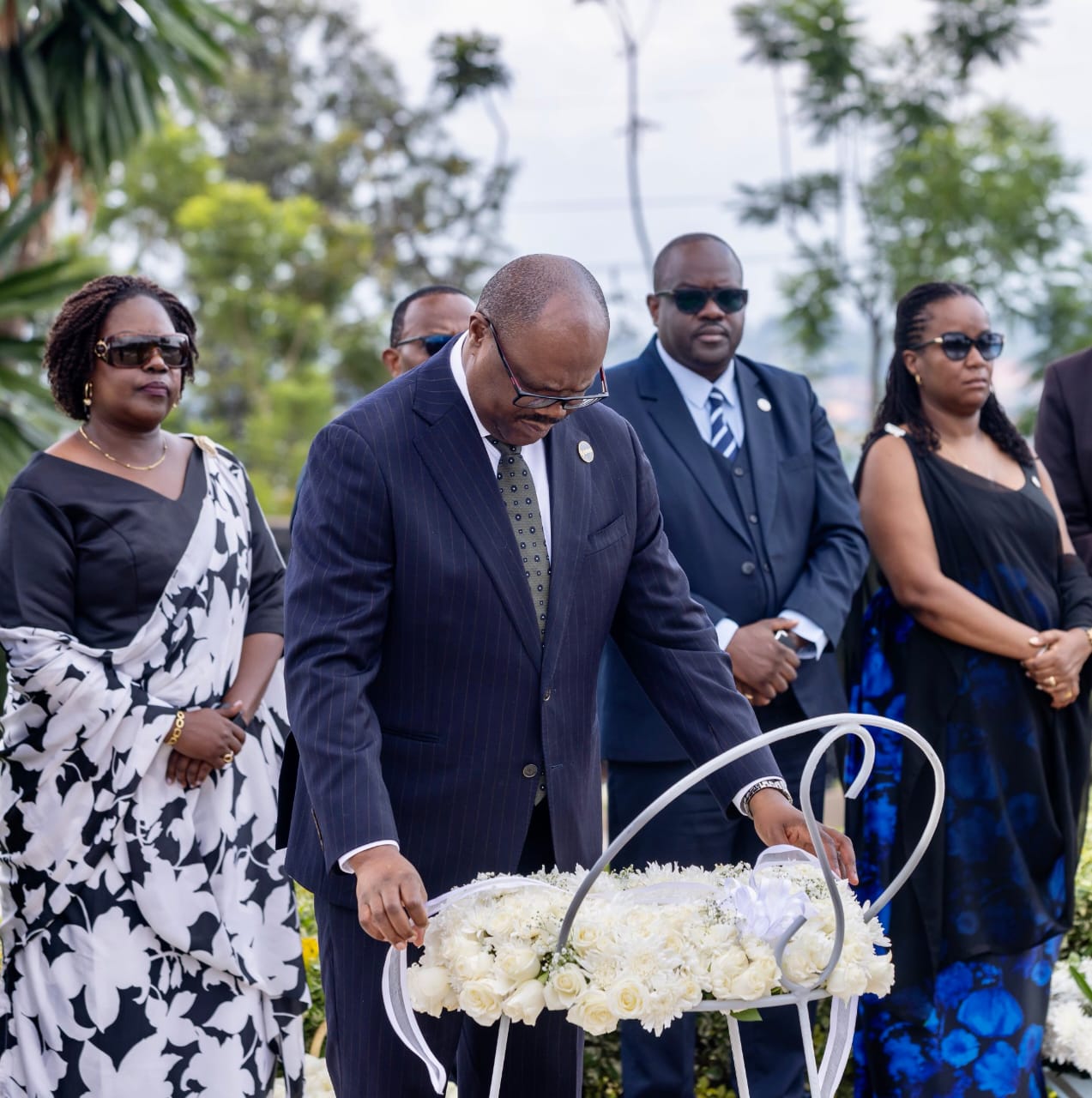
Prime Minister D. Justin Nsengiyumva lays wreath to honor of fallen politicians
Speaking at the event, Senator Frank Habineza, spokesperson for the National Consultative Forum of Political Organisations (NFPO), attributed the 1994 Genocide against the Tutsi to divisive politics and poor leadership.
“The bad leadership and politics witnessed in the country before the 1994 Genocide against the Tutsi fostered hatred and divisions. The result of this politics was the genocide, which claimed more than a million lives, including the politicians we remember today,” he said.
Habineza noted that 32 years on, Rwanda has built a new political culture that is inclusive, promotes dialogue, and fosters national unity, where all citizens are equal.
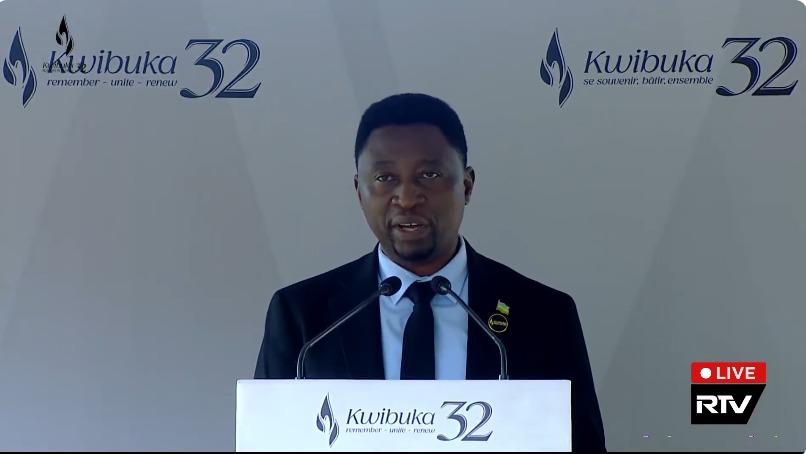
Senator Frank Habineza
“This is the kind of politics we are promoting today among political parties—to help Rwandans work together in the national interest. We are thankful for this democratic path, which we chose as a foundation for mutual understanding among Rwandans,” he said, adding that political parties are proud to contribute to Rwanda’s leadership and power-sharing framework.
He stressed that opposition politics in Rwanda is constructive and not aimed at undermining national progress.
“Our role in opposition is to share ideas and propose solutions to current challenges, within the context of our country’s history, where bad politics led to the 1994 Genocide against the Tutsi,” he said. “Opposition upholds the fundamental principles that safeguard national unity.”
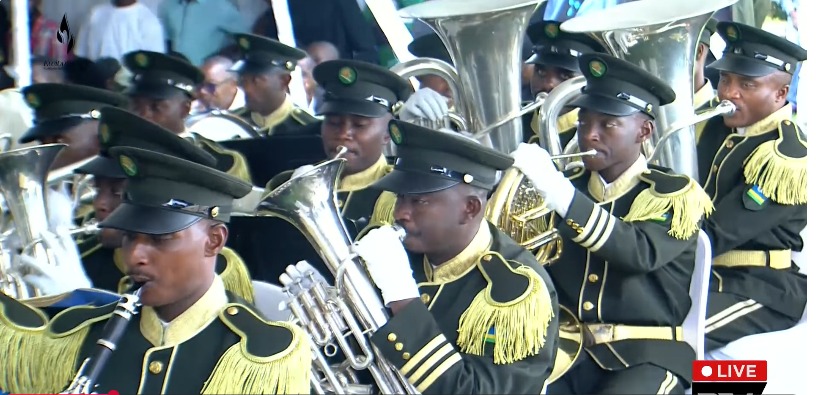
Army band performance at Rebero commemoration site
Habineza also called on political actors to reject divisive ideologies and urged Rwandans involved with anti-government groups abroad to return home.
“These Rwandans should return to Rwanda because there is peace at home. Let us work together to rebuild our country and distance ourselves from genocide ideology,” he said.
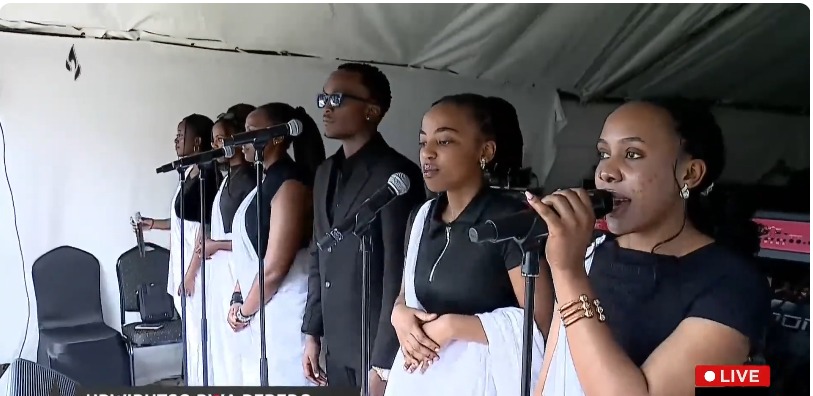
Local choir performance at Rebero
The Minister of National Unity and Civic Engagement, Dr. Jean-Damascène Bizimana, echoed concerns about the historical roots of the genocide, highlighting how the “Hutu Power” ideology was constructed, mobilised, and used against Tutsi before and during the 1994 Genocide against the Tutsi.
The President of the Senate, François-Xavier Kalinda, who officiated the ceremony, said the genocide was the result of long-term planning by political leaders.
“The Genocide against the Tutsi was the outcome of a chain of poor leadership decisions, beginning with colonial rule, which entrenched ethnic divisions, and continuing through the first and second republics that institutionalised discrimination against Tutsi,” he said.
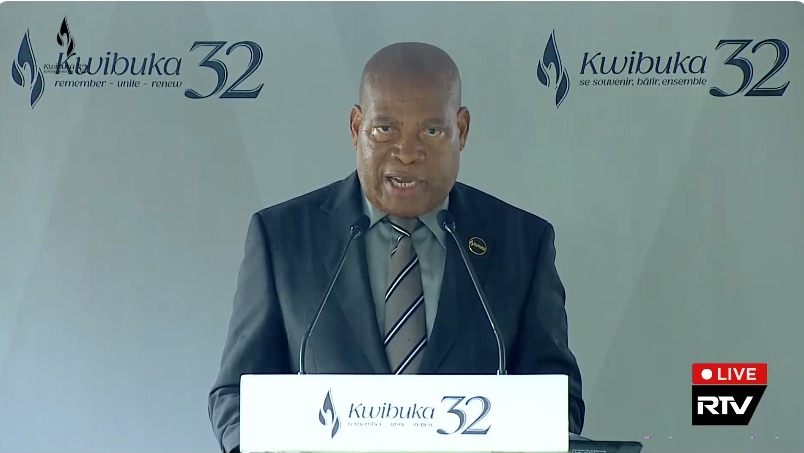
President of the Senate, François-Xavier Kalinda
Kalinda cited the 1991 Constitution, noting that despite its stated commitment to democracy and human rights, it remained rooted in divisive politics.
“It is clear that politicians planned, instilled, and implemented genocide and its ideology,” he said.
“Highlighting their role is essential—not only to affirm the reality of the genocide and how it was executed, but also to strengthen efforts to prevent its denial both within and beyond Rwanda.”
Kalinda commended the Rwandan forces that stopped the genocide and praised the country’s current leadership for rebuilding national unity and establishing inclusive governance.
He called on citizens to remain vigilant against genocide ideology, particularly threats linked to groups such as the FDLR operating in eastern Democratic Republic of the Congo.
“As leaders, we must remain committed to promoting unity and commemorating the 1994 Genocide against the Tutsi as a reminder of our responsibility to future generations,” Kalinda said.