



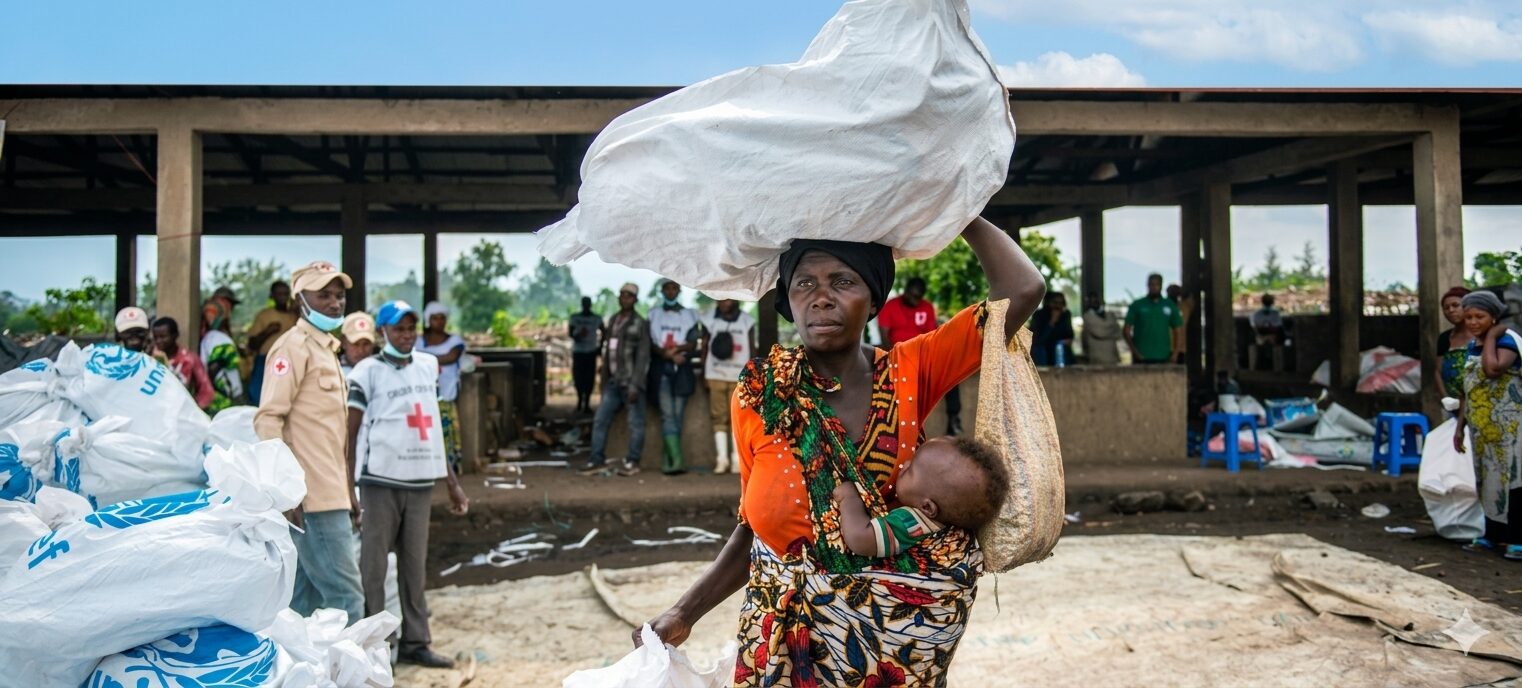
In eastern DRC, civilians—particularly from the Banyamulenge community—are often forced to flee.
In eastern Democratic Republic of Congo, survival has become a daily calculation of risk—where stepping just a few kilometres beyond one’s home can mean death.
It is a landscape where memory is still being written in real time, not as history, but as lived experience—one that speaks to the urgent question at the heart of “Never Again”: what happens when violence persists in plain sight, and civilians remain unprotected?
Adele Kibasumba paints a stark picture of life in Minembwe and surrounding areas, where civilians—particularly from the Banyamulenge community—are trapped between violence, hunger, and isolation.

Activist Adele Kibasumba expresses deep skepticism regarding the international community’s commitment to the ‘Never Again’ slogan, questioning whether the promise is being upheld in the face of current regional crises.
Through her work with the Mahoro Peace Association and broader advocacy, Kibasumba has turned documentation, storytelling, and memory into essential tools—not only for justice, but for prevention, and for ensuring that suffering is neither erased nor repeated.
“People cannot even go five kilometres to look for food. If they try, they risk being killed,” she says.
She recounts cases of women who left their homes in search of food for their children, only to be killed.
“Their bodies were mutilated. This is the reality people are living,” she says.
In such conditions, humanitarian access has become nearly impossible. Those meant to save lives are increasingly drawn into the danger themselves.
“Unarmed humanitarian workers and doctors travelling to provide care have been ambushed and killed in broad daylight,” she says.
Movement between key towns such as Minembwe and Uvira is heavily restricted, cutting off entire communities from food, medicine, and basic protection.
In Kibasumba’s account, isolation is not only geographic—it is existential.
Starvation as a Weapon
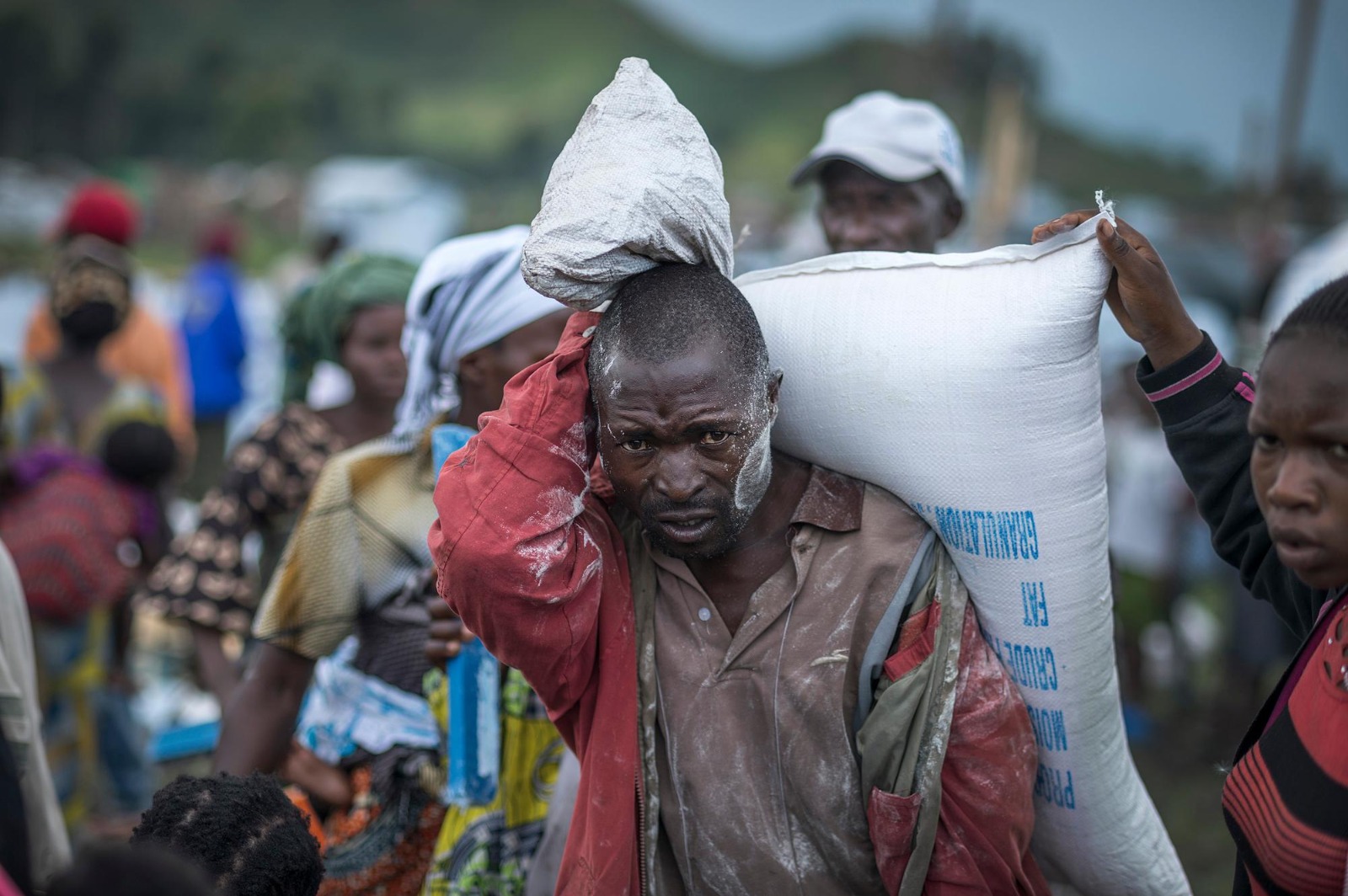
Adele Kibasumba warns that militias in Eastern DRC are employing a ‘starvation method’ against thousands of Banyamulenge civilians, cutting off vital supply routes and access to grazing lands.
She describes what she calls a deliberate strategy to deprive civilians of food, leaving populations effectively besieged—not only by armed violence, but by hunger itself.
“There are statements openly acknowledging that blocking food is a strategy. That is a war crime,” she says.
In conflict, she notes, the civilian population is meant to remain protected. Yet here, she argues, survival itself has been turned into a battleground.
“You can fight combatants. But you cannot starve civilians because of where they live,” she adds.
It is a reminder, she suggests, that the erosion of humanity often begins not only with bullets, but with the denial of life’s most basic necessities.
A Crisis in Plain Sight
Kibasumba points to the systematic dismantling of livelihoods that have sustained communities for generations.
Cattle, she explains, are central to the Banyamulenge way of life. Over time, large numbers have been looted or killed—sometimes, she alleges, through methods including drone strikes.
“Cattle represent the entire economy. It’s their wealth, their survival,” she says.
“If they cannot find you, they destroy your home. If that is gone, they destroy your livelihood.”
She describes this as a pattern that goes beyond destruction, pointing instead to a longer-term erosion of life itself.
“It’s not just about killing. It’s about making sure nothing remains.”
Yet even amid such accounts, Kibasumba insists the crisis is not hidden.
“These things are documented. They are known. What people need is protection, access to food, and the ability to live without fear,” she says.
It is, in her words, a question not of visibility, but of response.
When Even Humanitarians Are No Longer Safe
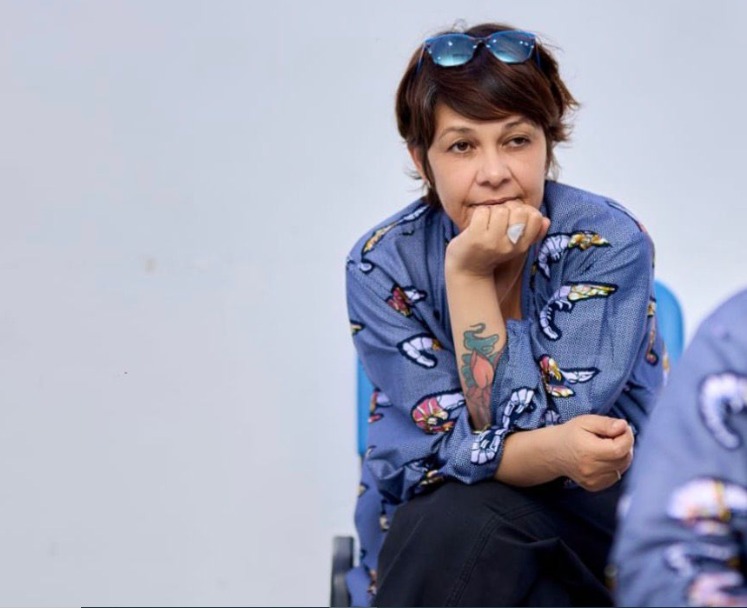
French national and UNICEF worker Karine Buisset was recently killed in a drone attack in eastern DRC.
The violence she describes is no longer confined to civilians. Increasingly, it extends to those attempting to respond to the crisis itself.
Recently, a French aid worker, Karine Buisset, was reported among three people killed in a strike that hit a residential building used by humanitarian staff near the Lake Kivu region.
UNICEF described Buisset as “a dedicated humanitarian who worked tirelessly to support children and families affected by conflict and crisis,” underscoring the growing risks faced by those who operate on the frontlines of relief.
For communities in eastern DR Congo, the implications are profound. When humanitarian workers are no longer safe, the fragile lifelines of food, medicine, and protection begin to collapse.
What remains is a tightening circle of insecurity—one that affects not only those caught in violence, but also those trying to prevent its worst consequences.