



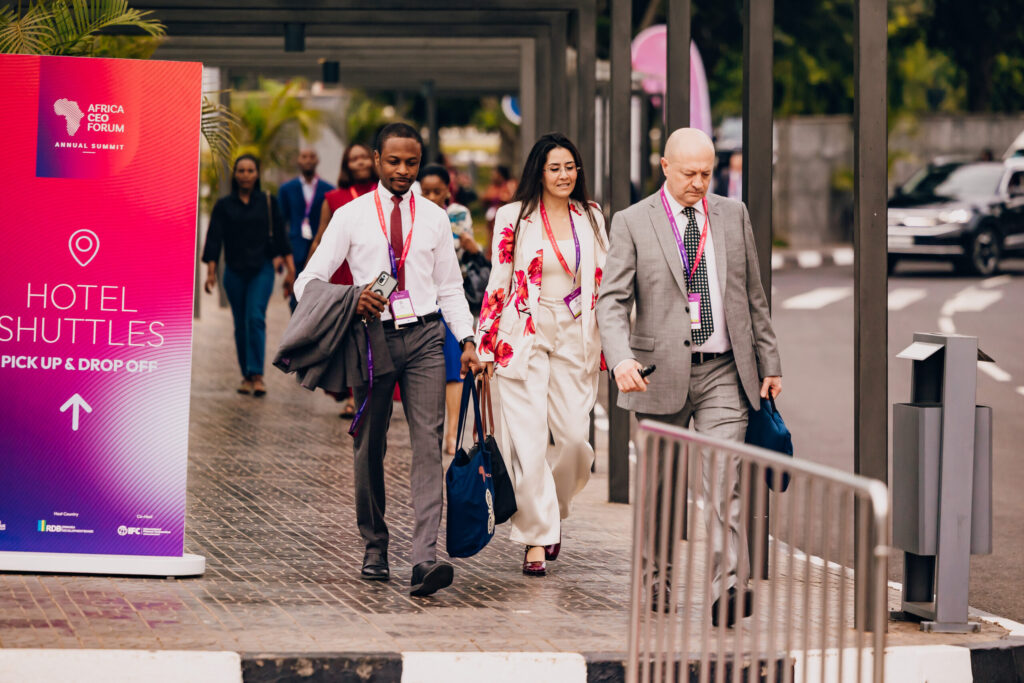
Guests arrive for the Africa CEO Forum 2026 in Kigali.
KIGALI — The Africa CEO Forum (ACF) 2026 in Kigali marked a decisive moment in the evolution of the continent’s most influential business gathering. What began in 2012 as a high-level meeting between African executives and policymakers has matured into a powerful continental engine for deal-making and policy-shaping, co-hosted by Jeune Afrique Media Group and the International Finance Corporation (IFC).
Increasingly attended by heads of state, sovereign investors, and global corporations, the 2026 edition convened more than 2,800 leaders from 77 countries under the urgent theme, “Scale or Fail: Why Africa Must Embrace Shared Ownership.” Throughout the summit, a structural shift emerged in real time—moving away from traditional corporate isolation toward shared ownership, regional integration, and cross-border scale.
Rather than functioning as a conventional summit, ACF 2026 operated as a live negotiation space for Africa’s economic future, reinforcing that the continent’s ultimate competitiveness is no longer constrained by a lack of ideas, but by the fragmentation of its markets, regulations, and capital.
To understand how this shift is playing out across industries, we picked Seven Moments Where Africa’s Next Growth Model Was Redefined during the forum.
1. Africa’s Digital Sovereignty Test
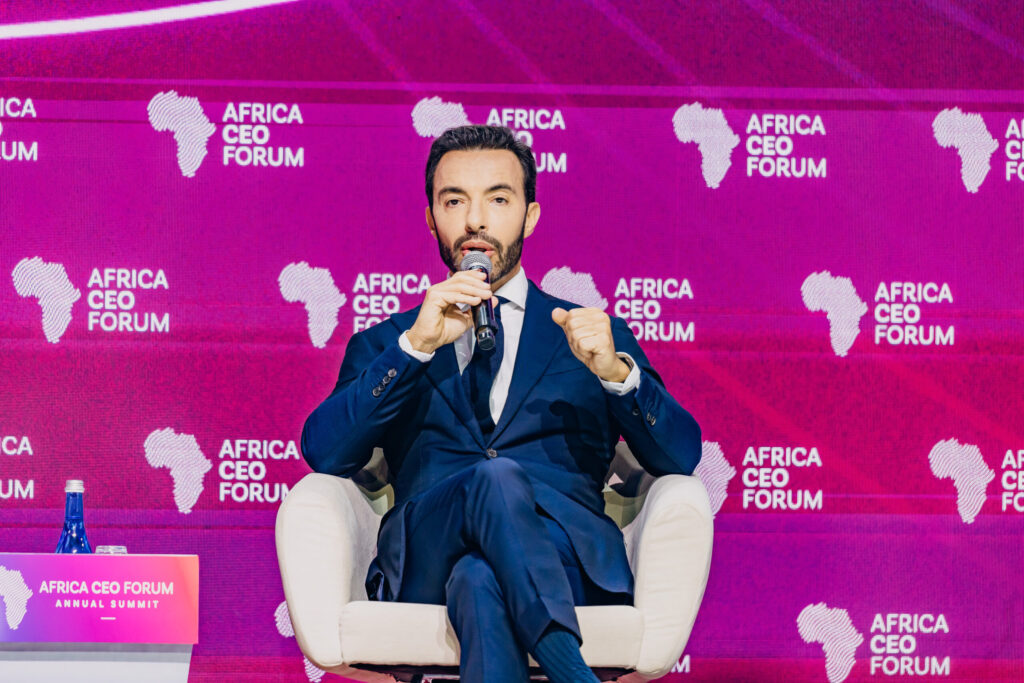
ACF Chairman Amir Ben Yahmed said the technology is welcome, but it must compete under clear, fair, and predictable rules.
One of the most consequential discussions at ACF 2026 centered on Africa’s digital sovereignty, triggered by a joint report from the Africa CEO Forum and Askya Investment Partners on the rise of Low Earth Orbit (LEO) satellite internet systems.
The report warned that while satellite providers promise rapid rural access, they are entering African markets under much lighter regulatory and fiscal obligations than traditional telecom operators. This dynamic creates a structural imbalance in licensing, taxation, and long-term value capture.
A key finding from the study reveals that nearly 60% of Africans already live within network coverage areas but remain offline due to affordability barriers rather than infrastructure gaps. This critical distinction shifts the policy focus squarely from expansion to inclusion.
The Forum emphasized that without coordinated regional frameworks on spectrum allocation, licensing, and data governance, Africa risks importing digital infrastructure without retaining economic sovereignty.
“The technology is welcome, but it must compete under clear, fair, and predictable rules,” noted Forum Chairman Amir Ben Yahmed. “Shared ownership is about helping African companies and infrastructure projects reach the right scale by going at it together.”
The true significance of this moment lies in its long-term implications: it will determine whether the continent becomes an active rule-maker or merely a passive consumer in the next wave of global connectivity infrastructure.
2. Insurance as Economic Infrastructure
Another major structural shift at ACF 2026 came with the release of a white paper by Africa Re, which reframed insurance as essential economic infrastructure rather than a financial niche. The report highlighted a widening divergence between Africa and emerging Asian markets.
In the early 2000s, Africa and Asia shared similar GDP per capita levels. Since then, Asia has nearly tripled its income, heavily supported by robust insurance penetration. Africa, by contrast, has seen its non-life insurance density decline to around 0.8% of GDP, compared to Asia’s rise to 1.7%.
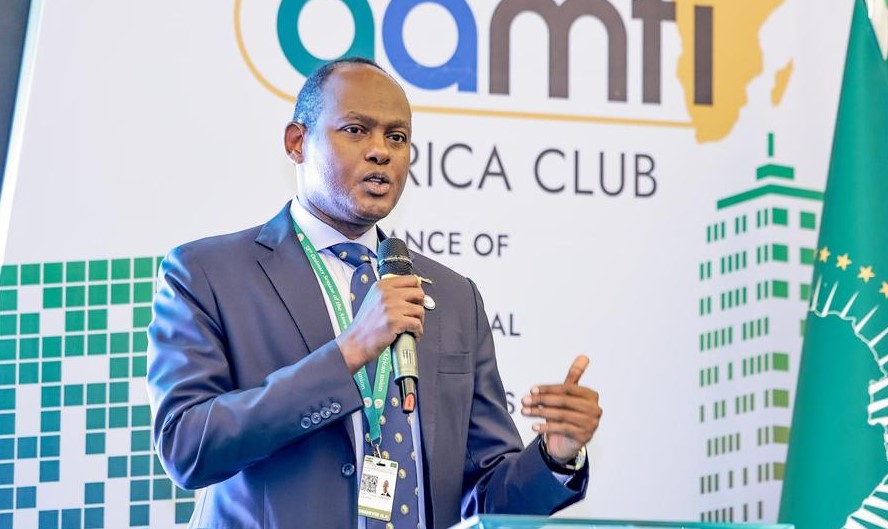
Dr. Corneille Karekezi, the Chief Executive Officer of Africa Re, said the structural issue as not lack neither talent nor ambition but as lack of a structured risk management framework.
The most urgent concern is the disaster protection gap. Currently, only 6% to 7% of catastrophe losses in Africa are insured, meaning over 90% of the economic costs are absorbed directly by governments and households. This vulnerability converts climate and natural shocks into immediate fiscal crises, forcing emergency borrowing and destabilizing national budgets.
The Forum stressed that countries with stronger insurance systems recover faster and experience less severe economic downturns. Case studies from Kenya, Morocco, and Nigeria demonstrated that structured insurance frameworks can scale effectively when embedded in public policy and backed by deep reinsurance capacity.
In countries like South Africa, Namibia, Mauritius, and Morocco, insurance company assets exceed 35% of GDP, reflecting deep domestic markets capable of channeling long-term capital into national development.
Dr. Corneille Karekezi, Chief Executive Officer of Africa Re, summarized the issue not as a lack of talent or ambition, but as a lack of a structured risk management framework.
“The implication is direct: without insurance depth, Africa’s infrastructure gap, estimated at up to $90 billion annually, remains structurally difficult to close,” Karekezi stated.
3. Spiro’s Link from Green Transition to Economic Inclusion
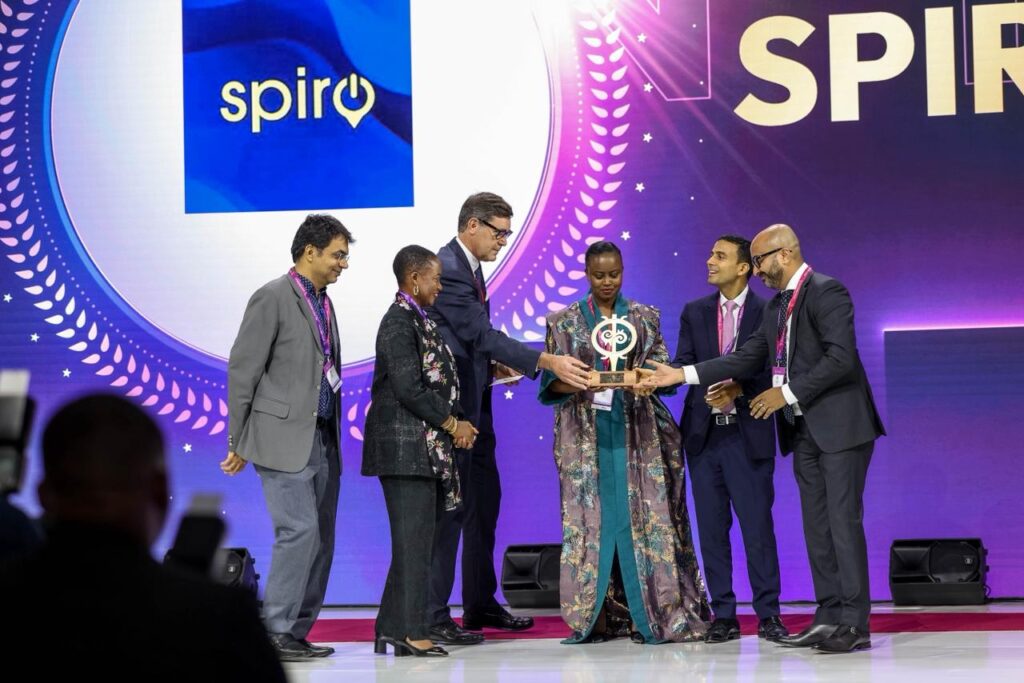
Spiro was recognized for its existing footprint of over 95,000 electric motorcycles and 2,500 battery-swapping stations across seven countries.
A standout moment at ACF 2026 was the signing of a Memorandum of Understanding (MoU) between Spiro and Entrepreneurial Solutions Partners (ESP) to launch the Women in E-Mobility initiative.
The agreement is significant not just for what it introduces, but for how it is structurally designed. Spiro will provide the electric motorcycles, battery-swapping infrastructure, and specialized financing systems, while ESP will deliver the critical business training, entrepreneurship development, and implementation support.
The program begins in Rwanda with a clear view toward regional replication, intentionally aligning industrial scaling with labor market inclusion. Spiro’s existing footprint provides a robust infrastructure base for the initiative, boasting an active operational footprint across seven countries that includes over 95,000 deployed electric motorcycles and 2,500 active battery-swapping stations.
The true innovation of this model is that social inclusion is embedded directly into industrial expansion. Instead of treating gender equity as a parallel corporate social responsibility (CSR) agenda, the program integrates women directly into the core value chain of mobility, logistics, and last-mile delivery.
As ESP Co-Founder Eric Kacou described it, the objective is to build “a more inclusive mobility ecosystem by creating concrete economic opportunities for women in a rapidly growing sector.” The agreement signals a broader shift across the continent toward using inclusive industrial policy as a catalyst for Africa’s green transition.
4. Visa Flags Trust Gap as Hidden Barrier to Women’s Digital Financial Inclusion
Digital payments giant Visa placed the issue of “trust” squarely at the center of Africa’s financial inclusion debate. Operating as one of the world’s largest digital payment networks across more than 200 countries, Visa used its global platform to release a vital new white paper examining why many women-led small and micro businesses remain excluded from the deeper benefits of digital finance.
The report, developed under the Digital Finance for All initiative in partnership with the GSMA Mobile for Development Foundation, focused on how privacy and security perceptions actively shape the financial behavior of women entrepreneurs.
Based on extensive research from Kenya and the broader CEMEA region, the findings exposed a persistent trust deficit where only 11% of users fully understand how their personal data is used, while 85% of users express deep concerns about unauthorized data access.
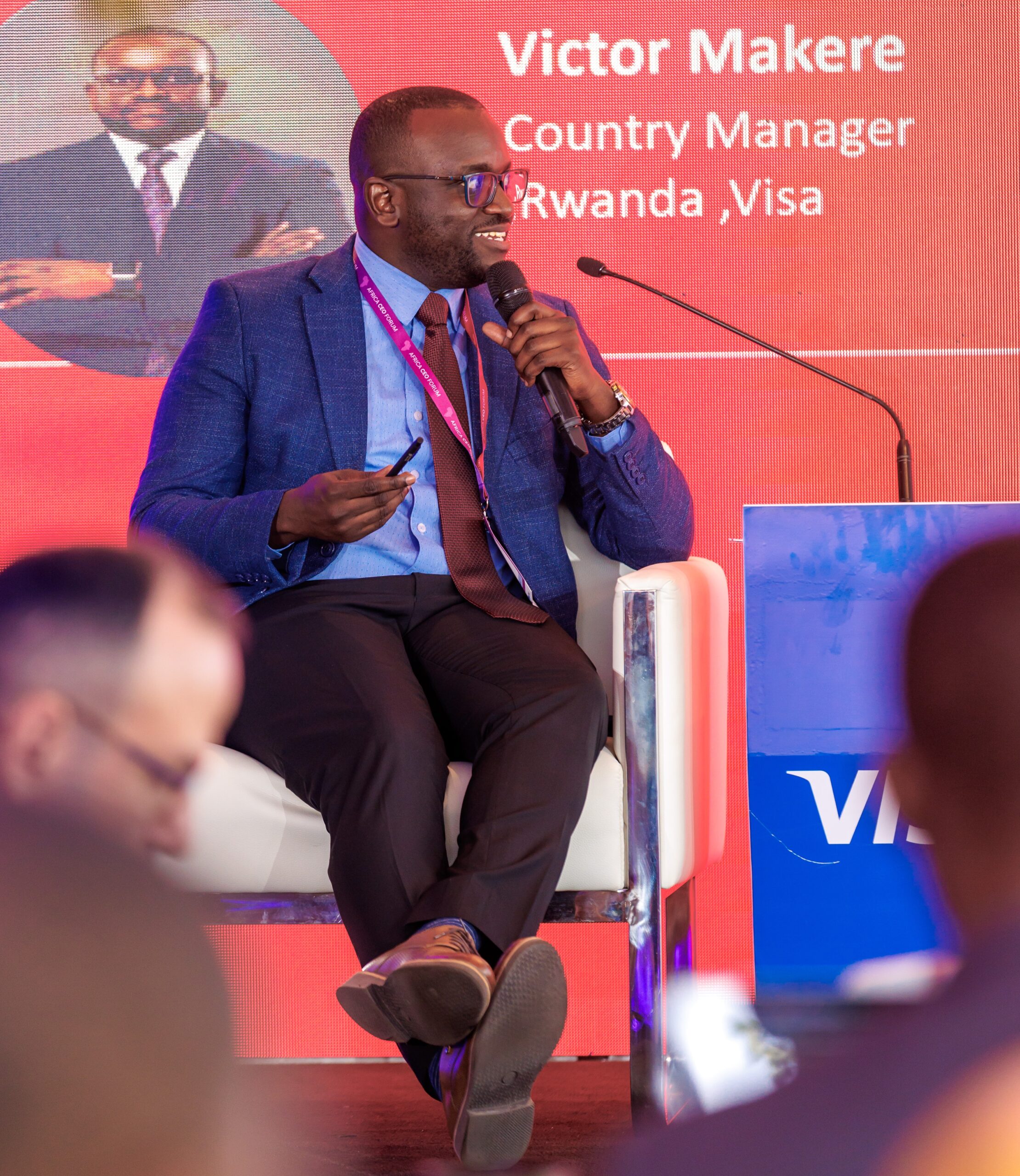
Victor Makere, Country Manager for Rwanda, Tanzania Uganda and Burundi, Visa speaking during a side event at the ACF 2026.
This disconnect is not merely a technical glitch; it directly limits how women engage with financial ecosystems. The study shows that while mobile money and digital payments are widely utilized for basic peer-to-peer transfers, deep-seated mistrust prevents many women entrepreneurs from advancing to higher-value services such as formal credit, savings, and strategic business financing tools.
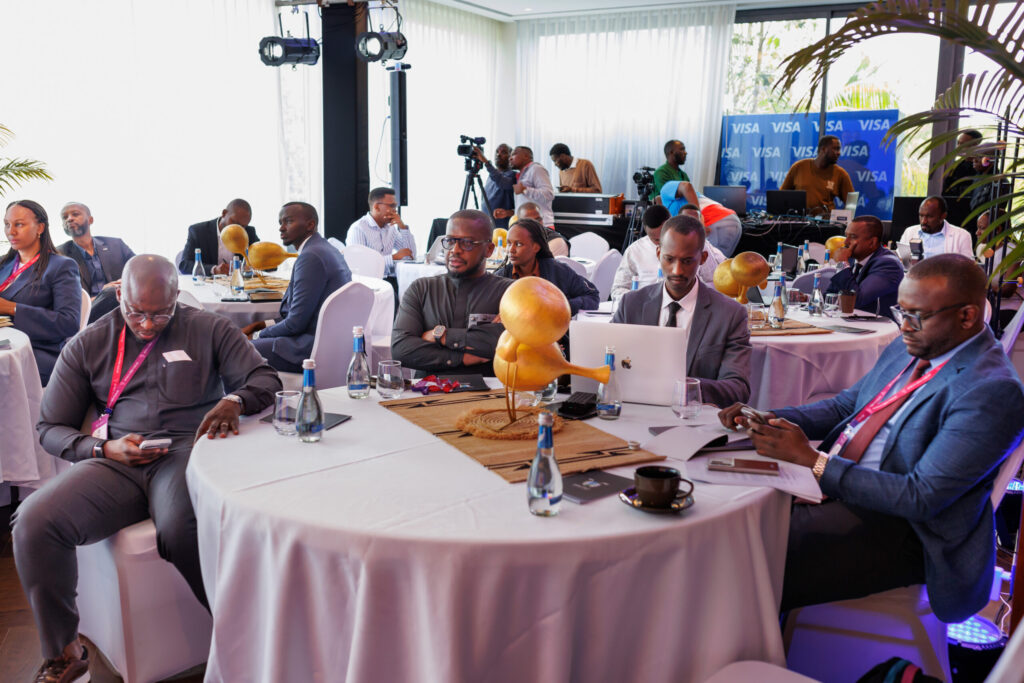
Participants during the launch of the digital finance for all initiative by VISA in partnership with the GSMA Mobile for Development Foundation,
A key behavioral insight from the report is that 79% of users continue using digital financial services only when data practices are clearly and transparently communicated, making upfront transparency a decisive factor in customer retention.
This means that financial inclusion is no longer just a matter of providing access to digital tools, but about building confidence in how those tools operate. Visa called for “privacy by design” systems, stronger user control, clearer communication of data usage, and gender-sensitive dispute resolution mechanisms to bridge this gap.
“Trust is foundational to the digital economy,” said Victor Makere, Country Manager for Rwanda at Visa. “We are supporting evidence-based, practical guidance that helps providers build transparent, user-centered experiences.”
5. Sports Infrastructure as Africa’s Next Investment Frontier
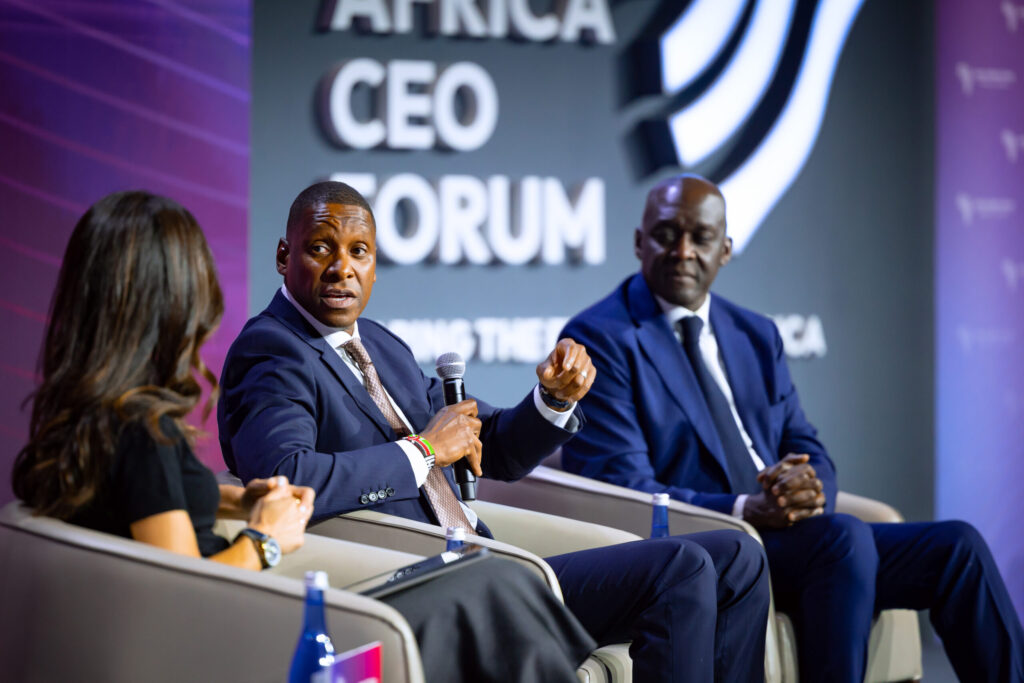
Masai Ujiri (C), co-founder of Zaria Group, stressed the urgency of closing Africa’s infrastructure gap in the creative economy.
The International Finance Corporation (IFC) and Zaria Group announced a strategic partnership aimed at transforming Africa’s sports and entertainment sector into a structured investment asset class capable of driving jobs, urban renewal, and private capital inflows. The agreement places sports infrastructure at the center of Africa’s expanding creative economy, positioning it as a new frontier for large-scale development financing.
The partnership will focus on developing and operating integrated sports and entertainment districts in major African cities, beginning with Kigali and Nairobi, before expanding to additional urban centers. It builds on Zaria Group’s existing operational footprint, which includes management of key facilities such as BK Arena, Amahoro Stadium, and Zaria Court in Kigali, as well as its long-term lease agreement with Kenya Railways Corporation to develop the Nairobi Arena.
In Nairobi alone, the project is projected to generate around 3,500 construction jobs, 1,500 permanent positions, and approximately 25,000 event-related employment opportunities once operational. These figures reflect a broader shift in perception, where sports and entertainment are no longer viewed as informal cultural activities but as structured industries capable of delivering measurable economic returns.
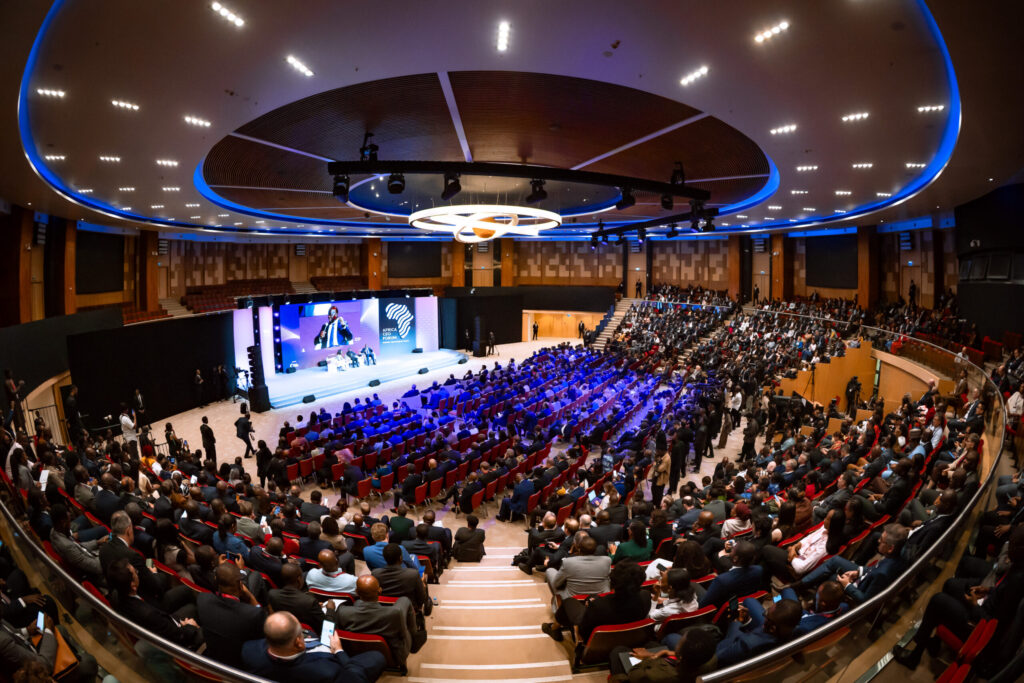
Thousands of participants attended the The Africa CEO Forum 2026 in Kigali.
“Africa’s creative industries are emerging as major engines of jobs, skills, and inclusion. Sports and entertainment already employ millions globally and represent one of the most accessible entry points into the formal economy for young people and women,” IFC Managing Director Makhtar Diop said.
Under the agreement, IFC will support financing mobilization, advisory services, and upstream project development to attract private capital into the sector. The goal is to establish a sustainable pipeline of bankable sports infrastructure projects across Africa.
Masai Ujiri, co-founder of Zaria Group, stressed the urgency of closing Africa’s infrastructure gap in the creative economy, noting that while the sports and entertainment economy in Africa is booming, the continent fundamentally needs the infrastructure to match.
6. Yango and Rwanda’s Regulatory Experiment in Platform Mobility

At ACF 2026, Yango Group signed a Memorandum of Understanding between with the Rwanda Development Board.
Another key moment at ACF 2026 was the signing of a Memorandum of Understanding between Yango Group and the Rwanda Development Board to explore digital mobility opportunities.
Unlike typical market entry announcements, this agreement establishes a regulatory and policy framework for dialogue around ride-hailing, logistics, and platform-based mobility systems.
Rwanda is positioned as a controlled test environment for digital mobility innovation, where regulatory alignment precedes operational rollout. The MoU covers investment facilitation, ecosystem mapping, and compliance pathways.
The shift in how global platforms engage African markets—through structured negotiation with governments rather than direct market disruption—reflects that Africa is increasingly shaping the terms of platform economy entry, rather than just passively receiving them.
7. Africa CEO Awards: Measuring the Scale of African Corporate Transformation
The Africa CEO Awards at ACF 2026 provided a definitive snapshot of Africa’s rising corporate scale. Six winners were recognized across sectors including technology, banking, manufacturing, and mobility.
Companies such as Cassava Technologies, Ecobank, East African Holding, and Cauridor demonstrated expanding cross-border footprints. Ecobank alone reported a remarkable 48% female workforce participation rate alongside $780 million in specialized financing for women-led enterprises, while fintech pioneer Cauridor surpassed $1 billion in annual transaction volumes.

Six winners were recognized across sectors including technology, banking, manufacturing, and mobility.
With these milestones, the forum demonstrated that Africa’s primary economic challenge is no longer about raw ambition, but about coordination at scale. Across digital infrastructure, insurance, mobility, and finance, leaders consistently emphasized that fragmentation remains the primary barrier to continental competitiveness.
What makes the Africa CEO Forum increasingly significant is its steady evolution into an informal architecture-setting platform where deals, frameworks, and policy directions converge in real time. The 2026 Kigali edition reinforced this structural shift, positioning the forum not merely as a corporate meeting point, but as the engine room where Africa’s shared economic operating system is actively being built.
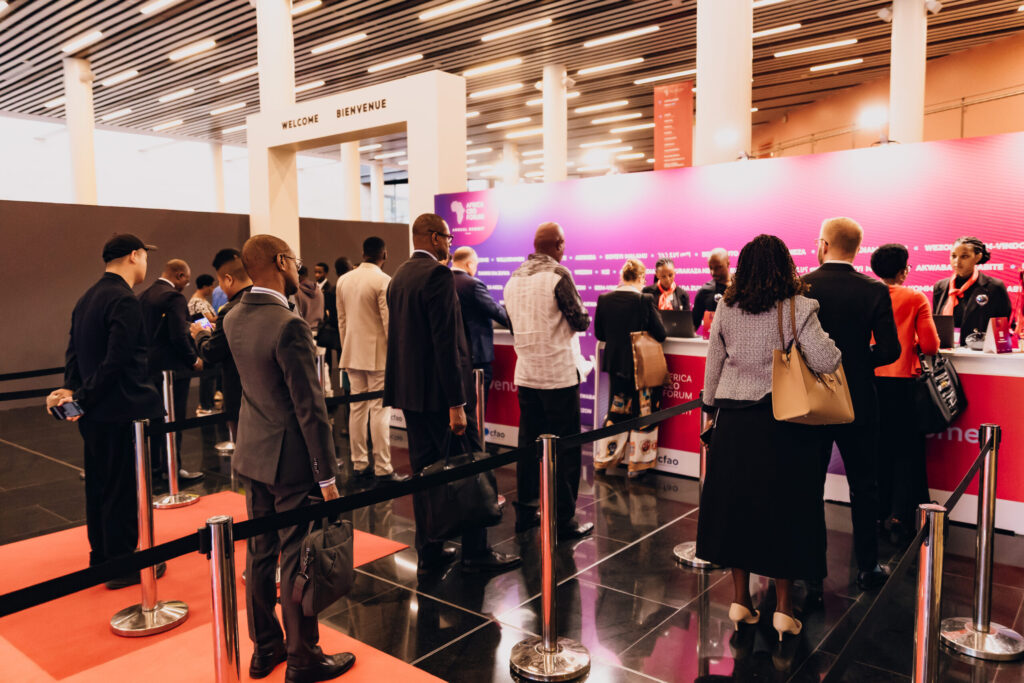
Participants check in at the ACF 2026 edition in Kigali.