KIGALI – As Africa increasingly turns to artificial intelligence, data and technology to tackle challenges such as climate change, food insecurity and public health, a new group of young scientists is preparing to play a key role.
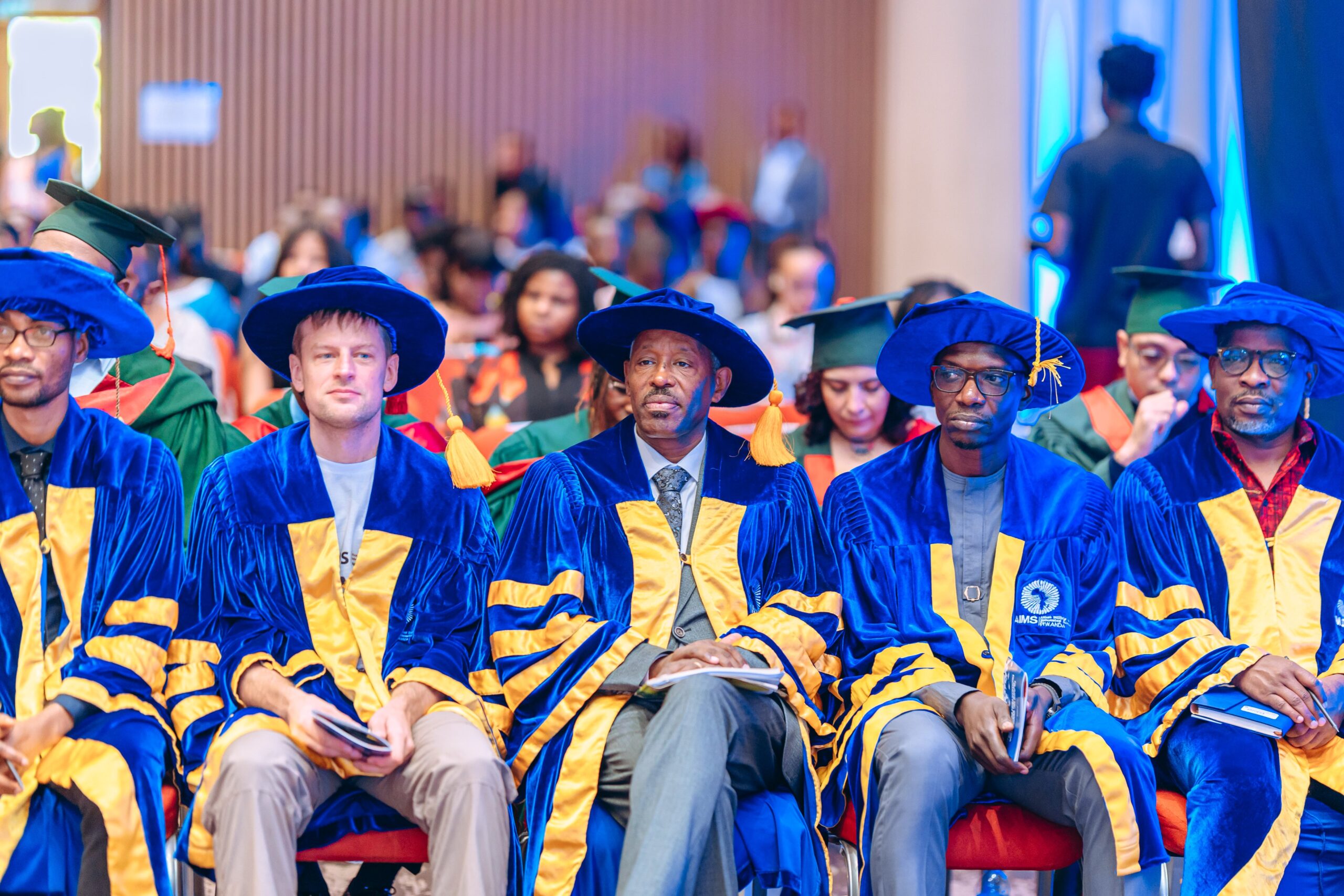
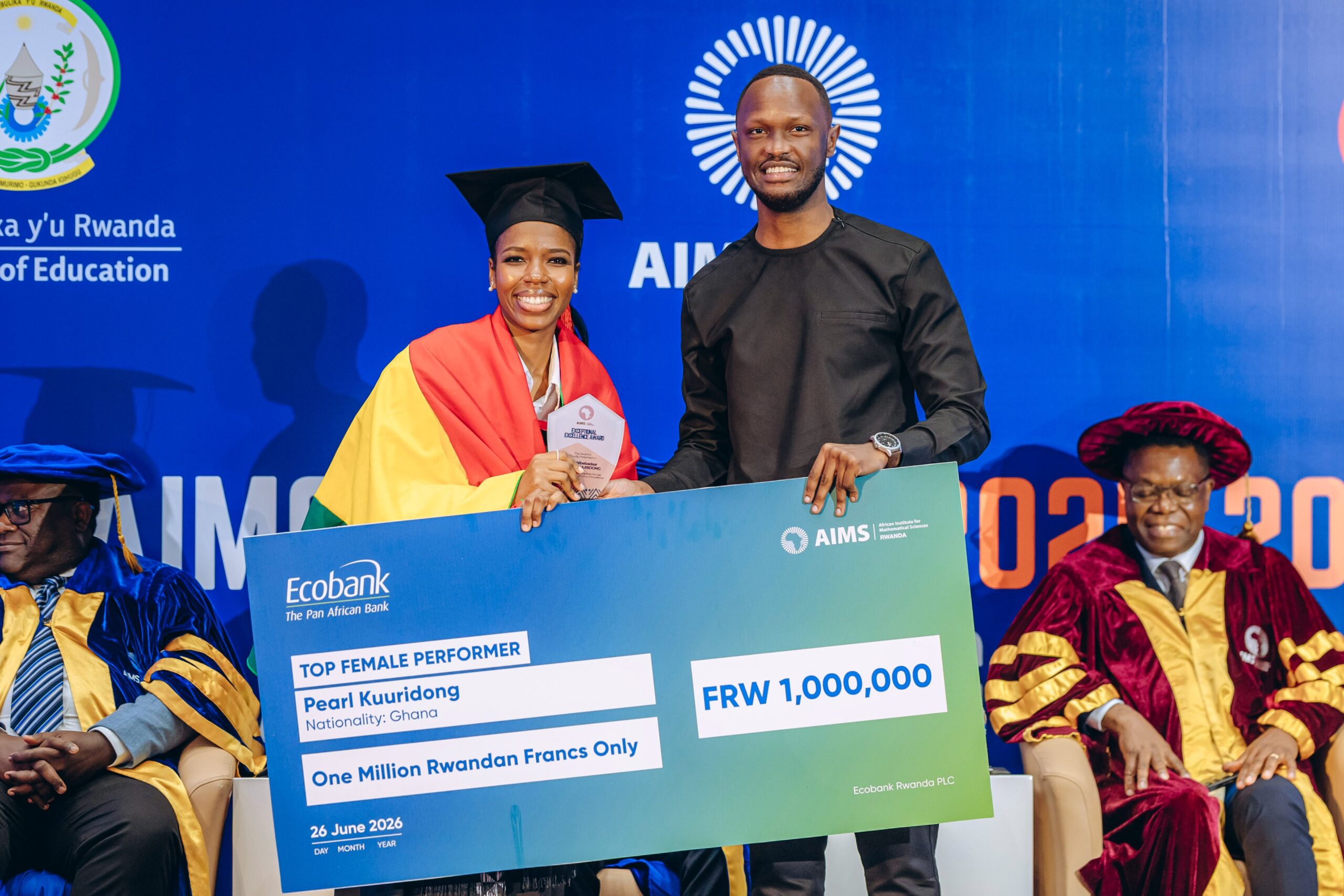
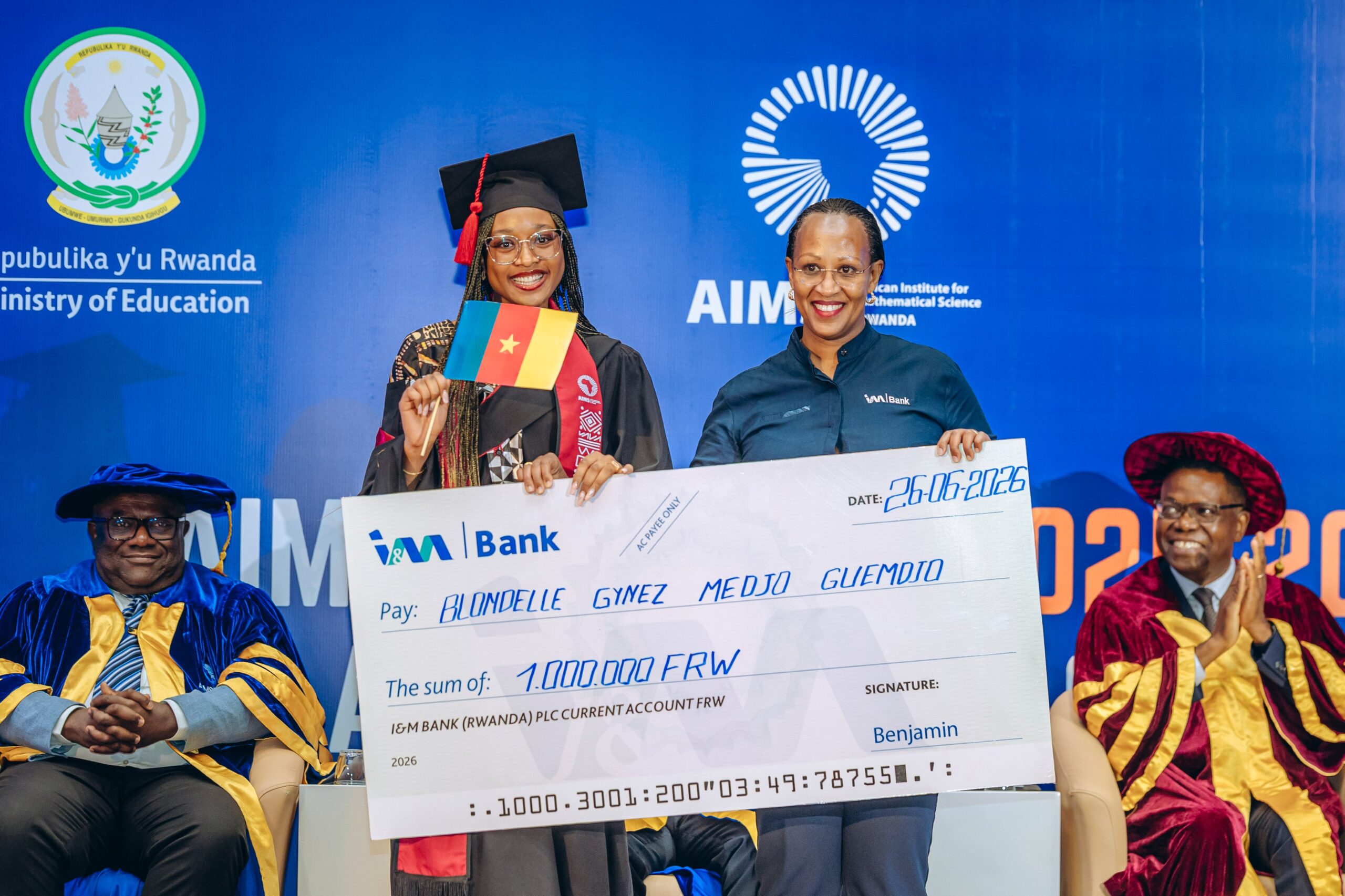
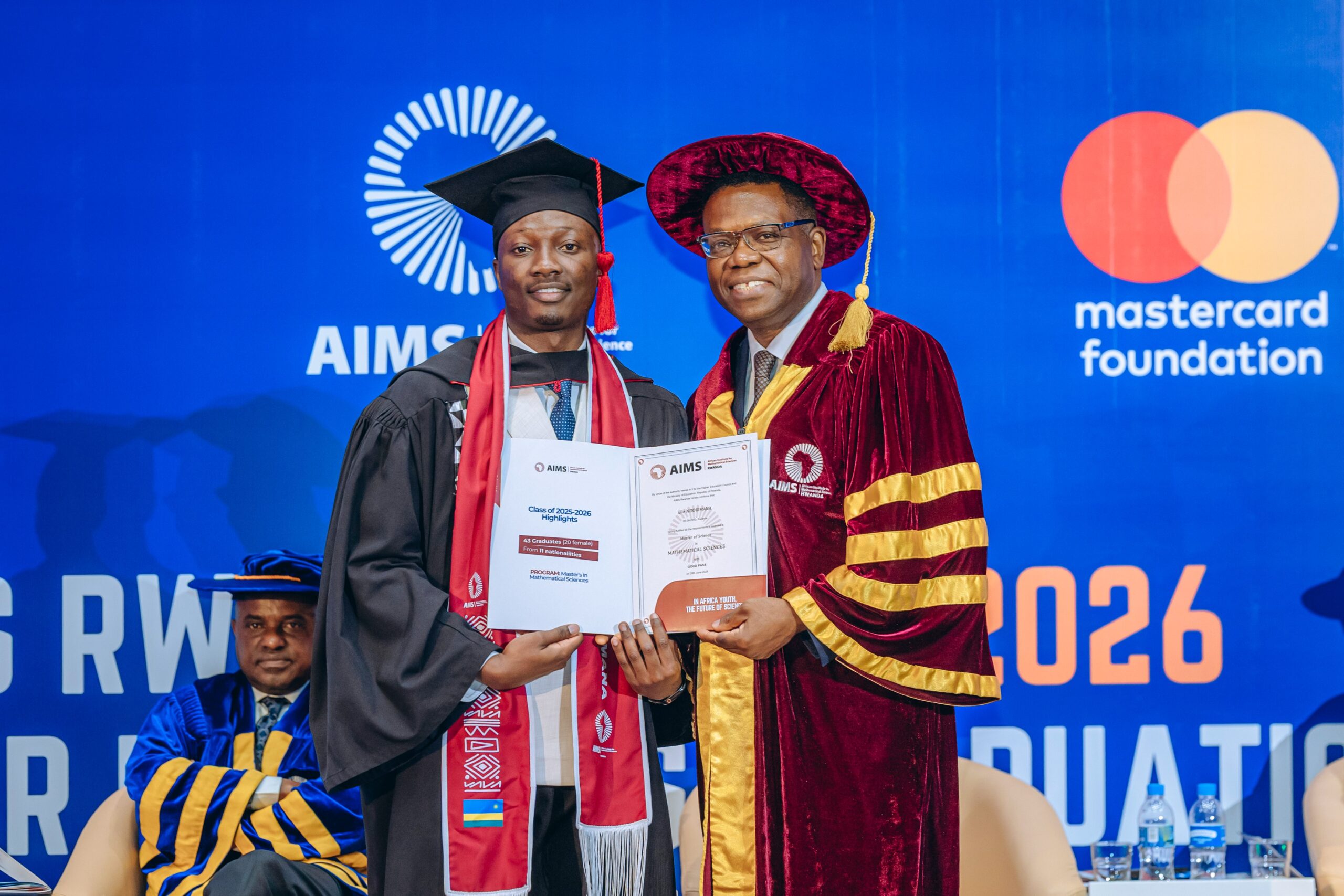
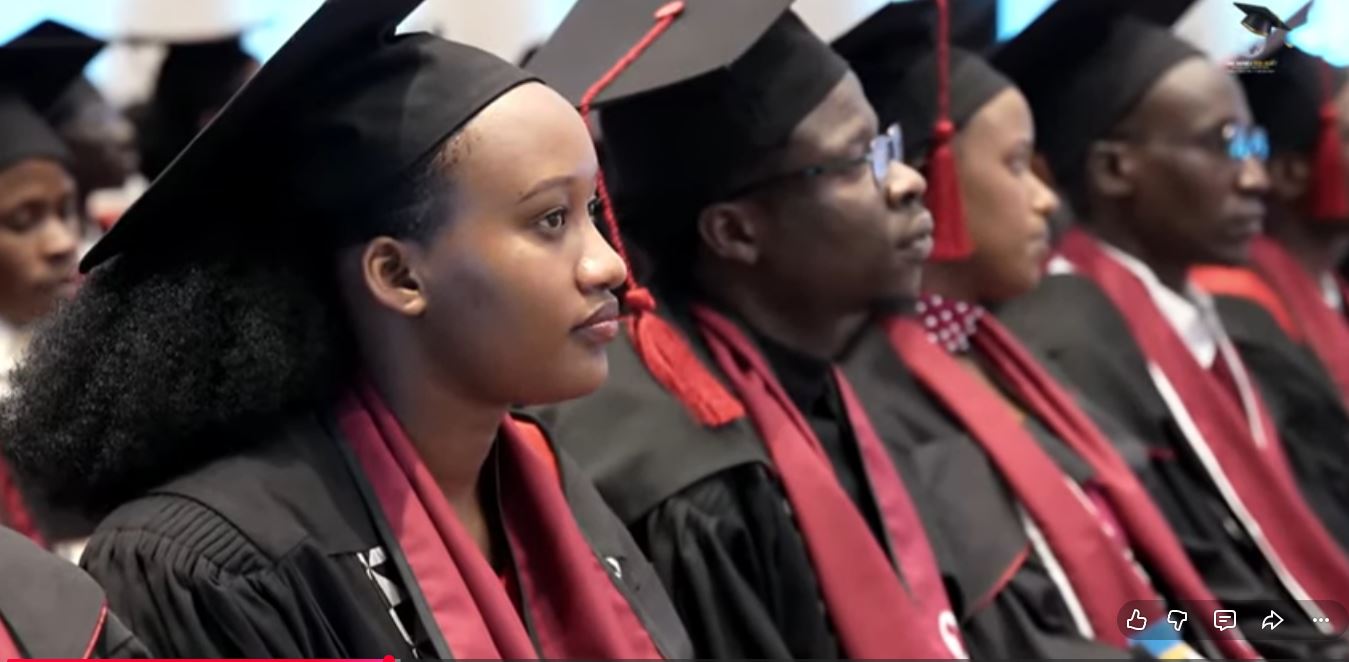
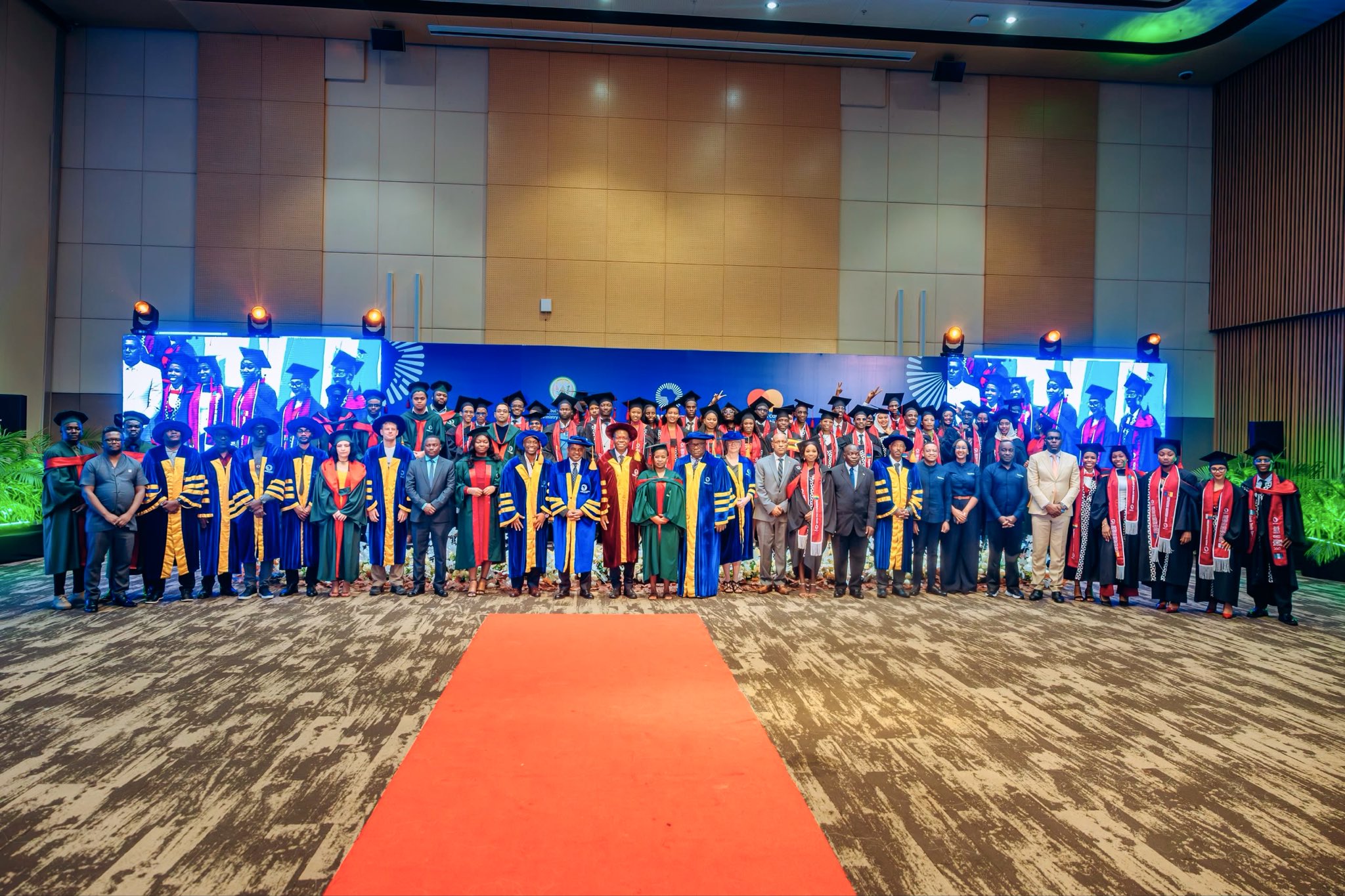
On Friday, the African Institute for Mathematical Sciences (AIMS) Rwanda graduated 43 students with Master of Science degrees in Mathematical Sciences. They join a growing network of African experts expected to help develop practical solutions to some of the continent’s biggest challenges.
The graduates, from 11 African countries, received advanced training in mathematics, artificial intelligence, data science, scientific computing and computer modelling—skills that are becoming increasingly important as governments and businesses rely more on technology and data.
The class includes 19 women, and 16 are Rwandans.
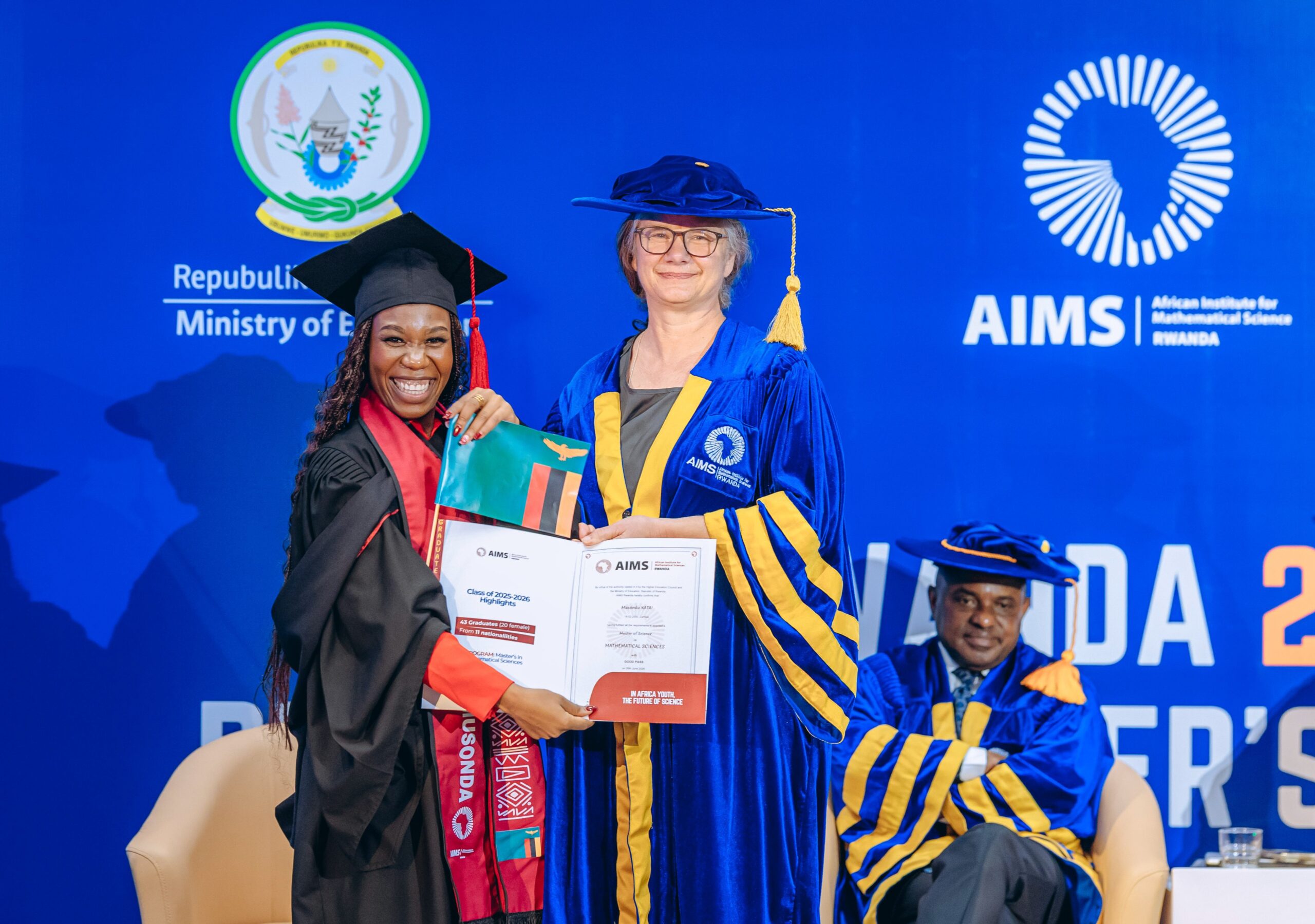
AIMS senior faculty said at least half of the graduates had already secured jobs or work placements before completing their studies, reflecting the growing demand for experts in these fields.
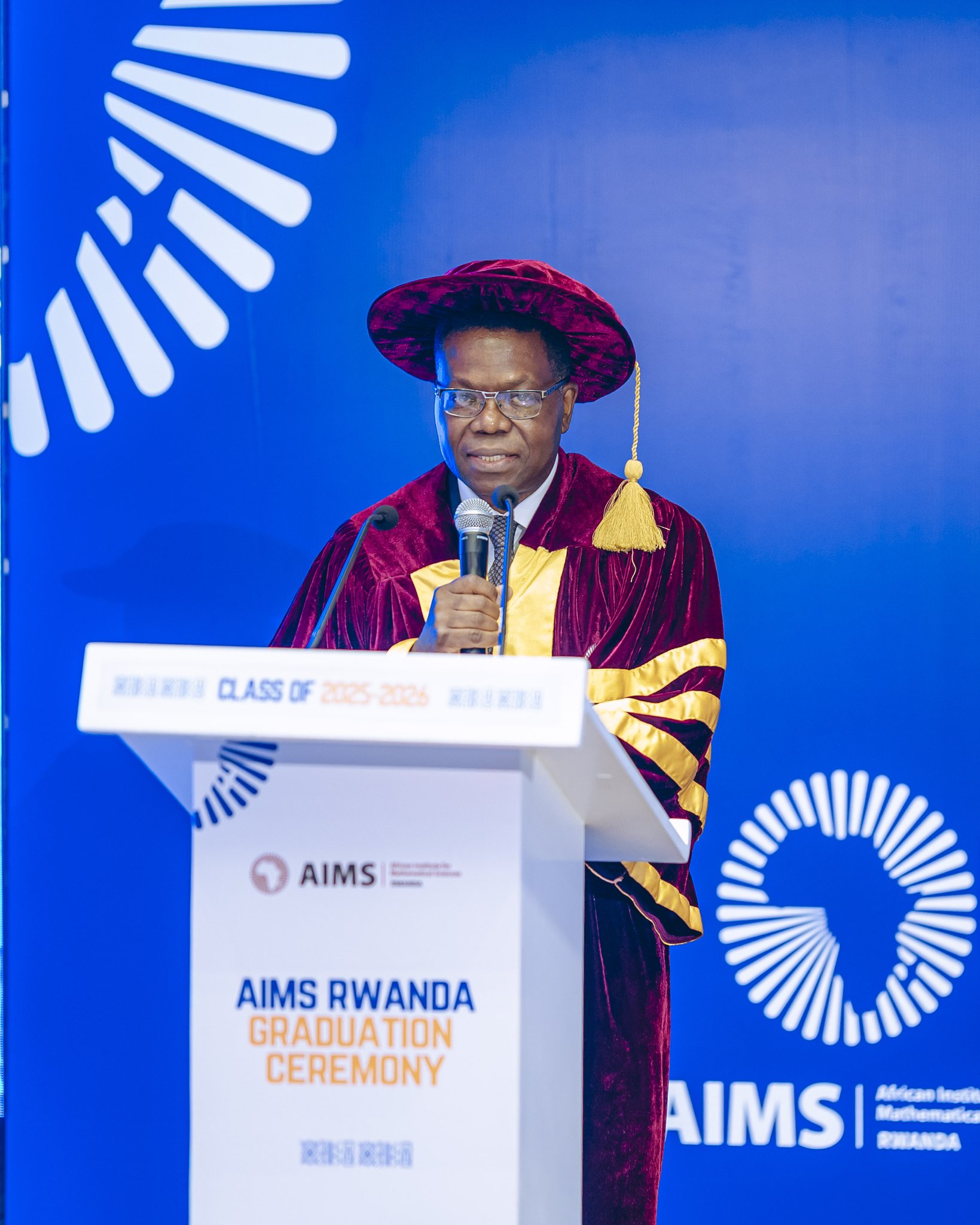
Speaking during the graduation ceremony in Kigali, AIMS Global Network President and AIMS Rwanda Centre President, Prof. Sam Yala, said the graduates are prepared to contribute to Africa’s future.
“This is more than a graduation. It is a celebration of discipline, resilience and young African talent ready to contribute to the continent and the world,” he said.
Yala said the high employment rate among graduates shows that employers have confidence in the quality of training offered by AIMS.
As Africa embraces digital technologies, experts say mathematics is becoming increasingly important in sectors such as healthcare, agriculture, finance, cybersecurity and scientific research.
The graduates are expected to help develop artificial intelligence, improve weather and climate forecasting, strengthen disease surveillance, support smart farming, build financial technologies and contribute to scientific innovation.
For Africa, which is among the regions most affected by climate change, these skills are also expected to help governments better predict droughts and floods, improve crop production and prepare for natural disasters.
Mastercard Foundation Rwanda Country Director Ivan Ntwali said AIMS has grown beyond being a university.
“It is a platform that is developing Africa’s scientists, innovators, problem-solvers and future leaders,” he said.
He encouraged the graduates to use their education to create opportunities for others.
“The future of Africa is not written for young Africans; it is written by young Africans. The question is not whether you will make a difference, but what difference you will choose to make,” he said.
Speaking on behalf of the graduates, Lucas Mirija Razafimanantsoa urged his classmates to embrace uncertainty and use their knowledge to make a positive impact.
“We are at the beginning of a new journey. We may not know exactly where it will lead, but we should embrace the possibilities ahead of us,” he said.
Keynote speaker Prof. Jodi Mead of Boise State University encouraged graduates to continue learning throughout their careers and to use mathematics to solve real-life problems.
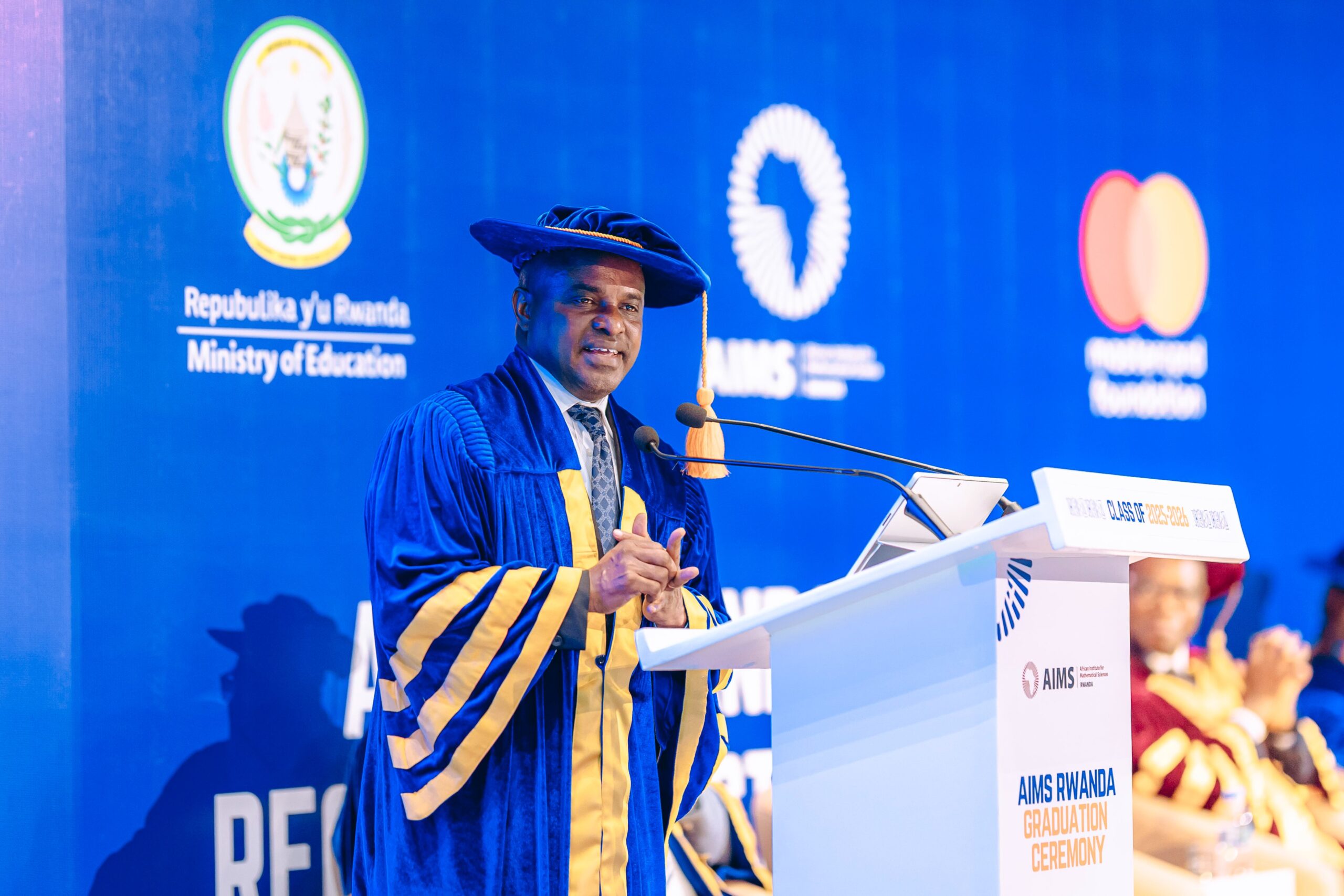
Representing the Government of Rwanda, Pascal Gatabazi, Chief Technical Advisor at the Ministry of Education, described mathematics as one of the foundations of the Fourth Industrial Revolution.
“In today’s data-driven world, countries that invest in institutions like AIMS have a competitive advantage,” he said.
He also welcomed the growing number of women graduating in science, saying it demonstrates that mathematics is a field open to everyone.
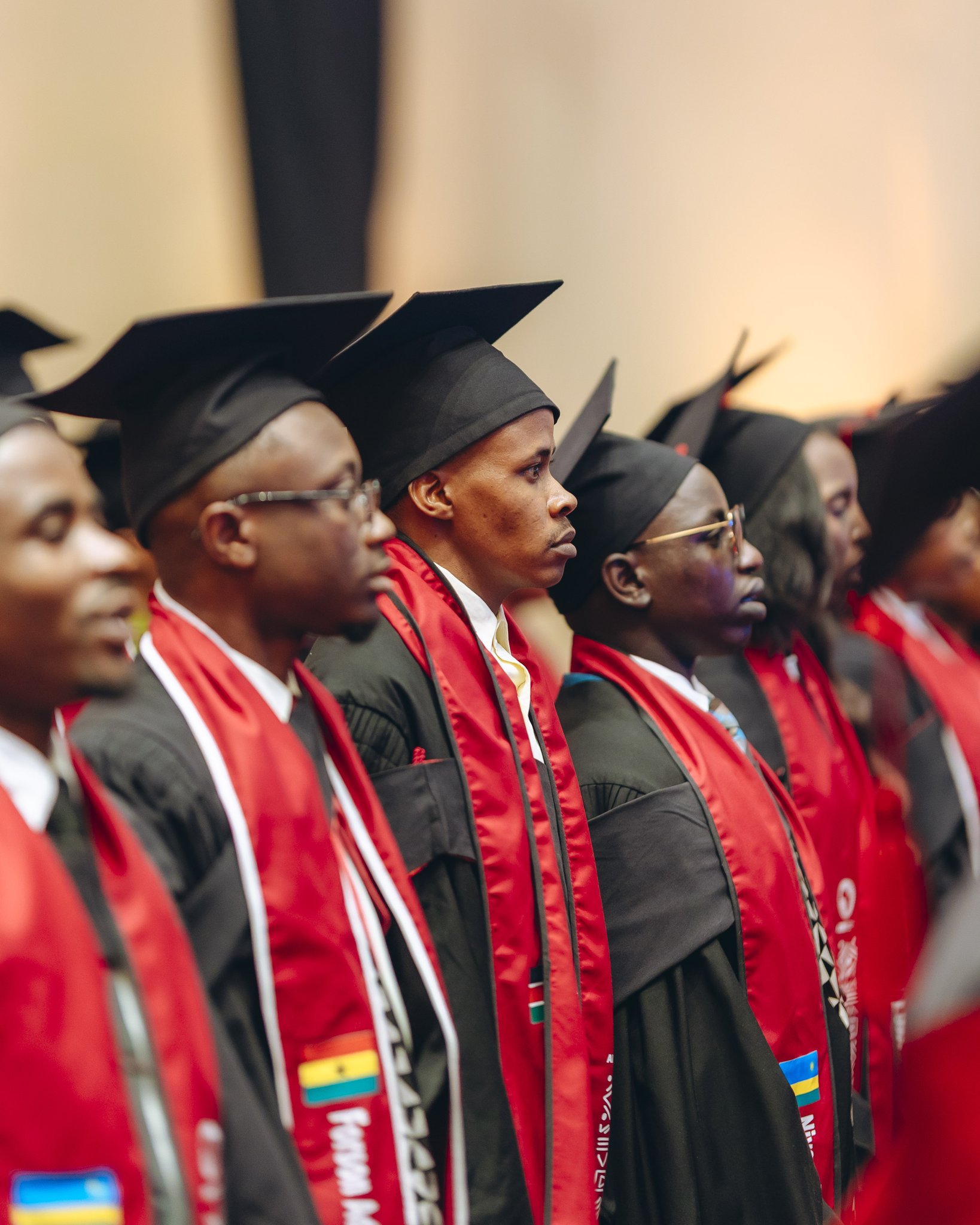
Founded in Rwanda in 2016 with government support, AIMS Rwanda has graduated more than 545 students, with women making up 38 percent of its alumni.
As one of the AIMS Global Network’s Centres of Excellence, the institution is helping build the skilled workforce needed to support Rwanda’s ambition of becoming a knowledge-based economy while contributing to Africa’s scientific and technological development.