


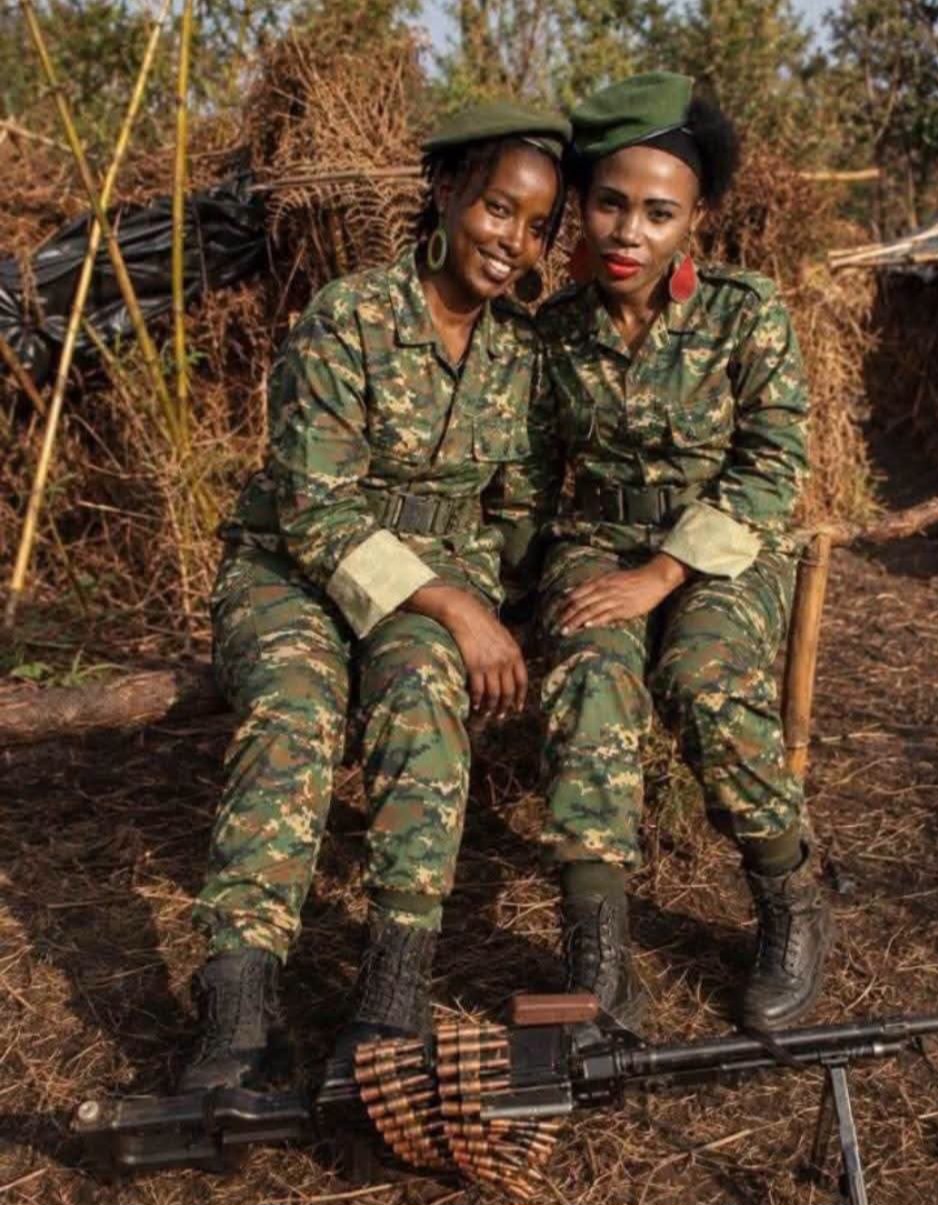
In the past two weeks, these two women have been trending on social media. They’re Burundian diaspora from Canada who surfaced with videos of their purported presence in the South Kivu mountains with RED-Tabara rebels.
For years, Burundi’s leadership has found political convenience in presenting Rwanda as the source of its security challenges.
President Évariste Ndayishimiye’s repeated focus on Kigali follows a familiar pattern: when a government struggles with economic decline, internal divisions, and questions over accountability, external enemies become useful political distractions.
The controversy surrounding RED-Tabara is a case in point. The armed group is not a Rwandan creation, but a Burundian movement that emerged from Burundi’s own political crisis.
Its roots are tied to the repression, shrinking civic space, and violent political tensions that followed the 2015 constitutional crisis. Attempts to reduce the group’s existence to foreign interference ignore the domestic conditions that allowed it to emerge.
Available evidence has consistently placed RED-Tabara’s operational presence in eastern Democratic Republic of Congo, particularly South Kivu, rather than Rwanda.
The group’s history predates many of the accusations now directed at Kigali, raising questions about the political usefulness of the Rwanda narrative for Burundi’s ruling establishment.
The deeper issue is not RED-Tabara alone, but the governance crisis surrounding it. Burundi continues to face serious economic pressures, including shortages of essential goods, currency instability, inflation, and declining purchasing power. These problems cannot be solved through diplomatic accusations or nationalist messaging.
Meanwhile, Burundi’s involvement in military operations in eastern DRC has created additional political and financial burdens. The human and economic costs of these deployments have raised concerns about accountability, especially as ordinary citizens continue to face difficult living conditions.
Blaming neighbours may provide short-term political cover, but it does not address corruption, institutional weaknesses, economic mismanagement, or internal divisions.
A sustainable solution requires confronting the factors that fuel instability inside Burundi itself.
Burundi’s challenges are ultimately domestic challenges. Stability will not come from finding external enemies, but from strengthening institutions, restoring public trust, and addressing the grievances that have accumulated within the country.

1 comment
Hi Mr Adam,
We could quite understand what you meant. Are you saying Rwanda is not implicated at all and the Red Tabara is the right way to resolve what you called “Burundian Problems”?
Comments are closed.